
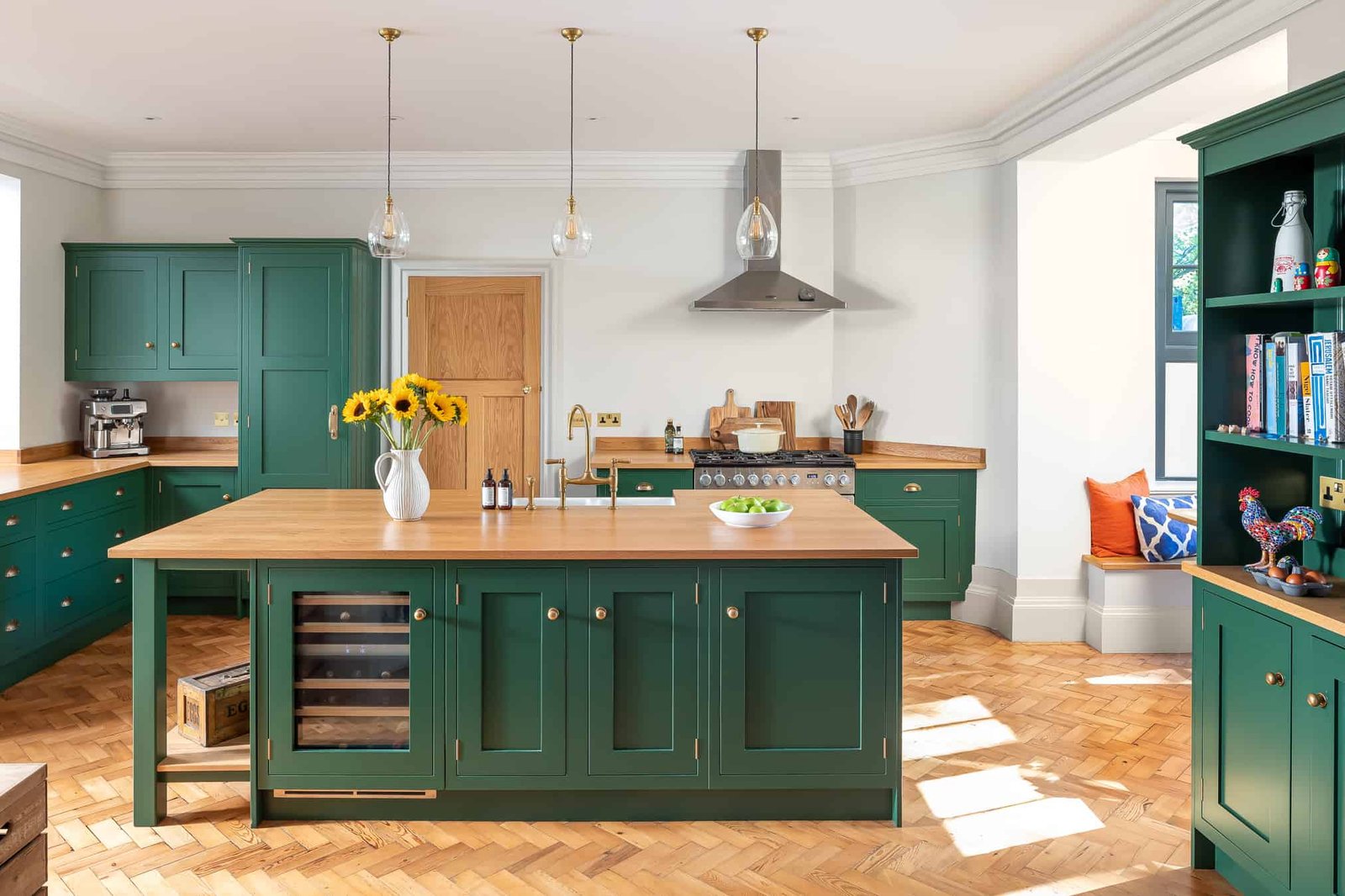
Let’s be honest — walking into a kitchen and feeling genuinely excited about it is rarer than it should be. Most kitchens default to white, gray, or beige, and while those colors are safe, they’re rarely memorable. Green kitchens, on the other hand, stop people in their tracks. They bring something into a home that most colors simply can’t: a sense of life, energy, and quiet confidence.
Whether you’re drawn to the moody drama of deep forest green, the earthy warmth of sage, or the playful freshness of mint, there’s a shade of green waiting to give your kitchen a personality it’s always deserved. Green has officially moved out of the 1970s avocado era and into the spotlight as one of the most versatile, beautiful, and enduring kitchen colors you can choose.
1. Sage Green Cabinets — The Internet’s Favorite Kitchen Color
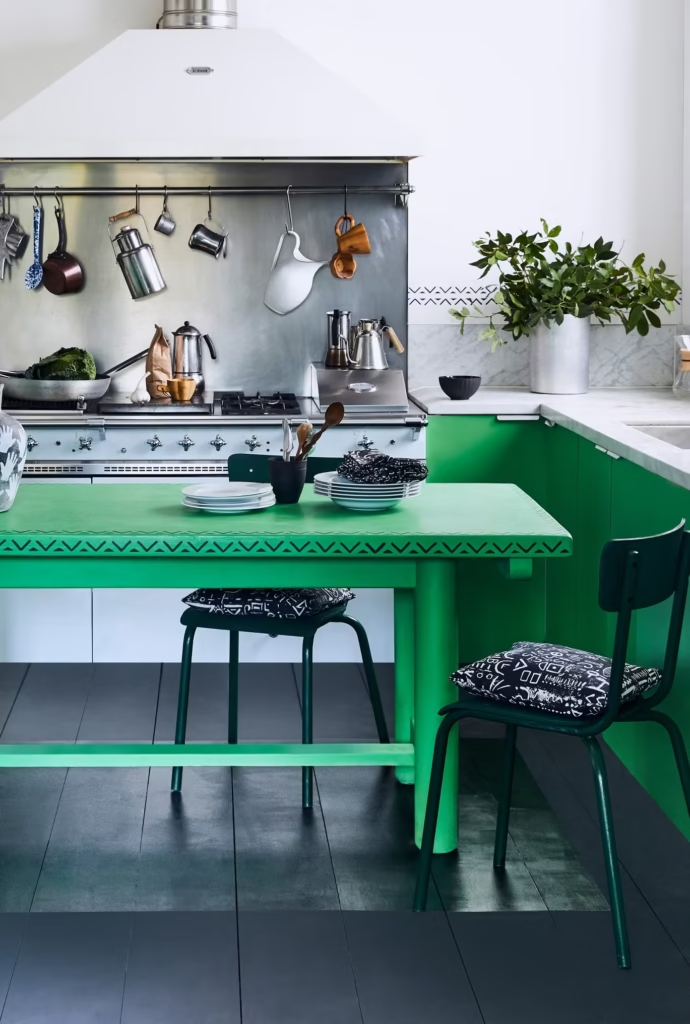
If you’ve spent any time on Pinterest or Instagram in the last few years, you’ve seen sage green kitchens everywhere — and for good reason. Sage occupies that rare sweet spot between neutral and colorful. It has enough personality to feel intentional, but it’s soft enough that it doesn’t compete with everything else in the room.
What makes sage green so livable is its natural versatility. It pairs equally well with warm materials like brass hardware and wooden countertops as it does with cooler elements like white marble and chrome fixtures. And unlike some trendy colors that start looking tired after a couple of years, sage green has a timeless, classic quality that holds up beautifully.
Best Pairings for Sage Green Cabinets:
- Brushed brass or antique gold hardware for warmth and elegance
- White Carrara marble or quartz countertops for a classic, clean contrast
- Open wooden shelving to add texture and an organic feel
- White subway tiles or handmade ceramic tiles for the backsplash
- Terracotta pots, woven baskets, or linen textiles for earthy accessories
Pro Tip: If you’re not ready to commit to full sage green cabinets, start with just the lower cabinets and keep the uppers white. This two-tone approach is widely popular and gives you the color without overwhelming a smaller space.
2. Deep Emerald Green — Drama Done Right
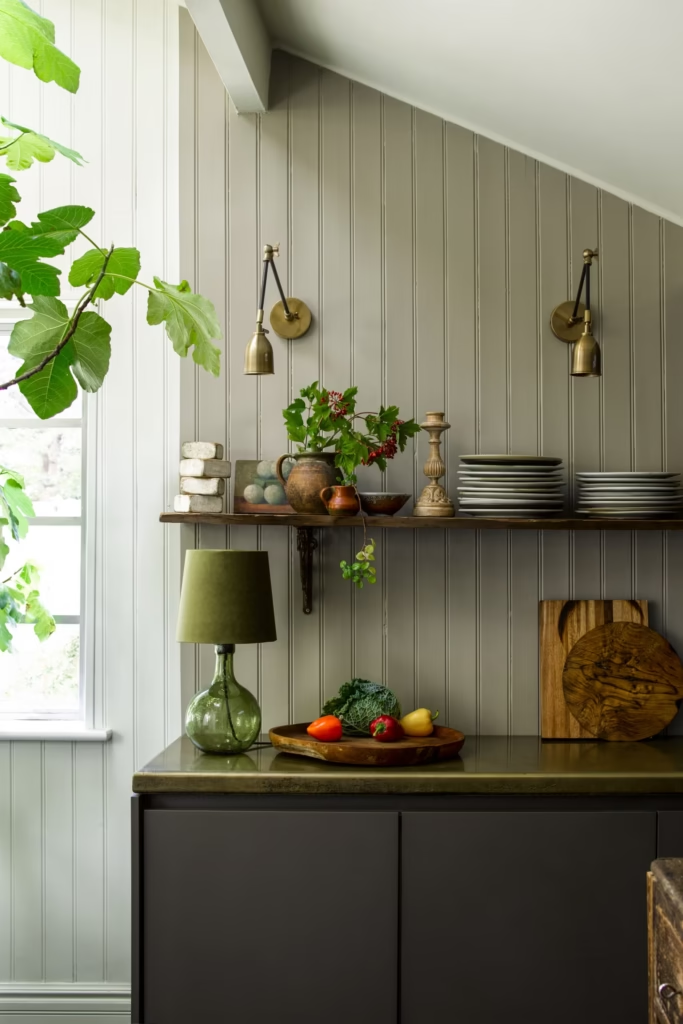
There’s nothing subtle about emerald green, and that’s exactly the point. Deep emerald kitchen cabinets create a sense of luxury and drama that few other colors can match. Think jewel-toned, rich, and unapologetically bold — this is a kitchen that makes a statement the moment you walk in.
The key to making emerald green work without it feeling like too much is balance. Pair dark lower cabinets with lighter upper cabinets or open shelving, and let natural light do the heavy lifting. Emerald green loves reflective surfaces — marble, gloss tiles, and metallic hardware all amplify its richness.
How to Balance an Emerald Green Kitchen:
- Use white or cream on walls and upper cabinets to prevent the space from feeling heavy
- Add under-cabinet LED lighting to brighten work surfaces and reduce shadows
- Choose marble or light-veined stone countertops to contrast the dark cabinets
- Incorporate gold or champagne brass fixtures — they pair beautifully with jewel tones
- Keep flooring light (natural oak, pale limestone, or large white tiles)
3. Olive Green with Natural Wood — A Warm, Earthy Combination
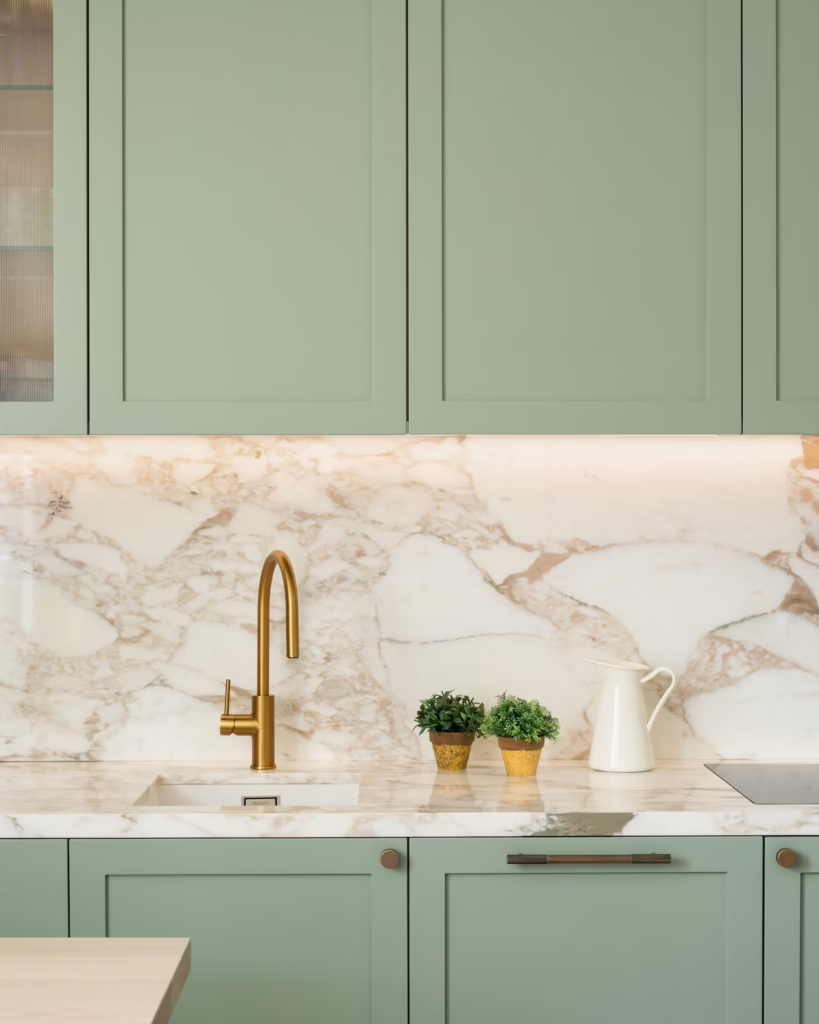
Olive green sits somewhere between sage and forest green — it’s warmer and earthier, with a muted yellow undertone that feels distinctly Mediterranean. When paired with natural wood accents, it creates a kitchen that feels deeply grounded, warm, and welcoming in a way that polished, all-white kitchens rarely achieve.
The olive-and-wood combination works across multiple design styles. In a rustic farmhouse kitchen, it feels completely at home with reclaimed wood beams and ceramic farmhouse sinks. In a more contemporary kitchen, pair it with handleless cabinets and concrete countertops for a modern organic aesthetic.
Wood Types That Work Best with Olive Green:
- Light ash or blonde oak for a Scandinavian-inspired, airy feel
- Walnut for a richer, more dramatic contrast
- Reclaimed pine or rough-sawn wood for a rustic, farmhouse look
- Bamboo for an eco-friendly, slightly tropical feel
- Butcher block countertops as a functional and beautiful surface
4. Mint Green for Small Kitchens — Big Personality in a Tight Space
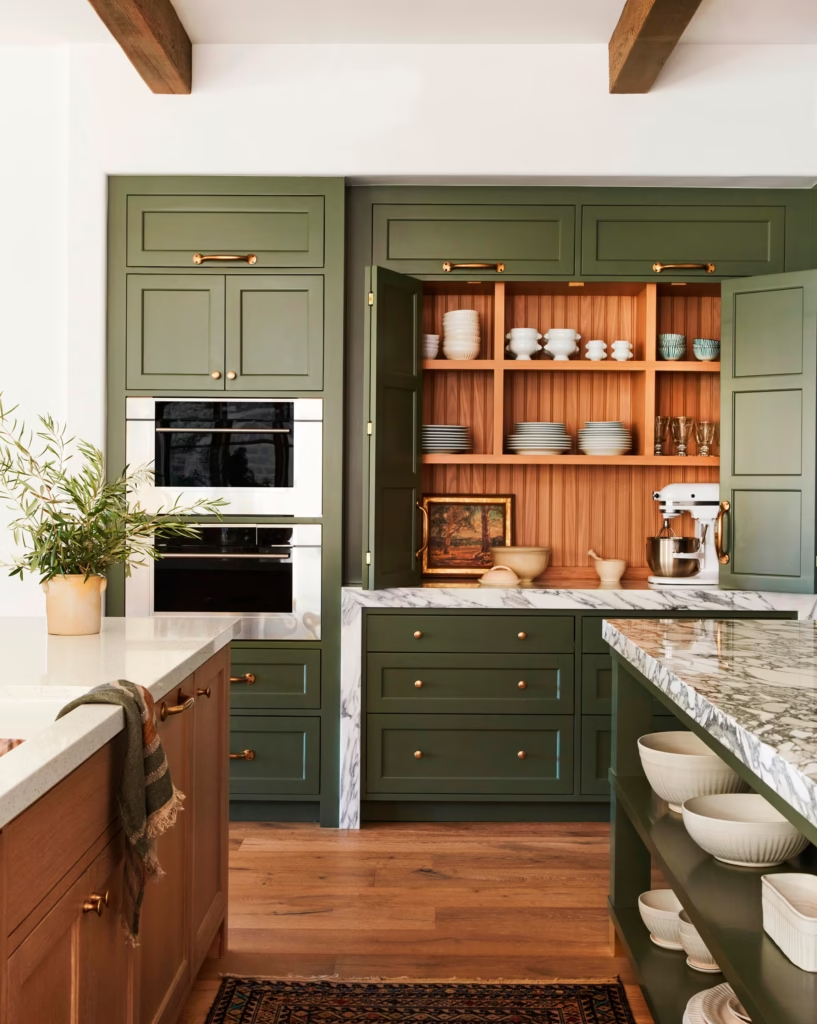
Small kitchens have a habit of feeling cramped, dark, and uninspiring. Mint green changes all of that. As one of the lightest and brightest greens on the spectrum, mint reflects natural light in a way that makes spaces appear significantly larger and more open than they actually are.
The secret is keeping the palette tight and cohesive. Pair mint green cabinets with white countertops, white walls, and simple chrome or brushed nickel fixtures. Avoid too many competing colors — let the mint do its work without distraction.
Small Kitchen, Smart Mint Green Strategies:
- Paint lower cabinets mint and keep upper cabinets bright white to draw the eye upward
- Use a mint-colored island as a focal point in an otherwise neutral kitchen
- Install large, light-colored floor tiles to visually expand the space
- Add open shelving instead of upper cabinets to prevent visual clutter
- Use glossy mint cabinet finishes to maximize light reflection
5. Forest Green Farmhouse Kitchen — Where Nature Meets Nostalgia
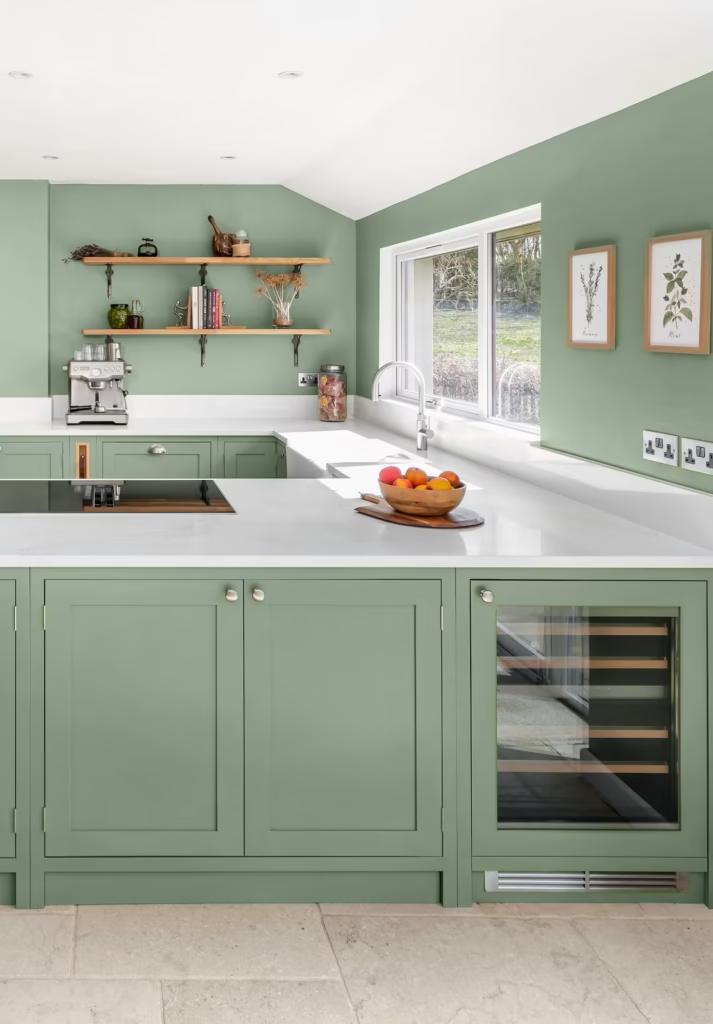
Forest green and the farmhouse aesthetic were practically made for each other. This deep, rich shade of green evokes overgrown gardens, old manor houses, and the kind of kitchens where generations of families have gathered around the table. It feels lived-in and loved without being dated.
The farmhouse kitchen is defined by its warmth, functionality, and sense of history. Layer forest green with white shiplap walls, a farmhouse apron sink, open wooden shelves full of mismatched pottery, and antique-style brass fixtures, and you’ve built something that feels genuinely special.
Essential Elements for a Forest Green Farmhouse Kitchen:
- A large, white apron front (farmhouse) sink as the kitchen’s anchor
- Unlacquered brass or aged bronze hardware that develops patina over time
- Shiplap, beadboard, or brick for walls and backsplash texture
- Open wooden shelves displaying ceramics, mason jars, and cast iron cookware
- A large kitchen island with butcher block top for extra prep space and gathering
6. Two-Tone Green and White Kitchen — A Modern Classic
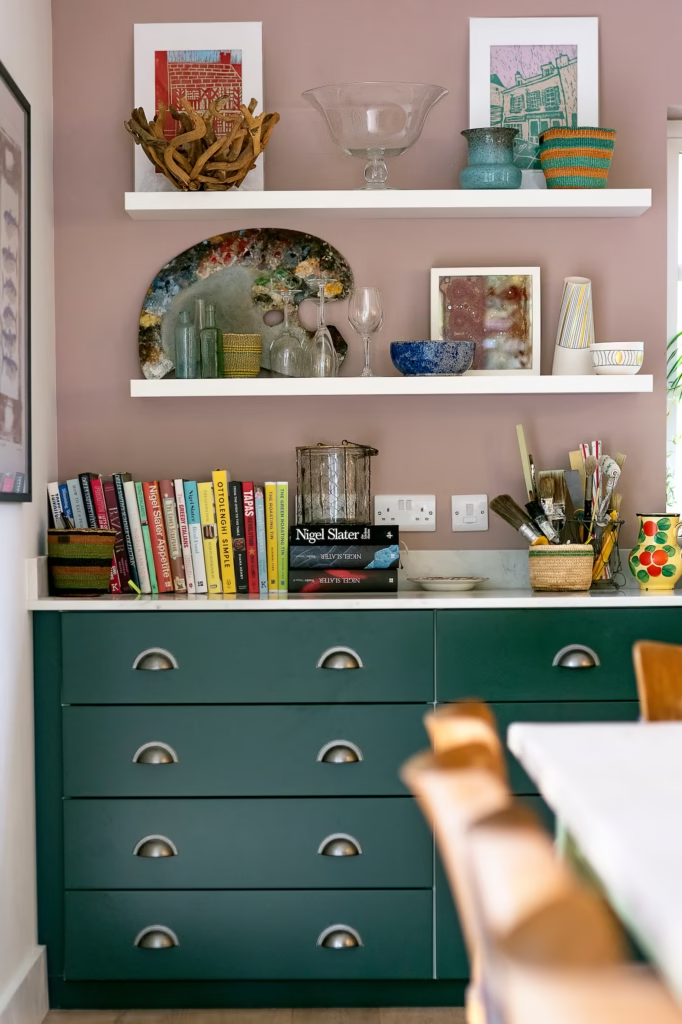
If you love green but aren’t sure you want it everywhere, the two-tone kitchen is your answer. Green on the lower cabinets, white on the upper cabinets — it’s a design formula that has been popular for years because it genuinely works. The contrast is crisp, clean, and visually interesting without being overwhelming.
This approach gives your kitchen a sense of height and openness that all-green cabinets can sometimes lack. The white upper cabinets keep the space feeling bright and airy, while the green lower cabinets anchor the design and give it personality.
7. Hunter Green Kitchen Island — Make a Statement Without Commitment
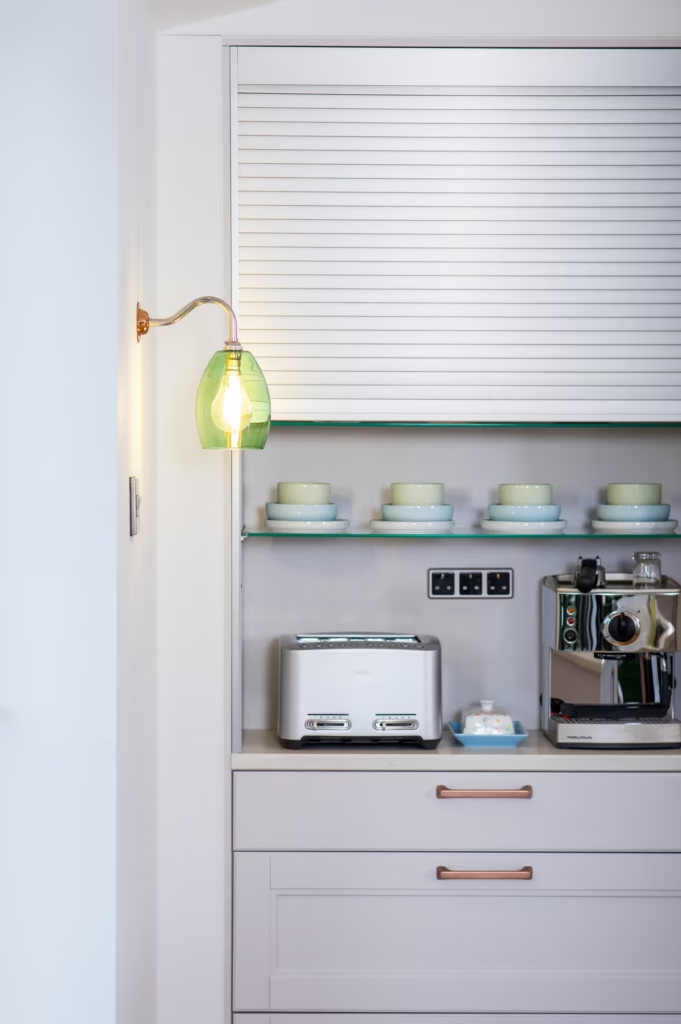
Not ready to paint all your cabinets green? A hunter green kitchen island lets you bring bold color into your kitchen without overhauling everything. The island becomes the room’s focal point — a conversation piece that anchors the design and makes the whole kitchen feel more intentional and curated.
Hunter green works particularly well for islands because its depth and richness read as distinctly different from the surrounding cabinetry. Pair it with a light marble or quartz countertop, black barstools, and pendant lighting in a contrasting finish — the effect is striking.
8. Green Kitchen Backsplash — Color Through Tile
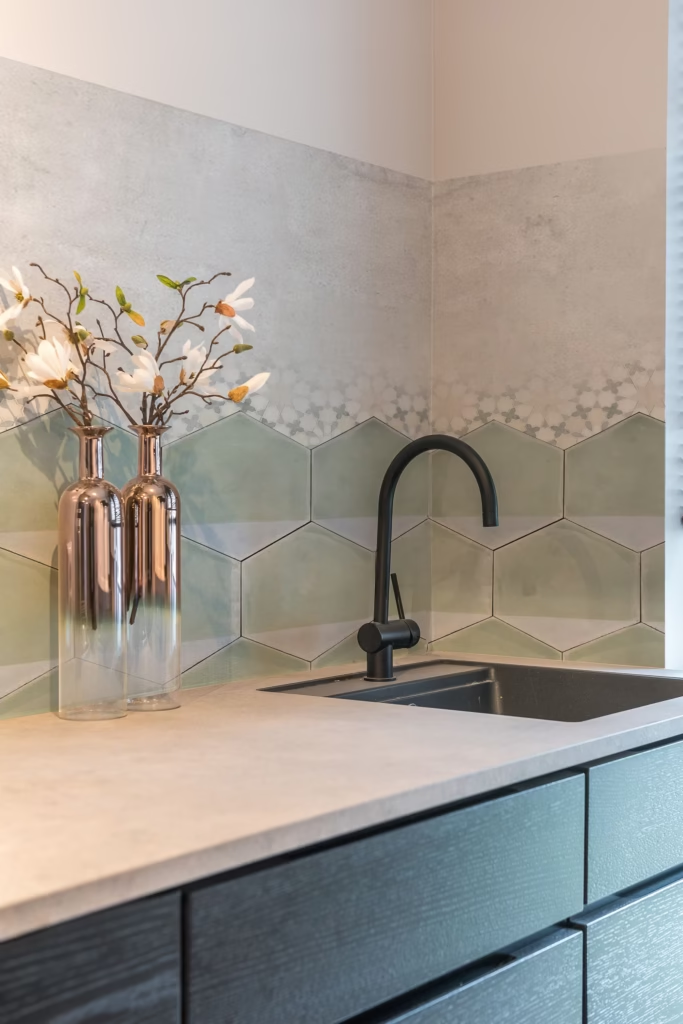
A green backsplash is one of the most budget-friendly ways to introduce the color into your kitchen. Tile is available in a huge range of greens — from pale sea glass to deep jade — and it comes in endless shapes and finishes. The backsplash is also a relatively contained surface, which makes it easier to be adventurous with color.
Green zellige tiles (handmade Moroccan ceramic tiles with a slightly uneven, reflective surface) have become particularly popular for kitchen backsplashes. Each tile is slightly different, which gives the backsplash a handcrafted, artisanal quality that mass-produced tiles simply can’t replicate.
9. Muted Sage with Concrete Countertops — Industrial Meets Organic
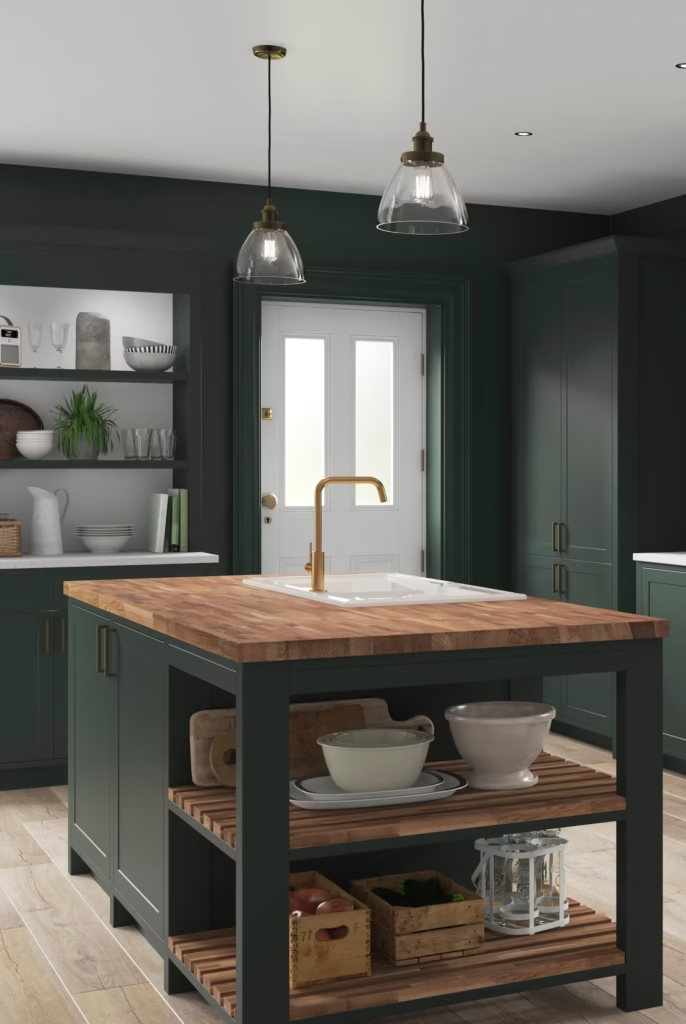
If you love the organic feel of sage green but want to avoid anything that reads as too soft or traditionally feminine, pairing it with concrete countertops creates a striking industrial-organic hybrid. The rough, textural quality of concrete counters gives sage green a grittier, more contemporary edge.
This combination works especially well in open-plan spaces where the kitchen flows into living or dining areas. The sage-and-concrete palette feels cohesive and mature — it reads as considered rather than trendy.
10. Green Kitchen with Black Accents — Bold, Contemporary Contrast
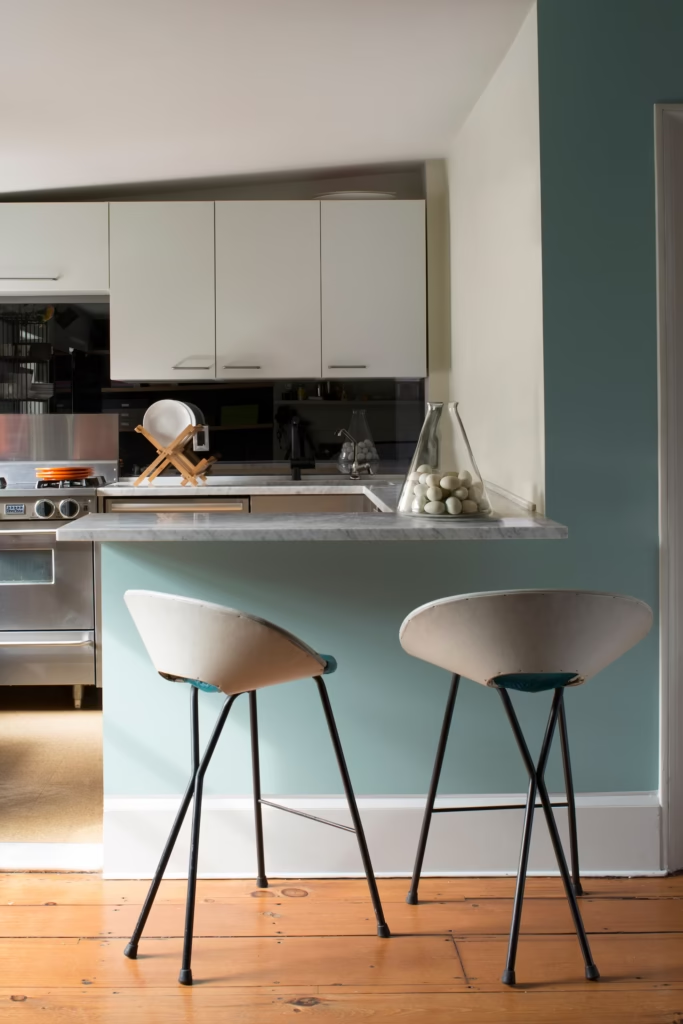
Green and black is one of those unexpected color combinations that absolutely works. The black sharpens and defines whatever shade of green you’re working with, giving it a contemporary, high-contrast edge. This is the pairing for people who want their kitchen to feel modern and graphic without resorting to the ubiquitous all-black or all-white design.
Try matte black cabinet hardware against sage green cabinets for a sleek, understated look. Or go bolder with black window frames, black light fixtures, and a black kitchen faucet against a deep forest green backdrop. The result is consistently striking.
11. Pastel Green Kitchen — Soft, Cheerful, and Completely Charming
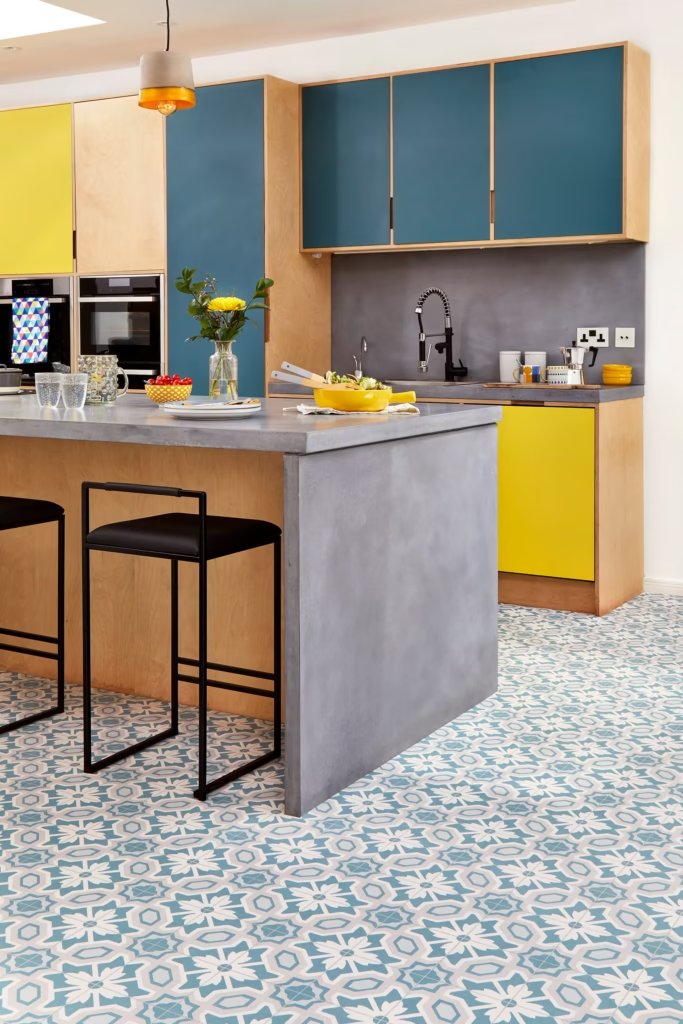
Not all green kitchens need to be serious or sophisticated. Pastel green kitchens are joyful, playful, and genuinely fun to spend time in. Think of the kind of kitchen you’d see in a charming European café or a beautifully illustrated children’s book — light, sweet, and full of personality.
Pastel green pairs beautifully with other soft colors — pale pink, lavender, buttercream yellow — for a kitchen that feels like a grown-up candy shop. Keep the lines and profiles simple (shaker cabinets work particularly well) and let the color carry the design.
12. Teal Green Kitchen — Where Green Meets Blue
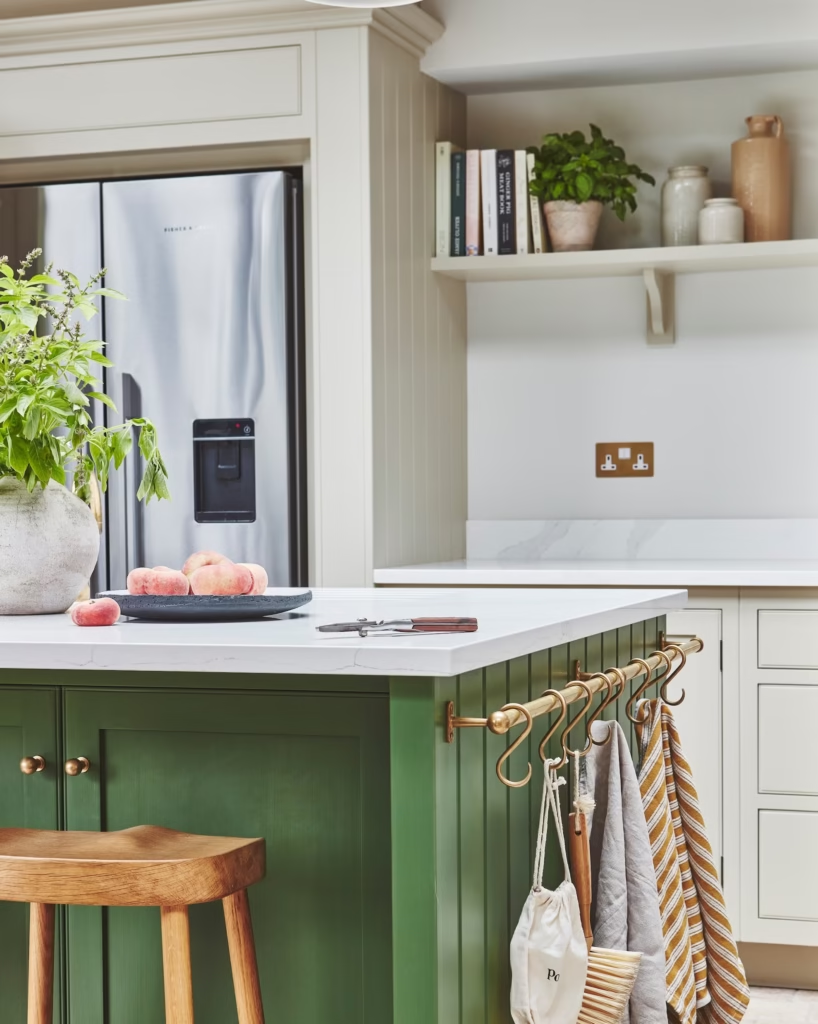
Teal sits right at the intersection of green and blue, giving it a depth and complexity that pure greens don’t always have. A teal kitchen feels simultaneously fresh and dramatic — it’s a color that reads differently in different lights, which gives the kitchen a sense of life throughout the day.
Teal works especially well in coastal-inspired or bohemian kitchens, where its blue-green qualities evoke water and sky. Pair it with natural rattan, linen, driftwood, and sea glass accessories for a space that feels relaxed and well-traveled.
13. Green Kitchen with Brass Hardware — Warm, Luxurious, and Timeless
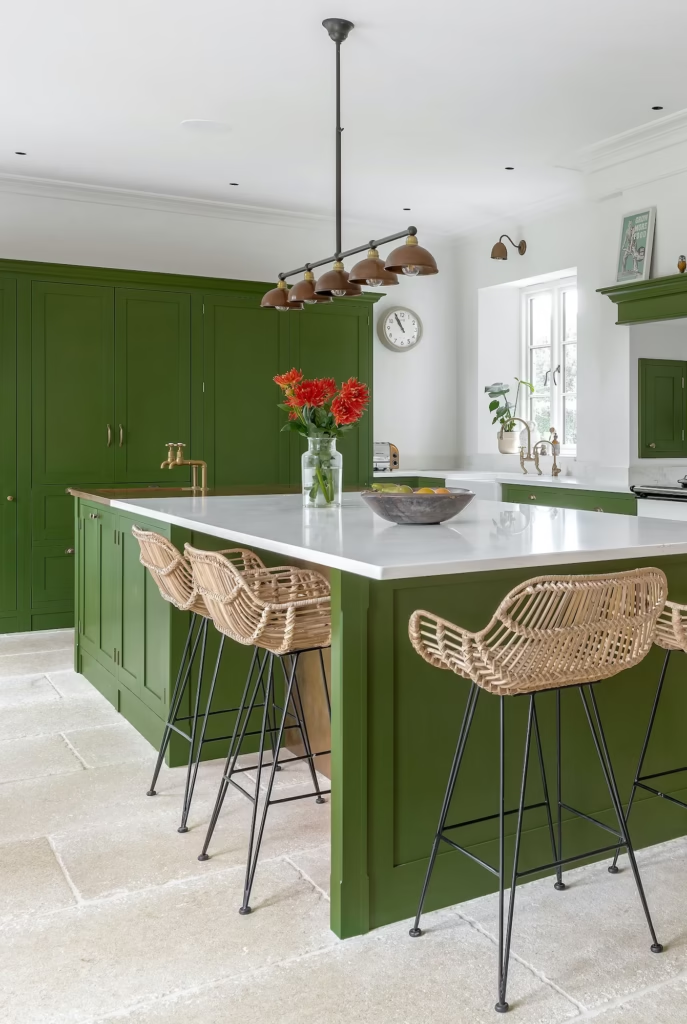
If there’s one hardware finish that’s made for green kitchens, it’s brass. The warm yellow-gold tone of brass complements virtually every shade of green — from the lightest sage to the deepest forest — in a way that feels genuinely luxurious without being flashy.
For a more relaxed, aged feel, choose unlacquered brass that will naturally patina over time. For a more polished, contemporary look, opt for brushed brass or satin brass finishes. Either way, the combination of green cabinets and brass hardware is consistently beautiful.
14. Dark Green Shaker Cabinets — Elegant and Endlessly Classic
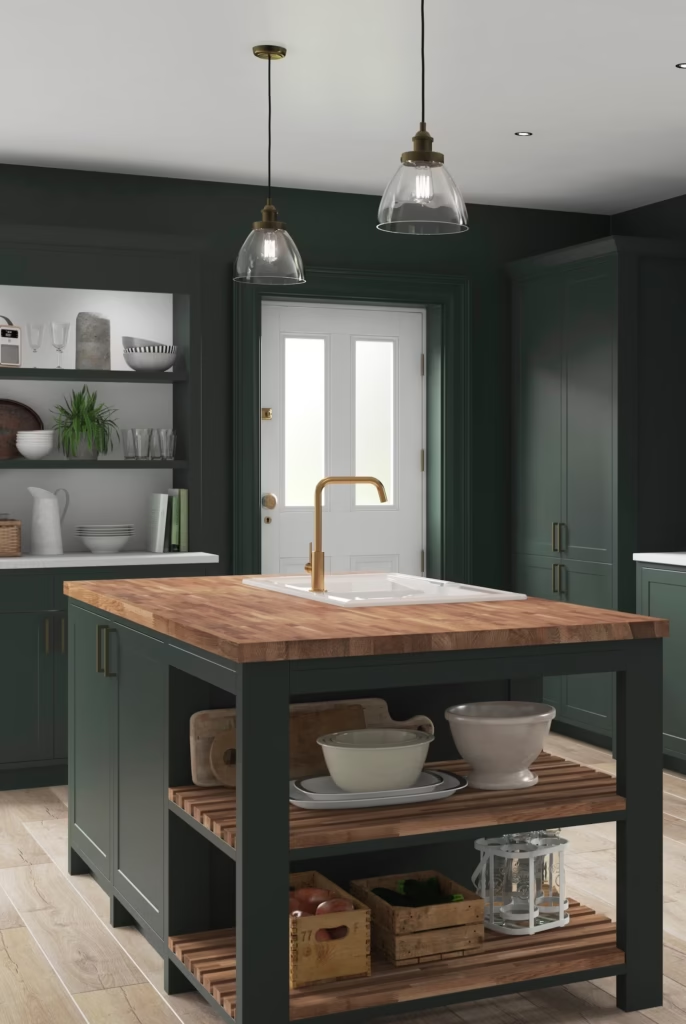
Shaker cabinets have been a kitchen staple for decades because their simple, paneled design works across virtually every style — from traditional to contemporary to everything in between. Paint them in a deep, dark green and they take on a whole new level of sophistication.
Dark green shaker cabinets work particularly well in period properties, where they complement original architectural details like cornicing, ceiling roses, and sash windows. They also shine in contemporary spaces, where the classic cabinet profile balanced against a dark modern color creates an interesting tension.
15. Green Kitchen with Marble — Natural Luxury at Its Best
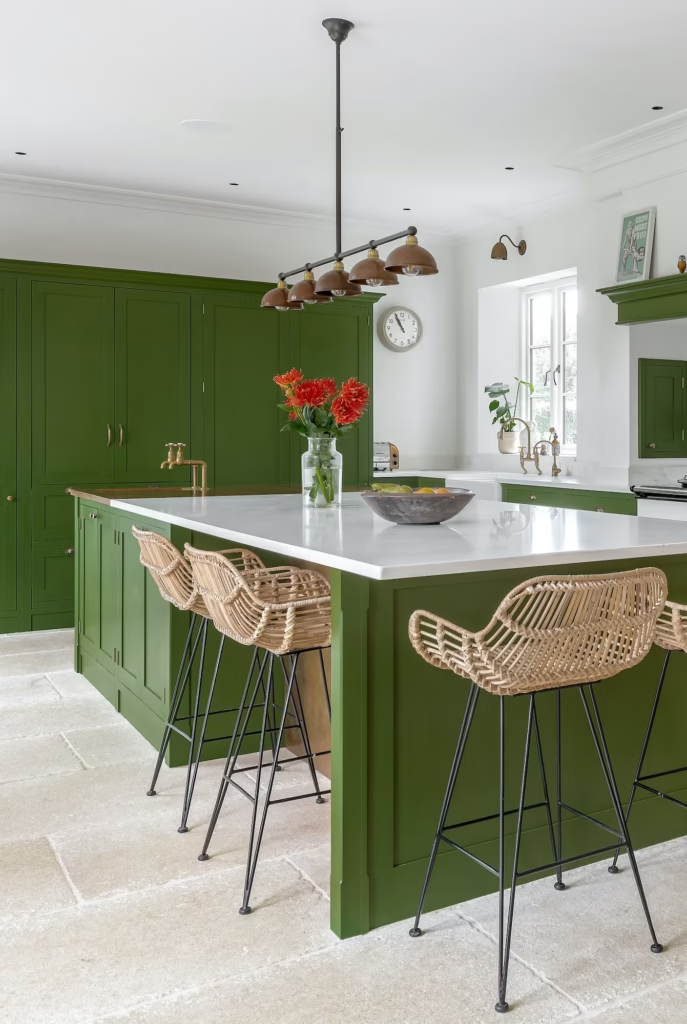
There are few material combinations more beautiful than green cabinetry and marble countertops. The natural veining in marble — whether it’s the warm gold-and-grey of Calacatta, the cool grey-white of Carrara, or the dramatic black-and-gold of Nero Marquina — plays beautifully against green surfaces.
Green also draws out the subtle green undertones that appear in many white and grey marbles, creating a cohesion between the surfaces that feels genuinely intentional. If your budget doesn’t extend to real marble, high-quality porcelain slabs that mimic marble provide almost the same visual effect at a fraction of the price.
How to Choose the Right Shade of Green for Your Kitchen
With so many shades of green available, choosing the right one for your kitchen can feel daunting. Here’s a practical framework to help you narrow it down:
Consider Your Kitchen’s Natural Light First
Light is the single biggest factor in how a green reads in a space. North-facing kitchens receive cool, indirect light, which can make some greens look dull or grey. South-facing kitchens receive warm light throughout the day and can handle deeper, richer greens more successfully. East-facing kitchens are warm in the morning and cool in the afternoon — lighter greens tend to work well. West-facing kitchens get beautiful warm afternoon light and suit warm-toned greens like olive and sage.
Match the Shade to the Overall Design Style:
- Modern/Contemporary — forest green, dark emerald, teal
- Farmhouse/Rustic — sage, olive, hunter green
- Scandi/Minimalist — pale sage, mint, soft eucalyptus
- Traditional/Classic — bottle green, dark racing green, deep hunter
- Bohemian/Eclectic — teal, olive, mixed greens with pattern
Final Thoughts — Your Green Kitchen Awaits
Green is one of those rare kitchen colors that manages to feel simultaneously bold and timeless, energizing and calming, natural and sophisticated. No matter which shade you choose — the quiet whisper of sage, the earthy warmth of olive, the luxurious depth of emerald, or the dramatic richness of forest green — a green kitchen is a kitchen that will never bore you.
The 20 ideas in this guide represent a wide range of approaches: some require a full renovation, others just a weekend project and a few tins of paint. Some are maximalist and bold; others are subtle and understated. But all of them share the same fundamental quality — they make the kitchen feel like more than just a functional room. They make it feel like a place worth spending time in.
If you take one thing from this guide, let it be this: don’t let fear of color hold you back from a kitchen you’d genuinely love. Green is a color that rewards courage. Start with a small change — a painted island, a green backsplash, a single wall in sage — and see how it feels. Chances are, you’ll wonder why you waited so long.
Your green kitchen is closer than you think. Now go get it
2 thoughts on “20 Green Kitchen Ideas That Will Transform Your Home in 2026”