
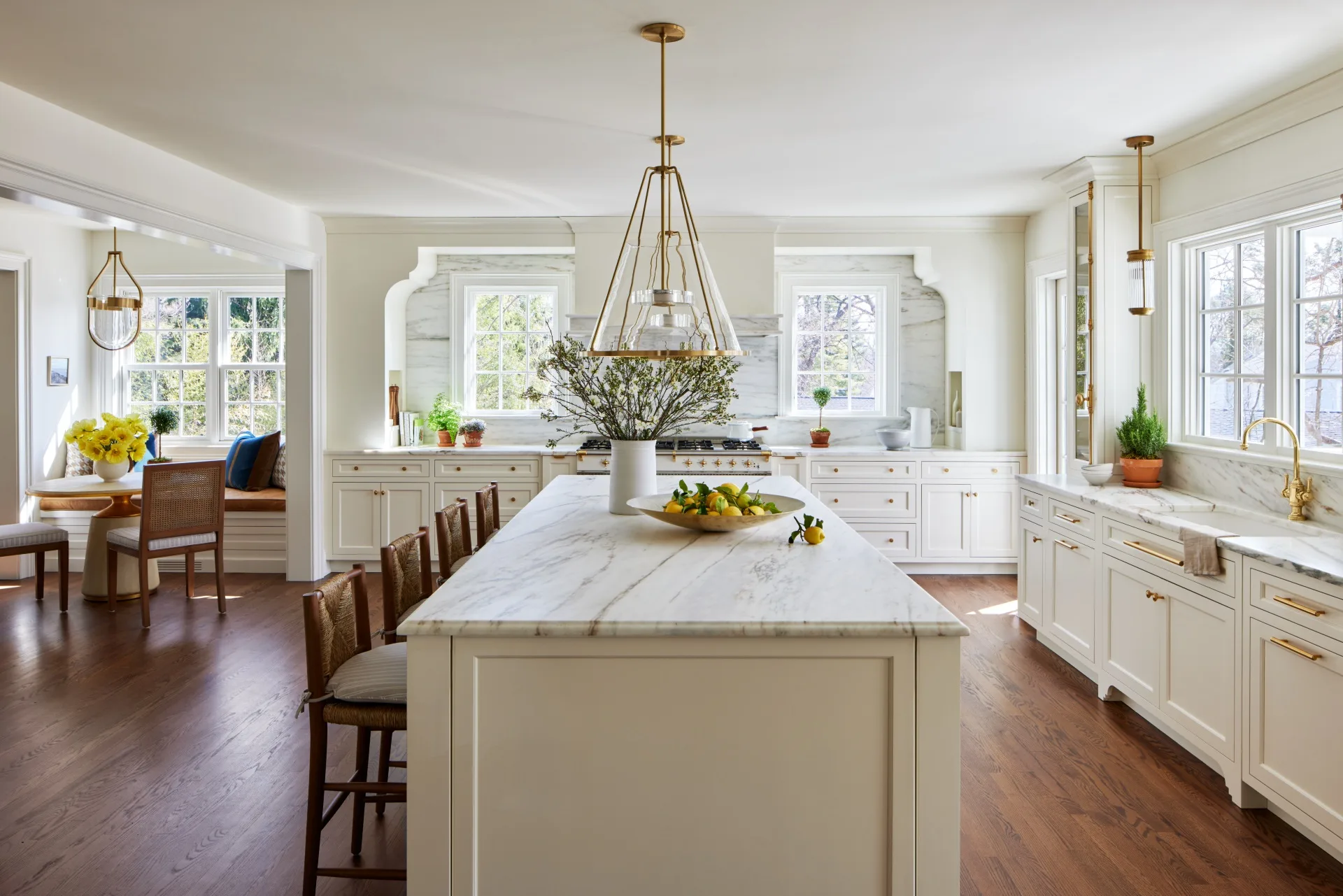
Let’s be real — white kitchen cabinets have survived every design trend that has come and gone over the decades. While avocado green appliances faded away and dark mahogany had its moment, white cabinets kept showing up — in farmhouses, in modern lofts, in cozy suburban homes, and in high-end designer kitchens. And here we are in 2025, and they are still going strong.
If you are planning a kitchen renovation or just curious whether white cabinets are worth the investment, you are in the right place. In this guide, we cover everything from the benefits of white kitchen cabinets and popular styles to design tips, maintenance advice, and how to make them look anything but boring.
1. Why White Kitchen Cabinets Remain So Popular
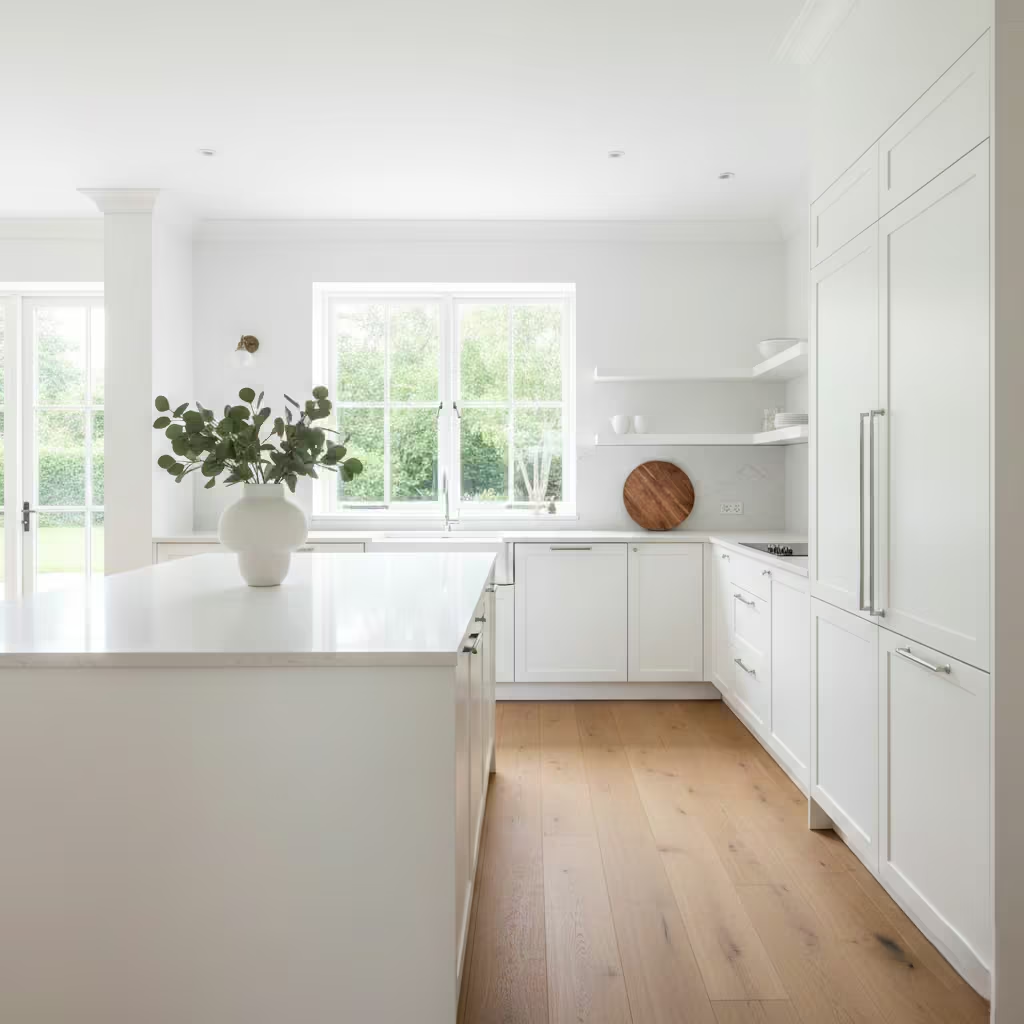
Before we dive into the design details, it helps to understand why white kitchen cabinets have maintained such staying power. It is not just about looks — there is real practicality behind the choice.
They Make Any Kitchen Feel Larger and Brighter
White reflects light better than any other color. Whether your kitchen gets flooded with natural sunlight or relies mostly on overhead lighting, white cabinets help bounce that light around the room, making the space feel open and airy. This is especially valuable in smaller kitchens where dark cabinetry might feel a bit suffocating.
They Work With Virtually Any Design Style
This is probably the biggest reason homeowners keep choosing white. White kitchen cabinets do not lock you into a single aesthetic. They can look sleek and modern with flat-panel doors and matte black hardware. They can feel warm and rustic with shaker-style doors and brass pulls. They can read as luxurious and traditional with raised-panel designs and marble countertops. Few other cabinet colors offer that kind of design flexibility.
They Add Resale Value
If you are thinking long-term, white kitchen cabinets are one of the safest bets in home renovation. They appeal to a wide range of buyers because they feel fresh, clean, and move-in ready. Real estate professionals consistently point to bright, neutral kitchens as a major selling point, and white cabinets check that box every time.
2. Popular Styles of White Kitchen Cabinets
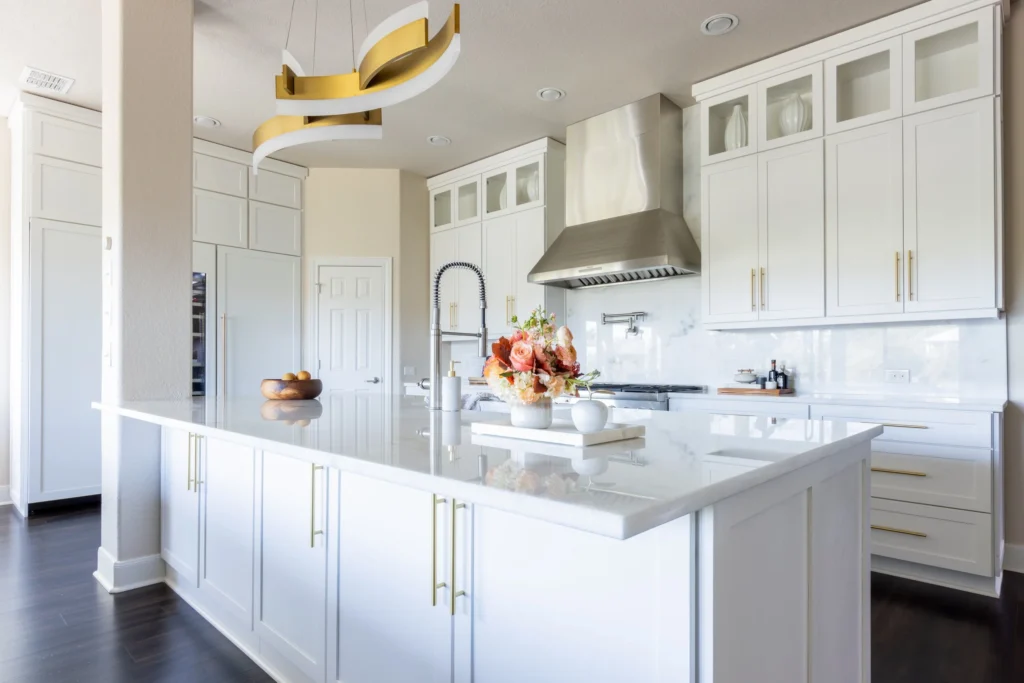
Not all white cabinets are the same. The style of the cabinet door itself makes a massive difference in the overall look of your kitchen. Here are the most popular options and what they bring to the table.
Shaker-Style White Cabinets
Shaker cabinets are arguably the most popular cabinet style in the country — and for good reason. They feature a simple recessed center panel with clean, square edges. In white, they feel timeless and work beautifully in everything from traditional kitchens to transitional and even contemporary spaces. Pair them with simple hardware and you have a look that never gets old.
Flat-Panel (Slab) White Cabinets
If you love modern, minimalist design, flat-panel or slab-door cabinets are the way to go. They have no raised or recessed detailing — just a clean, smooth surface. In white, they create a sleek, almost Scandinavian feel. These pair especially well with handle-less designs, integrated appliances, and waterfall-edge countertops for a truly contemporary look.
Raised-Panel White Cabinets
Raised-panel doors have a more traditional, ornate look with a center panel that sits slightly higher than the surrounding frame. In white, they feel elegant and classic — perfect for formal kitchens, traditional homes, and spaces where you want a more polished, finished look.
Beadboard White Cabinets
Beadboard adds vertical lines and texture to cabinet doors, giving the kitchen a cottage or farmhouse feel. White beadboard cabinets are charming, cozy, and perfect for anyone who wants their kitchen to feel inviting rather than stark.
3. Choosing the Right Shade of White
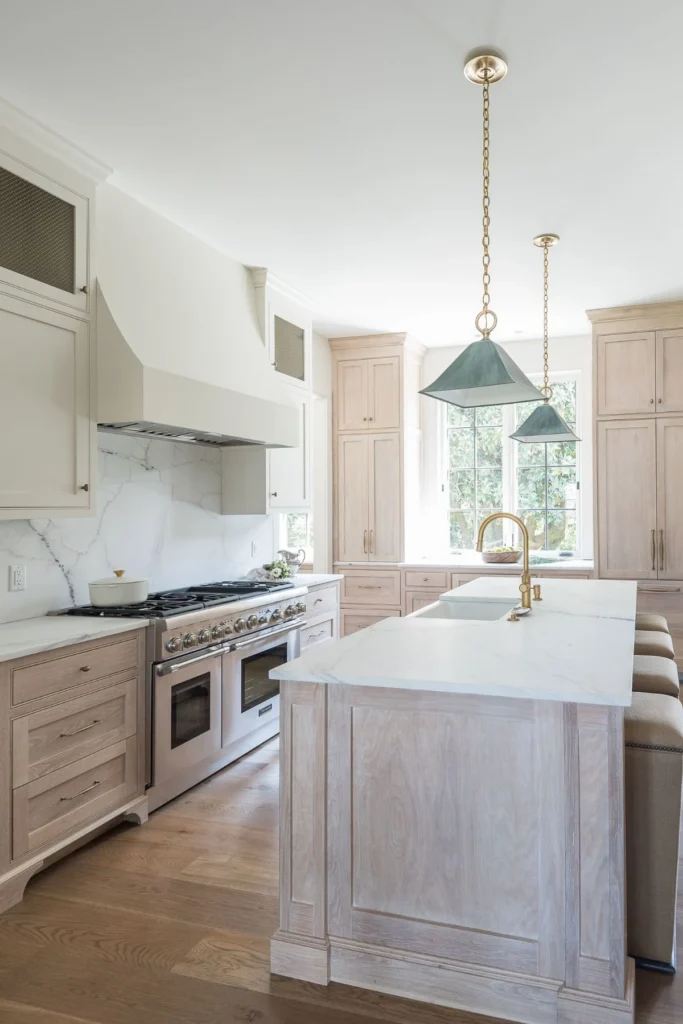
Here is something that surprises a lot of first-time renovators: not all whites are the same. In fact, choosing the wrong shade of white is one of the most common (and costly) mistakes people make. Here is a quick breakdown of what to look for.
- Crisp, True White — This is the bright, clean white with no undertones. It looks sharp and modern, especially in kitchens with lots of natural light or a cool-toned color palette. Think: modern lofts and minimalist spaces.
- Warm White / Creamy White — Whites with a yellow or beige undertone feel warmer and more inviting. They suit farmhouse kitchens, traditional designs, and homes with warm wood floors or countertops. Think: cottage charm and cozy family kitchens.
- Cool White — Whites with a blue or gray undertone can feel fresh and crisp without being stark. They work especially well with cool-toned countertops like white marble or light gray quartz.
- Off-White / Antique White — Slightly muted and softer than true white, these shades add subtle warmth without going full cream. They feel classic and are very forgiving in terms of pairing with other colors.
The best approach? Always look at your cabinet samples in your actual kitchen, under your actual lighting, before making a final decision. Colors look different depending on your light source, time of day, and surrounding materials.
4. Design Tips to Make White Kitchen Cabinets Look Stunning
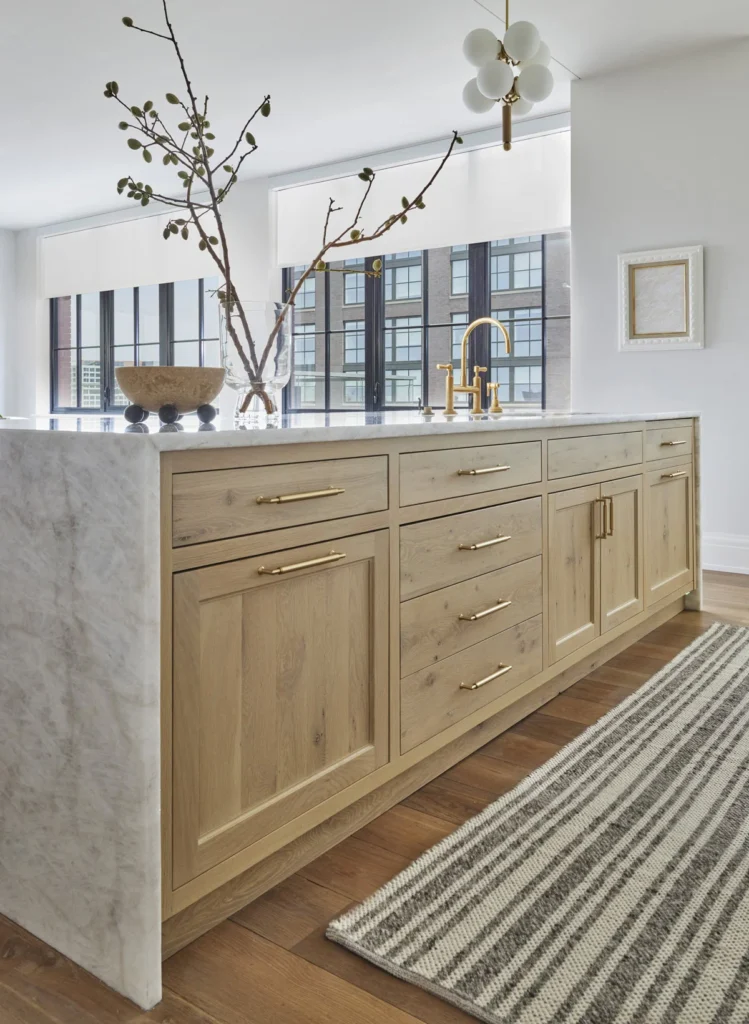
One of the biggest misconceptions about white kitchens is that they are boring or cold. That is usually the result of poor design choices — not the cabinets themselves. Here is how to make your white kitchen truly shine.
Add Warmth With Wood Accents
One of the most popular trends in white kitchen design is pairing white cabinets with natural wood elements. A butcher block island, open walnut shelves, or hardwood floors bring warmth and texture that prevents the kitchen from feeling clinical or sterile. It is a contrast that feels both organic and intentional.
Choose Hardware That Does the Talking
Hardware is jewelry for your cabinets. In a white kitchen, the right hardware can completely transform the vibe. Matte black pulls give a modern, dramatic edge. Brushed brass brings warmth and a touch of glamour. Polished nickel keeps things clean and classic. Do not underestimate how much of a difference this small detail makes — and the good news is that hardware is easy and affordable to swap out if you ever want to refresh the look.
Invest in a Statement Backsplash
A white cabinet backdrop is basically an invitation for your backsplash to take center stage. Classic subway tiles are always a safe and beautiful choice. But if you want more personality, consider herringbone patterns, zellige tiles with their hand-made texture and subtle color variation, bold geometric patterns, or even a slab of dramatic marble or quartzite. The backsplash is where you can inject real character into a white kitchen without committing to anything too permanent.
Layer Your Lighting
Great lighting makes a white kitchen look polished and intentional. Plan for multiple types of lighting: recessed overhead lights for general illumination, under-cabinet strips to light your workspace, and pendant lights over the island or dining area to add personality and warmth. Statement pendant lights in black, brass, or textured materials look especially striking against white cabinetry.
Use Texture to Prevent Flatness
A kitchen with white everything — cabinets, walls, countertops, and backsplash — can start to feel a bit flat. The solution is texture. Rough-hewn stone countertops, textured tiles, linen drapes, rattan or wicker barstools, and woven baskets all add tactile interest and dimension that keep the space from feeling one-dimensional.
5. White Kitchen Cabinets and Countertop Pairings
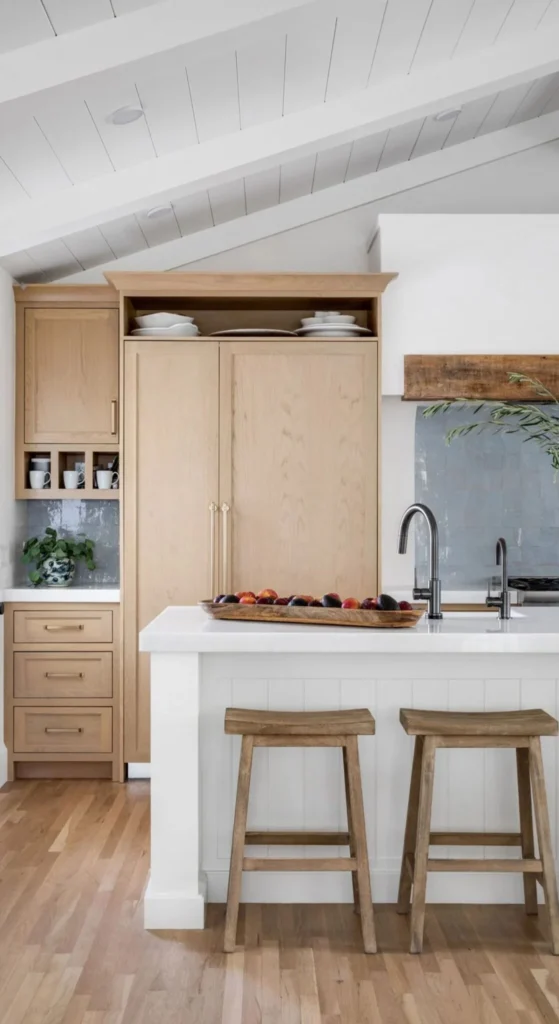
Choosing the right countertop to go with white cabinets is one of the most important decisions in your kitchen design. Here are the top pairings and what each brings to the overall look.
- White Marble — The classic pairing. Elegant, luxurious, and timeless. Carrara marble with its soft gray veining is one of the most popular choices. Keep in mind that marble does require sealing and a bit more maintenance than engineered stone.
- White or Light Gray Quartz — A more practical choice that mimics the look of marble without the high maintenance. Quartz is non-porous, extremely durable, and available in hundreds of beautiful patterns.
- Butcher Block — Brings warmth and a natural, lived-in quality. Works especially well in farmhouse and cottage-style kitchens. Just know it needs regular oiling and is more susceptible to water damage.
- Concrete — A more industrial, modern option. Gives white cabinets an edgy, unexpected contrast. Can be sealed for easy maintenance.
- Black or Dark Granite — If you want real drama and contrast, dark countertops against white cabinets make a bold statement. This pairing is modern and striking without feeling cold.
6. Maintaining White Kitchen Cabinets: Practical Tips
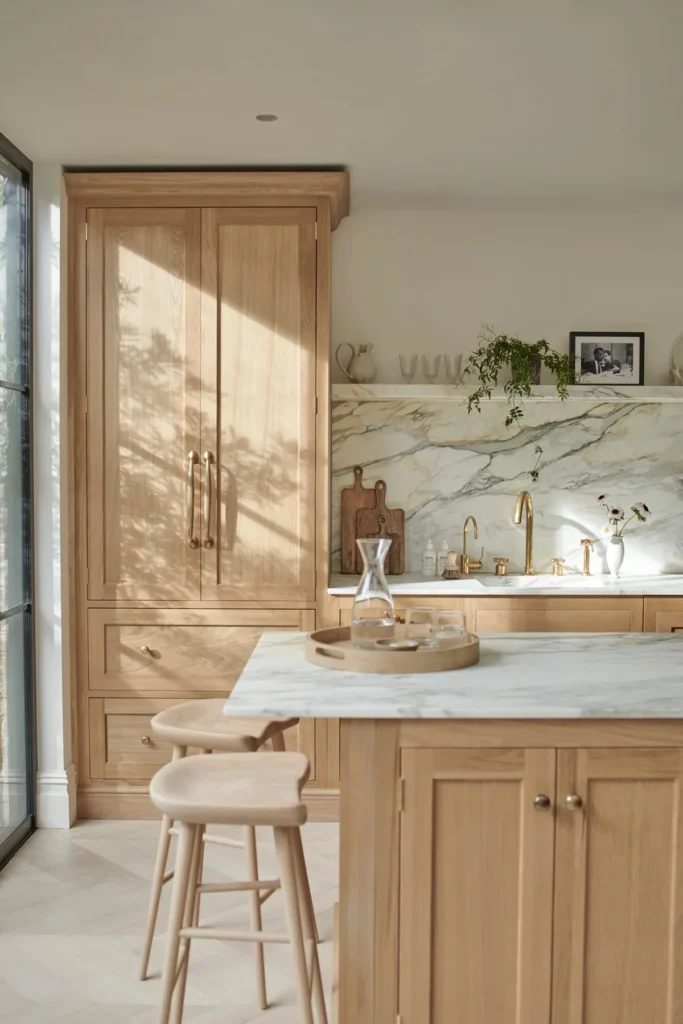
Let us be honest — the one real downside of white kitchen cabinets is that they do show fingerprints, grease splatters, and everyday grime more readily than darker finishes. But with the right habits and materials, maintaining white cabinets is not nearly as hard as people fear.
- Wipe them down regularly. A damp microfiber cloth with a drop of dish soap is usually all you need for everyday cleaning. Do not let grease build up around the stove area.
- Use the right finish. Semi-gloss or satin finishes are easier to wipe clean than matte. If you are committed to a matte look, ask about specially formulated wipe-clean matte lacquers.
- Be careful with harsh cleaners. Bleach and abrasive scrubs can strip the finish over time. Stick to gentle, pH-neutral cleaners.
- Touch up paint when needed. One great thing about white cabinets is that touch-ups are easy. Keep a small amount of the original paint or finish on hand for nicks and scratches.
- Handle with clean hands. Sounds obvious, but training family members to open cabinet doors with clean, dry hands (or use the hardware rather than the cabinet face) goes a long way.
7. White Kitchen Cabinets vs. Colored Cabinets: Which Should You Choose?
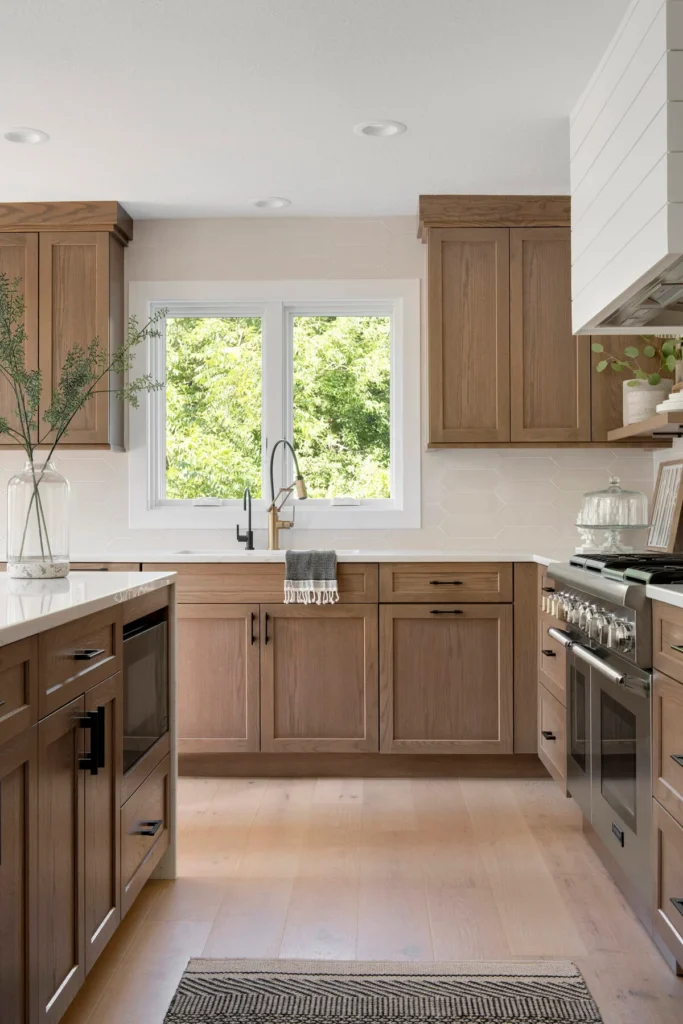
This is the question many homeowners wrestle with. Colored cabinets — navy blue, sage green, charcoal, forest green — have surged in popularity in recent years, and they can look absolutely stunning. So how do you decide?
Choose white cabinets if: you want maximum versatility, you plan to sell the home in the next five to ten years, you have a small or dark kitchen that needs brightening, or you love the ability to easily change up the look of the space through accessories and décor.
Choose colored cabinets if: you want a kitchen with a strong personal identity, you are confident in your color choice and plan to stay in the home long-term, or you want to make a bold design statement that sets your kitchen apart.
There is also a very popular middle-ground approach: white upper cabinets with a colored lower cabinet or island. This gives you the brightness of white on top while adding personality and grounding the space with color below. It is a look that has become incredibly popular — and for good reason.
8.White Kitchen Cabinets for Different Kitchen Styles
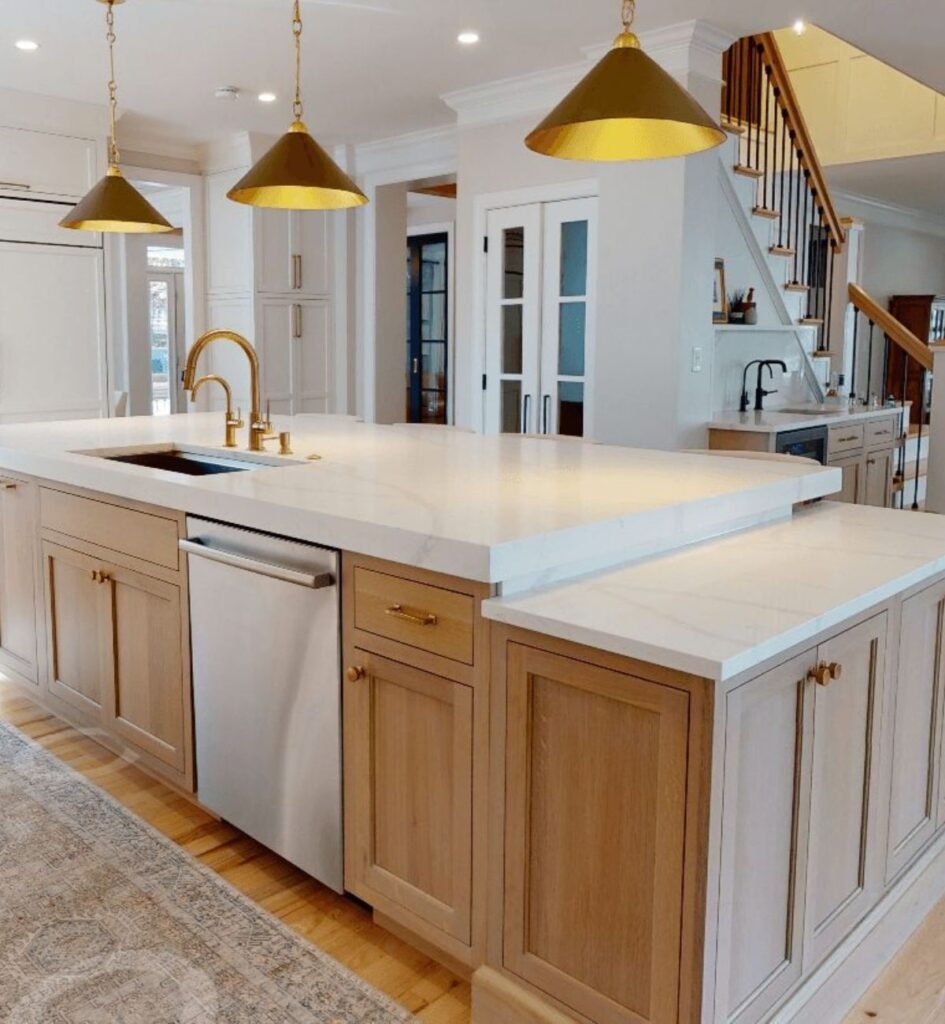
Modern and Contemporary
Go for flat-panel doors, minimal hardware (or no hardware at all with push-to-open mechanisms), crisp true white, quartz countertops, and a sleek tile backsplash. Keep lines clean and clutter off the counters.
Farmhouse and Rustic
Shaker or beadboard cabinet doors in a warm, creamy white work beautifully. Pair with butcher block or soapstone countertops, open wood shelving, a farmhouse sink, and vintage-style brass or oil-rubbed bronze hardware.
Traditional and Classic
Raised-panel cabinets in an antique or off-white, paired with marble or granite countertops, crown molding, and polished nickel hardware. Add a tile or classic subway tile backsplash for a timeless look.
Transitional
A blend of modern and traditional elements — shaker doors, quartz countertops, a mix of metals in the hardware and lighting, and perhaps a patterned backsplash that adds interest without leaning too far in any one direction.
9. Final Thoughts: Should You Go With White Kitchen Cabinets?
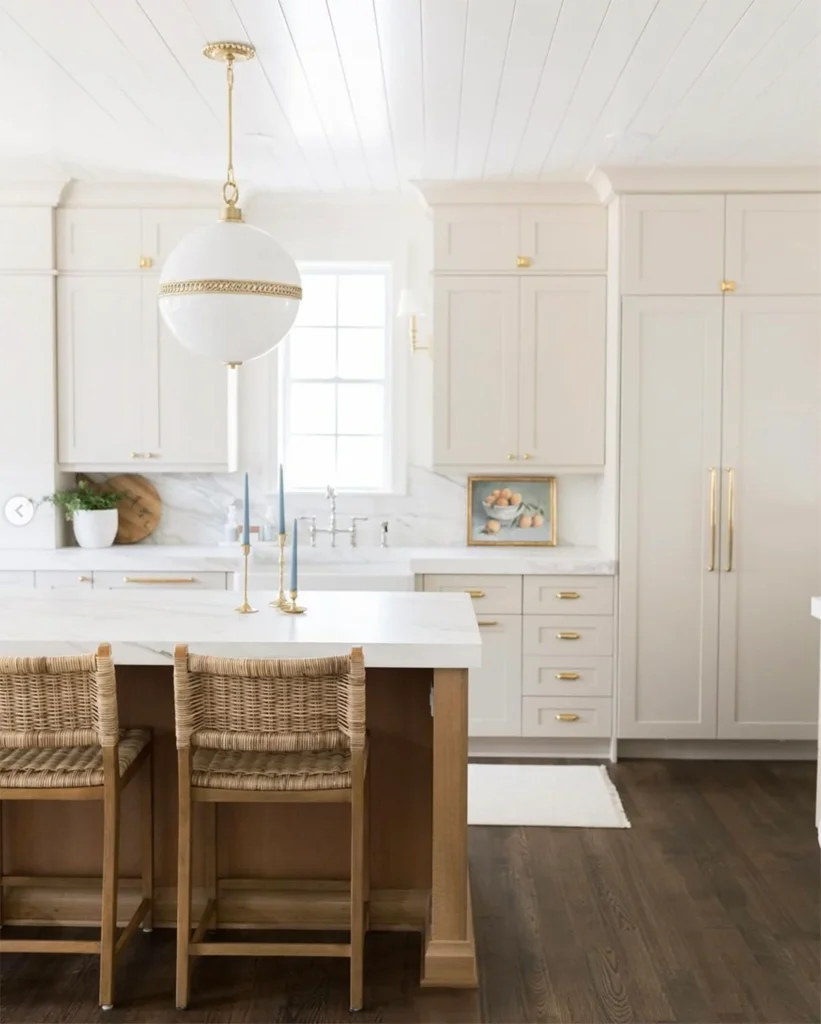
White kitchen cabinets have earned their place as one of the most beloved choices in home design — and not just because they look good. They work in nearly every kitchen size, suit nearly every design style, photograph beautifully (always a bonus in the age of social media and home listings), and offer a flexibility that bolder colors simply cannot match.
Yes, they require a bit more attention to keep clean. Yes, the market is full of options and shade variations that can feel overwhelming at first. But when you get it right — when the finish, hardware, countertop, and backsplash all come together — a white kitchen is genuinely one of the most satisfying spaces in a home.
Whether you are planning a full kitchen renovation or just looking to refresh your existing cabinets with a coat of paint, white remains one of the smartest, most enduring choices you can make. Classic for a reason. Worth every penny when done right
Frequently Asked Questions
Are white kitchen cabinets still in style in 2025?
Absolutely. White kitchen cabinets continue to be one of the top choices for homeowners and designers alike. While bold colors have gained popularity, white remains a timeless, versatile option that works across virtually every design style.
Do white cabinets make a kitchen look bigger?
Yes — because white reflects light rather than absorbing it, white cabinets help a kitchen feel more open, airy, and spacious. This makes them especially valuable in smaller or darker kitchens.
What is the best countertop color for white kitchen cabinets?
It depends on your style. Light gray or white quartz gives a clean, cohesive look. Marble adds elegance. Dark countertops like black granite or charcoal quartz create bold contrast. Butcher block brings warmth and texture.
Are white kitchen cabinets hard to keep clean?
They do show dirt more readily than darker finishes, but with regular wiping and the right finish (semi-gloss is easiest to clean), they are very manageable for most households.
What hardware looks best with white kitchen cabinets?
Matte black for a modern edge, brushed brass for warmth and glamour, polished nickel or chrome for a clean classic look, and oil-rubbed bronze for a rustic or traditional feel. All of these can look stunning depending on the overall style of your kitchen.