
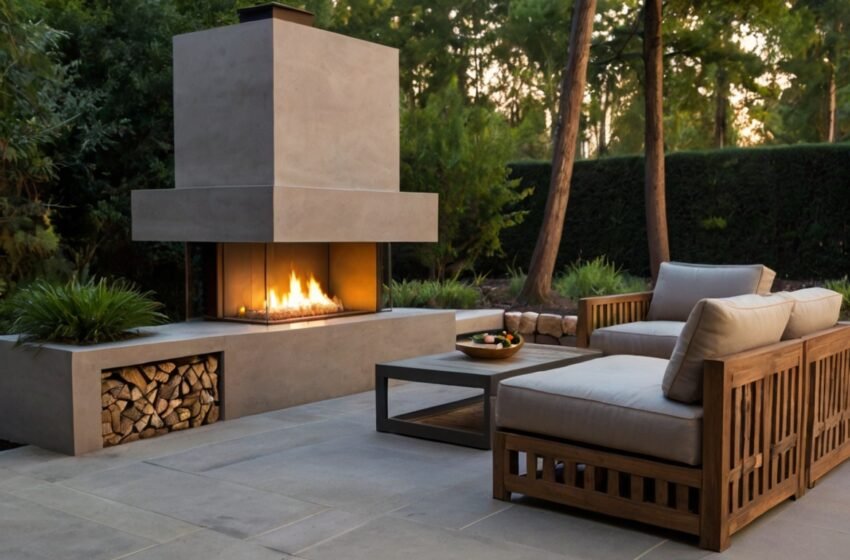
There is something almost magnetic about a fire. People have gathered around it for thousands of years, and that pull has not gone away — it has simply moved to our patios and backyards. If you have been thinking about adding an outdoor gas fireplace, you are in excellent company.
These fixtures have surged in popularity over the past decade, and it is easy to see why. They start at the turn of a dial, produce no smoke, leave no ash, and can look genuinely stunning across a wide range of design styles. Whether you want a bold architectural centrepiece or a quiet corner of warmth for two, there is a gas fireplace setup that fits your space.
We have pulled together 20 of the best outdoor gas fireplace ideas — from grand statement designs to smart small-space solutions — along with a practical buying guide so you can make a confident decision.
1. Modern Minimalist — Clean Lines, Maximum Impact
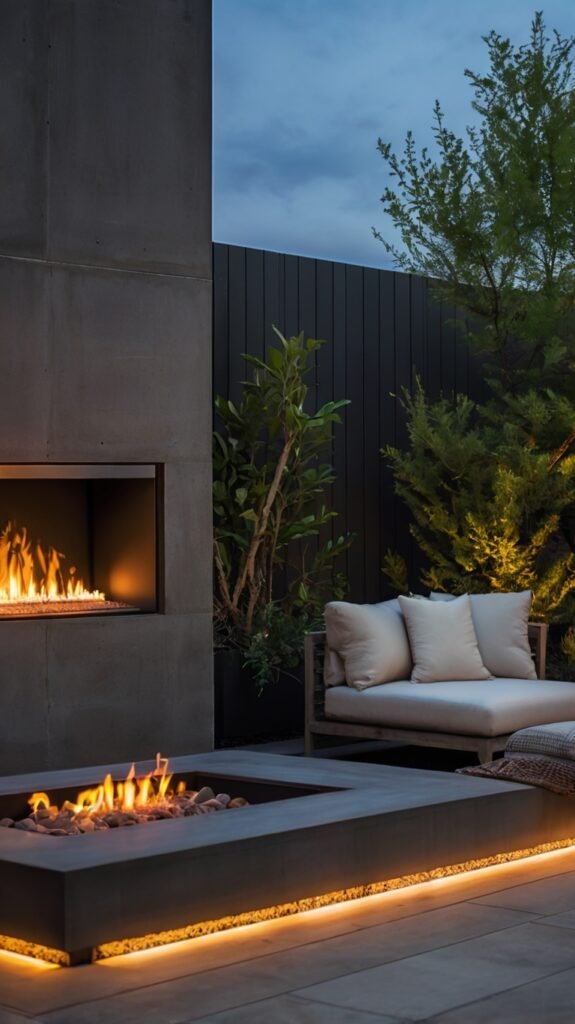
If you love contemporary design, a minimalist gas fireplace is your natural match. Think rectangular fireboxes set flush into smooth concrete or white-render walls, with zero ornamental detail. The flame itself becomes the focal point — and honestly, it is more than enough.
Pair this look with low-profile furniture, a neutral colour palette, and subtle downlighting. The result is an outdoor space that feels like a luxury hotel terrace. It works especially well on newer builds with sharp architectural lines.
2. Rustic Stone Surround — Timeless and Warm

Stone never goes out of style. A gas fireplace clad in natural fieldstone, limestone, or slate brings an earthy, welcoming character that other materials struggle to match. This is the kind of feature that makes guests feel instantly at ease.
It is a natural fit for country-style homes, ranch properties, or any garden where the goal is comfortable, lived-in warmth. Add chunky wooden seating, thick woollen throws, and a cast-iron lantern or two, and you have a gathering spot nobody wants to leave.
3. Fire Pit Table — Function Meets Flame

One of the most practical outdoor gas fireplace ideas for anyone who entertains is the fire pit table — a dining or coffee table with a gas burner built right into the centre. Guests eat, drink, and talk with a beautiful fire at the heart of the table, with no extra footprint required.
Concrete, brushed steel, and teak are all popular material choices. Each gives a slightly different character to the piece. For a small urban patio, this is often the single most efficient way to add both warmth and a social focal point.
4. Glass-Enclosed Gas Fireplace — Sleek and Practical

A fully glass-enclosed gas fireplace is one of those design choices that looks dramatic from outside but is genuinely easy to live with. Tempered glass shields the flames completely, making it safer for households with young children or pets, while still offering an unobstructed view of the fire from every angle.
The effect is almost like a living sculpture. The enclosure also concentrates heat directly into your seating area rather than losing it to the breeze — a real advantage in cooler climates.
5. Sunken Lounge with Built-In Fireplace — Intimate and Luxurious
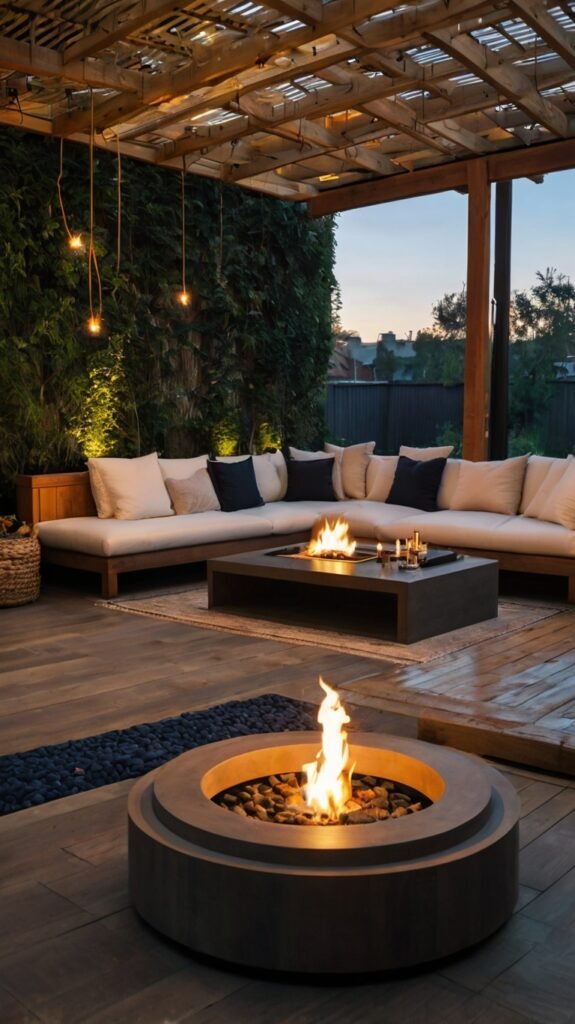
Sunken outdoor seating areas have become one of the most coveted backyard features in recent years, and a built-in gas fireplace takes the concept even further. Dropping the seating a step or two below the main patio level naturally cuts wind, creates a sense of enclosure, and gives the area its own distinct identity.
Built-in benches with weatherproof cushions and a central gas burner make this feel like a proper outdoor room. Add a few lanterns at the perimeter and it becomes somewhere people genuinely linger.
6. Coastal Beach-Inspired Fireplace — Breezy and Relaxed

You do not need to live by the ocean to bring a coastal atmosphere to your garden. White-washed stone cladding, driftwood accents, sandy gravel paths, and a low-profile gas fireplace combine to create that easy, sun-warmed beach feeling.
Adirondack chairs in weathered teak, soft navy cushions, and a string of warm Edison bulbs overhead complete the picture. It is the kind of space that naturally makes everyone slow down and stay a little longer.
7. Wall-Mounted Gas Fireplace — Space-Saving Elegance

Not every backyard is spacious, and a wall-mounted gas fireplace is a brilliant solution for smaller patios, urban terraces, or balconies. Mounted directly to an exterior wall, it takes up zero floor space while delivering real warmth and genuine visual presence.
A textured surface behind it — exposed brick, corten steel panels, or rough-sawn timber — amplifies the effect significantly. The result looks considered and intentional rather than like an afterthought.
8. Pergola with Fireplace — A Covered Retreat for All Seasons

Positioning a gas fireplace beneath a pergola solves one of the great frustrations of outdoor living: the weather. A sturdy overhead structure cuts wind and provides partial shelter from light rain, while the fireplace keeps the temperature comfortable well into autumn and early winter.
Add climbing plants like wisteria or star jasmine to soften the structure, hang some warm lights, choose generous cushioned seating, and you will have built an outdoor room that genuinely competes with anything inside your home.
9. Industrial Metal Fireplace — Bold and Confident

Industrial style has made a strong case for itself in outdoor design, and a metal-clad gas fireplace is one of its best expressions. Black powder-coated steel or brushed copper finishes give a raw, assured look that pairs naturally with exposed brick, poured concrete flooring, and angular furniture.
It is a statement that communicates a clear point of view. This style works particularly well in urban gardens, converted commercial spaces, and contemporary new builds that lean into texture and contrast.
10. Dual-Sided Fireplace — One Fire, Two Spaces

A two-sided gas fireplace is an ingenious way to divide a large outdoor area without building a solid wall. It can separate a dining zone from a lounge area while still letting both sides share the warmth and atmosphere of the fire — a particularly good trick on wide terraces or large decks.
Glass panels on both faces keep the design open and airy. If you want to add structure to a big open space without sacrificing the sense of freedom, this is the idea worth exploring first.
11. Fire and Water Feature Combination — A True Showstopper

Pairing a gas fireplace with a water feature — a cascading wall fountain, a still reflection pool, or a narrow rill — creates one of the most visually arresting backyard combinations possible. Flickering orange flames against the movement and sound of water is genuinely captivating.
This is the kind of feature that draws people in from the other side of the garden. It takes more planning and budget than most of the ideas on this list, but the result is a centrepiece that elevates the entire property.
12. Mediterranean-Inspired Fireplace — Warm, Earthy, Transported
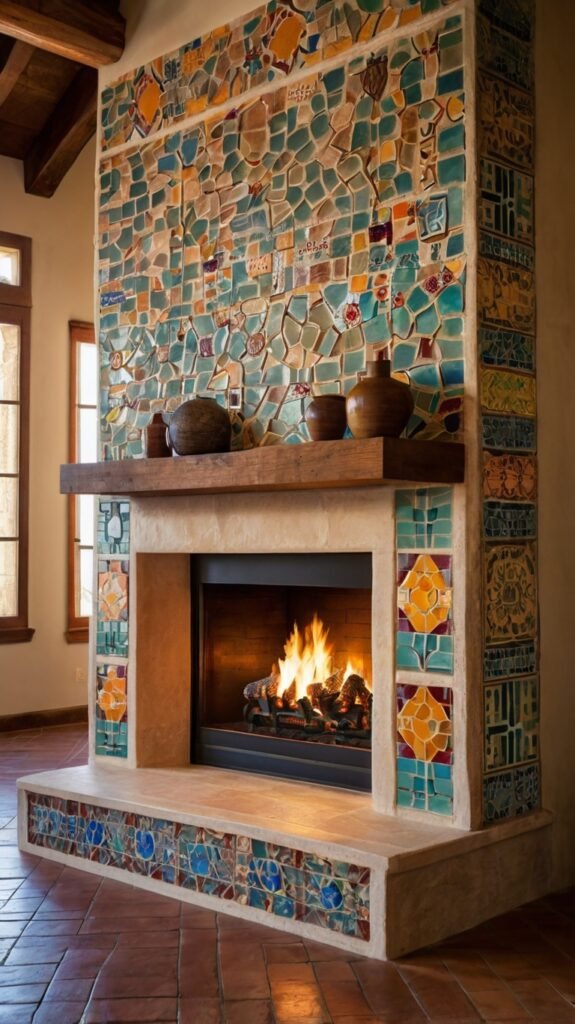
Stucco finishes, hand-painted ceramic tiles, arched openings, and terracotta accents — a Mediterranean-style outdoor gas fireplace brings the flavour of a sun-drenched European courtyard directly to your garden. The colour palette leans toward warm ochres, soft creams, and burnt sienna, all of which glow beautifully in firelight.
Wrought iron furniture, potted rosemary and lavender, and a few clay pots complete the picture. It is one of those styles that feels genuinely transported — you stop noticing where you actually are.
13. Built-In Bench Surround — Seating and Fire as One

Designing built-in seating that wraps around or faces a gas fireplace is one of the most efficient things you can do with outdoor space. You get generous seating without free-standing furniture cluttering the area, and the result looks cohesive and intentional rather than assembled from different sources.
Stone or poured concrete gives a sleek, permanent feel; timber benches are warmer and more traditional. Either way, add weather-rated cushions and you have created a space that practically builds community on its own.
14. Rooftop Gas Fireplace — Urban Living, Elevated

City dwellers with rooftop access have something genuinely special available to them: a rooftop gas fireplace paired with panoramic city views creates a setting that feels exclusive and cinematic at the same time.
Weight constraints and gas line access are real considerations on rooftops, so working with a specialist installer from the start is essential. But for those who can make it work, a rooftop fireplace may be the single most dramatic outdoor feature available in an urban context.
15. Portable Gas Fire Pit — Flexibility First
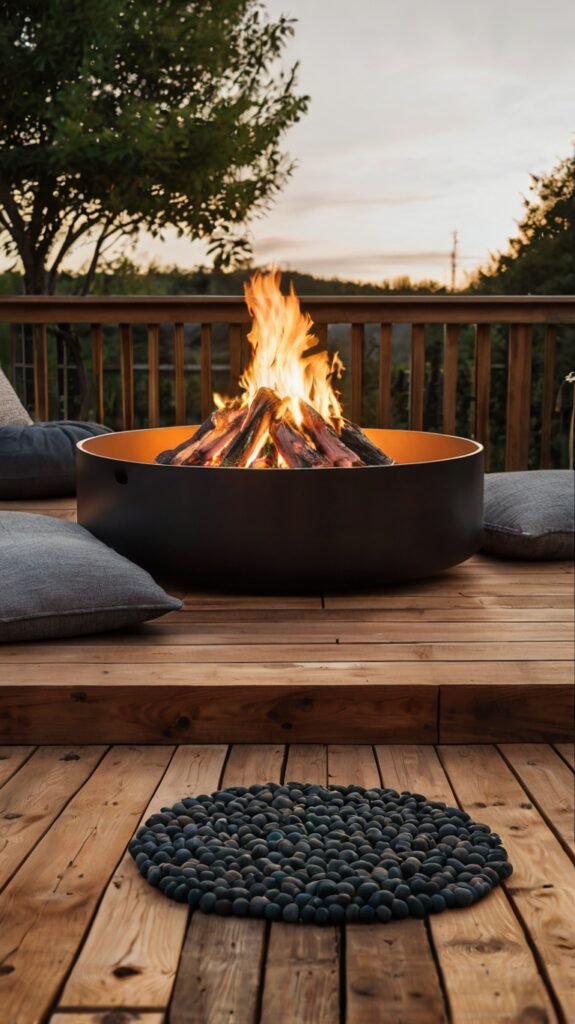
Not every fireplace needs to be a permanent fixture. Portable gas fire pits connect to a standard propane tank and can be moved wherever warmth is needed — on the deck, by the pool, out in the garden, or brought inside a sheltered area in bad weather.
They are ideal for renters, for people who frequently rearrange their outdoor space, or simply for those who want an accessible entry point into outdoor gas fire without committing to full installation. Many modern designs are genuinely attractive, so flexibility does not have to come at the cost of style.
16. Gazebo with Central Fireplace — Cosy All Year Round
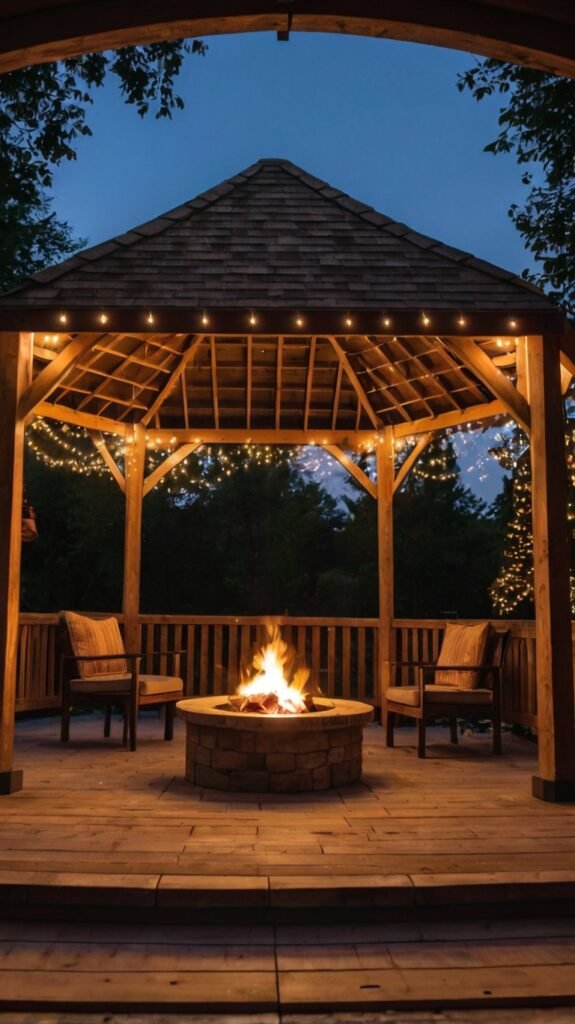
A gazebo already creates a sense of destination and enclosure in a garden. Add a gas fireplace at its centre or along one wall, and it becomes a proper outdoor room that you can realistically use twelve months a year. The structure shelters from wind and rain while the fire provides warmth.
Add curtains for extra weather protection, string lights for atmosphere, and a small side table for drinks, and you have created an outdoor space that can genuinely match any indoor room for comfort and mood.
17. Japanese Zen Fireplace — Tranquility by Design

For anyone drawn to serenity and considered simplicity, a Zen-inspired outdoor gas fireplace is deeply appealing. The design language focuses on natural materials, asymmetry, and restraint: smooth dark stone, carefully raked gravel, a low and understated burner, and bamboo softening the edges.
This is not a space designed for parties. It is somewhere to sit quietly, breathe slowly, and let the day go. Bonsai trees, a small water bowl, and deliberately placed rocks complete a composition that feels intentional in every detail.
What to Think About Before You Buy
Before committing to a specific design, work through these practical considerations — they will save you significant time and money further down the line.
Gas Supply: Natural Gas vs Propane
Natural gas requires a permanent line run from your home to the fireplace location. It is the most convenient option for a fixed installation because you never need to think about refilling anything. Propane stores in a tank nearby and is more flexible, but you need to monitor levels and arrange refills. For permanent built-in fireplaces, most homeowners prefer natural gas. For portable units, propane is usually the only practical choice.
Heat Output: Getting the BTUs Right
BTU (British Thermal Unit) ratings tell you how much heat a fireplace produces. For open or exposed outdoor spaces, look for at least 40,000 to 60,000 BTUs. For sheltered or smaller areas like a covered pergola or a compact terrace, lower output is perfectly adequate and more economical to run. Oversizing is a common mistake — a very high-BTU unit in a small enclosed space can become uncomfortably hot.
Ignition: Manual, Electronic, or Smart
Manual ignition systems are simpler and less expensive. Electronic ignition offers push-button or remote-control convenience. Some premium units integrate with smart home systems, allowing you to adjust the flame from your phone. For most residential installations, electronic ignition strikes the right balance of convenience and reliability.
Materials and Weather Resistance
For any outdoor installation, material choice matters enormously. Natural stone, poured concrete, and corten steel all perform well through seasonal changes. Make sure any metal components are rated for outdoor use, and that any timber elements in the surrounding structure are properly treated. Cheaper materials can degrade quickly when exposed to rain, frost, and UV light year-round.
Permits and Professional Installation
This one is non-negotiable. In most jurisdictions, gas fireplace installation requires a licensed gas fitter and, in many cases, a building permit. Always check local regulations before you start planning, and never attempt DIY gas work — it is illegal in most places and genuinely dangerous. Budget for professional installation from the beginning; it is not an optional extra.
Keeping Your Gas Fireplace in Great Shape
One of the genuine selling points of a gas fireplace is how little maintenance it demands compared to wood-burning alternatives. A small amount of routine care, however, goes a long way toward keeping it safe and looking its best.
- Annual servicing: Have a qualified technician inspect the gas connections, burner, and ignition system once a year. This catches any issues before they become safety problems and keeps your warranty valid.
- Cover it when not in use: A weather-rated cover protects the burner and any glass panels from debris, moisture, and UV damage during long periods without use — particularly over winter.
- Clean the glass regularly: If your unit has glass panels, use a specialist fireplace glass cleaner. Standard window cleaner leaves a residue that discolours under heat and is difficult to remove.
- Check for obstructions: Before lighting each season, visually inspect the burner area for leaves, insect nests, or debris that may have accumulated. A blocked burner is a fire hazard.
Frequently Asked Questions
Are outdoor gas fireplaces safe?
Yes, when properly installed and maintained by qualified professionals. Gas fireplaces have multiple built-in safety features, including automatic shut-off valves and flame failure detection. The key is professional installation and annual servicing — both of which are non-negotiable.
How much does an outdoor gas fireplace cost?
Costs vary significantly by design and complexity. A portable propane fire pit might cost a few hundred dollars. A fully custom built-in outdoor fireplace with premium stone cladding and a natural gas connection could run into the thousands or tens of thousands, including installation. Most mid-range permanent installations fall somewhere between $3,000 and $10,000 fully installed.
Can an outdoor gas fireplace be used in winter?
Absolutely — that is often the whole point. Gas fireplaces perform reliably in cold weather and are frequently the feature that allows homeowners to use their outdoor spaces comfortably through autumn and into winter. A covered installation, such as under a pergola or inside a gazebo, extends comfortable use further still.
Can I convert an existing wood fireplace to gas?
In many cases, yes. Conversion kits are available for existing outdoor wood fireplaces, and a licensed gas fitter can assess whether your existing structure is suitable. The main considerations are the condition of the firebox, the proximity of a gas supply, and local building regulations.
Final Thoughts
An outdoor gas fireplace is one of those additions that changes how you actually use your backyard — not just how it looks. Once you have one, you find yourself outside on evenings you would have stayed in, entertaining on nights that once felt too cool, and genuinely enjoying a space that might otherwise sit empty for half the year.
The right design depends entirely on your space, your personal style, and your budget. Whether you are drawn to the drama of a dual-sided glass fireplace, the calm of a Zen-inspired corner burner, or the practicality of a portable propane unit, there is genuinely something in this list for every backyard and every homeowner.
Take your time, think carefully about how you actually want to use the space, and invest in good professional advice during the planning and installation phase. Get those decisions right, and the payoff — warm, glowing evenings in a backyard you love — is absolutely worth it.