
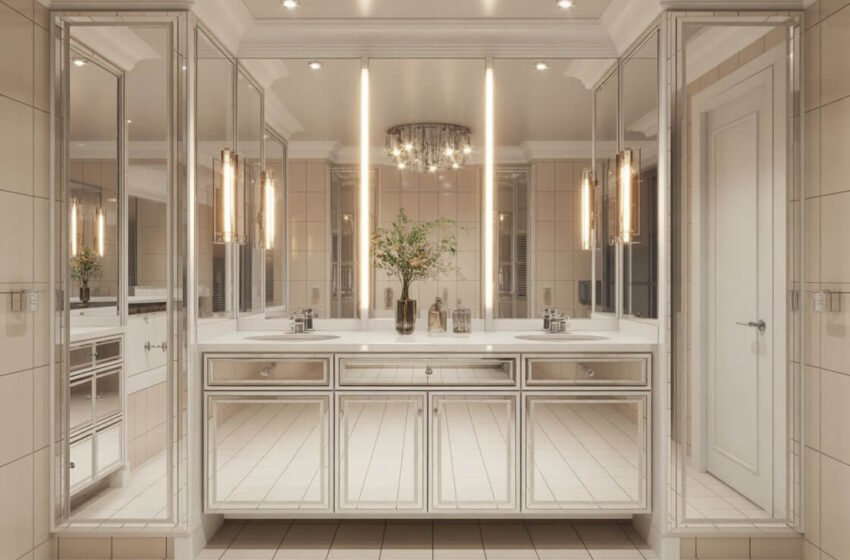
Let’s be real — your bathroom vanity is doing a lot of heavy lifting. It’s the first thing you face in the morning and the last thing you see at night. It holds your skincare products, your toothbrush, your hair tools, and probably a collection of things you haven’t used in two years. And yet, most of us are still working with that beige, builder-grade cabinet that came with the house.
Here’s the thing: updating your bathroom vanity doesn’t have to mean a full renovation or a bank-breaking budget. Whether you’re renting, renovating, or simply refreshing, there’s a vanity style out there that fits your space, your lifestyle, and yes — your wallet. In this guide, we’re breaking down 20 creative and practical bathroom vanity ideas that range from budget-friendly DIY upgrades to full statement installs. Let’s get into it.
Why Your Bathroom Vanity Matters More Than You Think
Think of your bathroom vanity as the anchor of the entire room. It sets the tone — the style, the color palette, the mood. A well-chosen vanity can make a cramped bathroom feel airy and open, or give a large bathroom the warmth and personality it needs. More practically speaking, it determines how organized (or chaotic) your mornings are.
Beyond aesthetics, a good vanity offers smart storage, functional countertop space, and proper plumbing integration. When you get all three of those things right, the bathroom becomes one of the most pleasant rooms in the house. That’s the goal here.
1. Floating Vanity — The Illusion of More Space
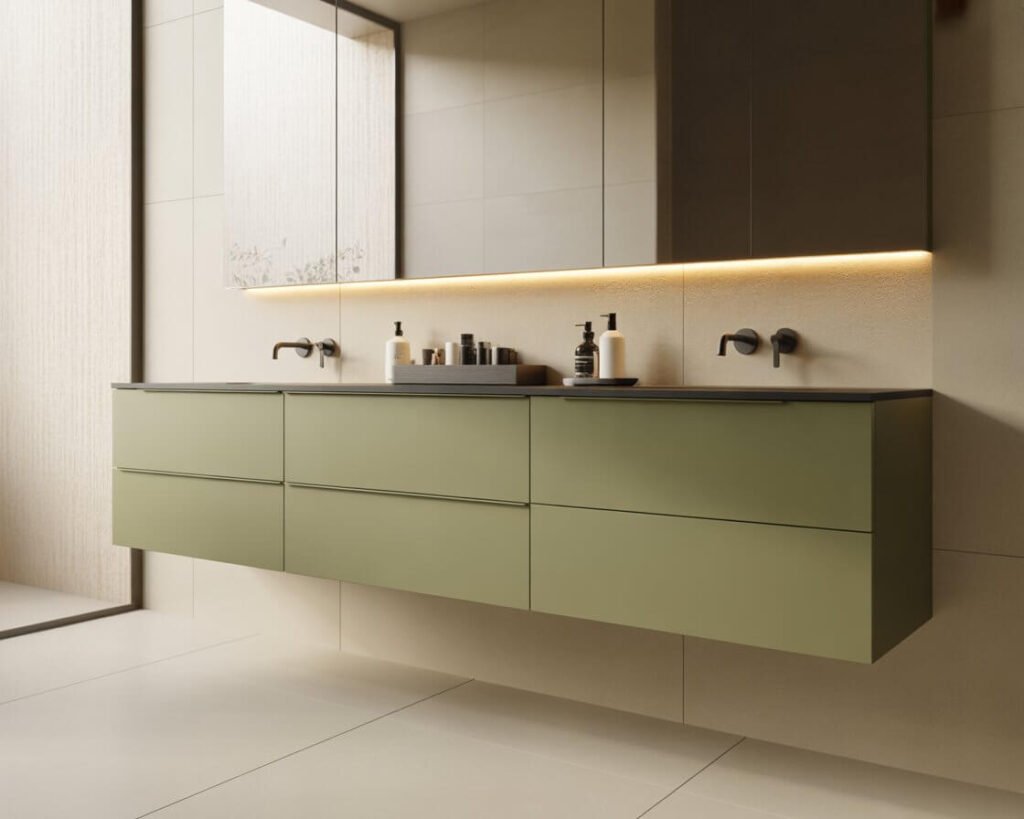
If your bathroom feels a little tight, a floating (or wall-mounted) vanity is one of the smartest moves you can make. By lifting the cabinet off the floor, you visually open up the space underneath, which tricks the eye into thinking the room is larger than it actually is.
Floating vanities also make cleaning the floor significantly easier — no more bending and maneuvering around cabinet legs. And when paired with LED strip lighting underneath, they create this gorgeous ambient glow that feels expensive without breaking the budget.
What makes this style work:
- Handleless drawers with push-to-open hardware for a sleek look
- Wall-mounted faucets to keep the counter visually clean
- Matte black or brushed brass hardware for a modern edge
- A consistent finish from counter to wall for seamless style
One heads-up: floating vanities need solid wall backing — concrete or blocking between studs. If you’re not handy with structural work, budget for a contractor. The result is absolutely worth it.
2. Double Sink Vanity — For Homes That Actually Share a Bathroom
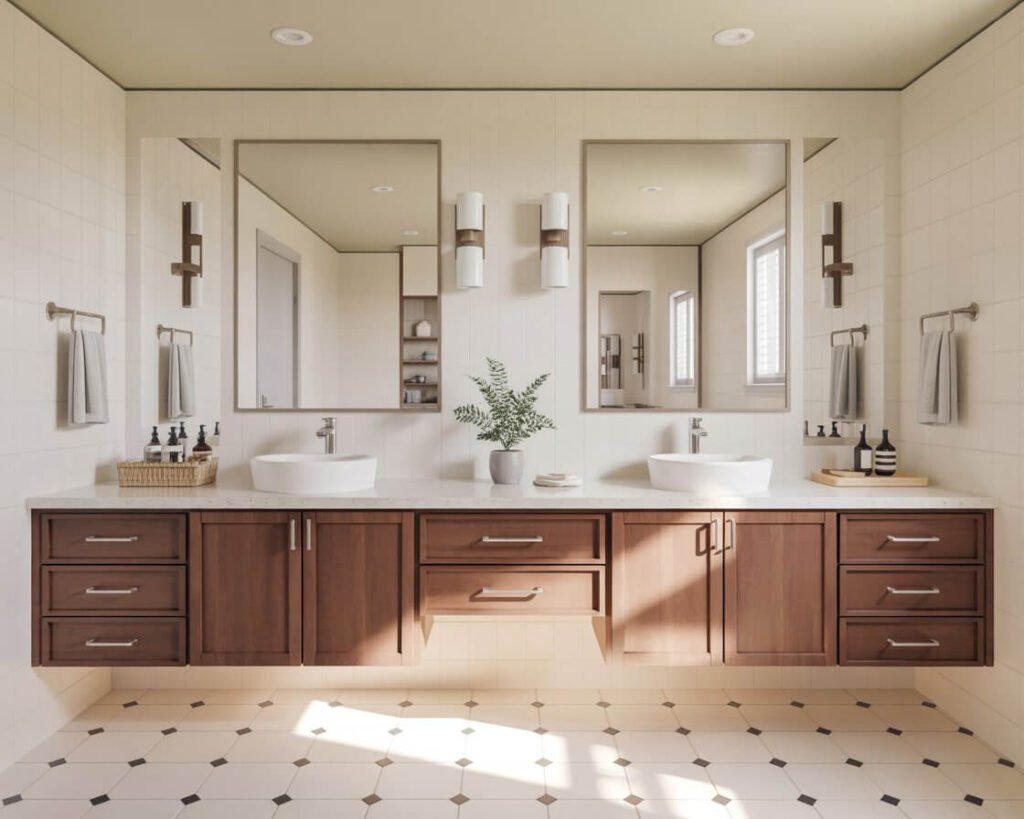
If you share a bathroom with a partner, family member, or roommate, a double sink vanity isn’t a luxury — it’s a sanity saver. The morning rush becomes a coordinated routine instead of a competition for mirror time.
The magic minimum is 60 inches wide, though 72 inches is the sweet spot if you want real elbow room and storage between the two sinks. You’ll also want to think through the plumbing carefully, as double sinks require additional supply lines and drain configurations.
Configuration ideas:
- Symmetrical his-and-hers setups with matching drawer stacks on each side
- One long countertop with two vessel sinks — great for contemporary spaces
- Asymmetrical designs with one sink offset to maximize counter space on one side
- Built-in dividers or different finish zones to give each person their own territory
Bonus: a double vanity instantly adds resale value to your home. Buyers consistently rank bathroom storage and dual sinks as top priorities.
3. Vintage Dresser Turned Vanity — The One-of-a-Kind Statement Piece
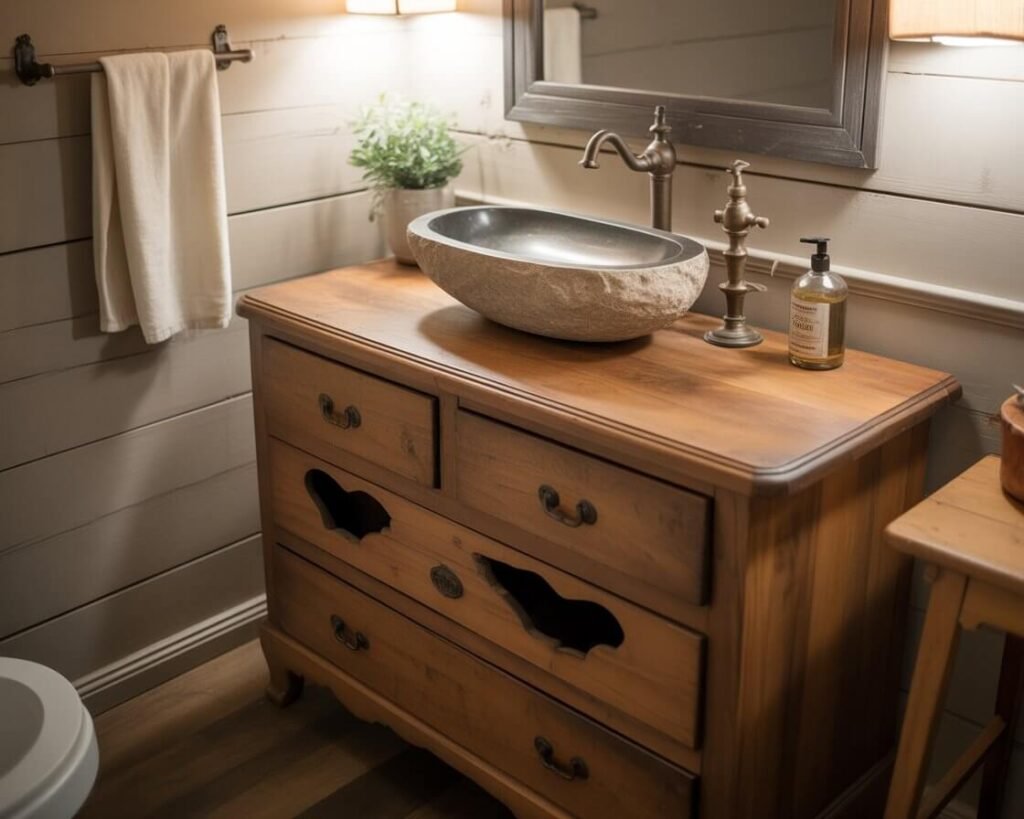
This is one of those ideas that sounds quirky until you see it done well — and then you immediately want to try it yourself. Converting an antique or vintage dresser into a bathroom vanity produces a result that no big-box store can replicate. It’s genuinely unique, often sustainable, and usually more affordable than buying a new custom vanity.
The key is finding the right dresser. Solid wood construction is non-negotiable — particleboard won’t survive a humid bathroom environment. You’ll want a piece that’s at least 18 inches deep to accommodate a standard sink, and roughly 30 to 36 inches tall to hit a comfortable working height.
Conversion checklist:
- Seal the wood with at least two or three coats of waterproof finish
- Cut a template for the sink opening before committing
- Use flexible plumbing connectors to navigate around existing drawer frames
- Add legs or feet if the original ones are too short or unstable
Thrift stores, estate sales, and Facebook Marketplace are goldmines for this kind of project. Don’t overlook pieces that need paint — that’s just an opportunity to choose your own color.
4. Minimalist Vanity with Open Shelving — Calm, Clean, and Clutter-Free
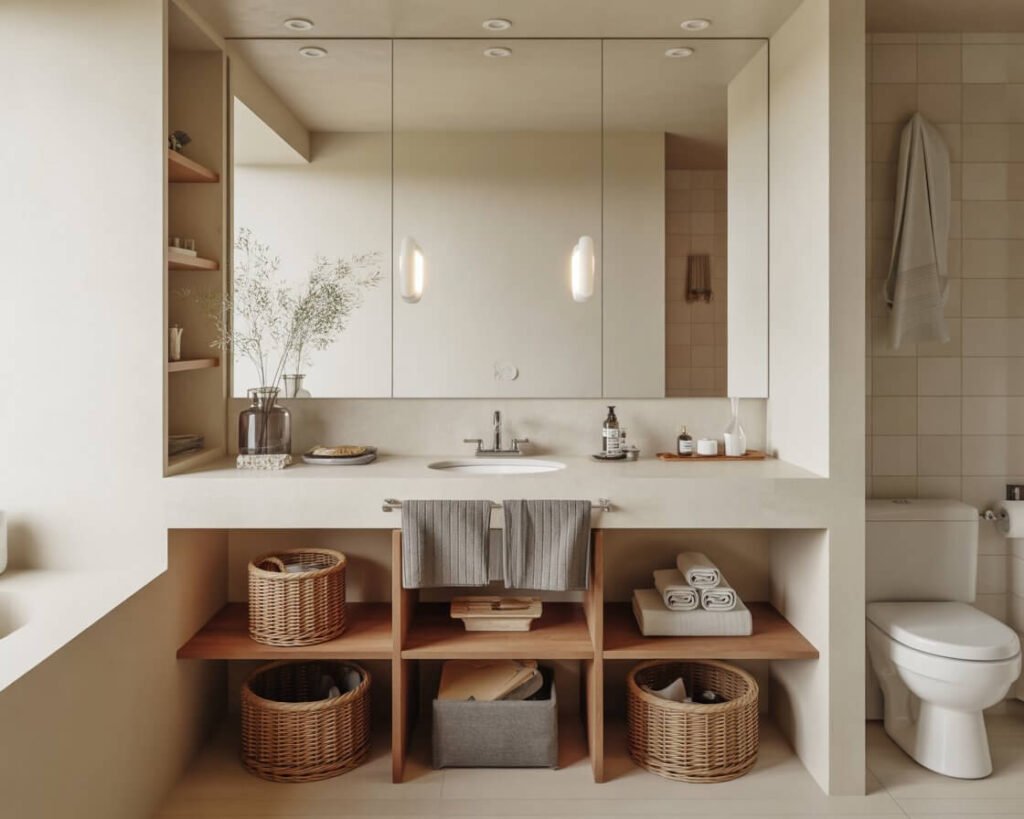
There’s a reason spas always use open shelving: it creates a sense of calm and intention. A minimalist vanity with open shelving below forces you to curate what you actually keep in your bathroom, which is honestly a healthy exercise for all of us.
This style works beautifully in Scandinavian, Japanese-inspired, or contemporary interiors. The visual openness makes small bathrooms feel less cramped, and neatly displayed towels or baskets add texture without chaos.
Tips for pulling it off:
- Stick to a tight, cohesive color palette — white, warm gray, natural wood tones
- Use identical containers or baskets for toiletries to unify the look
- Only display your most photogenic everyday items on open shelves
- Keep backup supplies in a closed cabinet or linen closet elsewhere
The secret to open shelving looking good long-term? Treat it like a display, not a dump zone. Only keep out what you love and actually use daily.
5. Rustic Wood Vanity — Warmth, Character, and Timeless Appeal
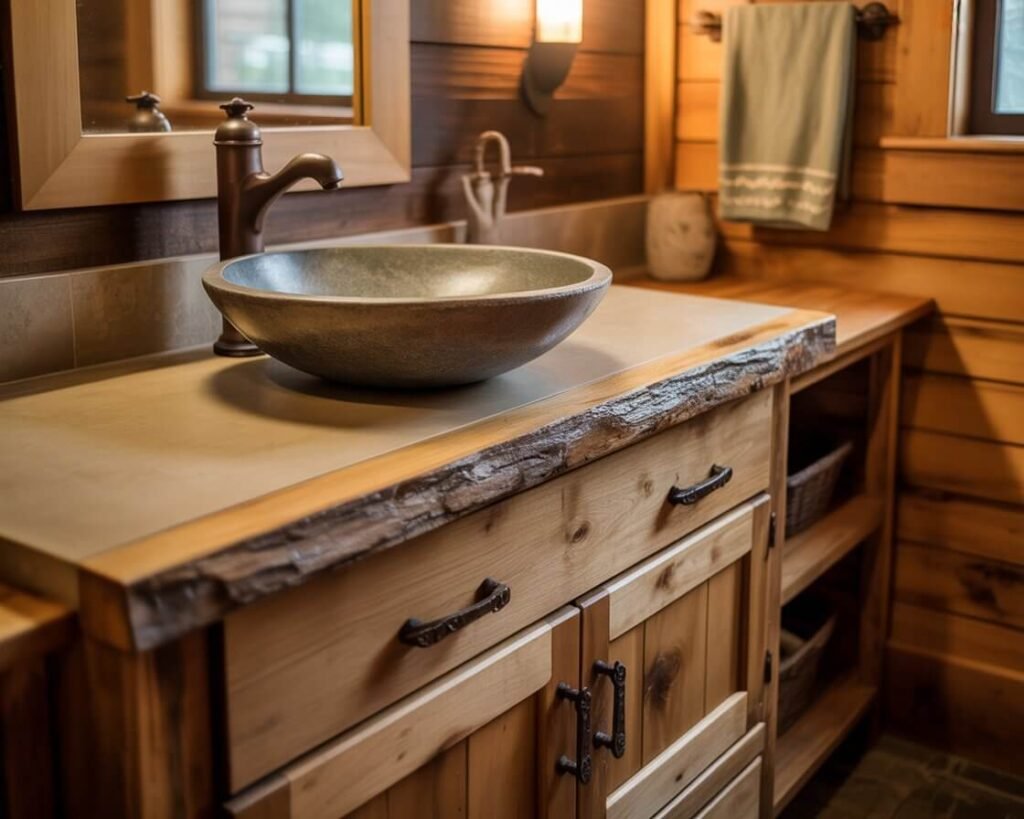
A rustic wood vanity brings something that polished, modern finishes simply can’t: warmth. The grain, the knots, the natural variation — every piece tells its own story. Whether you’re working with reclaimed barn wood, live-edge slabs, or distressed pine, the result feels grounded and inviting in a way that manufactured materials rarely achieve.
Another underrated perk of rustic vanities? They hide wear beautifully. Small scratches and water marks just blend into the natural character of the wood rather than standing out as eyesores.
What to prioritize:
- Thick countertops of at least 2 inches for presence and durability
- Low-sheen or matte finishes that let the wood grain breathe
- Wrought iron, oil-rubbed bronze, or blackened steel hardware
- A stone or ceramic undermount sink to contrast the organic wood
- Marine-grade polyurethane sealer — minimum three coats — to protect against moisture
6. Compact Vanity for Small Bathrooms — Big Style in Tight Spaces
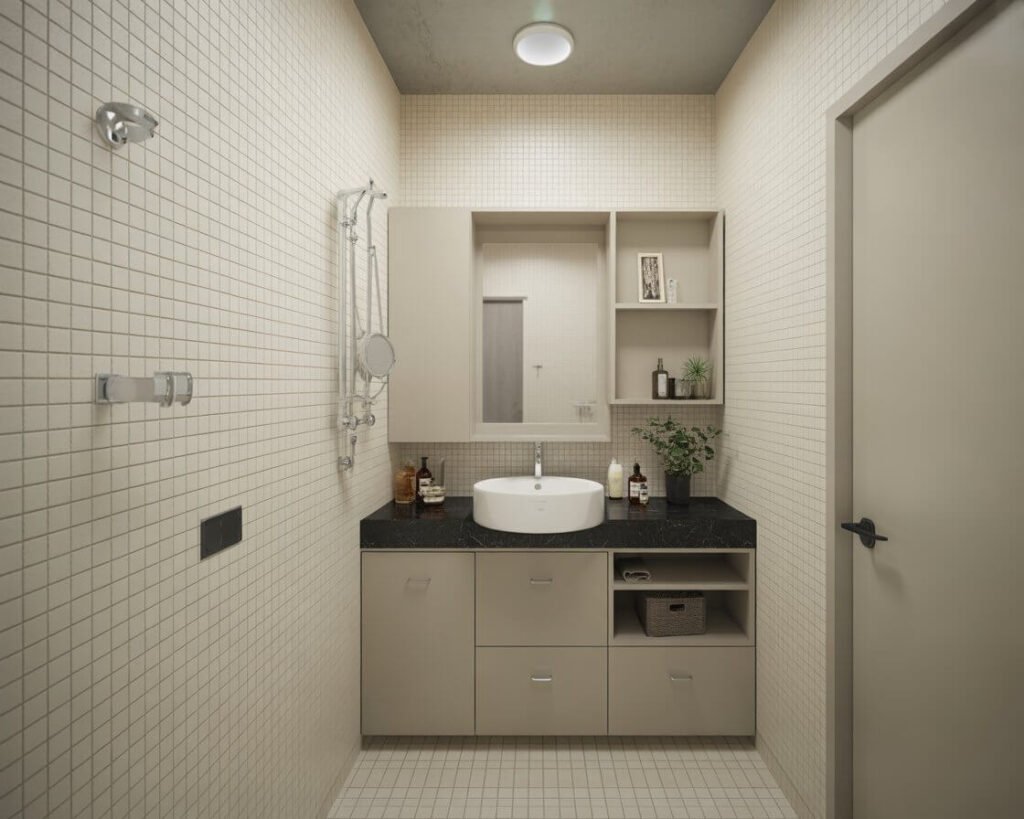
Small bathroom? Same. You’re definitely not alone — and the good news is that compact vanity options have never been better. The design world has fully embraced the challenge of tiny bathrooms, and there are now genuinely stylish solutions for even the most cramped powder rooms.
The goal is to maximize every inch without making the space feel cluttered. That means thinking vertically as well as horizontally, and being smart about what functions your vanity absolutely needs to serve.
Smart strategies for small-space vanities:
- Wall-mounted options free up floor space and make the room feel larger
- Corner sinks and vanities use dead space that’s often completely wasted
- Narrow-depth vanities (14 to 16 inches) can still include a drawer and a usable sink
- Mirror cabinets above the vanity double your storage without taking any floor space
- Pedestal sinks with wrap-around shelving units offer a good balance of style and function
The biggest mistake people make with small bathrooms is going too small with the vanity out of fear. A properly scaled vanity that fits the space confidently will always look better than one that feels apologetically tiny.
7. Vessel Sink Vanity — Instant Spa-Hotel Energy
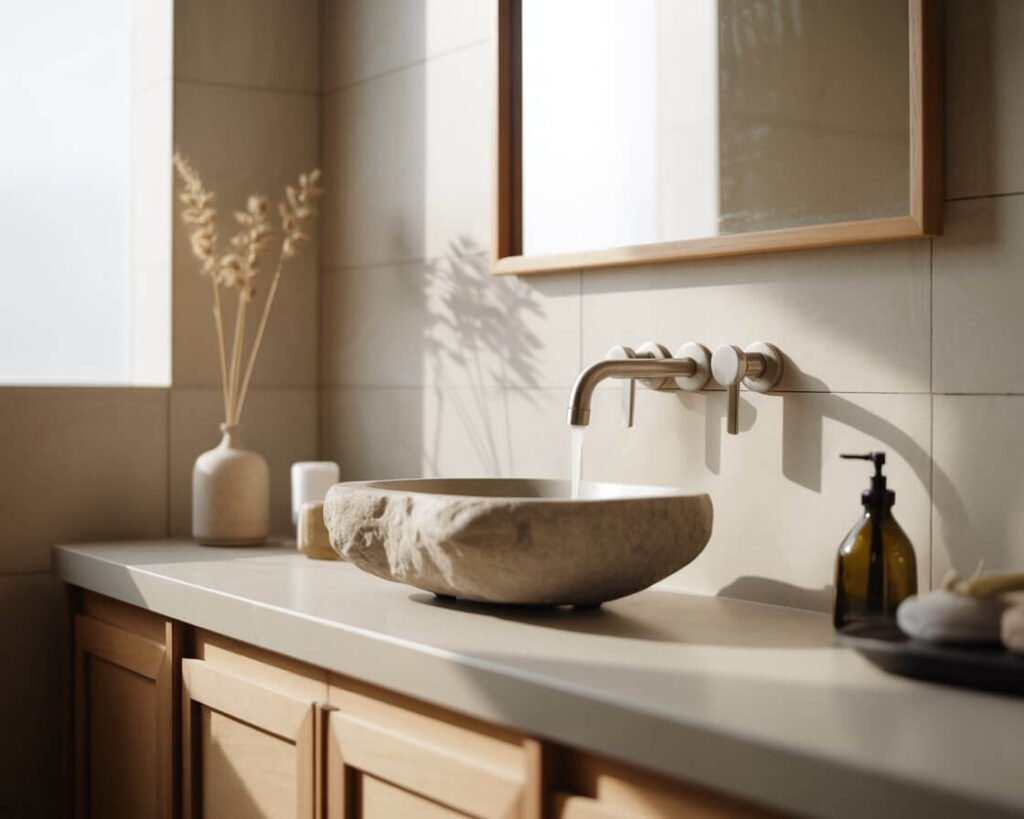
Few bathroom updates are as immediately striking as a vessel sink. Sitting on top of the counter rather than dropping below it, vessel sinks function almost like sculptural objects — decorative and functional at the same time. The range of materials is incredible: stone, hand-blown glass, hammered copper, sleek white ceramic.
Because vessel sinks add height, the vanity cabinet underneath should be slightly shorter than standard — aim for 30 to 32 inches versus the usual 34 to 36. This keeps the total working height comfortable and prevents you from hunching over awkwardly.
Making vessel sinks work:
- Pair with a wall-mounted or tall-necked faucet to match the sink height
- Keep countertop accessories minimal — the sink itself is the focal point
- Choose a stone or concrete counter to complement natural material sinks
- Stone sinks are gorgeous but heavy — confirm your vanity can support the weight
Fair warning: vessel sinks splash more than undermount styles. Keep a hand towel nearby, and embrace the high-maintenance aesthetic as part of the overall luxury experience.
8. Industrial-Style Vanity — Raw, Cool, and Surprisingly Affordable
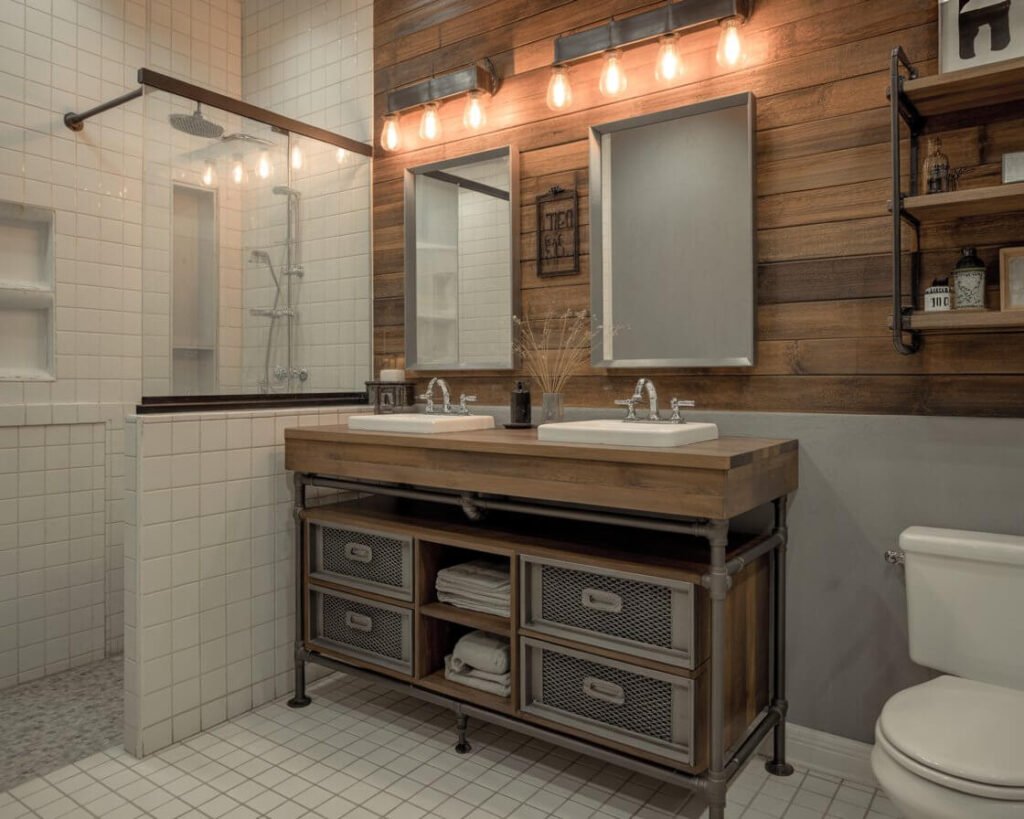
Industrial bathroom design borrows from factory lofts and urban warehouses — exposed metal, raw materials, and a general sense that function is form. The result is a look that feels both tough and effortlessly sophisticated.
What makes industrial vanities especially appealing is that the core materials — black iron pipes, raw wood, concrete — are often cheaper than traditional cabinetry. You can build a genuinely impressive industrial vanity on a modest budget if you’re willing to do some of the work yourself.
Essential industrial elements:
- Black pipe frameworks or hairpin legs instead of traditional cabinet bases
- Concrete, reclaimed wood, or dark stone countertops
- Edison bulb sconces or exposed filament lighting
- Open shelving with metal mesh baskets
- Matte black or gunmetal fixtures throughout
9. Farmhouse Vanity — Classic Charm with Modern Function
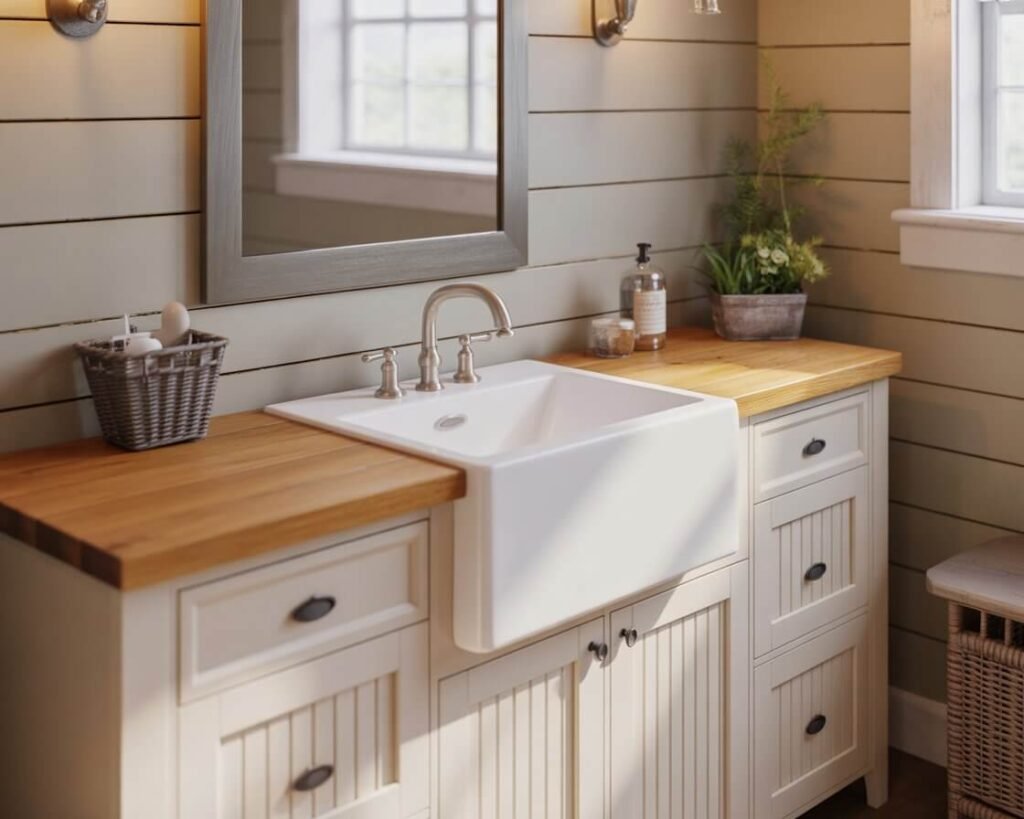
Farmhouse style continues to earn its popularity because it genuinely works in a wide variety of homes. It’s warm without being fussy, traditional without being dated, and approachable in a way that feels lived-in rather than staged.
A farmhouse vanity typically features furniture-style construction, shaker-style door and drawer fronts, and a mix of painted wood and natural materials. The aesthetic pairs beautifully with subway tile, shiplap walls, apron-front sinks, and bridge-style faucets.
Getting the farmhouse balance right:
- White or soft cream paint with a natural wood or butcher block countertop
- Bridge faucets in brushed nickel or unlacquered brass
- Shaker-style cabinet doors with simple, period-appropriate hardware
- Shiplap or beadboard as a vanity backsplash for texture without complexity
One word of caution: the farmhouse aesthetic is easy to oversaturate. A few intentional pieces — the right faucet, the right mirror, the right hardware — go much further than covering every surface in matching accessories.
10. Mirrored Vanity — Light, Glamour, and Visual Space
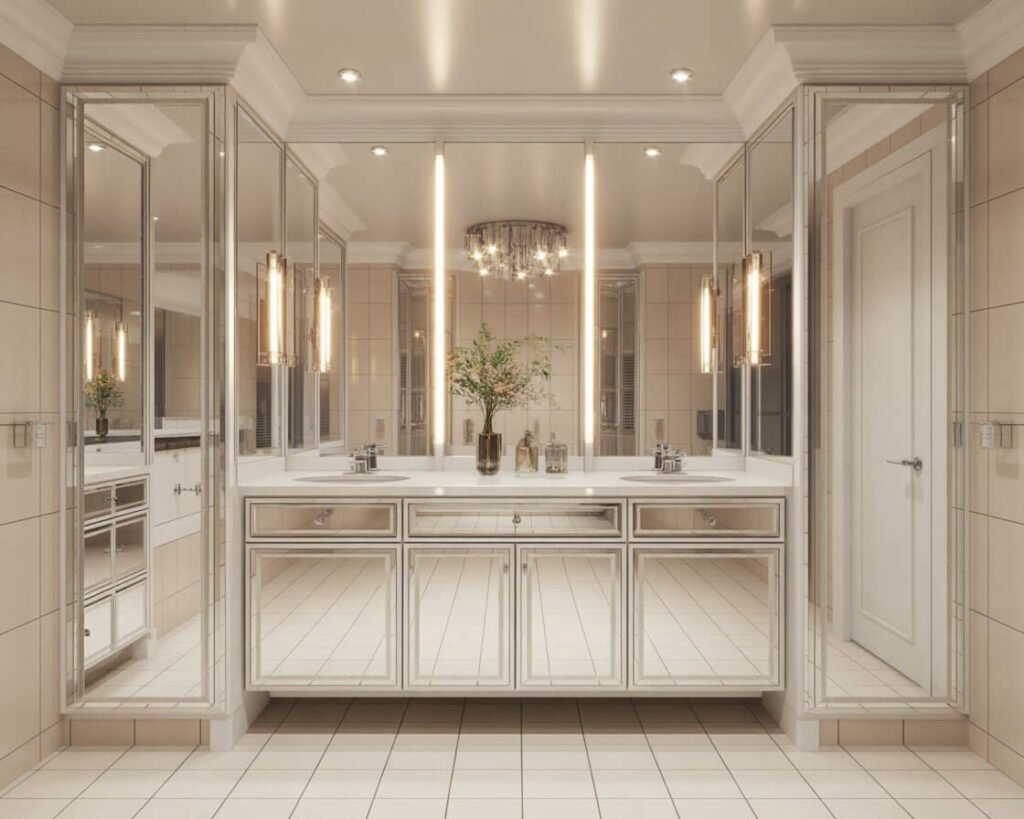
Mirrored surfaces reflect light in ways that genuinely change the feel of a room. A mirrored vanity front turns a dark, enclosed bathroom into something that feels bright and expansive. It also adds an undeniable touch of old Hollywood glamour that’s hard to replicate with any other material.
Mirrored vanities work particularly well in formal powder rooms and primary bathrooms where you want to make a statement. They pair beautifully with crystal hardware, marble countertops, and layered lighting.
Key tips for mirrored vanities:
- Choose smoked or antiqued mirror glass for a warmer, less clinical look
- Layer lighting — sconces plus overhead — to maximize the reflective effect
- Keep the surrounding palette soft and neutral so the mirror remains the focus
- Clean with microfiber cloths and avoid harsh sprays near mirror edges
11. Concrete Vanity — The Designer’s Secret Weapon
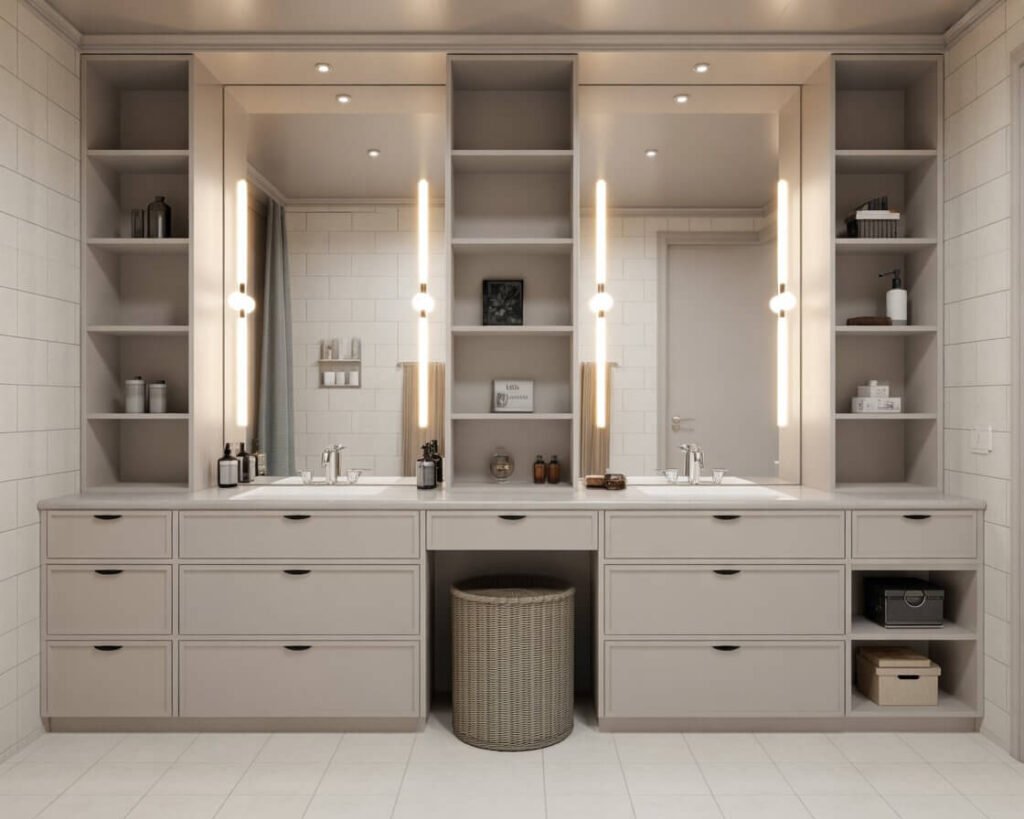
Concrete has made its way from industrial floors and kitchen countertops into bathroom vanities, and it’s easy to see why. The material has a raw, sophisticated quality that pairs equally well with minimalist and rustic interiors. No two concrete surfaces are exactly alike, which gives each installation a custom, one-of-a-kind character.
Concrete vanities can be cast in place or prefabricated in panels. Both options require proper sealing to resist moisture and staining. With the right care, concrete ages beautifully — developing a subtle patina over time that only adds to its appeal.
Working with concrete:
- Seal with a penetrating sealer, then a topcoat — reseal annually for best results
- Expect minor hairline cracks over time; they’re part of the material’s character
- Pair with warm wood elements or brass fixtures to prevent a cold, sterile feel
- Integral sinks (cast as part of the counter) eliminate seams and look stunning
12. Two-Tone Vanity — Bold, Stylish, and Endlessly Customizable
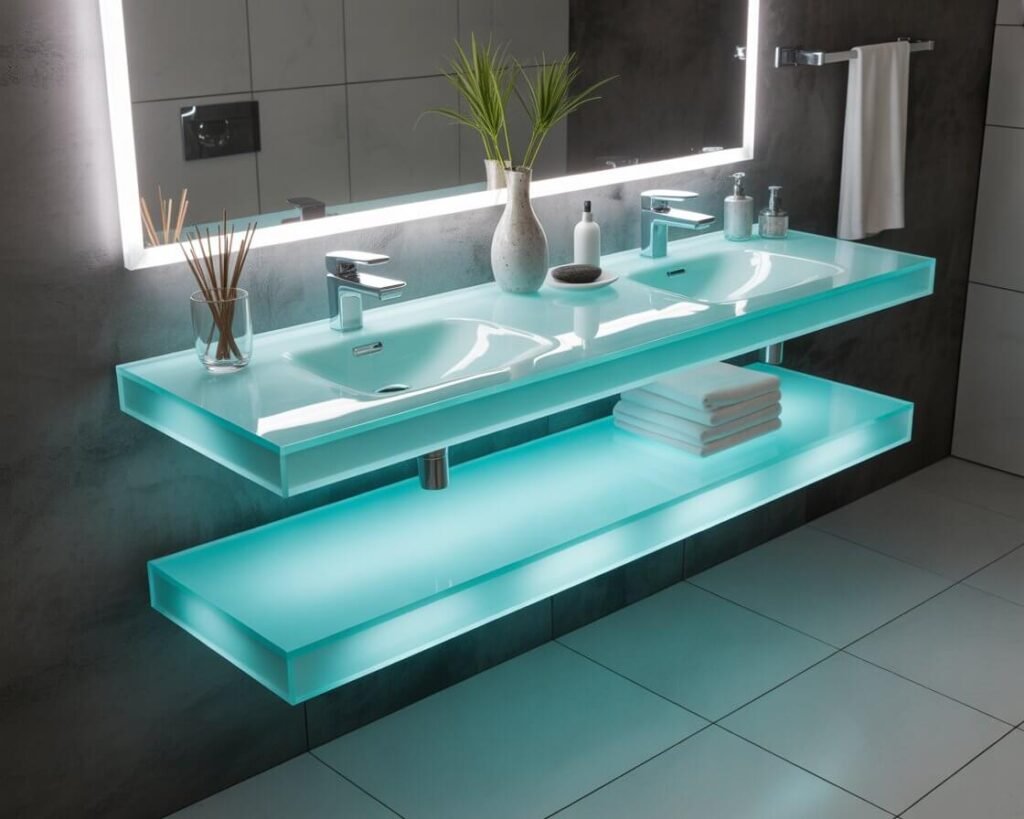
One of the biggest vanity trends in recent years is the two-tone finish: a different color on the base cabinet than on the upper drawers, or a contrasting countertop that plays against the cabinet below. The result feels intentional and custom without requiring any actual custom work.
Classic two-tone combinations include navy lower cabinets with white upper drawers, a walnut wood base with white-painted upper section, or matte black hardware against a sage green cabinet. The key is making sure the two tones share at least one element in common — undertone, finish level, or style family.
Two-tone combinations that always work:
- White uppers, charcoal or navy lowers
- Natural wood base with painted upper cabinets in a complementary earthy tone
- Warm greige cabinet with a white Carrara marble or quartz countertop
- Black lower cabinet with brushed brass hardware and a light stone top
13. Bathroom Vanity with Side Tower Storage — Maximum Organization
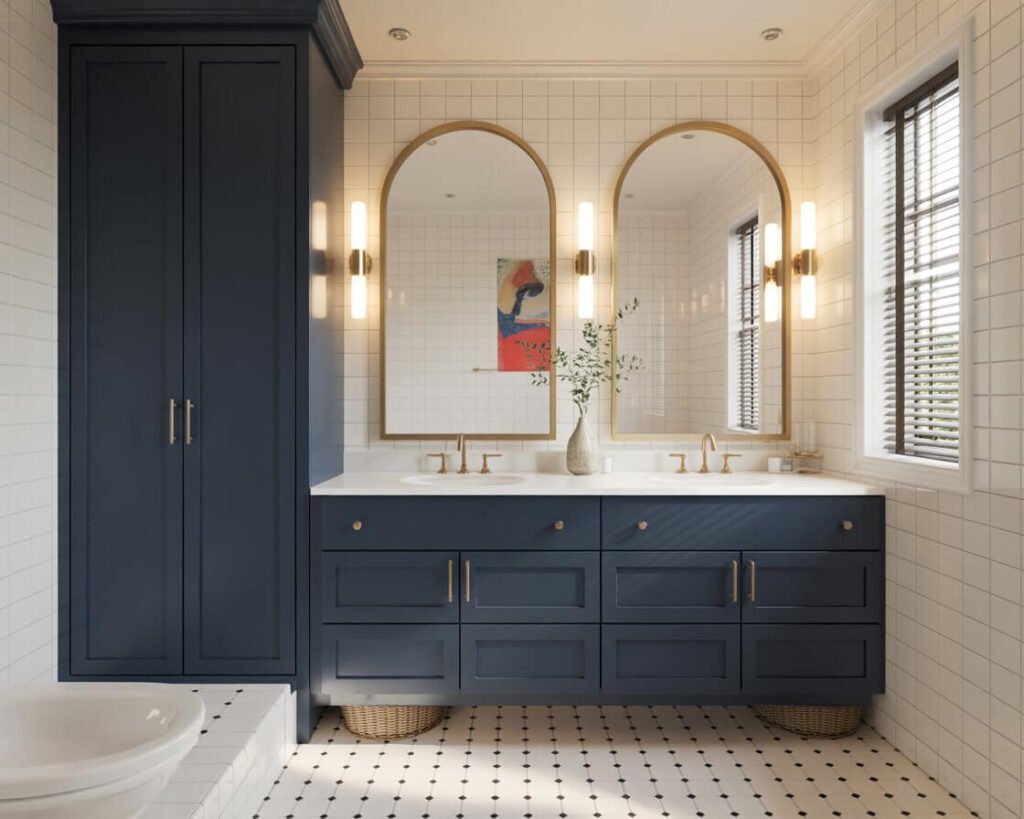
If storage is your biggest bathroom pain point, a vanity with an integrated side tower is a game-changer. The tall tower column sits directly beside the main vanity cabinet, providing vertical storage for towels, toiletries, cleaning supplies, and anything else cluttering your bathroom.
This configuration works particularly well in medium-to-large bathrooms where you have the wall space to accommodate it. The visual effect is substantial and purposeful — it looks like a built-in, even when it’s not.
Tower storage strategies:
- Adjustable shelves allow you to customize storage for changing needs
- Pull-out drawers inside the tower keep small items accessible but contained
- Open top shelves for display, closed bottom cabinets for supplies
- Match finish and hardware exactly to the main vanity for a seamless look
14. Painted Vanity Refresh — The Budget-Friendly Transformation
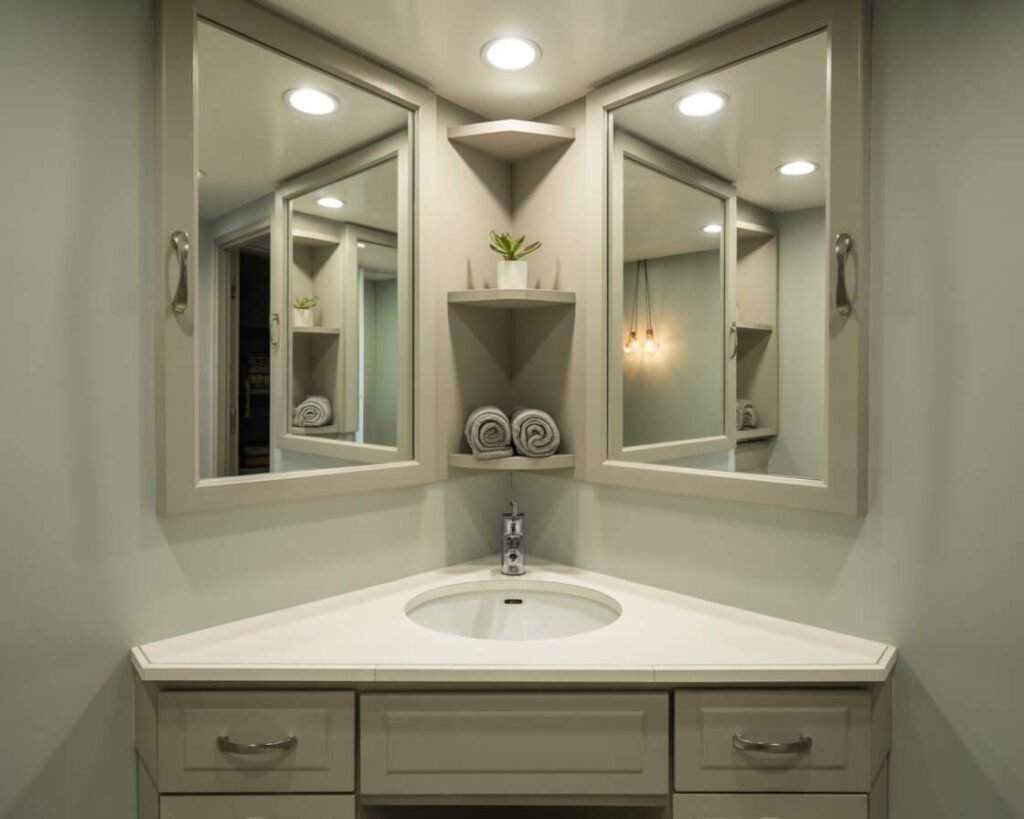
Before you spend thousands on a new vanity, consider what a coat of quality paint can do. A painted vanity refresh is one of the highest-ROI bathroom upgrades available — we’re talking about a transformation that can cost under $200 if you do it yourself and still look genuinely impressive.
The secret is in the prep work. Painting cabinets properly requires cleaning, sanding, priming, and using the right paint — typically a cabinet-specific formula or alkyd-based enamel that cures hard and holds up to moisture and daily handling.
Step-by-step for a lasting paint finish:
- Remove all doors and hardware before painting
- Clean thoroughly with TSP substitute or a degreaser
- Sand with 120-grit, then 220-grit for a smooth surface
- Apply a bonding primer and let it cure fully before painting
- Use a foam roller for flat surfaces, a brush for details
- Apply at least two or three thin coats with light sanding between each
Popular color choices right now include sage green, dusty blue, warm terracotta, charcoal, and a deep forest green. Any of these can completely change the personality of your bathroom.
15. Smart Storage Vanity — Organization That Actually Works
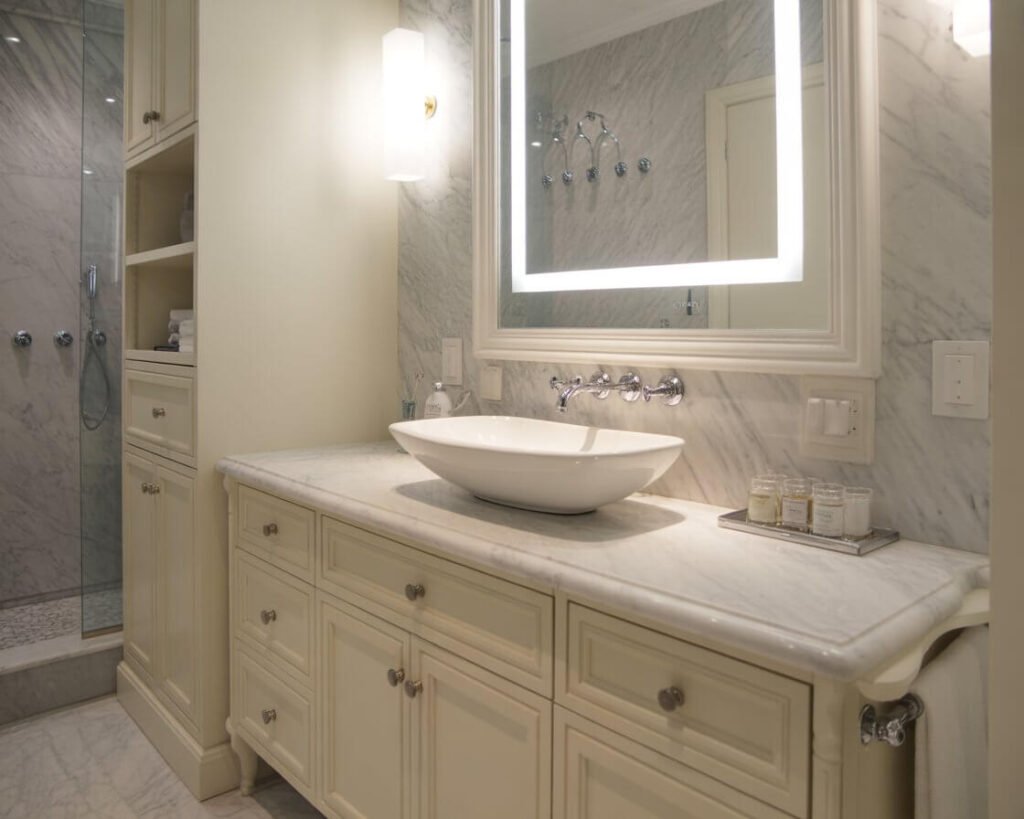
The difference between a functional vanity and a frustrating one often comes down to interior organization. A vanity with smart built-in storage features — pull-out trays, built-in drawer dividers, soft-close hinges, and tiered shelving — turns the daily routine into something genuinely smooth.
When shopping for or designing a vanity, think carefully about what you actually store and how you use it. Tall items like hair dryers and curling irons need deep drawers. Small items like bobby pins and cotton swabs need dedicated compartments. Cleaning products need their own space entirely.
Must-have interior storage features:
- Soft-close hinges and drawer glides — they save your sanity and your hardware
- Pull-out shelves inside lower cabinet sections for full-depth access
- Built-in drawer organizers in at least one large drawer
- A dedicated hair tool drawer with a built-in outlet if your electrician allows it
- Door-mounted organizers for smaller items in deep base cabinets
16. Marble or Stone Top Vanity — Timeless Luxury
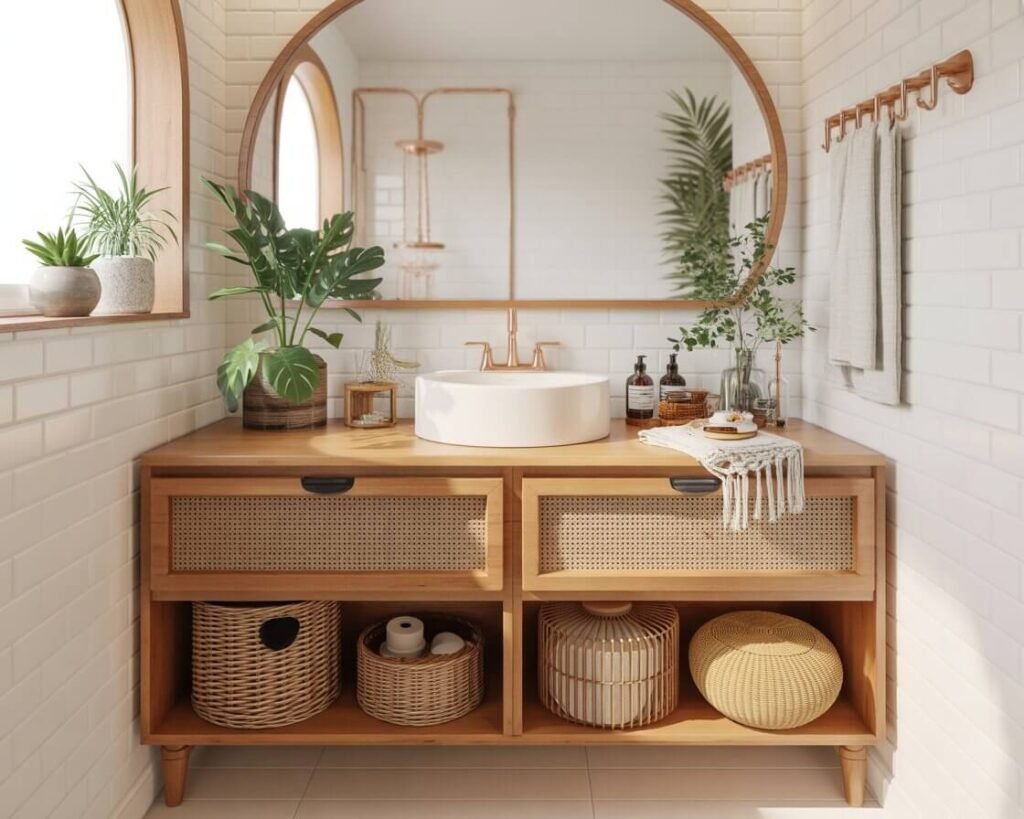
Few materials communicate luxury as immediately as genuine marble. A marble-top vanity instantly elevates a bathroom, lending it an elegance and permanence that synthetic materials simply can’t match. Paired with the right cabinet, lighting, and fixtures, a marble top makes a bathroom feel like a hotel suite.
If the cost of natural marble is prohibitive, high-quality quartz and porcelain slabs now replicate the veining and visual character of marble with greater durability and lower maintenance — often at a fraction of the cost.
Natural stone vanity top options:
- Carrara marble: classic white with soft gray veining — timeless, requires sealing
- Calacatta marble: bolder, more dramatic veining — genuinely luxurious
- Travertine: warm beige and amber tones — great for Mediterranean or earthy aesthetics
- Slate: dramatic dark surface, very durable and forgiving of daily use
- Quartzite: marble-like appearance with granite-like hardness
How to Choose the Right Bathroom Vanity — A Simple Decision Framework
With twenty ideas in front of you, the real challenge is narrowing it down. Here’s a practical framework to help you make the right choice for your specific situation:
Step 1: Know Your Space
Measure your bathroom carefully before falling in love with anything. Note the width of the wall where the vanity will go, the distance to the toilet and door swing, and the ceiling height. Account for plumbing rough-in locations — moving plumbing adds significant cost.
Step 2: Decide What You Actually Need
Be honest about your storage needs. Do you have a lot of products, or are you a minimal person? Do you share the space with a partner? Do you need counter space for styling, or do you mostly use a separate dressing area? Your answers shape the right vanity configuration.
Step 3: Set a Realistic Budget
Vanity prices range from a few hundred dollars for a simple flat-pack unit to tens of thousands for full custom millwork. Decide what you can genuinely afford — including installation, countertop, sink, faucet, and any plumbing modifications — before you start shopping.
Step 4: Choose a Style Anchor
Pick one style direction and stick to it. Trying to blend too many aesthetics creates a bathroom that feels confused rather than curated. If you love farmhouse but also love industrial, pick the dominant one and let the other play a supporting role through hardware or accessories.
Step 5: Think About the Long Term
Trends come and go. A vanity is a significant investment that you’ll likely live with for a decade or more. Classic styles — shaker doors, neutral colors, simple hardware — age gracefully. Bold statement pieces can be wonderful, but be sure you’ll love them in ten years, not just ten days.
Final Thoughts — Your Bathroom, Your Way
Your bathroom vanity is one of the most personal spaces in your home. It’s where your day starts, where you wind down at night, and where — if we’re being honest — you spend a not-insignificant chunk of your life. Getting it right matters.
The good news is that whether you have a generous renovation budget or you’re working with a hundred dollars and a can of paint, there’s a path to a vanity that genuinely serves you and makes your bathroom a space you actually enjoy being in.
Take the ideas that resonate, adapt them to your space, and don’t be afraid to mix and match. The best bathroom vanities are the ones that reflect the person using them — not a showroom floor or a trend board. Start with what you love, work within your constraints, and make it yours.
The best bathroom vanity isn’t the most expensive one — it’s the one that fits your space, suits your style, and makes your daily routine feel a little more like a ritual.
Frequently Asked Questions
What is the standard height for a bathroom vanity?
Standard bathroom vanities are typically 32 to 36 inches tall. The industry has gradually shifted toward taller “comfort height” vanities at 34 to 36 inches, which are easier on your back and more ergonomically comfortable for most adults. If you’re using a vessel sink, plan for a shorter base (30 to 32 inches) to bring the total working height into a comfortable range.
How do I choose between a single and double sink vanity?
A single sink vanity works well for one person or a guest bathroom. A double sink vanity makes sense when two people regularly share the space and need simultaneous access. The practical minimum for a double sink is 60 inches wide, though 72 inches is much more comfortable. Factor in your plumbing costs, as double sinks require more supply and drain lines.
What’s the most durable countertop material for a bathroom vanity?
Quartz is generally considered the most practical balance of durability, low maintenance, and aesthetics. It’s non-porous (so it resists staining and bacteria), resistant to chips and scratches, and comes in a huge range of colors and patterns. Natural stone like granite and quartzite is also very durable but requires annual sealing. Marble is beautiful but more porous and higher maintenance.
Can I paint my existing bathroom vanity instead of replacing it?
Absolutely — and with the right process, the results can be genuinely impressive. Use a bonding primer, a high-quality cabinet paint or alkyd enamel, and take your time with prep and sanding. The most common mistake is rushing the process. Done properly, a painted vanity can look as good as a new one for a fraction of the cost.
How much does it typically cost to install a new bathroom vanity?
The cost varies significantly by what you’re installing and where. A basic vanity from a home improvement store can run $200 to $800, while mid-range options typically fall between $800 and $2,500. High-end or custom vanities can easily reach $5,000 to $15,000 or more. Installation labor generally adds $200 to $600 depending on complexity. Budget additionally for countertops, sinks, faucets, and any plumbing modifications needed.