
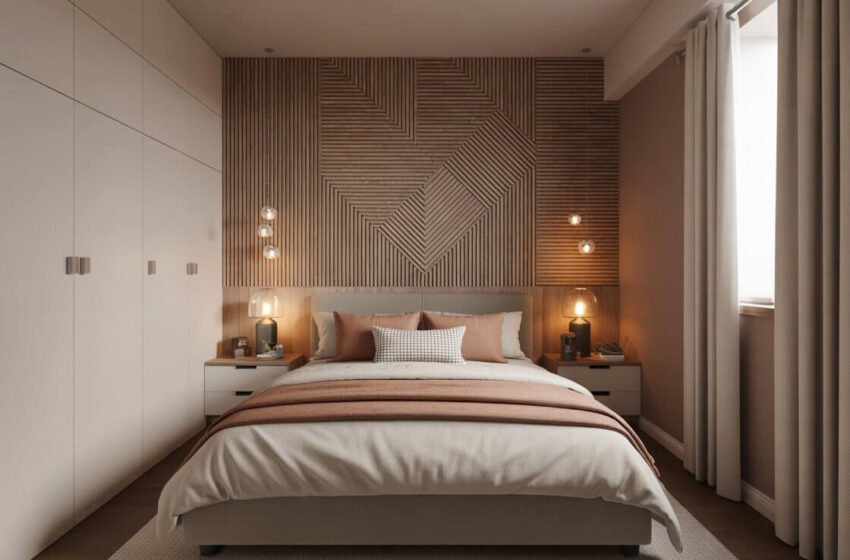
If your bedroom feels more like a storage closet than a retreat, you’re not alone. Millions of people are working with rooms under 150 square feet — and honestly, some of the coziest, most stylish bedrooms in the world are small ones done right.
The difference between a cramped, chaotic bedroom and a calm, functional one rarely comes down to square footage. It comes down to smart choices — in layout, color, furniture, lighting, and storage.
This guide gives you 20 small bedroom ideas that work in the real world. No gut renovations. No designer budgets. Just clever, actionable strategies you can start using today.
1. Choose Light, Airy Colors
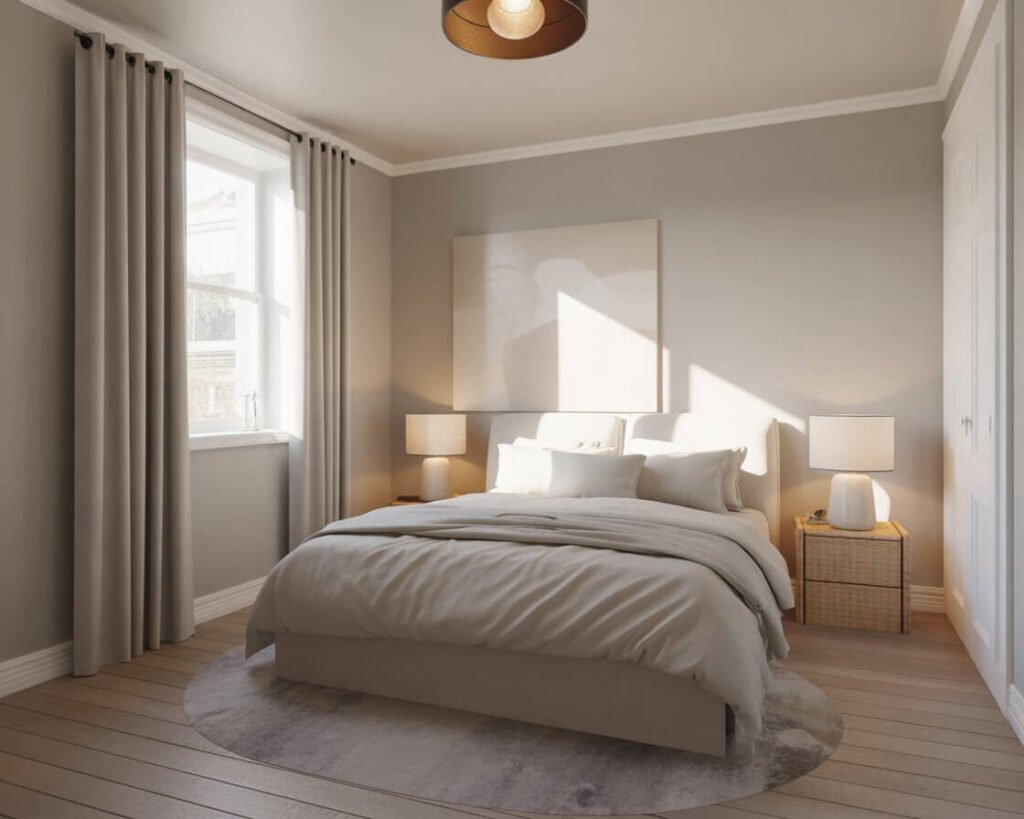
Color is one of the most powerful tools you have in a small bedroom — and one of the most overlooked. Light colors reflect natural light, which makes walls visually recede and rooms feel bigger than they actually are.
Soft whites, warm creams, pale sage, dusty blue, and light greige are all excellent choices. They create a seamless, breathable atmosphere that keeps the room from feeling boxed in.
What to Avoid
Very dark accent walls or bold patterns on every surface can visually shrink the room. That doesn’t mean you can’t use deep tones — a single dark wall behind the bed can work beautifully as a focal point. The key is balance and intention.
Pro tip: Paint your trim and ceiling the same color as your walls (or just a shade lighter). This removes visual boundaries and makes the room feel taller and wider.
2. Invest in a Bed with Built-In Storage
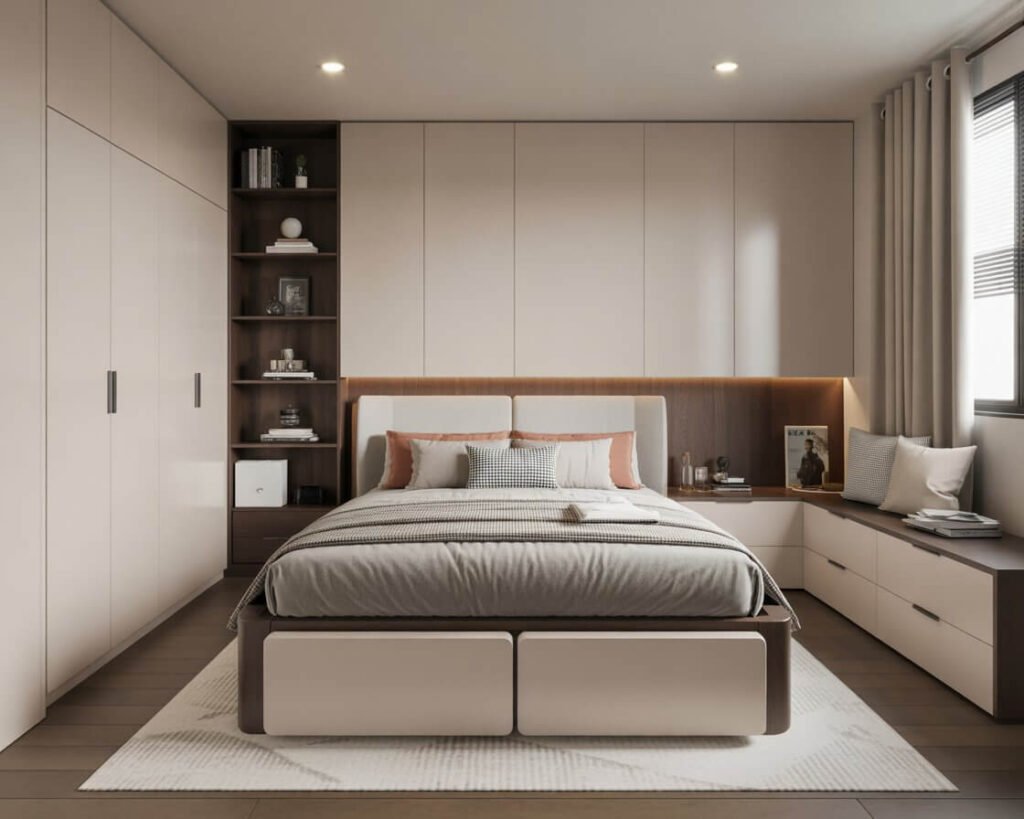
Your bed takes up the largest footprint in the room, so it should work harder than just being a place to sleep. Beds with built-in drawers or lift-up storage underneath are absolute game-changers in a small room.
You can stash extra blankets, off-season clothing, shoes, and anything else that currently doesn’t have a proper home. It’s like adding a full dresser to your room without adding any floor space.
What to Look For
- Platform beds with drawers on both sides for maximum storage
- Ottoman beds with hydraulic lift — great for bulkier items
- Bed frames with a headboard bookshelf built in
If a new bed frame isn’t in the budget, bed risers are a cheap alternative that elevate your existing bed and create usable storage space underneath.
3. Go Vertical with Your Storage
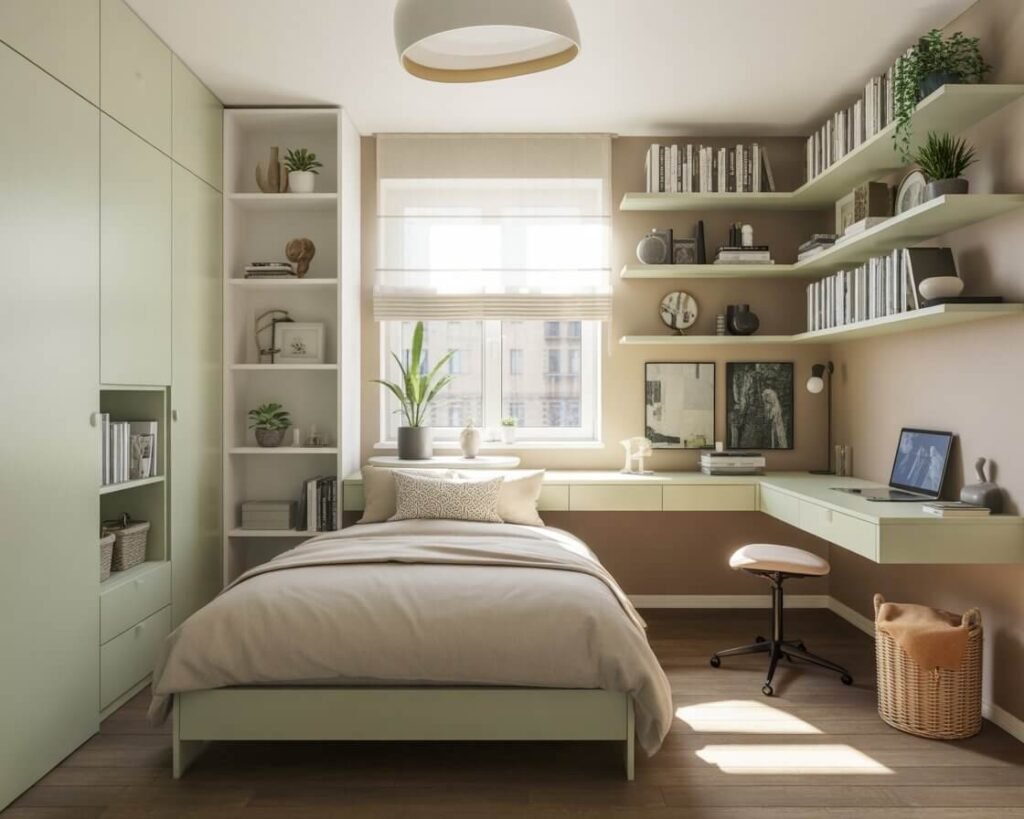
Floor space is precious. Wall space is free. When your room runs out of room horizontally, start thinking vertically.
Floor-to-ceiling shelving, wall-mounted cabinets, and floating shelves all pull storage up off the floor and draw the eye upward — which also makes ceilings feel higher.
Ideas for Going Vertical
- Install floating shelves above the door frame
- Use tall, narrow bookshelves instead of wide, low ones
- Mount your TV on the wall instead of putting it on a dresser
- Add pegboards or grid panels to organize accessories vertically
Style your shelves with a mix of useful items (books, baskets) and decorative ones (plants, art). A well-styled shelf is storage that also looks intentional.
4. Use Mirrors Strategically
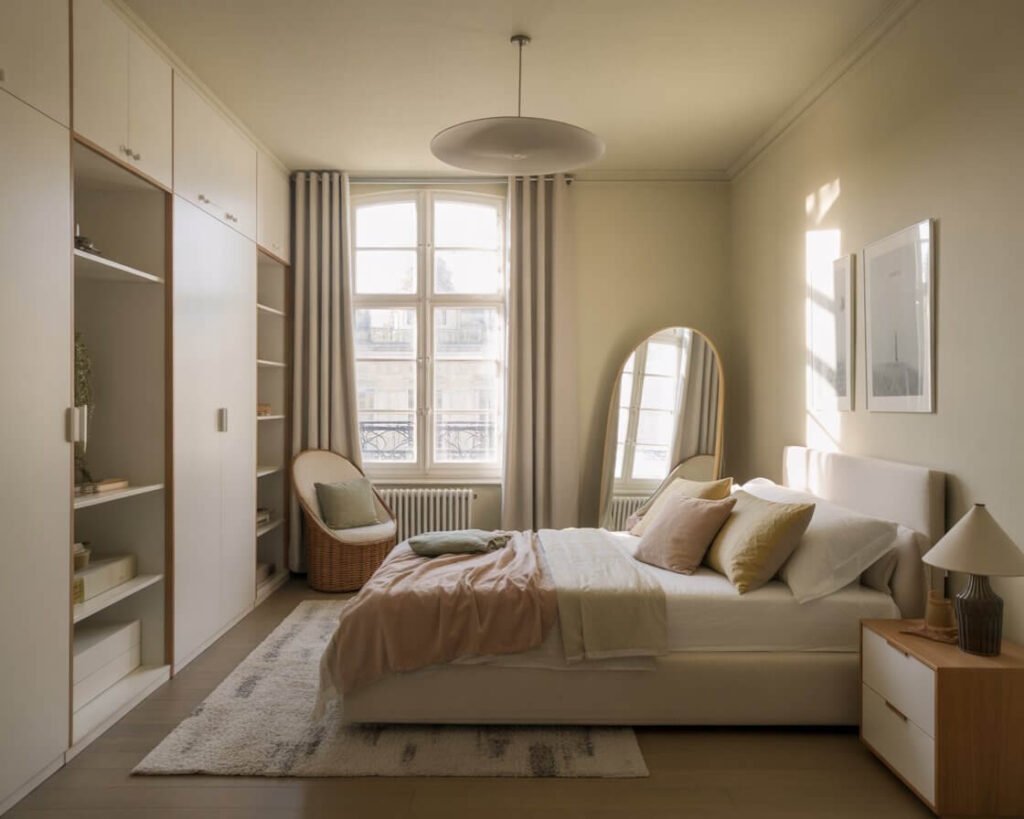
Mirrors are the oldest trick in the small space playbook — and they still work. A well-placed mirror can double the perceived depth of a room and bounce light into corners that would otherwise feel dark and closed off.
The most effective placement is opposite or adjacent to a window. The mirror captures natural light and redistributes it across the room, making the entire space feel brighter and more open.
Mirror Ideas for Small Bedrooms
- Full-length mirror leaned against a wall or mounted on the back of a door
- Large framed mirror above a dresser
- Mirrored closet doors — functional and space-expanding
- Gallery wall of small mirrors for a decorative, dimensional look
Avoid placing mirrors directly across from clutter — they’ll reflect chaos rather than light. Position them to capture the best, most open parts of your room.
5. Swap Bulky Nightstands for Floating Shelves
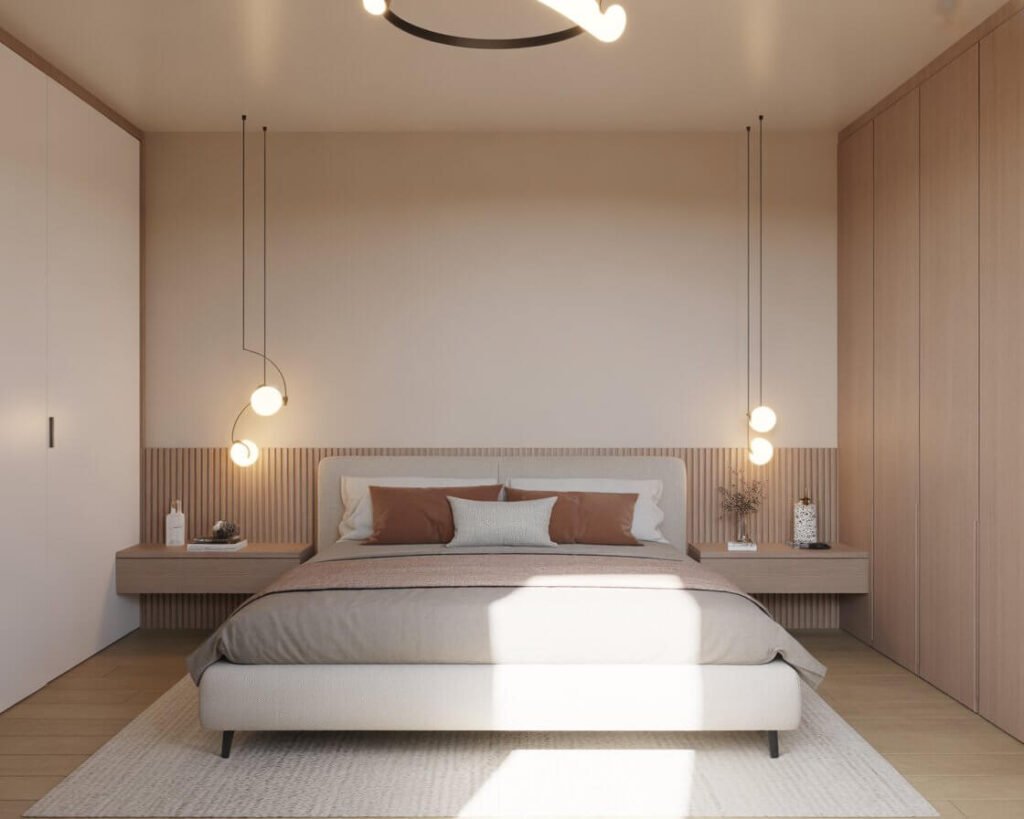
Traditional nightstands eat up floor space and visually chop the room into smaller pieces. Floating nightstands mounted directly to the wall give you the same functionality — a surface for your lamp, phone, and water glass — without any floor footprint.
They’re easy to install, affordable, and come in dozens of styles. For a cohesive look, match the wood tone or finish of your floating shelves throughout the room.
If you love the look of a proper nightstand, consider a smaller, leg-style table that allows you to see the floor beneath it. Visible floor space always makes a room feel more open.
6. Declutter Ruthlessly (Then Decorate Intentionally)
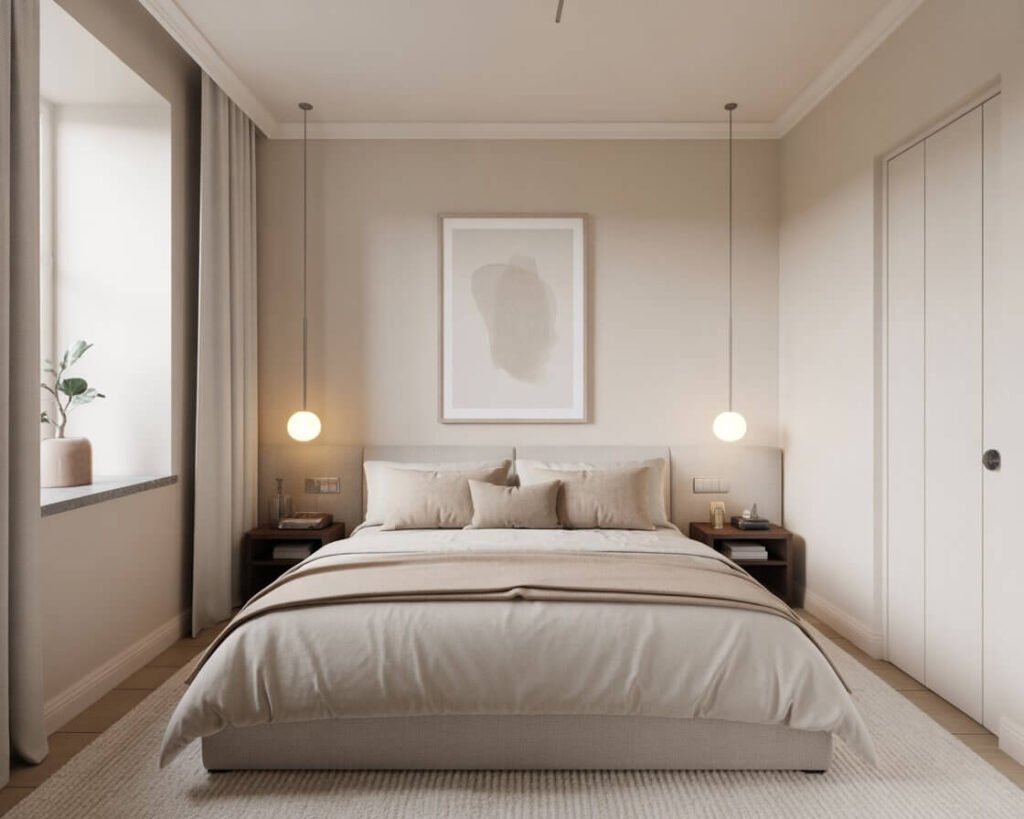
This one isn’t glamorous, but it’s the most impactful thing you can do. A small bedroom filled with too much stuff will never feel spacious, no matter how clever your layout is.
Go through everything in your bedroom and ask: does this belong here? Items that don’t serve the bedroom’s purpose (sleep, rest, getting dressed) are better stored elsewhere or donated.
The Bedroom-Only Rule
Keep only what belongs in a bedroom. Limit your bedroom to: clothes, bedding, sleep essentials, a few books, and minimal decor. Work items, exercise equipment, and random overflow storage should live somewhere else.
Once you’ve decluttered, every decorative piece you add will have more impact. Less stuff means each item gets more breathing room — and so do you.
7. Choose Furniture with Exposed Legs
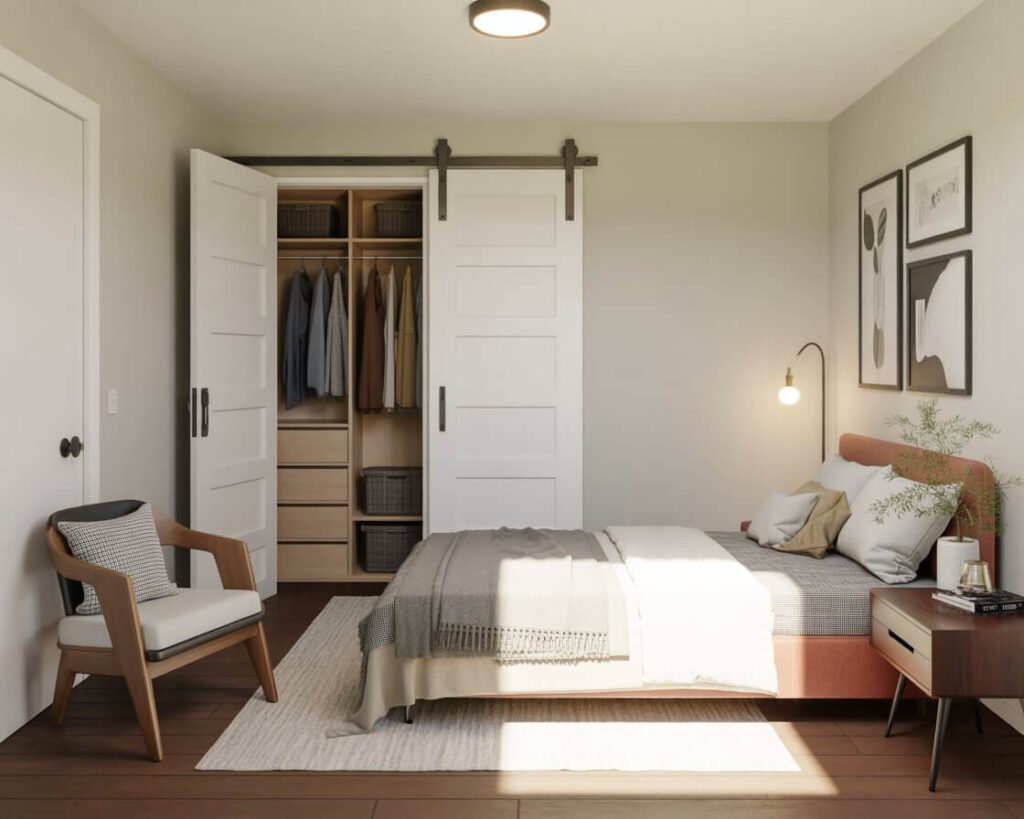
This is a subtle trick that makes a real difference. Furniture with visible legs — beds, dressers, chairs, benches — allows the eye to travel under the piece and see the floor beyond. This creates visual continuity and makes the room feel less chunky and blocked.
Compare a low-profile platform bed (no legs) versus a bed on mid-century modern tapered legs. The legged version immediately makes the room feel more open, even if they’re technically the same size.
Look for sofas, benches, and accent chairs with clean, slim legs when shopping for a small bedroom sitting area.
8. Use Under-Bed Storage Boxes
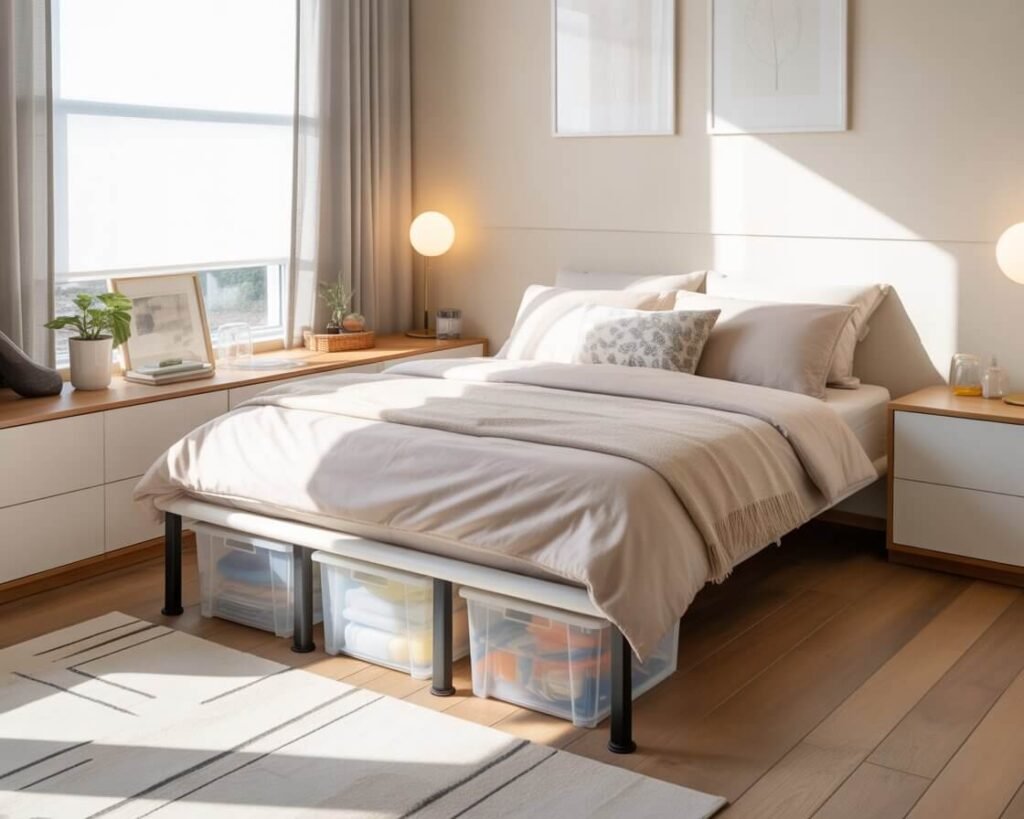
Even if you don’t upgrade your bed frame, you can still take advantage of the space underneath with under-bed storage containers. Flat rolling bins work especially well because you can access them easily without moving the bed.
Use them for seasonal clothes, extra pillows and blankets, shoes, or anything that takes up space in your closet. Label them clearly so you’re not hunting through bins every time you need something.
Choose bins with lids to keep dust out and contents protected. Clear bins are particularly useful because you can see what’s inside at a glance.
9. Try a Loft Bed or Raised Sleeping Area
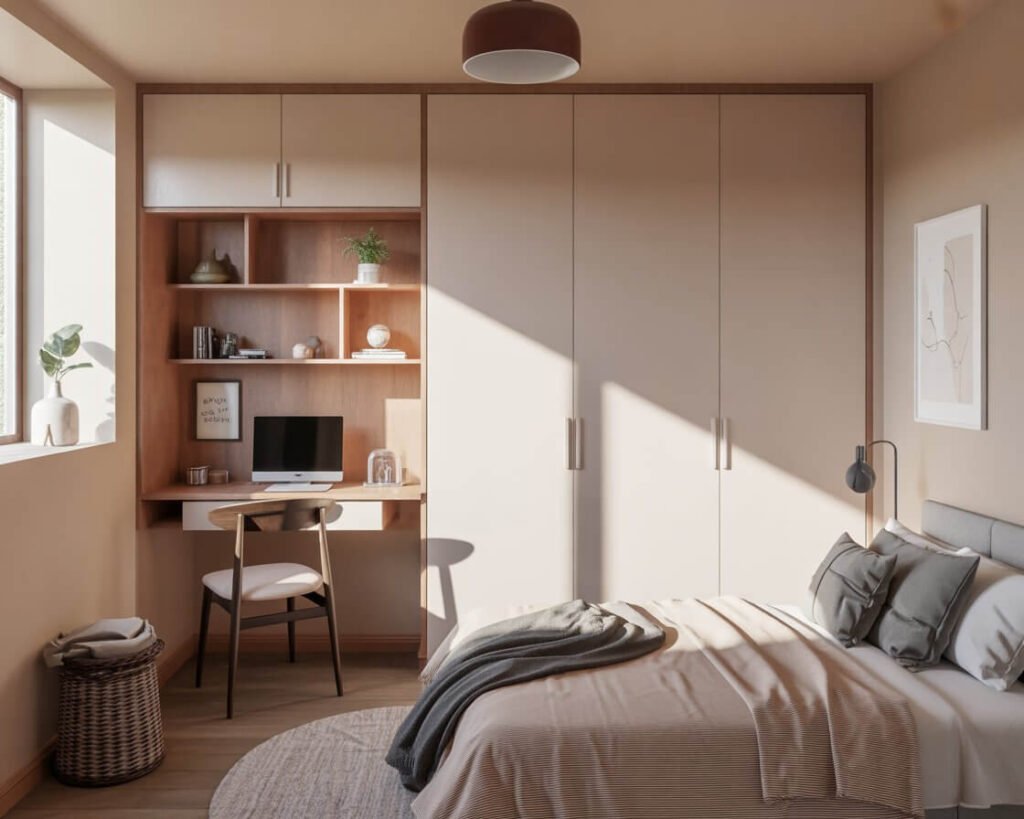
If your bedroom has higher ceilings (8 feet or more), a loft bed is one of the most dramatic space-saving moves you can make. By elevating the bed, you free up the entire floor area beneath it for a desk, wardrobe, reading nook, or mini sitting area.
This works particularly well in studio apartments where the bedroom and living area are one space. A loft bed visually separates the zones and doubles your usable footprint without adding any square footage.
Loft Bed Considerations
- Make sure ceiling height is at least 7.5–8 feet for comfort
- Look for loft frames with built-in ladders and safety rails
- Use the space below for a compact desk or storage wardrobe
For adults who prefer not to climb into bed, a mid-height loft (also called a bunk-style frame) offers some clearance underneath without requiring a full climb.
10. Use a Murphy Bed for Dual-Purpose Spaces
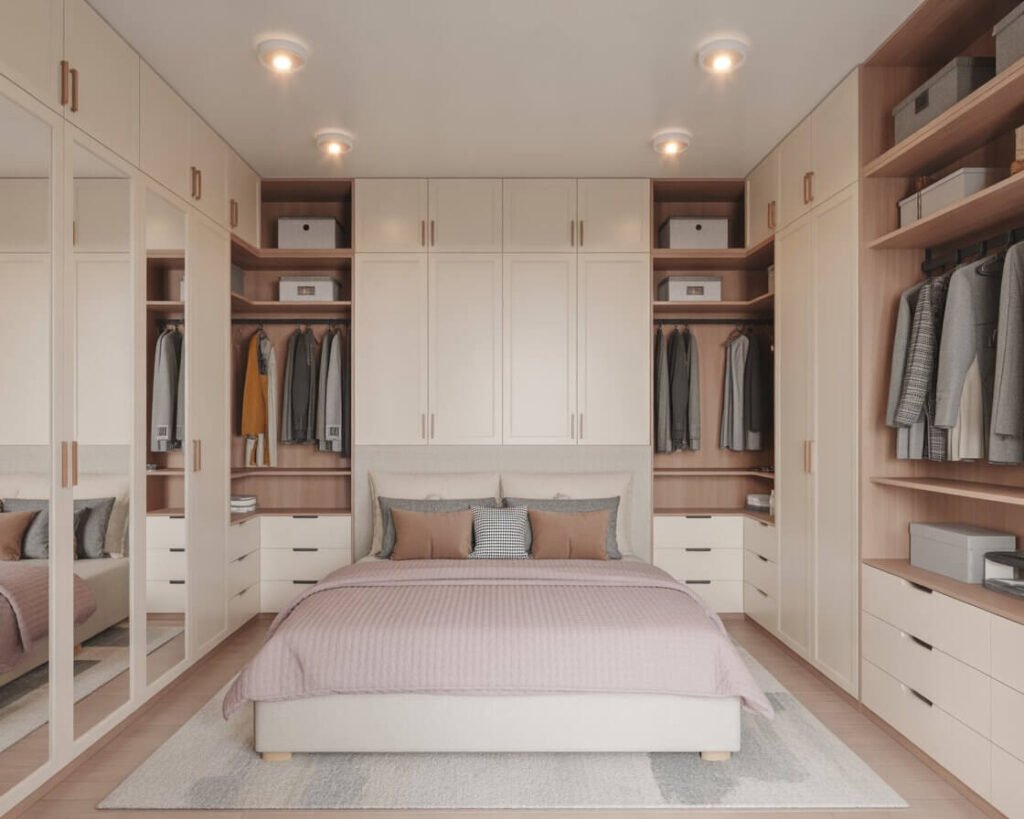
Murphy beds — also called wall beds — fold up into the wall when not in use, instantly transforming your bedroom into a usable daytime space. They’re ideal for studio apartments or rooms that serve double duty as a guest room and home office.
Modern Murphy beds are far more stylish than the old fold-down versions your grandparents had. Many come with integrated shelving, a sofa, or a fold-out desk that remains functional even when the bed is deployed.
The upfront cost is higher than a standard bed, but the amount of space you reclaim can completely change how a room functions.
11. Hang Curtains High and Wide
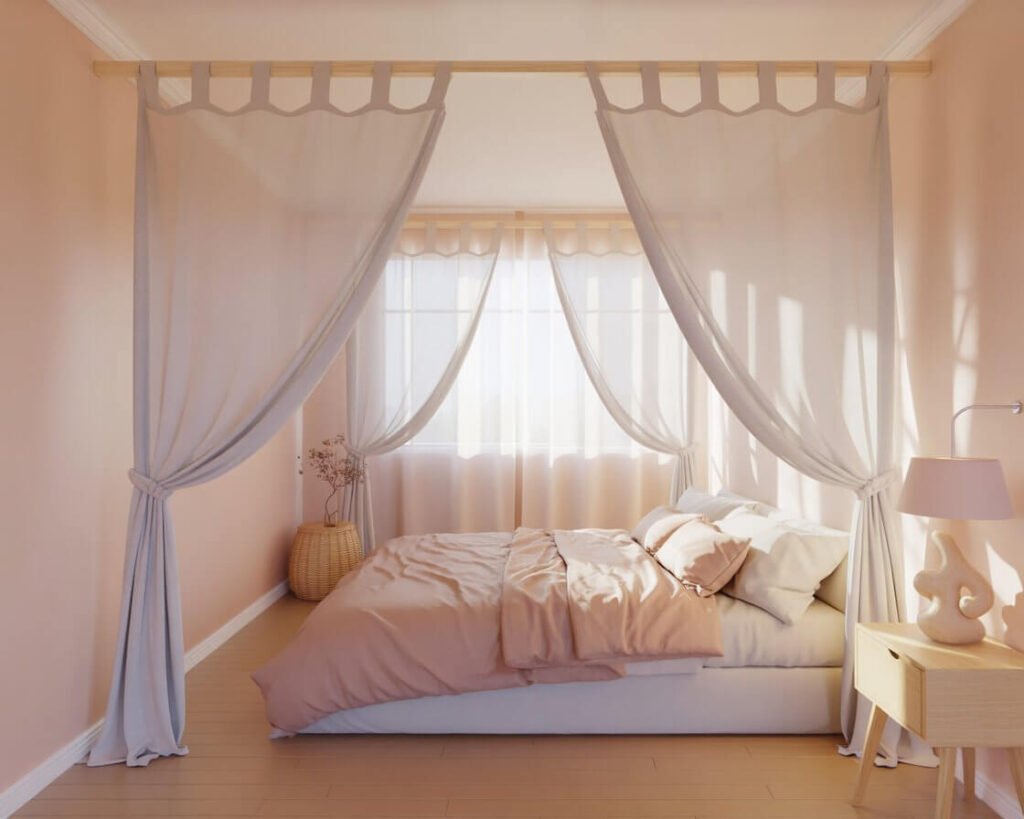
This trick applies to any room, but it’s especially powerful in small bedrooms. Hang curtain rods as close to the ceiling as possible, and extend the rod well beyond the width of the window on each side.
The result: the window looks much larger, the ceiling feels higher, and the room feels more expansive — all from a set of curtain panels and a longer rod.
Choose lightweight, light-colored curtains that let in natural light during the day. Heavy blackout drapes can block light and make the room feel heavier; if you need darkness for sleep, look for blackout lining that attaches behind a decorative curtain.
12. Keep the Floor as Clear as Possible
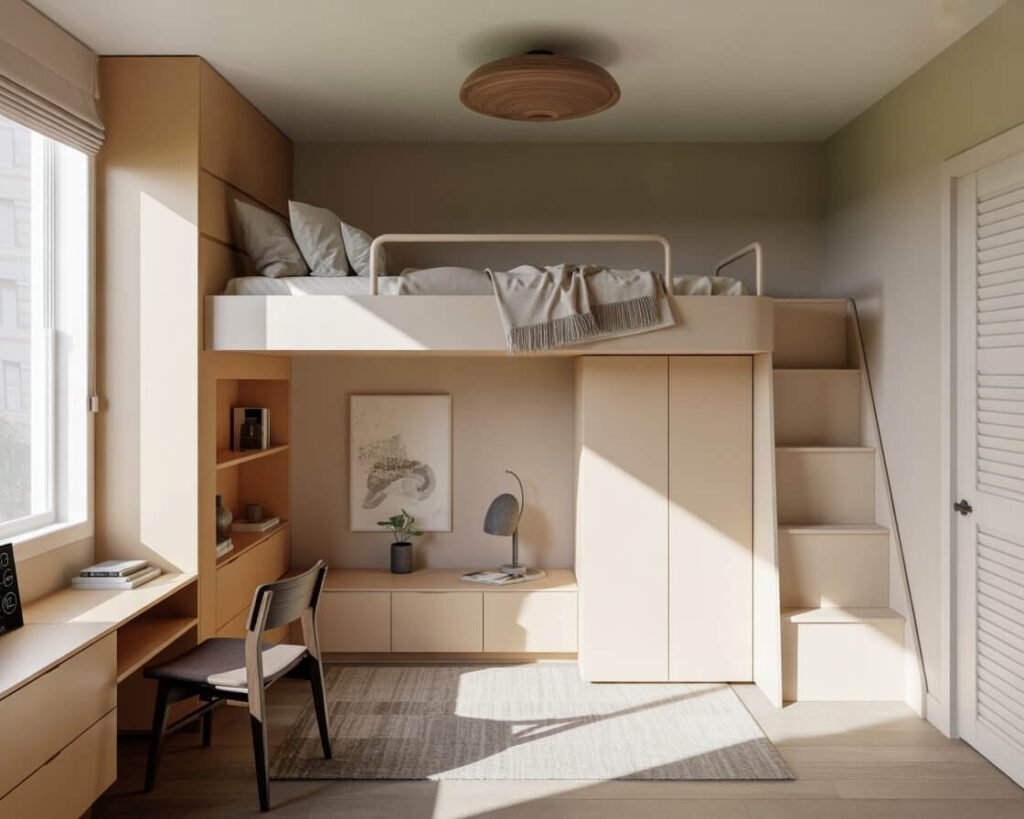
This goes hand-in-hand with decluttering, but it’s worth calling out separately: clear floors make small rooms feel dramatically bigger. Even a small rug with an empty zone around it reads better than a floor packed with furniture.
Aim for at least 18–24 inches of clear floor space around the bed and between other pieces of furniture. This isn’t always possible, but getting as close as you can makes a real difference in how the room feels to move around in.
Move storage off the floor and onto walls wherever possible — floating shelves, wall hooks, over-the-door organizers, and pegboards all help keep the floor plan open.
13. Use the Right Size Rug
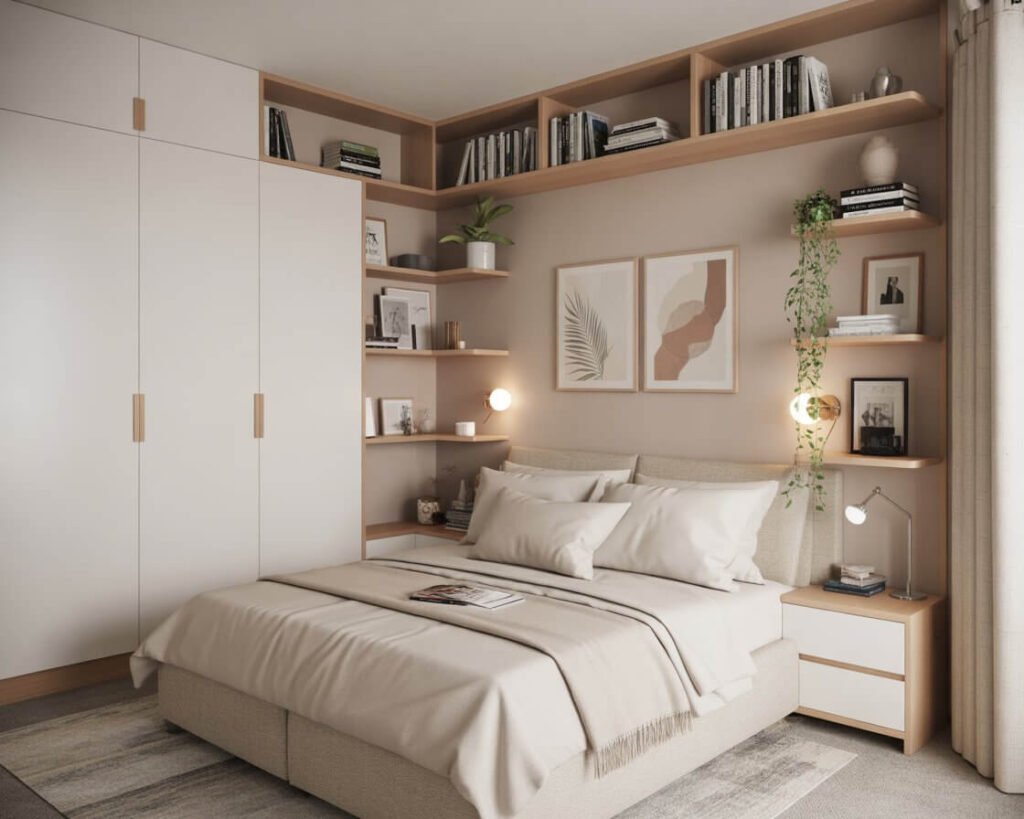
A rug that’s too small makes a room feel awkward and disjointed. In a small bedroom, the right rug can anchor the bed, add warmth, and make the room feel like a cohesive, designed space.
For most small bedrooms, a 5×8 rug placed under the bottom two-thirds of the bed works well. It grounds the bed area without overwhelming the floor. If you have more floor space, go up to a 6×9 or 8×10.
Rug Style Tips
- Light-colored or low-pattern rugs keep the floor from feeling heavy
- Stripes running the length of the room can make the room feel longer
- Natural textures (jute, wool, cotton) add warmth without visual clutter
14. Add Smart Lighting (Not Just One Overhead Light)
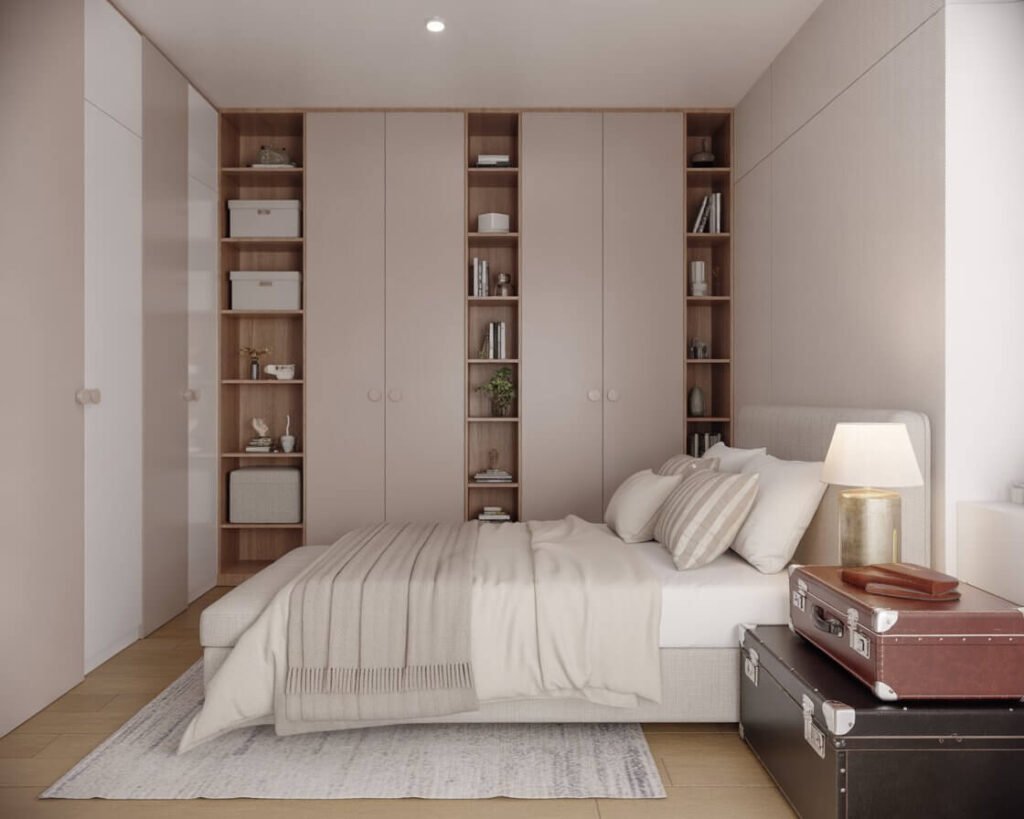
A single overhead light is the enemy of cozy bedrooms everywhere. It casts flat, harsh light that makes a room feel clinical rather than restful.
Layered lighting — combining overhead light with bedside lamps, reading lights, and ambient accent lights — creates a warmer, more dimensional feel. It also gives you control over mood: bright for getting dressed, dim for winding down.
Lighting Ideas for Small Bedrooms
- Wall-mounted sconces beside the bed instead of table lamps (saves nightstand space)
- LED strip lights behind headboard for ambient glow
- Smart bulbs you can dim and color-adjust from your phone
- Battery-powered puck lights inside closets or dark corners
Warm white bulbs (2700K–3000K) are ideal for bedrooms. Avoid cool or daylight bulbs, which are energizing rather than calming.
15. Choose a Streamlined, Low-Profile Bed
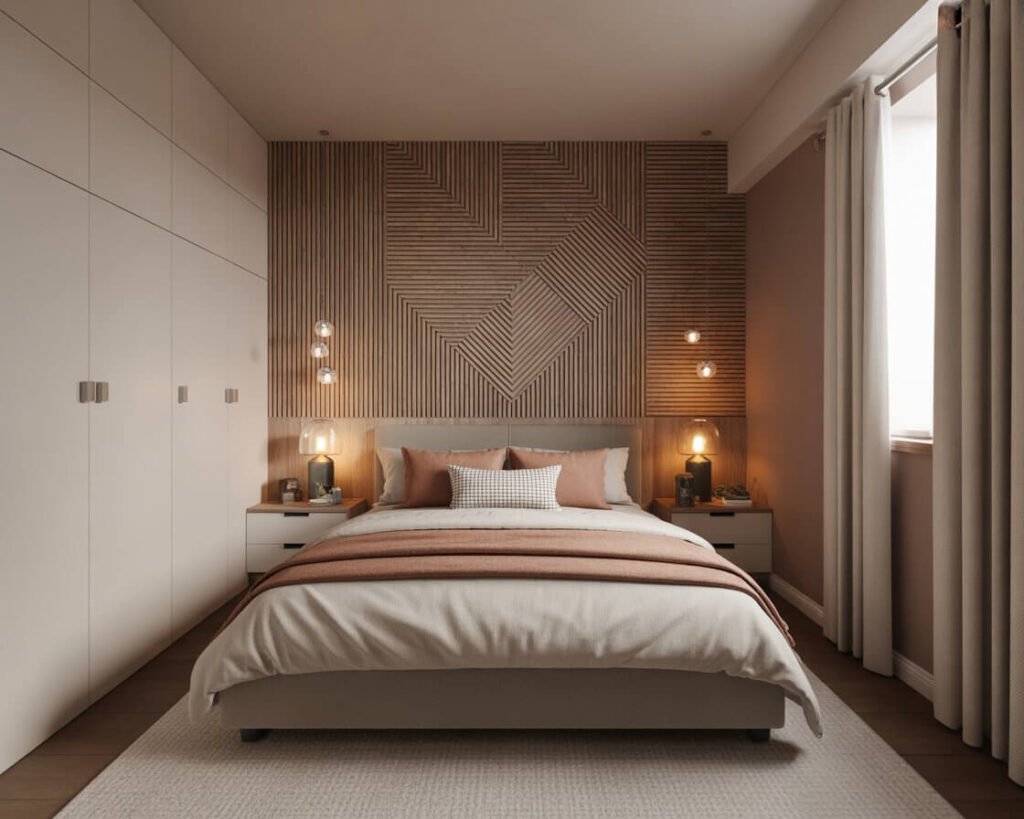
In a small bedroom, the bed is the dominant piece. Choosing the right bed frame makes a massive difference in how open the room feels.
Low-profile platform beds keep the visual weight close to the ground and prevent the bed from dominating the room. A tall, bulky four-poster bed, on the other hand, can make a small room feel claustrophobic.
Consider also the headboard style — a simple upholstered panel or a wall-mounted headboard takes up less visual real estate than a wide, ornate wooden headboard.
16. Use the Back of Doors
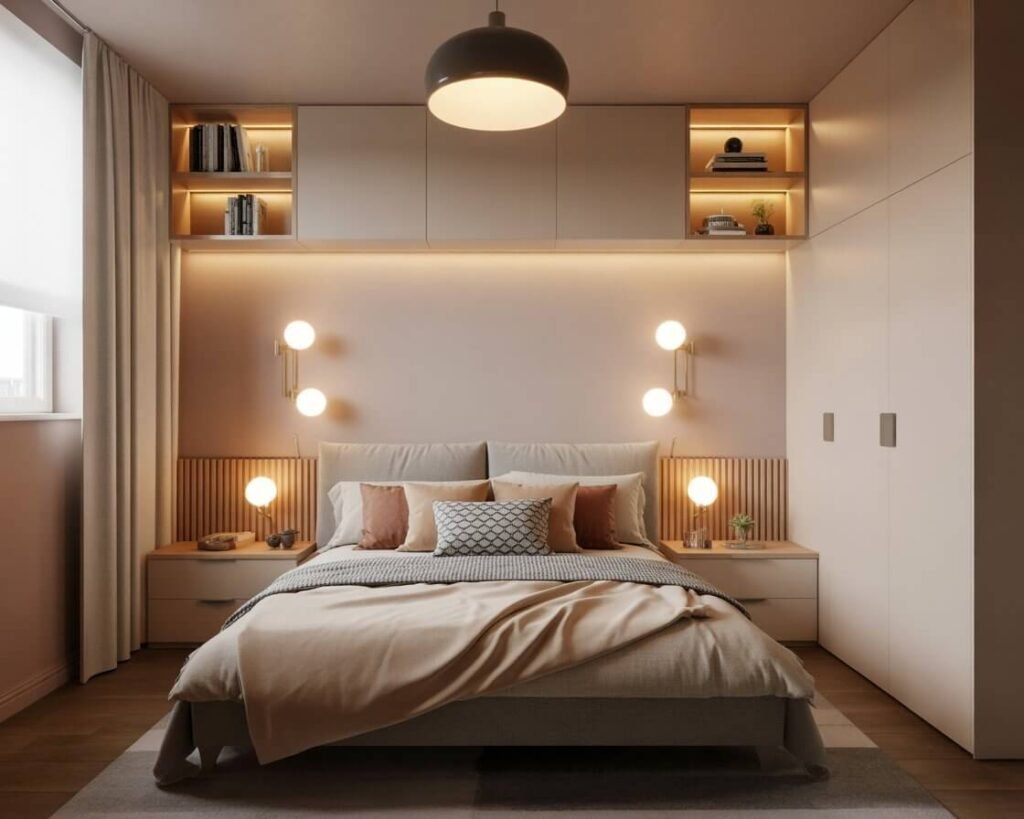
The back of your bedroom door and closet door is prime real estate most people completely ignore. Over-the-door organizers, hooks, and racks can hold everything from jewelry to shoes to bags to hair tools.
An over-the-door shoe rack alone can clear out significant closet floor space. An over-the-door jewelry organizer removes a cluttered tray or stand from your dresser surface.
This is one of the easiest, cheapest ways to add significant storage to a small bedroom without doing any drilling or installation.
17. Keep Your Color Palette Cohesive
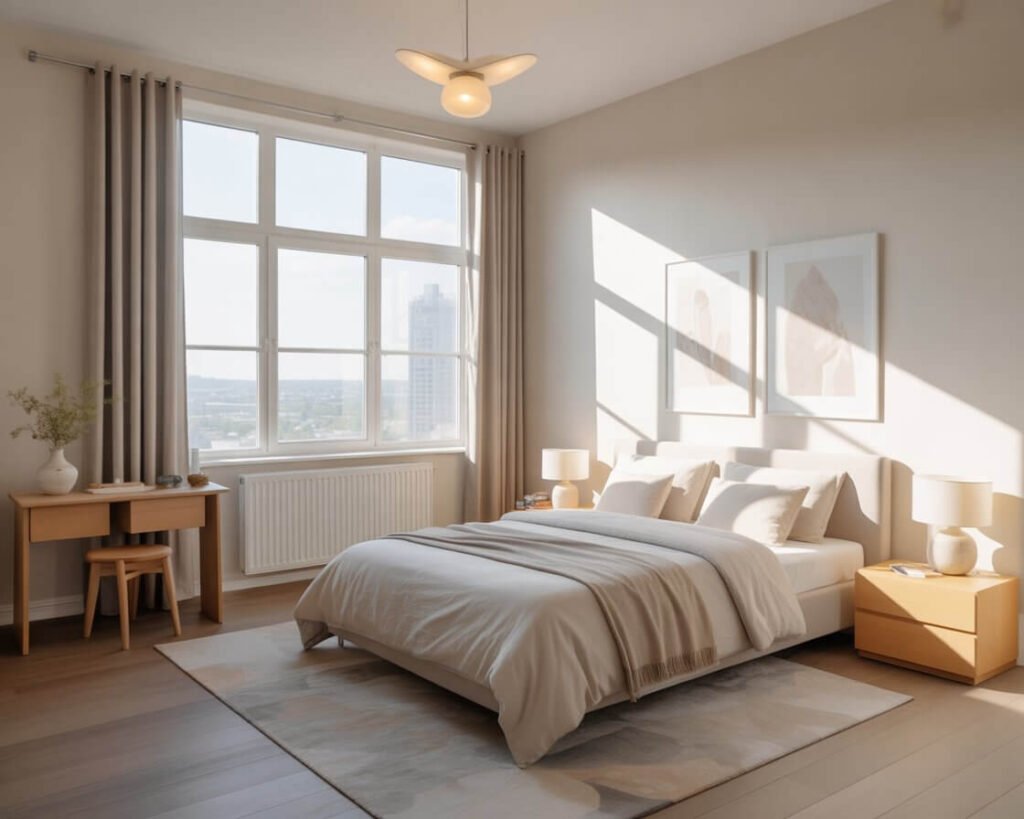
In a small bedroom, visual clutter is just as disruptive as physical clutter. A cohesive color palette — two or three complementary colors used consistently — creates a calming, unified look that makes the room feel larger.
This doesn’t mean everything has to match perfectly, but it should feel intentional. If your duvet is navy blue, your curtains might be white, and your accent pillow a warm camel. That’s a palette. A bedroom with five different accent colors, six patterns, and competing styles feels chaotic regardless of size.
Pick a dominant color, a secondary color, and one accent. Stick to it. Edit ruthlessly.
Final Thoughts: Small Doesn’t Mean Sacrificing Style
A small bedroom can be just as beautiful, comfortable, and functional as a large one. Sometimes even more so — because limitations force creativity, and creativity produces spaces that feel genuinely personal.
You don’t need to tackle all 20 ideas at once. Start with one or two that feel most relevant to your situation — maybe it’s light colors, maybe it’s storage under the bed, maybe it’s swapping out your nightstands. Small changes compound over time.
The best small bedroom is the one that works for your life — the one where you can sleep well, find what you need, and actually enjoy spending time. That’s always the goal, whatever the square footage.
Frequently Asked Questions
What makes a small bedroom feel bigger?
Light colors, strategic mirrors, clear floor space, and vertical storage all contribute to making a small bedroom feel more open. Removing excess furniture and decor also makes an immediate difference.
What furniture is best for a small bedroom?
Multi-functional furniture is key: beds with storage drawers, floating nightstands, storage ottomans, and slim-profile dressers. Furniture with visible legs also helps keep the room feeling open.
How do I organize a small bedroom with no space?
Go vertical with wall shelving, maximize under-bed storage, use over-the-door organizers, and declutter aggressively. The less you store in a small bedroom, the easier it is to keep organized.
What colors should I avoid in a small bedroom?
Very dark, saturated colors on all four walls can make a small room feel cave-like. Use them as accents only — a single dark wall or through accessories — and keep the surrounding space light.
Is a king bed too big for a small bedroom?
It depends on the room dimensions. A king bed in a 10×12 room leaves very little circulation space. A queen or full typically works better in rooms under 120 square feet, but layout also plays a big role.