
Think about the last time you sat down at a beautifully set table. Not necessarily at a fancy restaurant — maybe it was a friend’s dinner party, or a holiday meal at your parents’ house. Do you remember how it made you feel before the food even arrived? That slight sense of occasion, of being somewhere special?
Now think about your own dining table on a regular Tuesday. A stack of unopened mail, maybe a phone charger, the bowl from breakfast that hasn’t quite made it to the dishwasher yet. Sound about right? You’re in very good company.
The dining table is simultaneously the most used and most neglected surface in the average home. We eat on it, work on it, help kids with homework on it — and then we wonder why it never quite looks like those dreamy tablescapes on Pinterest. Here’s the thing though: stunning dining table decor doesn’t require a stylist, a huge budget, or hours of effort. It requires the right ideas and a little intention.
1. Minimalist Glass Vase Centerpiece
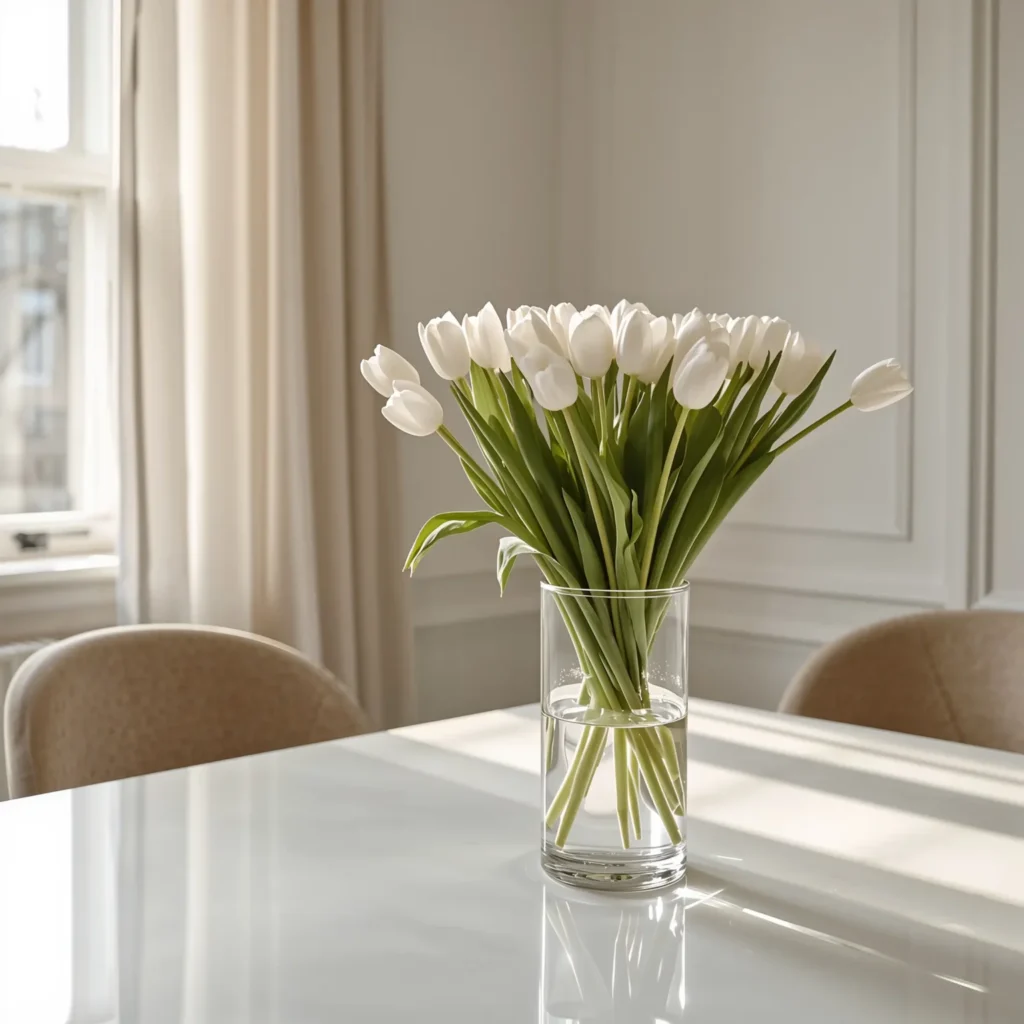
There is a particular kind of confidence in restraint — and the minimalist glass vase centerpiece is its dining room expression. A single, well-chosen vase with clean lines can anchor a dining table with quiet authority, allowing the table itself, the food, and the people around it to take center stage.
The secret here is not just the vase but what you put in it — or what you leave out. A single architectural stem, three ranunculus in a soft blush, a branch of eucalyptus — less is almost always more. The goal is a touch of organic life without visual clutter.
Choosing the Right Glass Vase for Your Table
Not all glass vases are created equal. For dining tables, you want something with visual interest in its own right — angular geometry, an interesting silhouette, or a subtle texture in the glass. Clear glass reads as contemporary and light. Frosted or smoked glass adds a moodier, more organic quality.
Size matters too. For a four-person table, a vase in the 8-to-10-inch range works beautifully. For a larger table, you can go taller — but make sure guests can still see each other across the table. Eye contact is still important at dinner, no matter how gorgeous your centerpiece is.
Pro tip: If you keep the vase itself interesting, you can leave it empty between occasions and it still looks intentional. An empty beautiful vase is decor. An empty plain vase is just a vase waiting for flowers.
2. Rustic Wooden Tray Arrangement
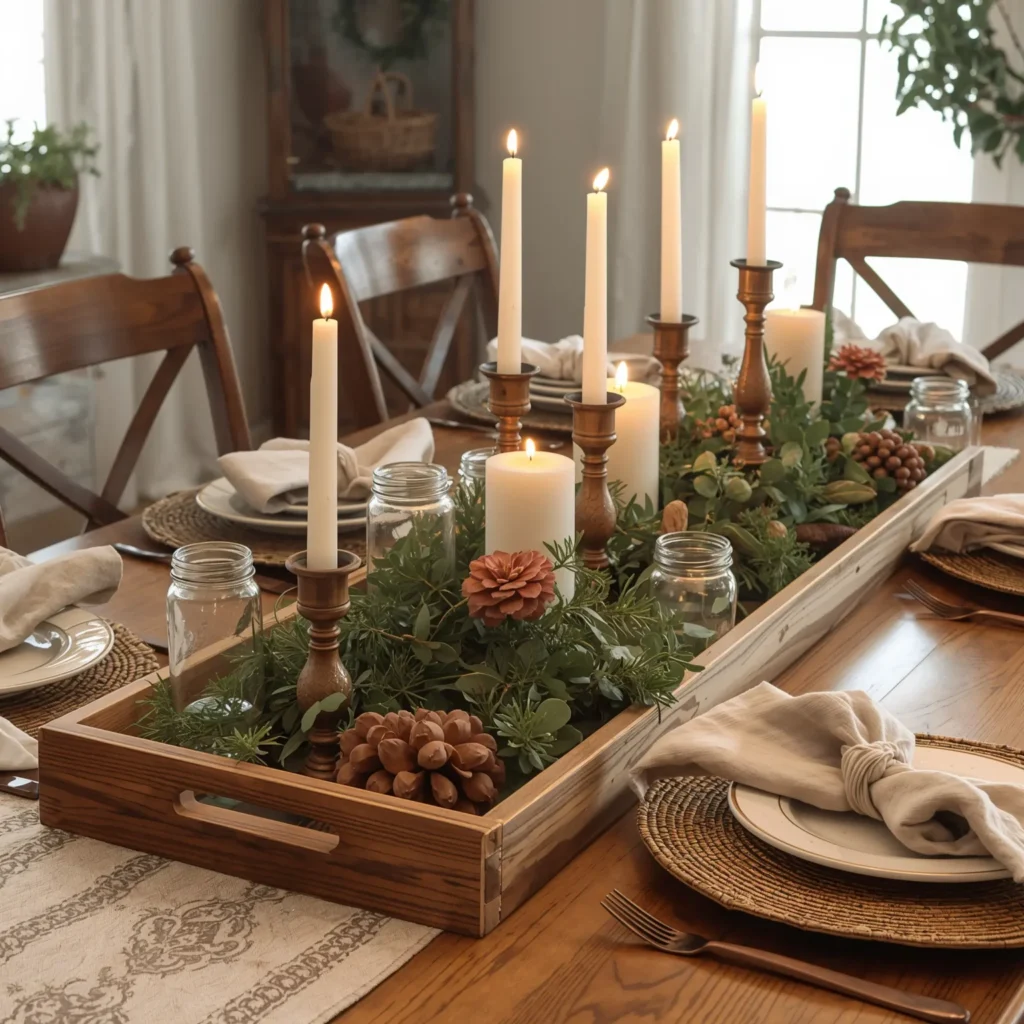
The rustic wooden tray is one of those rare decor ideas that works in almost every dining room, regardless of style. It gives your centerpiece a contained, intentional look — the visual equivalent of a frame around a painting. Everything inside the tray feels curated; everything outside it feels like part of the room rather than clutter.
The beauty of this approach is its complete flexibility. A tray can hold candles, small plants, seasonal objects, vintage finds — and the arrangement can change completely from week to week without any permanent commitment. It’s essentially a stage set for your dining table, ready for whatever story you want to tell that month.
Building a Tray Arrangement That Feels Effortless
Start with the tray as your foundation and build in odd numbers — three objects, or five, never four or six. The classic formula: something tall (a taper candle or small vase), something medium (a potted plant or decorative bottle), and something low (a small dish, a few smooth stones, a votive candle). Vary materials — wood paired with ceramic and glass, or metal with natural rope.
Design principle: The tray arrangement should look like it was collected over time, not bought as a set in one afternoon. Mix textures, finishes, and eras for a look that feels genuinely personal.
3. Seasonal Fruit Bowl Displays
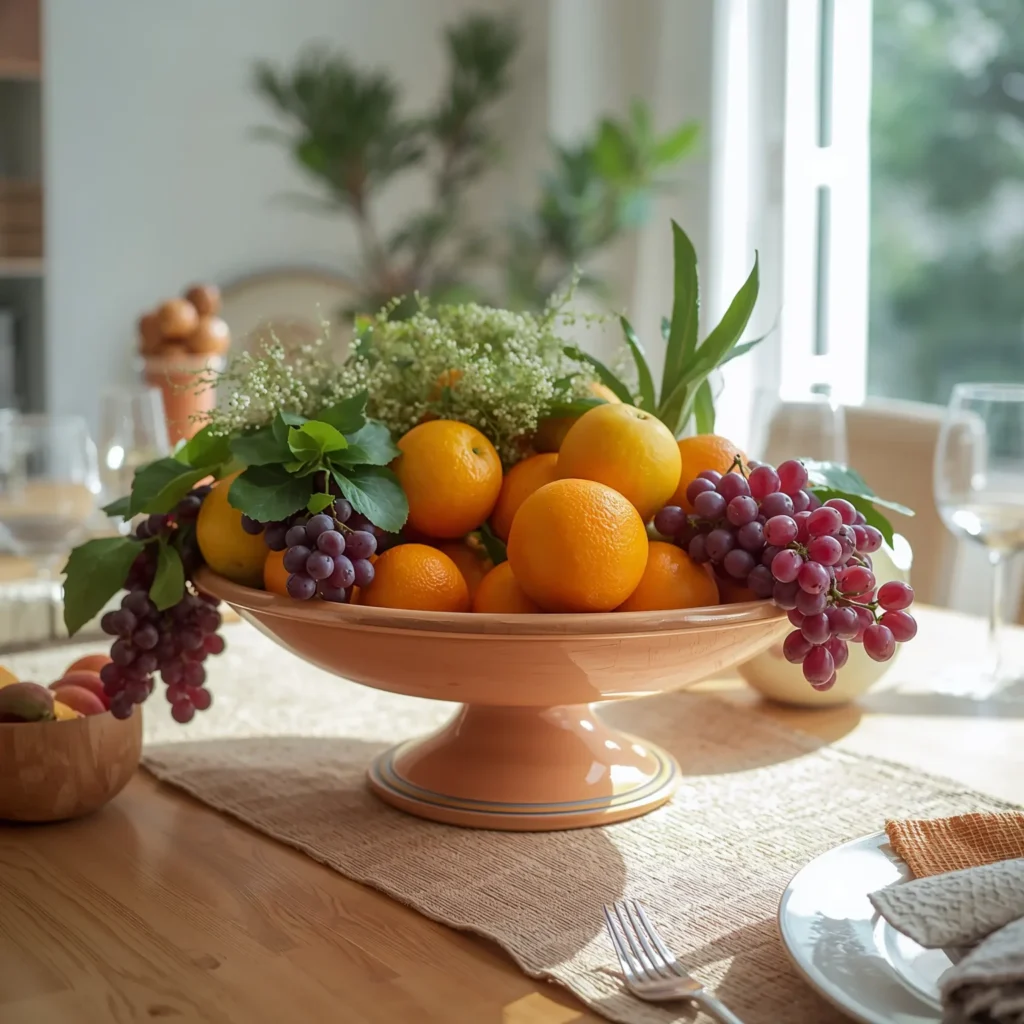
This one is criminally underused in home decor, given how much visual impact it delivers for essentially zero cost. A beautiful bowl filled with in-season fruit is both a centerpiece and a snack — functional decor at its most satisfying.
The key is choosing the right bowl and the right fruit combination. A footed ceramic bowl or a wide, shallow platter gives you much more visual drama than a plain glass bowl. Fill it generously — you want abundance, not a few sad pieces of fruit rattling around at the bottom. Heap it up, let things spill slightly over the edge, and don’t worry about perfect arrangement.
Seasonal Fruit Combinations That Look Stunning
Spring: Lemons, limes, small oranges, and a few stems of fresh mint. The citrus palette brings freshness and brightness that perfectly mirrors the season.
Summer: Peaches, plums, cherries, and dark purple figs. The warm, jewel-toned colors create a genuinely gorgeous still-life quality.
Autumn: Apples, pears, persimmons, and clusters of red grapes. Add a few small gourds or a cinnamon stick or two for an earthy, spiced character.
Winter: Pomegranates, blood oranges, clementines, and walnuts in their shells. The deep reds and warm oranges are visually stunning against a bare winter table.
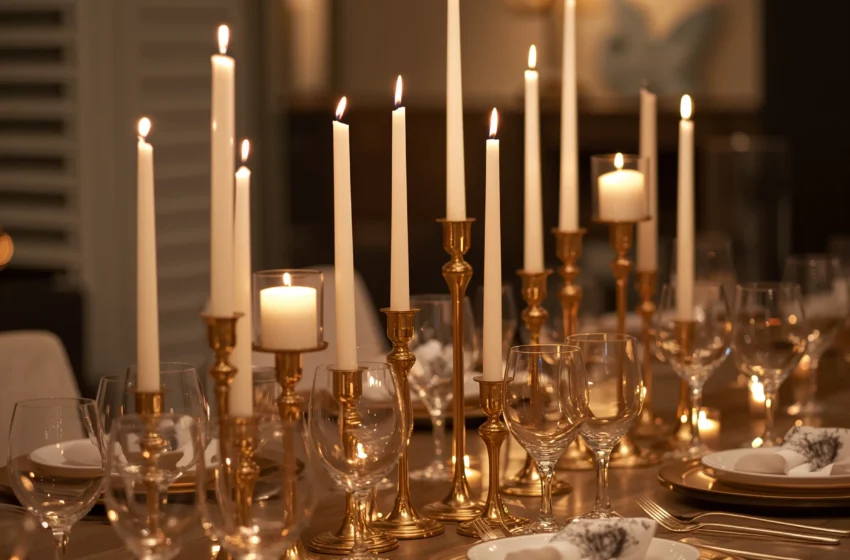
4. Elegant Candlelight Setups
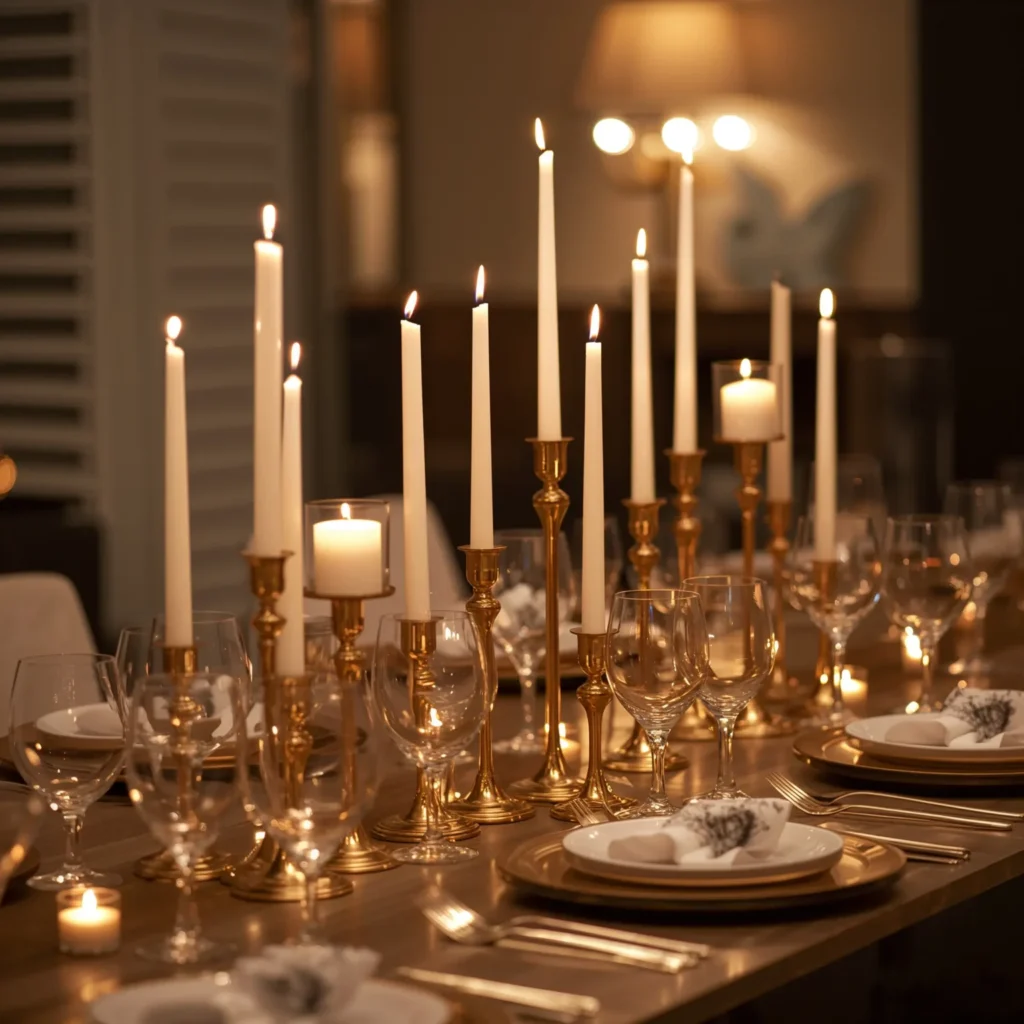
Candlelight does something to a dining room that no other light source can replicate. It softens everything — faces, colors, the mood of the entire meal. A thoughtfully arranged candle display can turn a weeknight dinner into something that feels genuinely special without a single extra item on the menu.
The mistake most people make with candle displays is going too matched and uniform. A set of four identical candlesticks in a row is fine, but it lacks personality. What looks truly extraordinary is a gathered cluster of candles at varying heights, mixed materials, and different forms — tapers, pillars, votives — all burning together.
Creating a Layered Candle Display
- Anchor with height. Choose one tall taper candle (12 to 18 inches) as the focal point of your arrangement.
- Build downward. Add medium-height pillar candles and classic candlesticks at varying heights around the tall anchor.
- Fill in with votives. Small votive candles at table level tie the arrangement together and add warmth at every height.
- Add non-candle elements. Intersperse small botanical touches — a sprig of dried lavender, a few smooth pebbles, a small piece of driftwood — to make it feel lived-in rather than shop-window perfect.
Safety note: If you have young children, pets, or an enthusiastic storyteller who gestures with their hands at dinner, battery-operated LED candles have reached a quality where they’re genuinely indistinguishable at a glance — and they won’t set fire to anyone’s sleeve.
5. Modern Black-and-White Tablescape
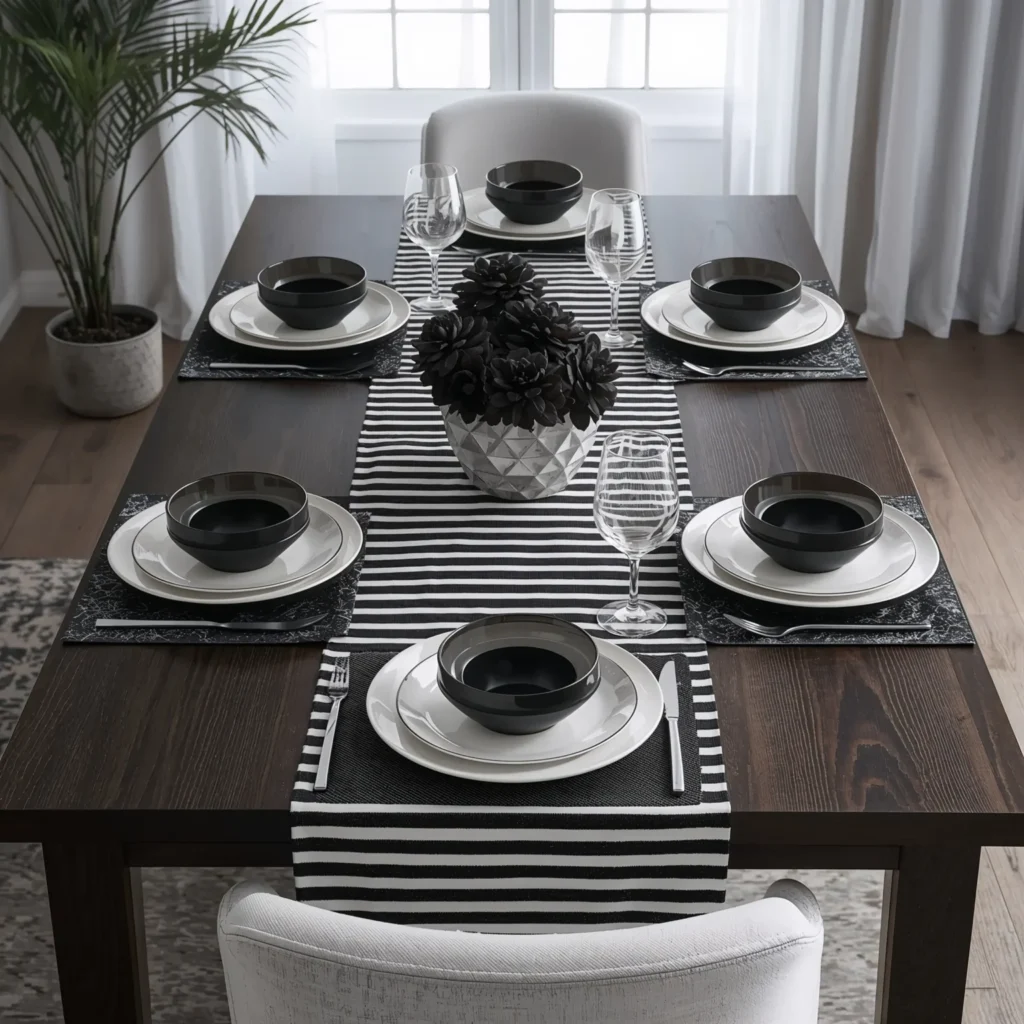
When in doubt, edit. The black-and-white tablescape is the sartorial equivalent of a classic white shirt and well-cut trousers — it never goes out of style, it looks sharp in every context, and it makes everything around it look better. Applied to a dining table, it’s a foolproof strategy for elegant simplicity.
The architecture of a monochromatic tablescape is straightforward: white as the primary canvas (linens, dishes, flowers), black as the accent and grounding element (napkins, charger plates, candle holders, simple vases), and one metallic note — either gold or silver, not both — to add warmth or coolness respectively.
Getting the Black-and-White Balance Right
The ratio matters. Too much black and the table feels heavy and formal to the point of being unwelcoming. Too much white and it looks clinical. A good starting point: 70% white, 25% black accents, 5% metallic. White linen runner, white dishes, white flowers — then black napkins folded simply, black candle holders, a matte black vase. The metallic might be gold cutlery or silver napkin rings.
Style note: Fresh white flowers — white ranunculus, white tulips, white garden roses — in a simple black or clear glass vessel are the finishing touch that elevates the whole arrangement from stylish to genuinely beautiful.
6. Vintage Books with Floral Accents
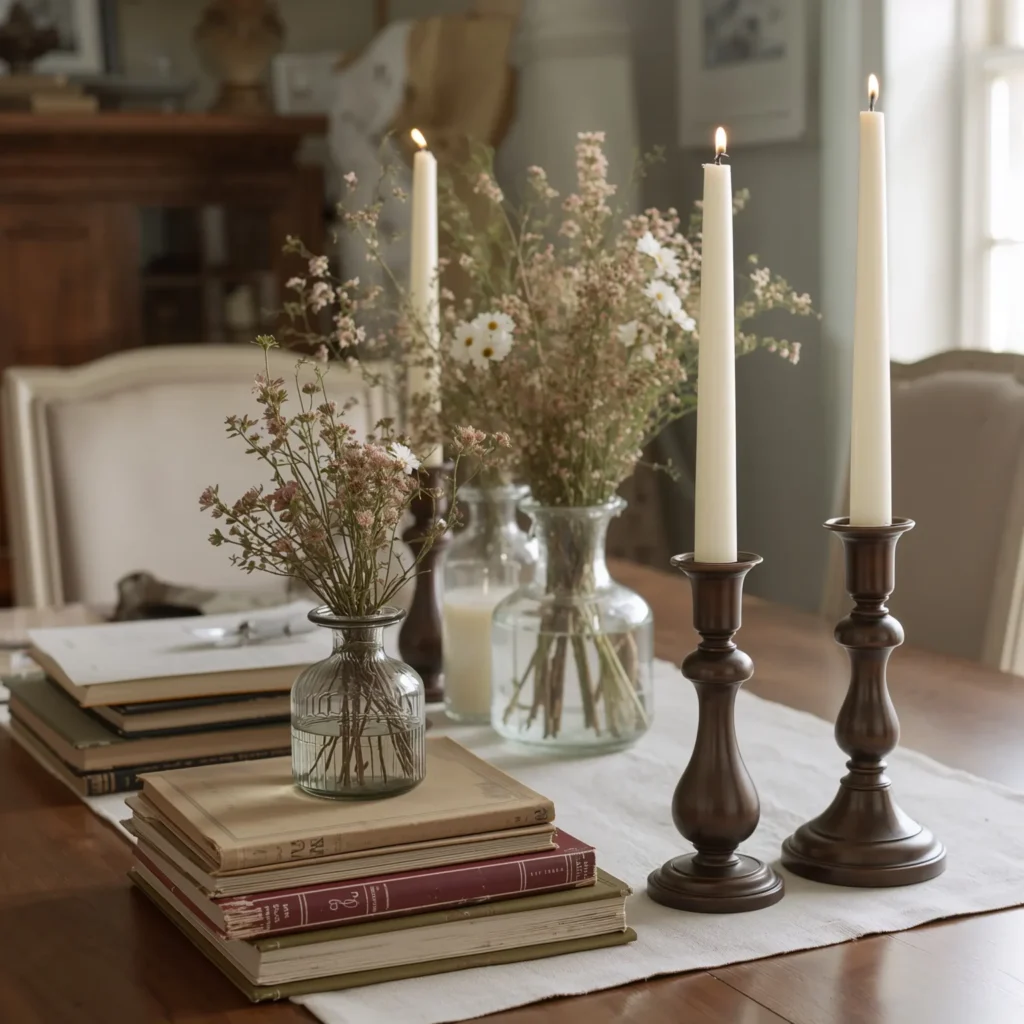
If there is a single dining table decor idea that feels simultaneously intellectual, romantic, and approachable, it is this one. Stacked vintage books used as risers for small floral arrangements bring a layer of personality and literary charm that purely decorative objects rarely achieve.
The books themselves are part of the decor — their spines, their worn covers, the sense of time they carry. Pair them with a small bud vase of fresh or dried flowers sitting on top of the stack, and you have a centerpiece that feels both curated and genuinely personal.
Sourcing Books and Building the Display
Thrift stores, estate sales, and used bookshops are your hunting grounds. Look for books with attractive spines — leather-bound volumes, old hardcovers in muted or rich tones, or books with interesting typography on the cover. Avoid mass-market paperbacks; they never quite achieve the same quality of presence.
Stack two to four books of varying sizes, slightly offset from each other rather than perfectly aligned. Place the vase or small plant on top. You can also open one book to a page with interesting typography or illustrations and lay it flat beneath the arrangement for an added layer of visual interest.
7. Woven Table Runners with Textured Layers
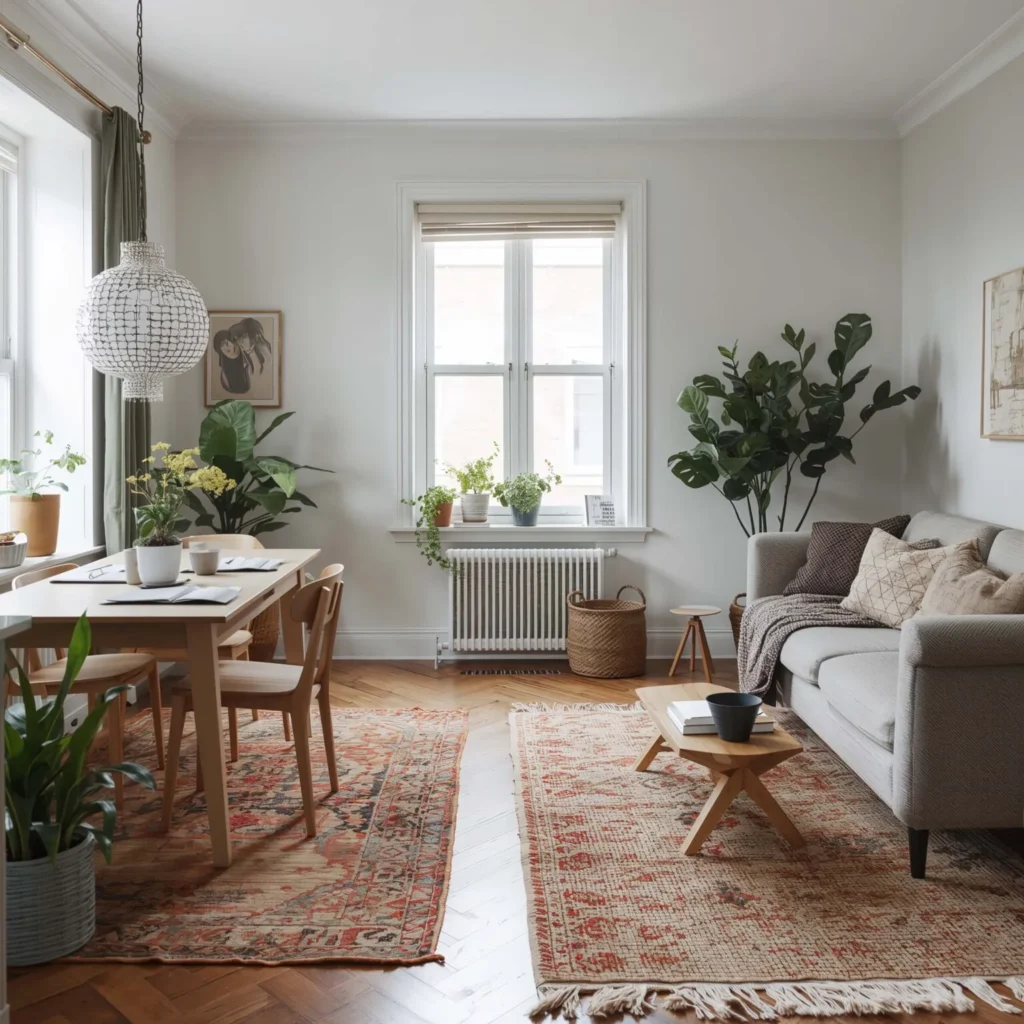
A table runner is one of the quickest and most impactful changes you can make to a dining table. It immediately adds a layer of visual definition, draws the eye along the length of the table, and gives your centerpiece objects something to sit on that looks intentional rather than random.
Woven runners in natural fibers — jute, seagrass, linen, cotton — are particularly wonderful because they add texture as well as color. And texture is one of the most underused elements in home decor. Layering a woven runner over a bare wooden table and then placing objects on and around it creates a richness that a tablecloth alone can never quite achieve.
The Art of Layering Textiles on a Dining Table
Don’t feel limited to a single runner. Layering a linen placemats over a woven runner, or a sheer cotton runner over a heavier linen cloth, creates depth and visual interest that a single layer rarely achieves. The key is varying textures and keeping colors harmonious — you’re not trying to create contrast between the layers, you’re building a composition.
8. Fresh Herb Garden in Tiny Pots
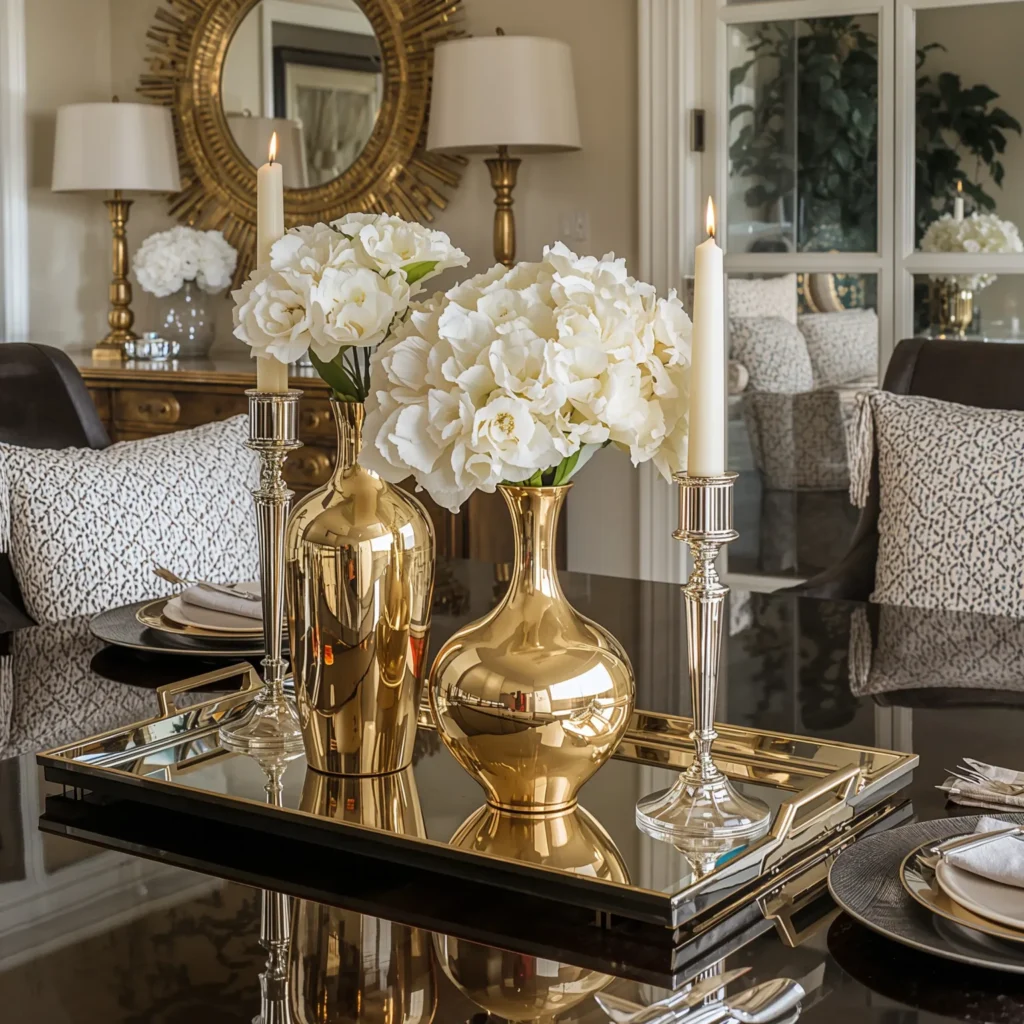
This is one of those ideas that feels almost too clever — decor that is also genuinely useful. A cluster of small herb pots along the center of your dining table is fragrant, living, beautiful, and practical. Guests can pinch a sprig of rosemary or basil and add it to their plate. Children will find it endlessly interesting to touch and smell.
Terracotta pots are the classic choice, and they remain the best for this purpose — their warm, earthy tones complement almost any dining room palette, and they age beautifully. Plant them with the herbs you actually use: basil, thyme, rosemary, mint, or chives. Keep them small enough that they don’t overwhelm the table, and group them in clusters of three or five.
Making the Herb Garden Display Look Polished
The presentation matters as much as the herbs themselves. Group pots on a wooden tray or a long rectangular platter to give the arrangement containment and cohesion. Label the pots with small handwritten tags if you’re hosting guests who may not recognize all the varieties. Add one or two decorative objects — a small smooth stone, a tiny votive candle — to the tray to turn it from a garden center display into a genuine centerpiece.
9. Sculptural Ceramic Centerpieces
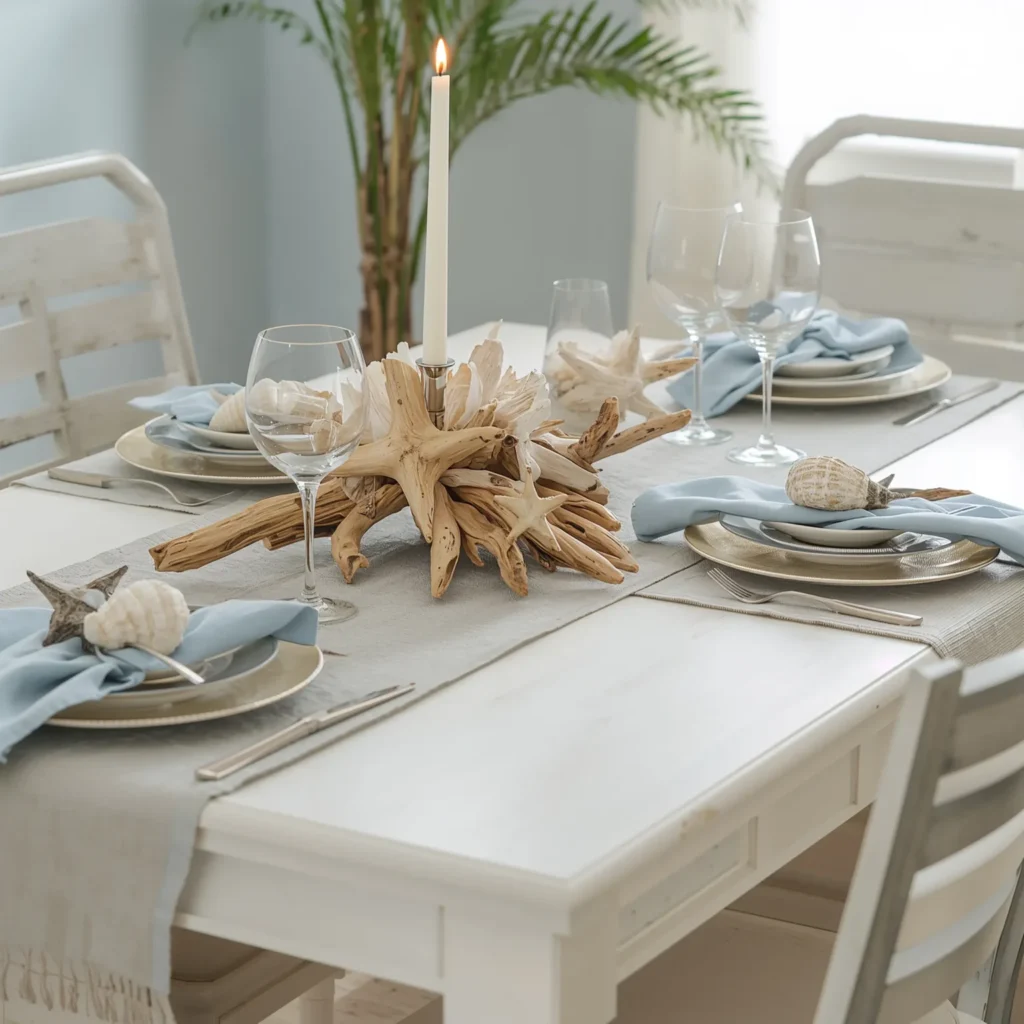
Art doesn’t have to live only on the walls. A beautiful piece of ceramic work — whether it’s a handmade vessel, an abstract sculptural form, or a beautifully glazed decorative bowl — can anchor a dining table with genuine artistic presence.
The appeal of ceramics as table decor is their material warmth. Unlike glass or metal, ceramic has a quality of touch that reads even across a room — you can see the handmade quality, the imperfections, the beautiful variation in glaze. It connects your table to craft and human skill in a way that mass-produced decor simply cannot.
What to Look For in a Ceramic Centerpiece
Seek out pieces from local ceramicists, small-batch potters, and artisan markets. The uniqueness matters — a one-of-a-kind piece creates conversation and has a presence that factory-produced ceramics cannot match. Look for interesting glazes (matte, reactive, ash-fired), unusual forms, or beautiful surface texture. A single extraordinary piece is almost always better than several mediocre ones.
10. Lantern and Tealight Clusters
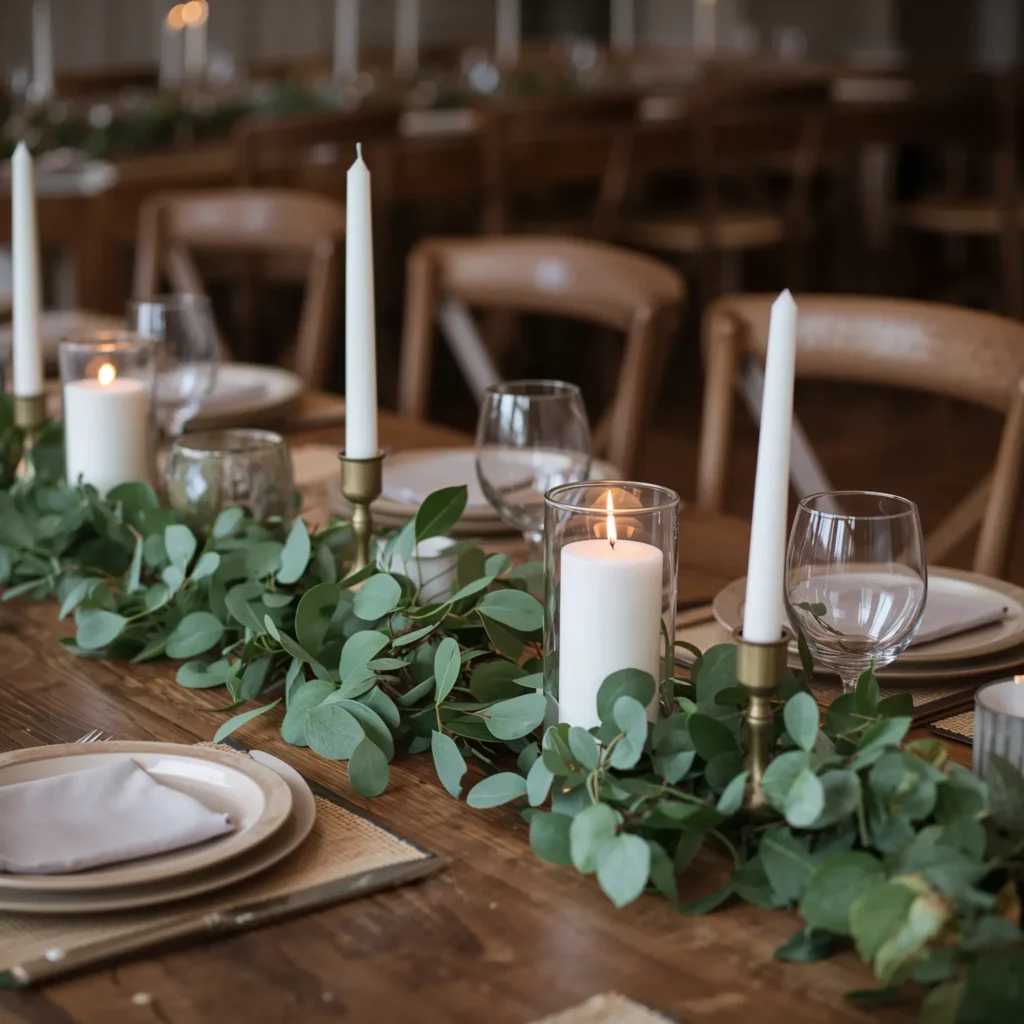
Lanterns bring something uniquely warm and inviting to a dining table — they enclose candlelight in a way that makes it feel precious and protected, rather than just functional. A cluster of lanterns at varying heights, mixed with scattered tealights, creates the kind of atmospheric lighting that makes dinner guests settle in and stay for another glass of wine.
The diversity of lantern styles available today means you can find something for virtually every aesthetic. Moroccan brass lanterns with pierced detailing suit a rich, maximalist dining room. Simple matte black iron frames work in industrial or modern spaces. Natural rattan or bamboo lanterns are perfect for warm, organic, or coastal-inspired interiors.
Styling a Lantern Cluster for Maximum Impact
Group lanterns in odd numbers — three is the most workable for most dining tables. Vary the heights significantly: a tall lantern (16 to 20 inches), a medium one (10 to 12 inches), and a small one (6 to 8 inches) creates an appealing silhouette. Scatter a handful of tealight holders around the base of the lanterns to extend the light downward and create a unified glow across the whole arrangement.
11. Seasonal Wreaths as Table Centerpieces
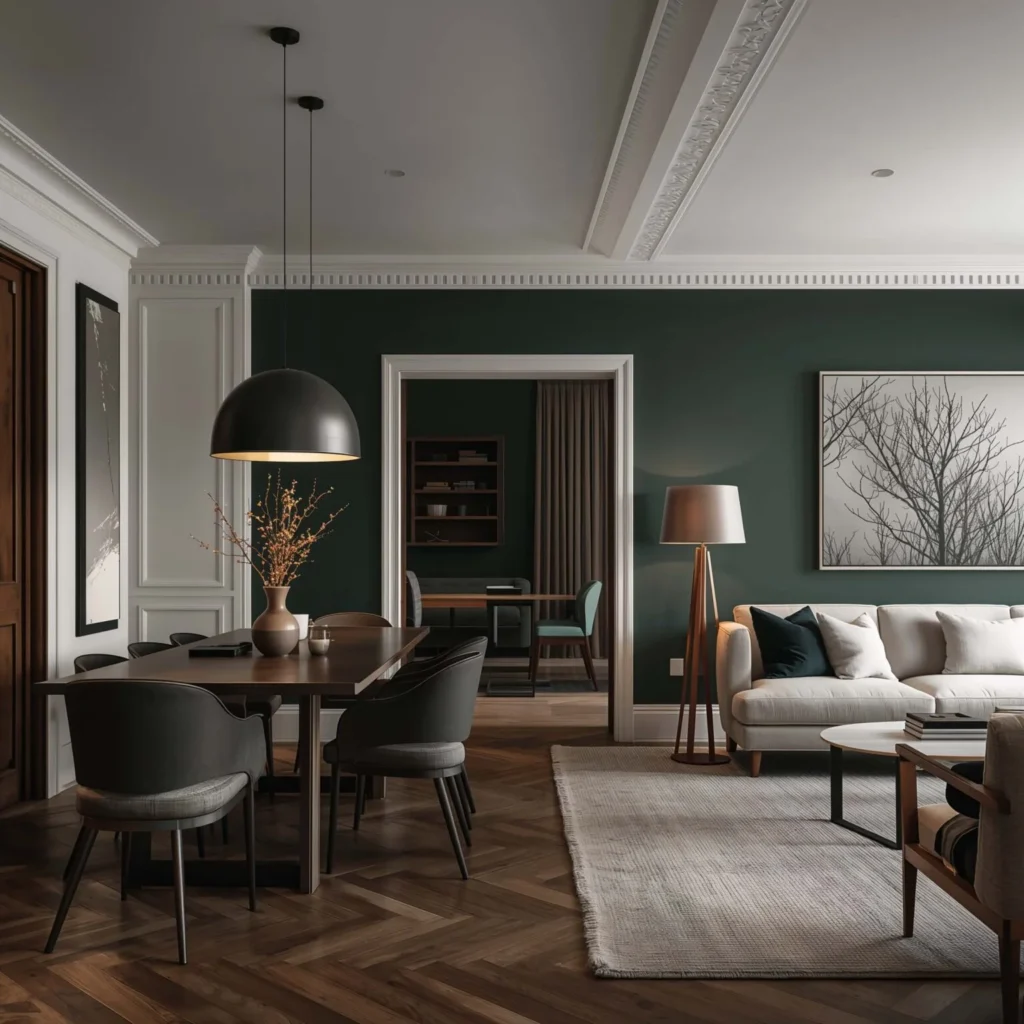
This is a genuinely underused idea, and one that pays off beautifully when done right. A seasonal wreath laid flat at the center of a dining table — rather than hung on a door — creates a circular frame into which you can nest candles, small vases, or seasonal objects. It’s one of the most visually cohesive centerpiece arrangements you can create, because the wreath unifies everything within it.
For autumn, a wreath of dried fall foliage and seed pods with three taper candles in the center. For winter, evergreen boughs interspersed with pine cones and small ornaments. For spring, a wreath of fresh garden herbs and soft blooms. For summer, eucalyptus and dried citrus slices with a central candle lantern. Each season gets a version that feels completely natural and seasonally appropriate.
12. Marble and Metallic Accents
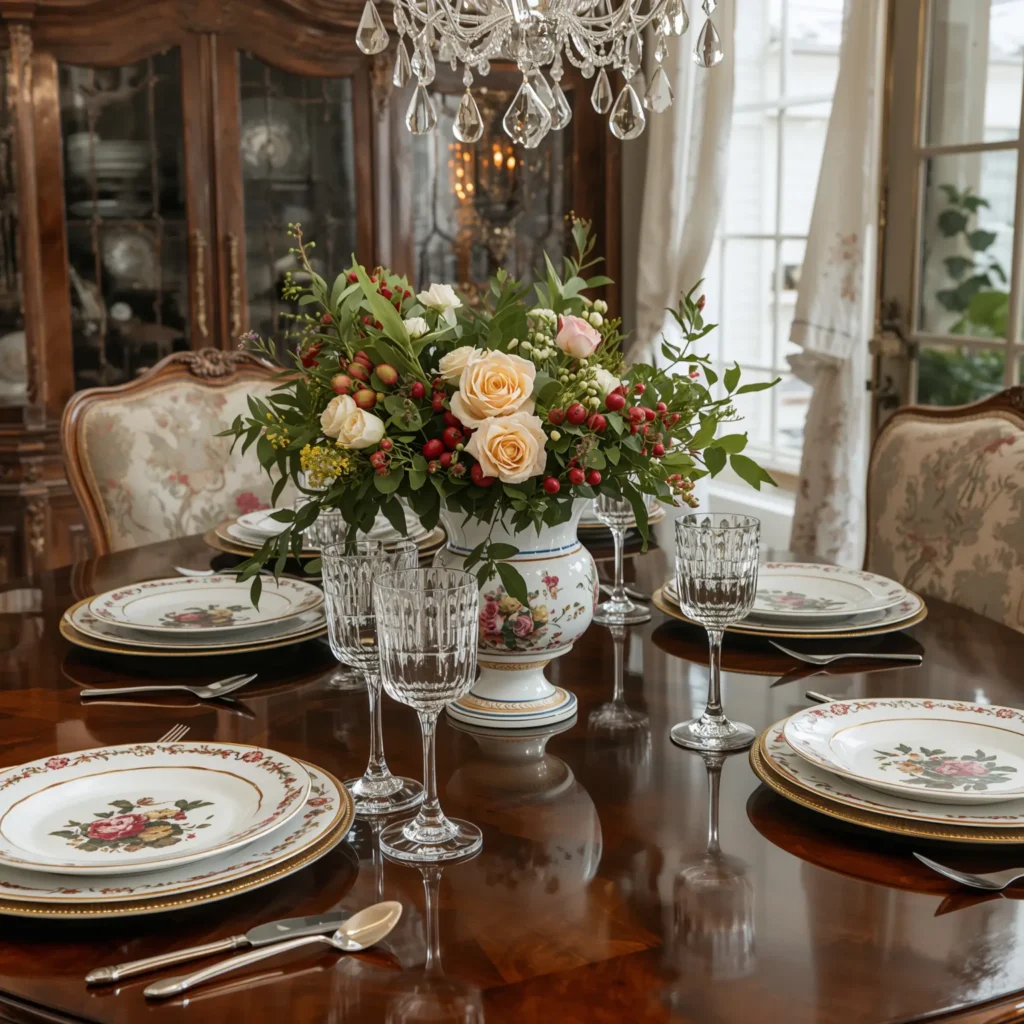
If you want your dining table to look genuinely elevated without spending a fortune on furniture upgrades, marble and metallic accents are your most powerful tools. These materials carry inherent associations with quality and sophistication — and even in small doses, they shift the entire register of a table setting.
A marble cheese board used as the base for a centerpiece arrangement. A set of gold or brushed brass candlestick holders. A small marble bowl for holding fruit or botanical objects. A polished copper vessel holding a single branch. These individual elements are often affordable, but their combined effect is disproportionately luxurious.
Mixing Marble and Metal Without Overdoing It
The key with these materials is restraint. One marble surface and one metallic tone is the right formula for most dining tables. If you add more marble and more metal, the table starts to feel more like a showroom than a dining space. Let the quality of the materials speak without overcrowding them.
2025 trend note: Warm metals — antique brass, unlacquered brass, aged gold — are having a significant moment and pair particularly beautifully with marble that has warm undertones (cream, beige, soft gold veining).
13. Low Floral Arrangements
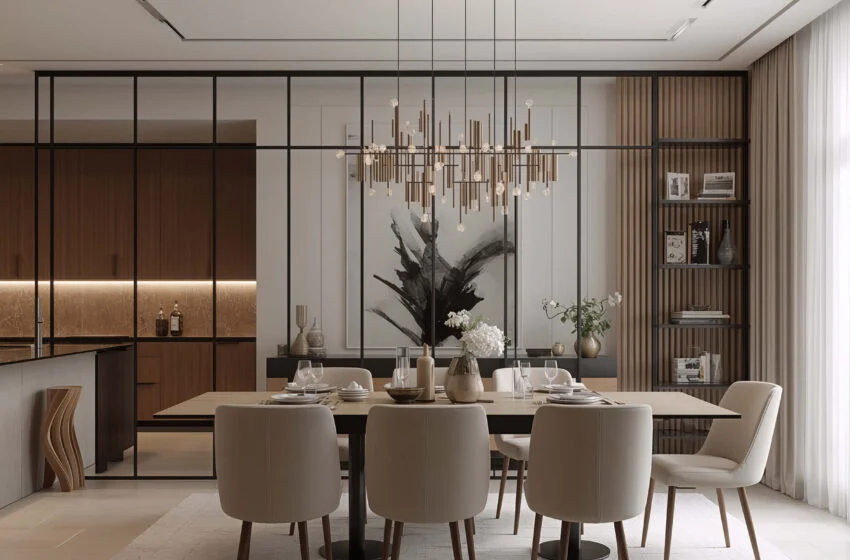
Here is a dining table decor principle that professional event designers have known for years and that most homeowners overlook entirely: the height of your floral centerpiece matters enormously. Tall flower arrangements are beautiful in theory, but in practice they block eye contact across the table and interrupt conversation. Low arrangements keep sightlines open while still delivering full visual impact.
A low, wide arrangement — flowers cut to 4 to 6 inches above the table surface, spread across a wide, shallow vessel — actually reads as more generous and abundant than a tall, narrow arrangement. It feels like the table itself is blooming. And it means everyone at dinner can see and talk to everyone else without ducking around a floral obstacle.
The Best Vessels for Low Floral Arrangements
Wide, shallow bowls, low footed compotes, broad rectangular vases, and even simple wide-rimmed plates with floral foam can all work beautifully. For a particularly lush look, pack flowers tightly rather than spacing them out — you want a dense, meadow-like quality rather than the sparse elegance of a tall single-stem arrangement.
14. Dried Flower and Pampas Grass Displays
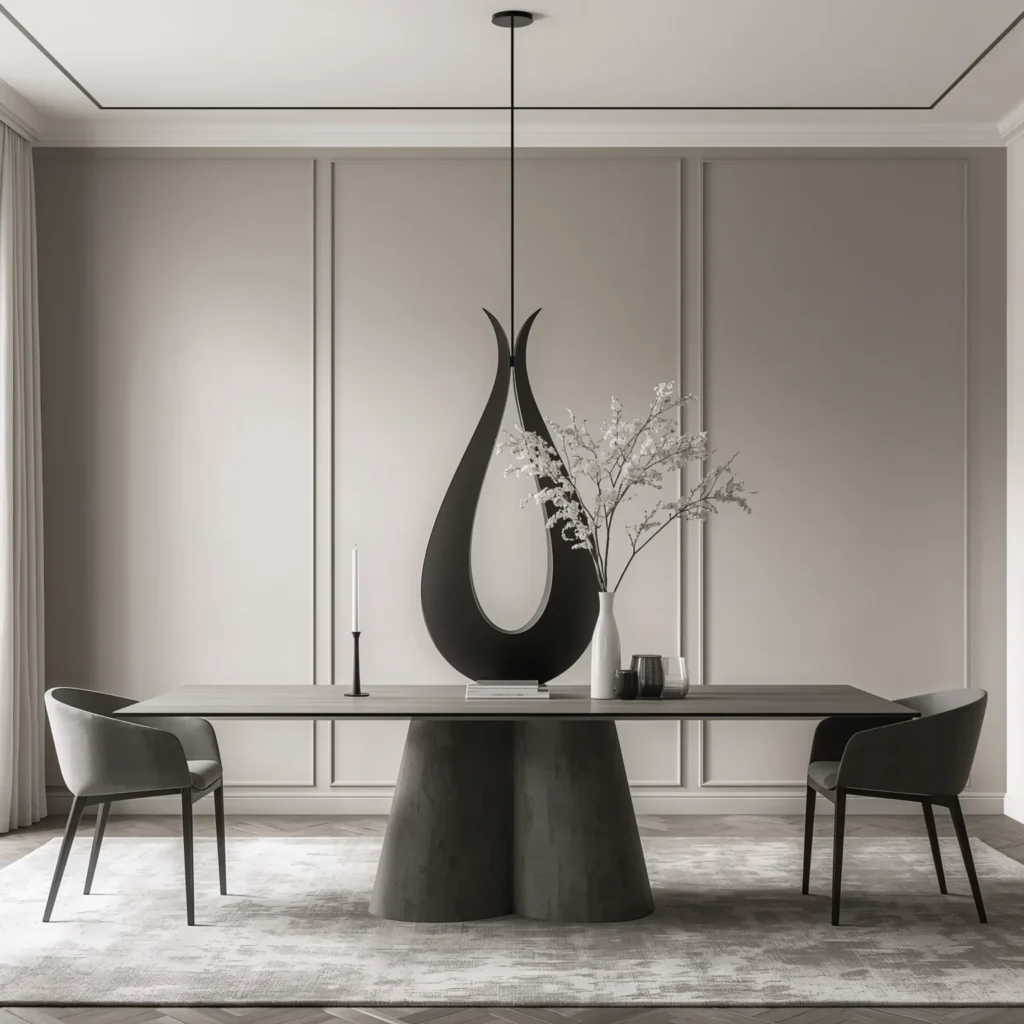
Dried botanicals have had a remarkable rise in the world of home decor over the past several years, and they’ve earned their place at the dining table. Unlike fresh flowers, dried arrangements last for months or even years. They never droop, never lose petals into your soup, and develop a beautiful silvery quality as they age that feels genuinely artful.
Pampas grass in particular — with its feathery, architectural plumes — creates a statement centerpiece that is both dramatically striking and endlessly versatile. Pair it with dried lavender, bleached ruscus, dried lunaria seed pods, and cotton stems for a display that is rich in texture and subtle in color.
Styling Dried Botanicals Without Looking Faded
The biggest concern most people have with dried florals is that they look dusty or past their prime. The solution is to choose high-quality dried materials (not grocery store dried herbs) and to replace them seasonally rather than waiting until they look genuinely tired. Also, keep them out of direct strong sunlight, which fades them dramatically faster.
15. Layered Linen and Napkin Styling
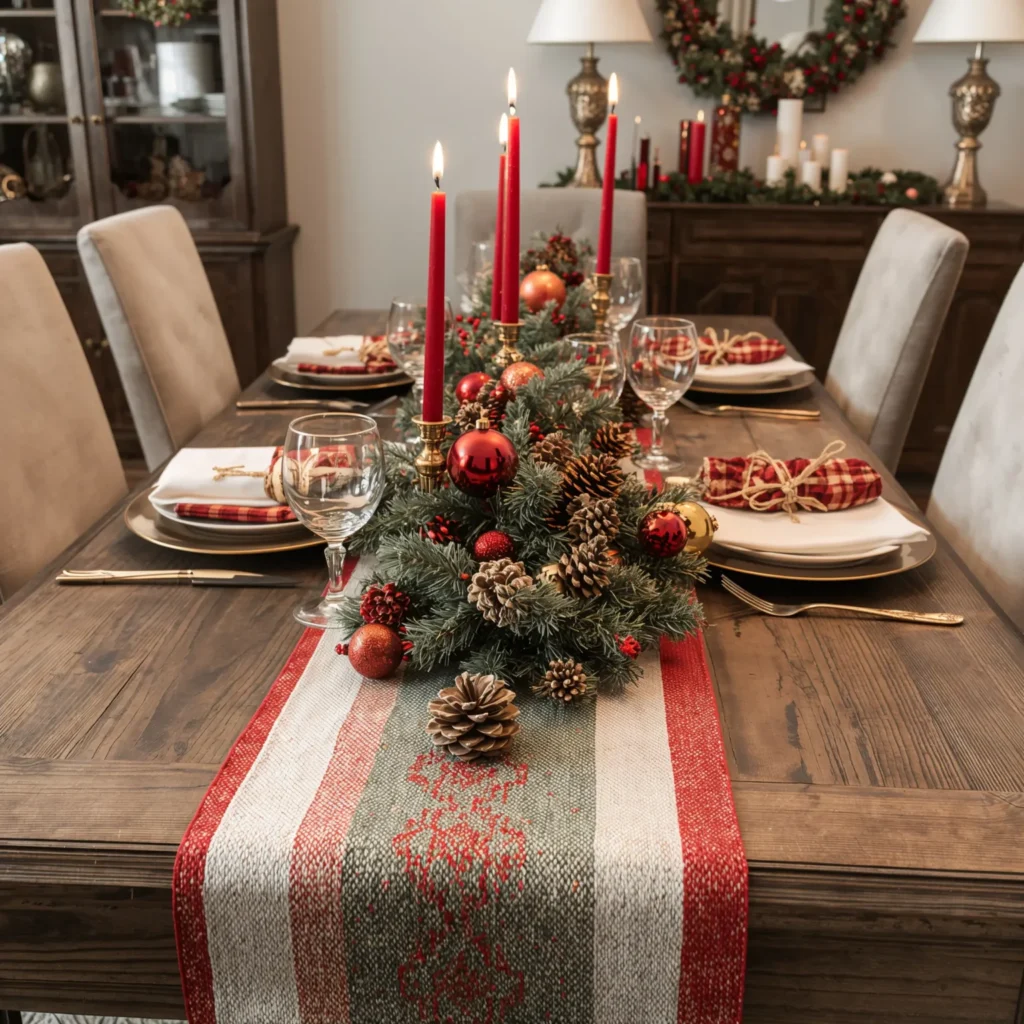
The fabric elements of your table setting are often treated as an afterthought — functional, necessary, but not really decor. This is a missed opportunity. Beautifully selected and styled linens can completely transform the character of a dining table, adding color, texture, and a sense of occasion before a single piece of food or a single centerpiece object has been placed.
Linen, specifically — not poly-cotton, not stiff formal damask, but genuine linen fabric — has a quality that no other table textile matches. It has natural variation, a beautiful irregular texture, and a relaxed, slightly rumpled character that is at once casual and deeply sophisticated. A simple linen runner in a warm natural tone elevates a table more than almost any other single addition.
The Art of Napkin Folding and Placement
You don’t need to create elaborate origami napkin swans. A clean, simple fold matters far more than a complicated one executed sloppily. The most elegant napkin presentation for a dining table: a large square linen napkin folded into thirds lengthwise and placed to the left of the plate, or loosely gathered and laid across the plate with a simple napkin ring. That’s it. Simple is almost always better.
Essential Principles for Beautiful Dining Table Decor
Scale: The Rule Most People Break
The single most common mistake in dining table decor is working too small. A tiny centerpiece on a large table looks lost and accidental. When you think you’ve found the right-sized centerpiece, try going one size larger. It will almost always look better. The table needs to feel anchored, and undersized decor simply doesn’t achieve that.
The Odd Number Rule
When grouping objects on a dining table — whether candles, small plants, ceramic objects, or anything else — group them in odd numbers. Three is ideal for most tables. Five works for longer, larger surfaces. Even numbers create a symmetry that feels static and a little lifeless. Odd numbers create visual tension and movement that’s far more interesting.
Don’t Neglect the Light
Your table decor looks completely different at noon with sunlight streaming through the windows versus at 7 p.m. with evening lighting. Make decisions about your decor in the light conditions you’ll actually use it in. Evening dining room light is warmer, dimmer, and more forgiving — and it changes what looks good. A centerpiece that feels subdued in daylight may be exactly right in candlelight.
Edit, Then Edit Again
The most common path to a cluttered, overwhelming table arrangement is adding “just one more thing.” Develop the discipline to edit. Once you’ve put together what you think is your arrangement, remove one item. Does it look better? Often it does. The white space on a table — the bare wood or linen visible between objects — is not emptiness. It’s breathing room, and beautiful tables need it.
Frequently Asked Questions
What is the most popular dining room table centerpiece in 2026?
The most popular dining room table centerpiece in 2026 combines natural materials, organic textures, and earthy tones — think terracotta pots, dried botanicals, natural fiber runners, and warm metallic accents in brass or aged gold. There’s a broader move away from overly polished, matchy-matchy setups toward arrangements that feel curated, personal, and grounded in natural materials.
How do I decorate a small dining table without overcrowding it?
For small dining tables, simplicity is your greatest asset. Choose a single centerpiece object — one interesting vase, one ceramic bowl, one small cluster of three candles — rather than a complex arrangement. Keep it low so it doesn’t dominate the limited visual space. And leave the table relatively clear on non-occasion days; the negative space is part of the design, not a problem to solve.
What should go in the center of a dining room table?
The center of a dining table is best occupied by something that creates visual interest without obstructing conversation — which means keeping it relatively low, relatively contained, and appropriately scaled to your table size. Classic choices include a low floral arrangement, a grouped candle display, a wooden tray vignette, or a beautiful bowl of seasonal fruit. The best choice is whatever reflects your household’s personality and style.
How often should I change my dining table decor?
A good rule of thumb: refresh your everyday arrangement seasonally (four times a year), and create occasion-specific arrangements for significant events and gatherings. The seasonal refresh is an opportunity to update colors, swap in seasonal botanicals, and keep the decor feeling current and alive. More frequent changes are entirely welcome if you enjoy the process — but four times a year is a manageable minimum.
Do I need to spend a lot of money on dining table decor?
Absolutely not. Some of the most beautiful dining table centerpieces cost essentially nothing — a bowl of fruit from your kitchen, a clipping from your garden in a simple vase, a few pillar candles in mismatched holders collected from thrift stores over time. The quality that makes table decor beautiful is intentionality and curation, not price tag. A single $12 ceramic bud vase from a local potter can outperform a $200 arrangement from a home goods store if it’s placed with purpose.
Final Thoughts: The Table That Makes Dinner Worth Sitting Down For
The dining table is more than a piece of furniture. It’s where the day gets debriefed and where celebrations happen. It’s where families catch up and where friendships deepen over a shared bottle of wine and food that went cold because no one wanted to stop talking. It deserves decor that honors that.
The 22 ideas in this guide range from the beautifully simple to the genuinely spectacular, but they all share one quality: they make the table feel more like the center of something meaningful. They signal, to everyone who sits down, that this meal and this gathering are worth paying attention to.
You don’t need to implement all 22 ideas. You don’t need to overhaul your dining room or spend a significant amount of money. Start with one thing — the wooden tray you already own, the seasonal fruit sitting in your kitchen, the candles in the cupboard waiting for a special occasion — and put it on your table with intention. See how it changes the feel of dinner tonight.
The most beautiful dining rooms aren’t the ones with the most expensive furniture or the most carefully curated decor. They’re the ones where people clearly love to gather. Start there, and let the decor grow from that truth.
1 thought on “15 Stylish Dining Room Table Decor Ideas with Chic Looks”