
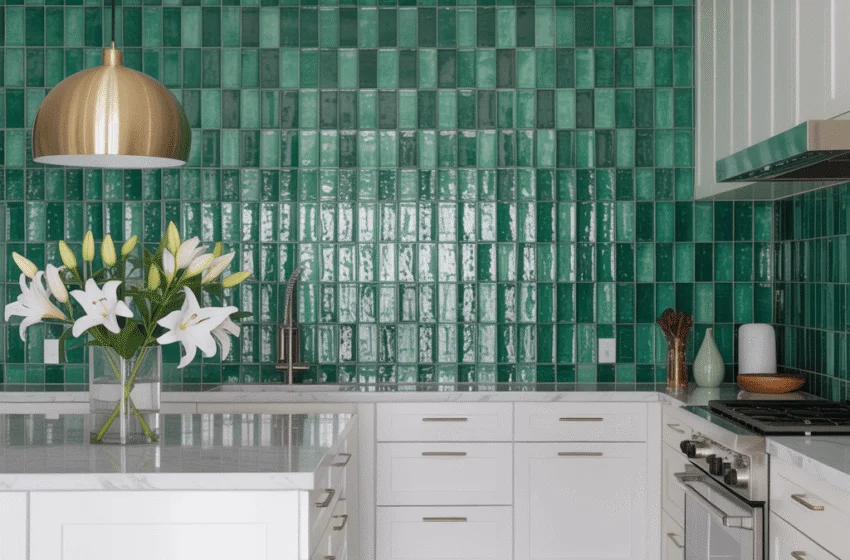
You know that feeling when you walk into a kitchen and it just stops you in your tracks? That’s what a beautifully painted green wall can do. Green is having a serious moment in interior design right now — and honestly, it’s not hard to see why.
From the calming whisper of sage to the bold confidence of emerald, green kitchen walls can completely transform how your space feels. Whether you’re tired of stark white walls or simply looking for a fresh way to breathe life into your kitchen, you’ve landed in the right place.
In this guide, we’re breaking down 15 of the best green kitchen walls ideas — each one real, workable, and seriously gorgeous. Let’s get into it.
1. Sage Green Accent Wall — Calm, Cool, and Collected
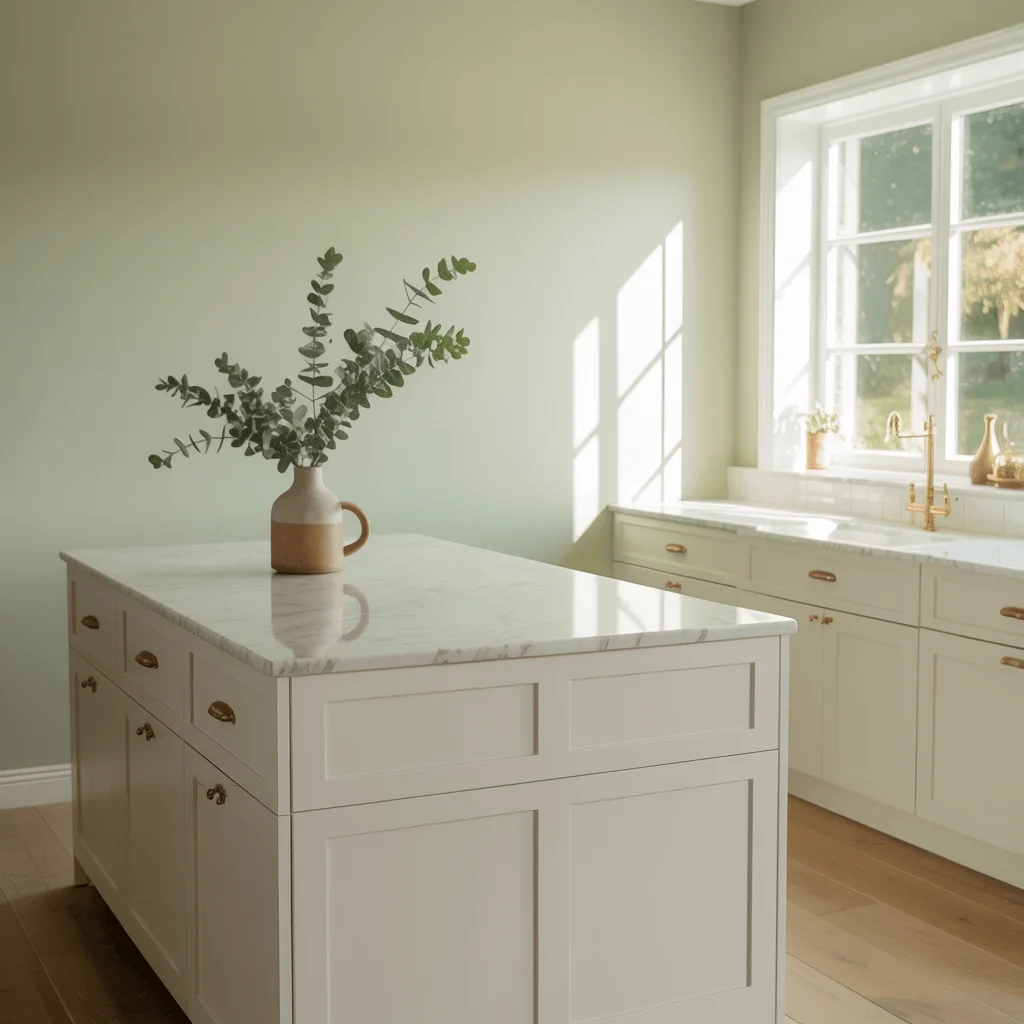
If you’re new to green walls and not quite ready to go all-in, a sage green accent wall is the perfect starting point. Pick the wall behind your stove, island, or the first thing you see when you walk into the kitchen — that’s your canvas.
Sage green has gray and brown undertones that make it incredibly easy to live with. It doesn’t clash with stainless steel appliances, and it photographs beautifully. The result? A kitchen that feels calm, current, and a little bit elevated — without screaming for attention.
Best paired with: White cabinetry, natural wood shelves, matte black hardware.
2. Olive Green Shiplap — Rustic Meets Refined
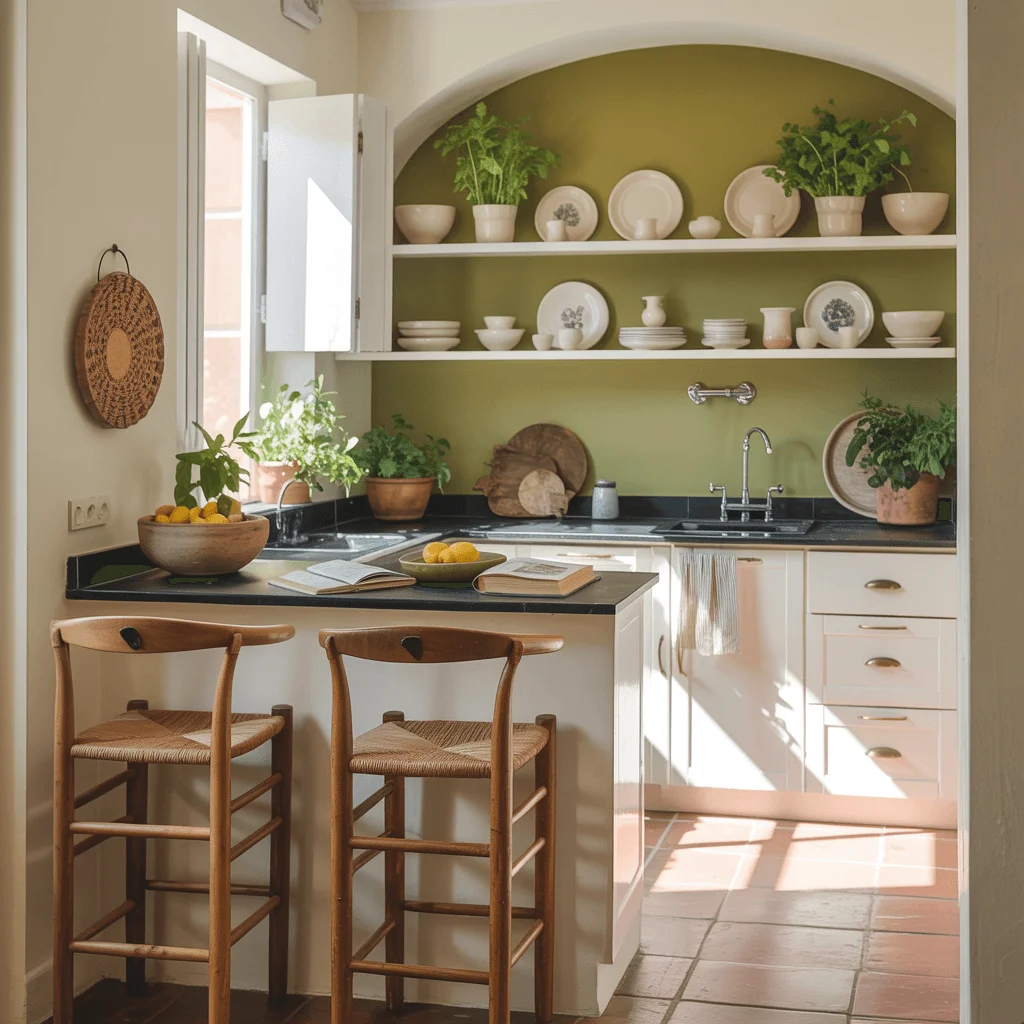
Shiplap isn’t just for farmhouse living rooms anymore. Painted in a warm olive green, it transforms a kitchen wall into something that looks genuinely custom and intentional.
The horizontal lines of shiplap add visual interest and texture, while the olive tone brings an earthy warmth that plain paint can’t quite replicate. It also hides minor wall imperfections — bonus if you’re working with an older home.
Go for an olive green with subtle gray undertones. It reads as sophisticated and expensive rather than army-surplus.
Best paired with: Butcher block counters, open shelving, vintage-style pendant lights.
3. Emerald Green Accent Wall — Drama Done Right
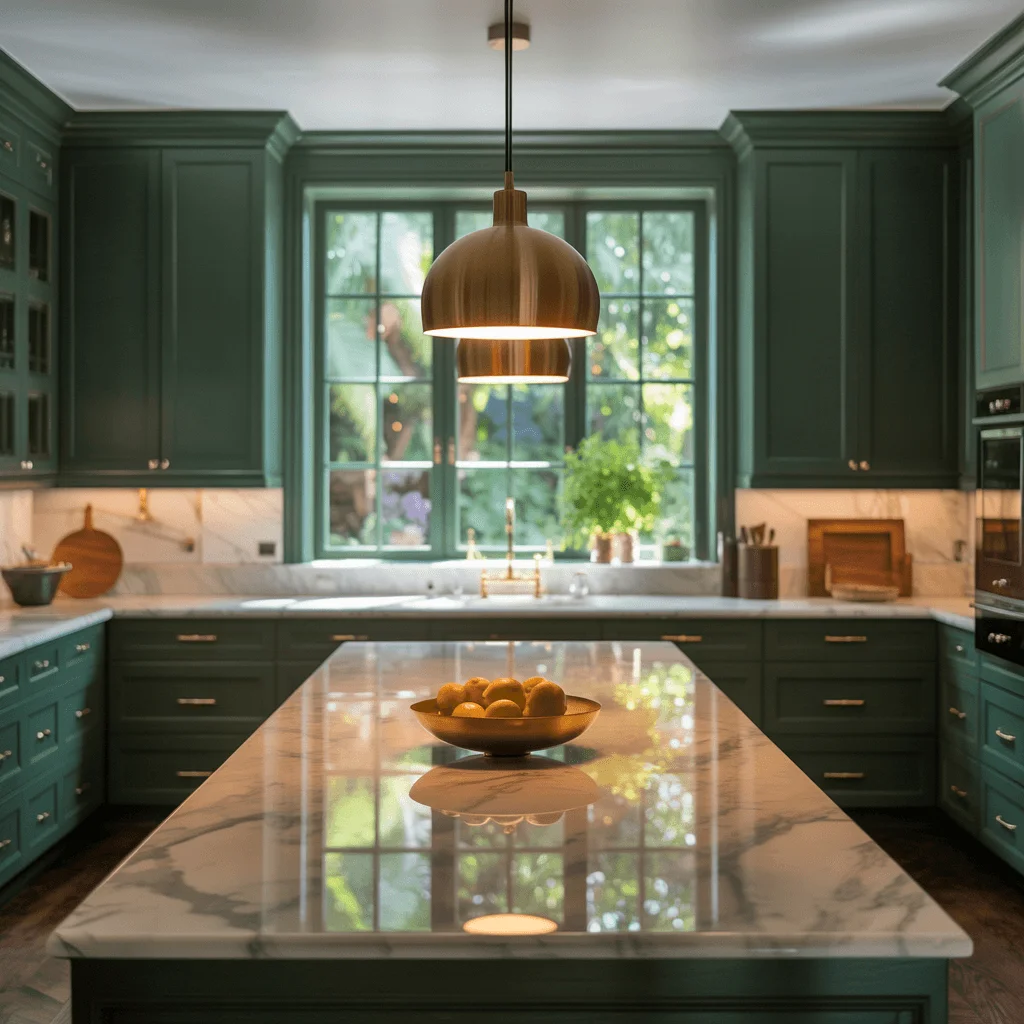
Emerald is for the bold. If you want your kitchen to make a statement, this is your shade. An emerald green accent wall behind open shelving or a kitchen island creates an instant focal point — the kind of thing you’d see in an interior design magazine and immediately screenshot.
The trick is balance. Pair emerald with white or cream on the remaining walls, and let marble countertops and metallic accents do the rest. The combination feels high-end and intentional.
Best paired with: Marble countertops, gold or brass fixtures, white subway tile backsplash.
4. Forest Green Full Room — The Moody Kitchen
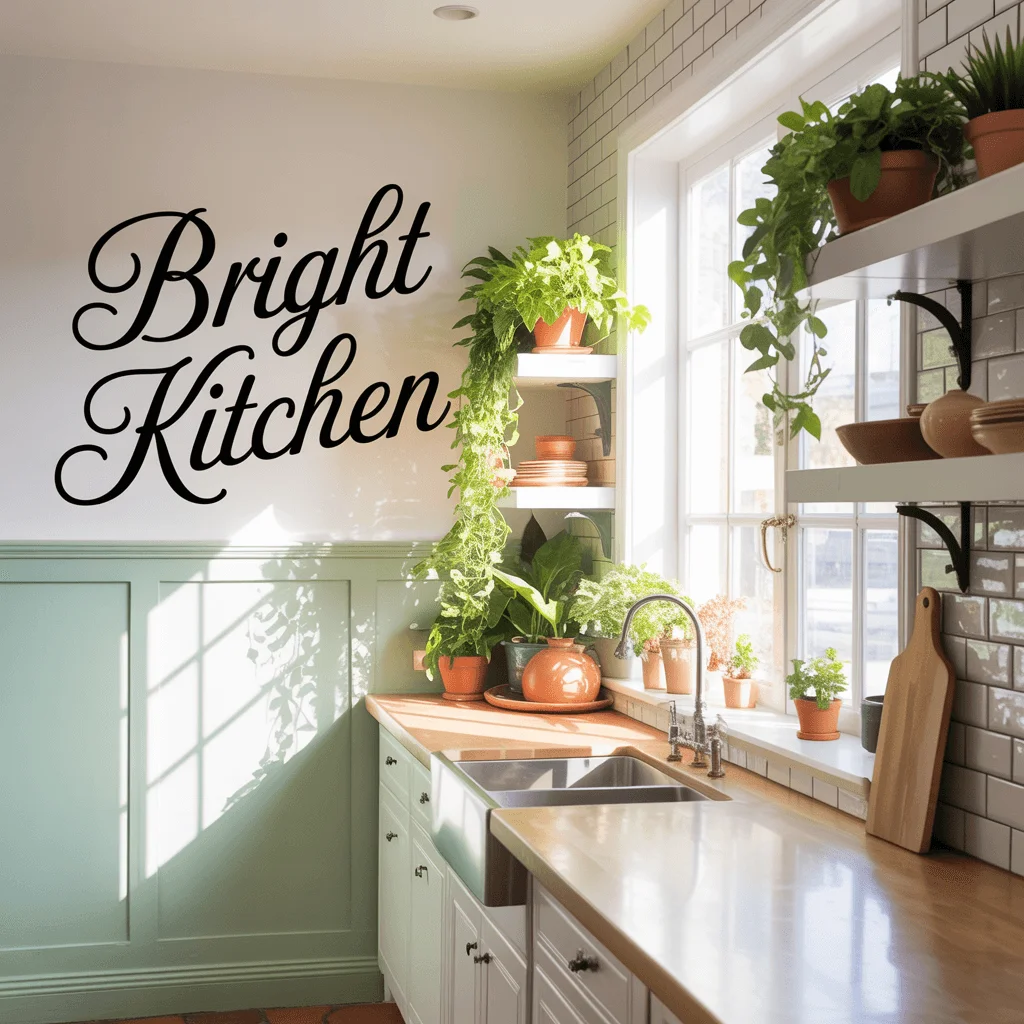
Full forest green walls might sound intimidating, but when done right, it creates the kind of cozy, enveloping atmosphere that makes you want to linger at the kitchen table long after dinner is done.
The key is layering. Warm lighting (think Edison bulbs or warm-white LEDs), natural wood textures, woven baskets, and linen textiles all work together to stop the space from feeling dark or closed-in.
This works especially well in kitchens that get a lot of natural light during the day — the green deepens beautifully as the evening sets in.
Best paired with: Warm brass hardware, dark wood floors, open shelving with natural items.
5. Mint Green Walls — Fresh and Retro at Once
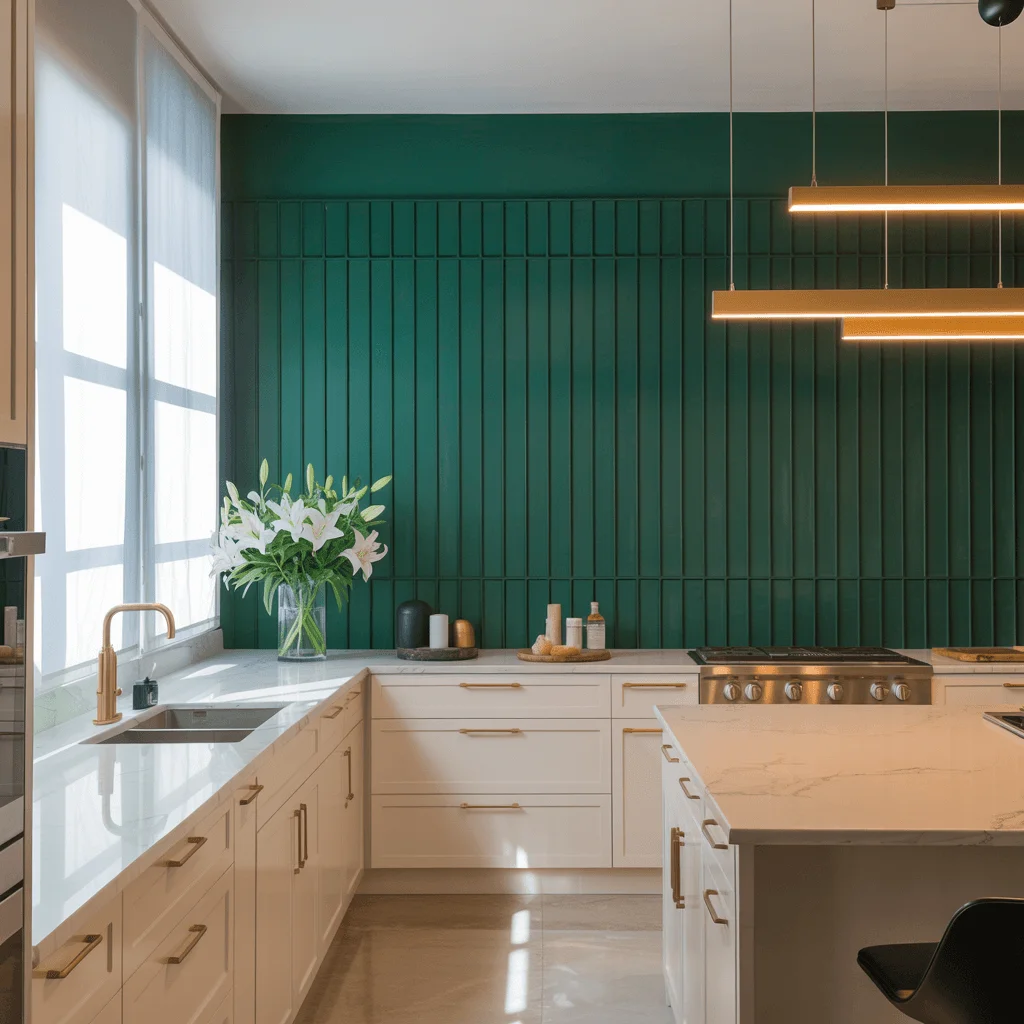
Mint is light, airy, and has a vintage quality that makes it perfect for kitchens that want a retro or Scandi-inspired look. Unlike deeper greens, mint bounces light around the room and works especially well in smaller kitchens that could use a visual boost.
Pair mint walls with vintage brass fixtures, a farmhouse sink, and simple open shelving for a look that feels both nostalgic and entirely current.
Best paired with: White or cream cabinets, antique brass hardware, checkerboard floors.
6. Sage Green with Wainscoting — Classic With a Twist
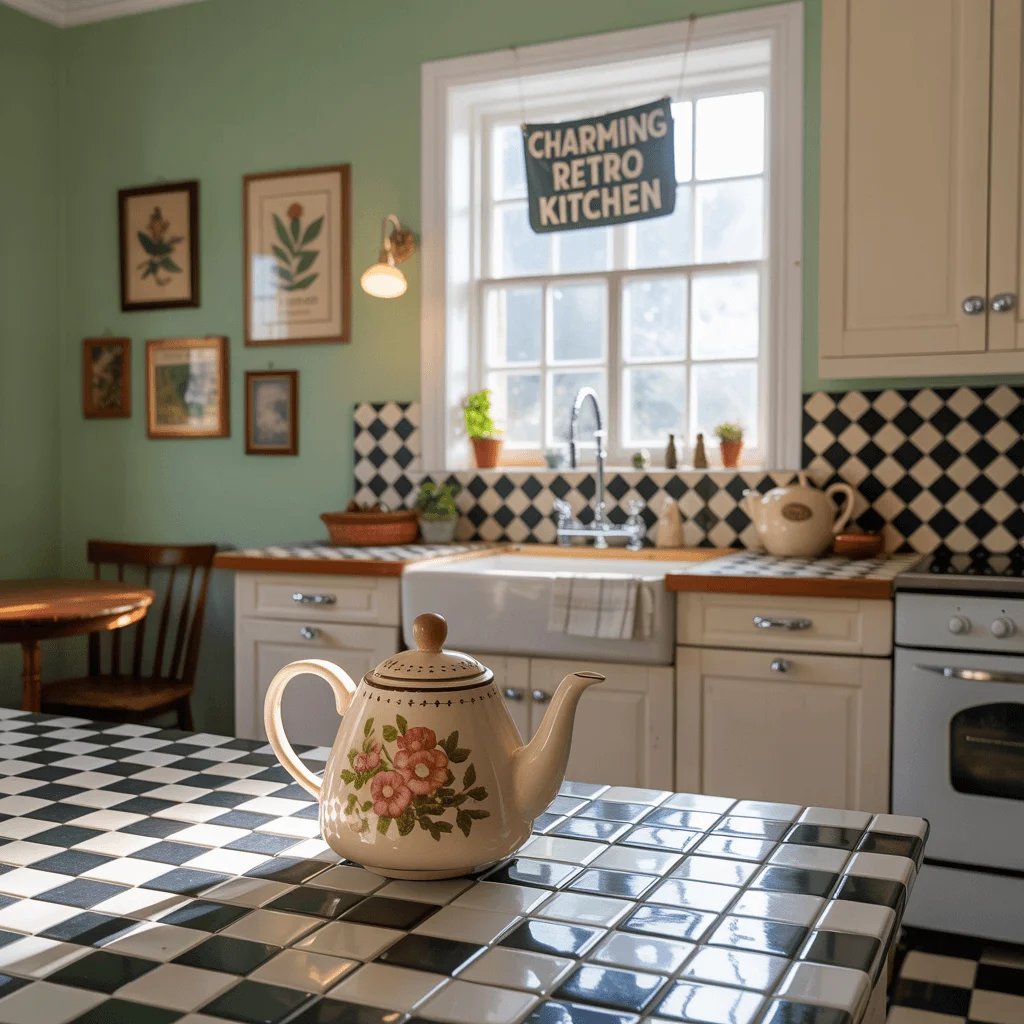
Wainscoting isn’t just a traditional detail — when painted in sage green and combined with a contrasting upper wall color (think off-white or warm cream), it creates a layered look that feels polished and intentional.
This approach works particularly well in eat-in kitchens or kitchens with a dining area. The defined lower and upper sections give the room a sense of structure without feeling stuffy.
Best paired with: Ivory or cream upper walls, solid wood furniture, vintage pendants.
7. Dark Moss Green — Earthy and Grounding
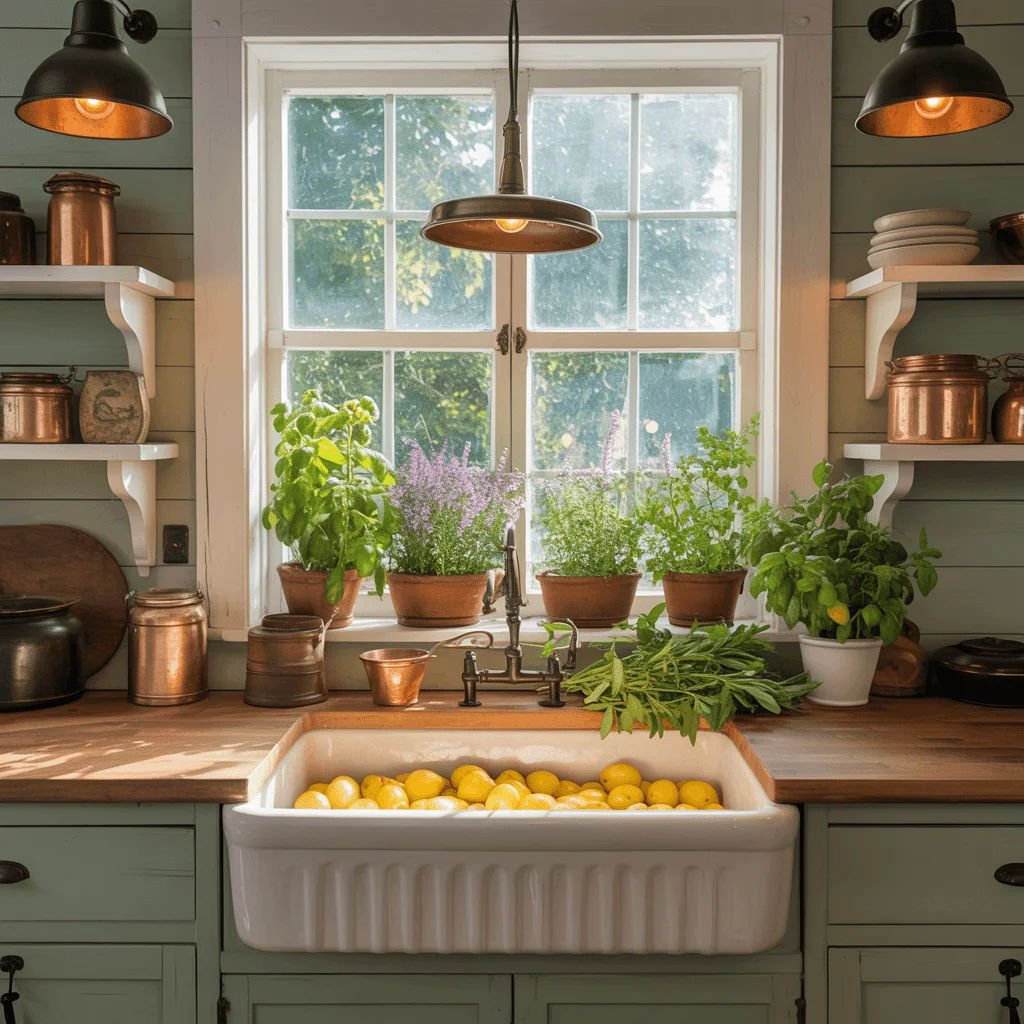
Dark moss green leans brown and earthy, which gives it a grounding quality that brighter greens lack. It’s cozy without being heavy, natural without being rustic. Think of it as the interior design equivalent of a forest floor.
This shade requires some commitment — it’s a confident color choice — but the payoff is a kitchen that feels genuinely warm and unique. Style it with warm-toned woods, handmade ceramics, and plenty of natural greenery.
Best paired with: Warm oak or walnut, terracotta accents, linen textiles.
8. Pistachio Green — Soft, Sweet, and Romantic
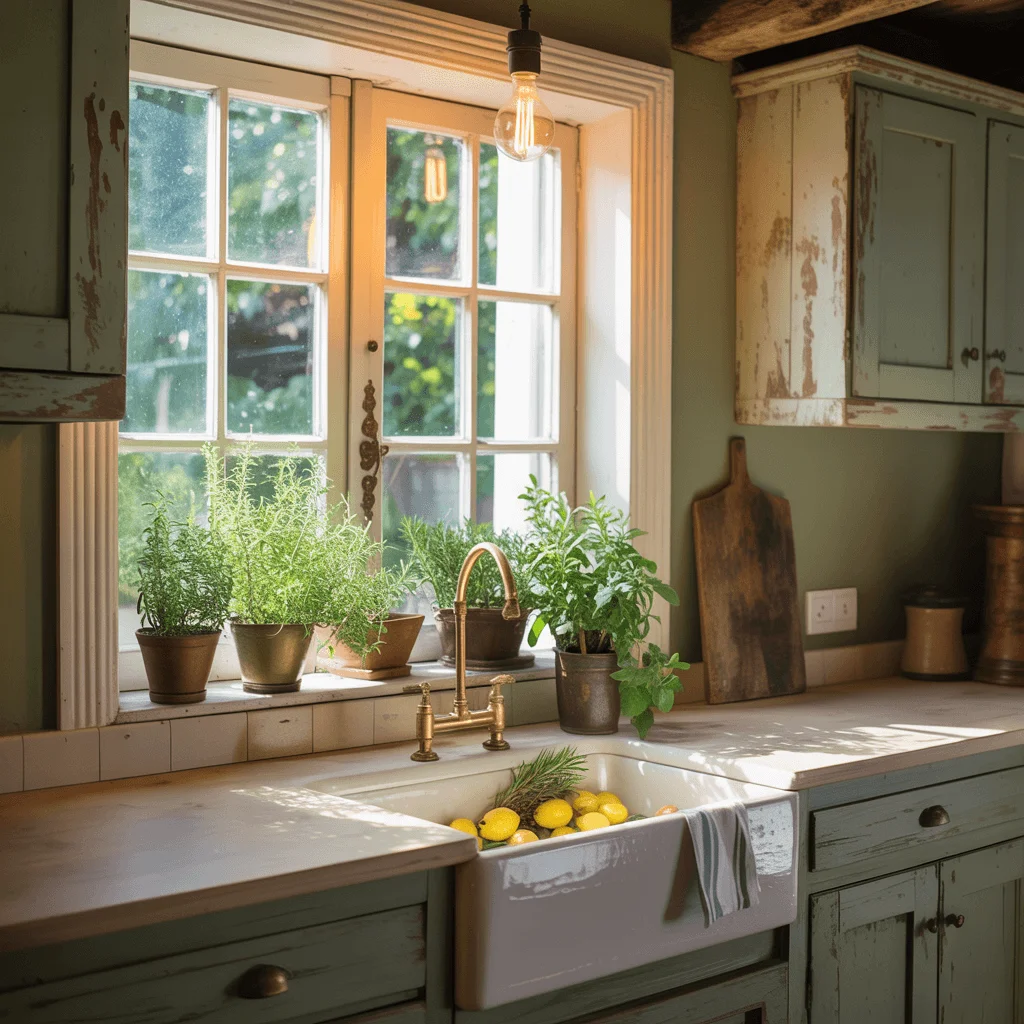
Pistachio sits between mint and sage — lighter than one, warmer than the other. It’s gentle on the eye and creates a soft, romantic kitchen atmosphere that pairs beautifully with vintage-style elements.
Add some vintage brass fixtures, a farmhouse sink, and a few bunches of dried flowers, and you’ve got a kitchen that looks like it belongs on a lifestyle blog.
Best paired with: Vintage brass, white subway tiles, natural wood details.
9. Green and White Two-Tone Walls — Classic and Crisp
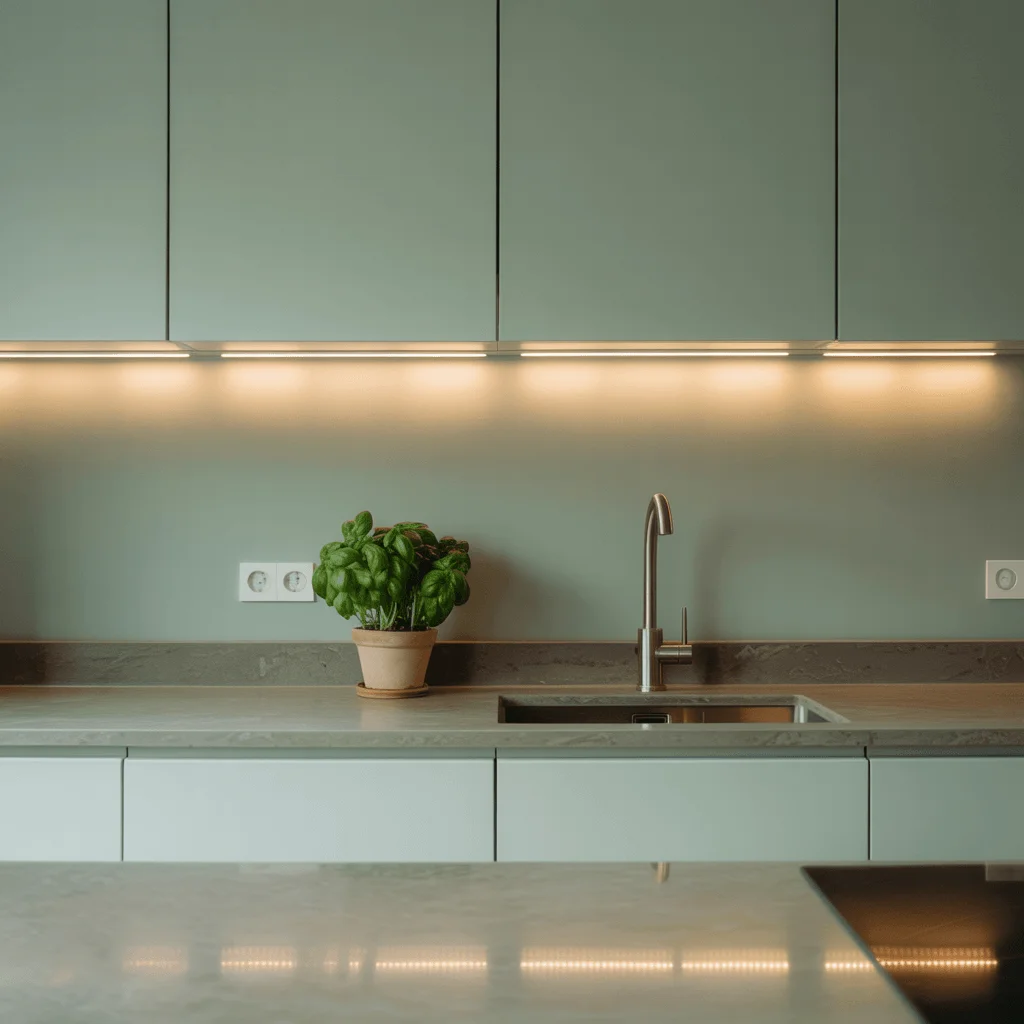
If you love the freshness of green but want to keep things bright and open, a two-tone approach is the answer. Keep the upper walls white or cream and bring in green on the lower section — either through paint, paneling, or tile.
This is especially effective in smaller kitchens where too much deep color might feel overwhelming. The white keeps the ceiling feeling high and the room feeling airy, while the green adds character and personality.
Best paired with: Neutral cabinetry, any metallic finish, light countertops.
10. Hunter Green with Black Accents — Sleek and Sophisticated
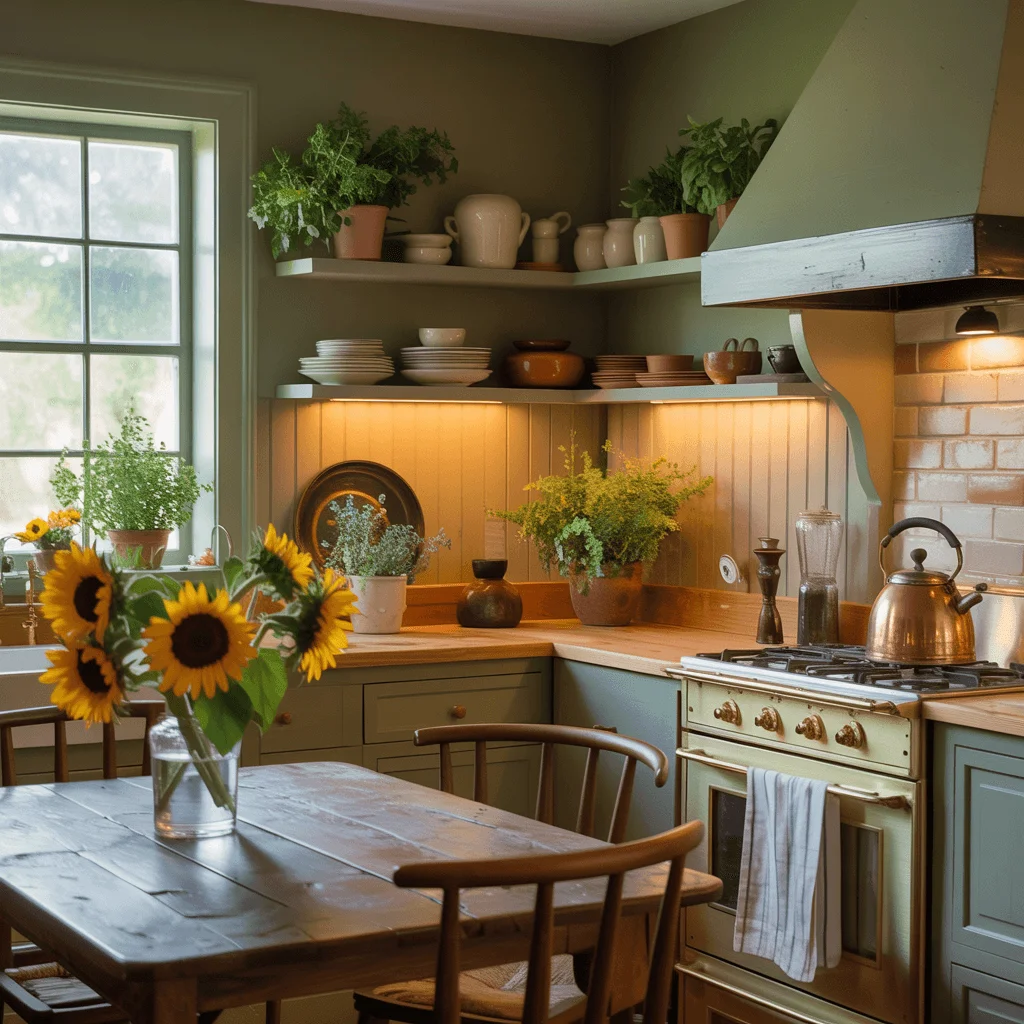
Hunter green and matte black is one of those color combinations that just feels effortlessly cool. It’s modern without being cold, and sophisticated without being stuffy.
Use hunter green on the walls and let black hardware, fixtures, and countertop edges do the supporting work. The result is a sleek, coordinated kitchen with serious style.
Best paired with: Matte black hardware, quartz countertops, minimalist open shelving.
11. Green Tile Walls — Texture and Color in One
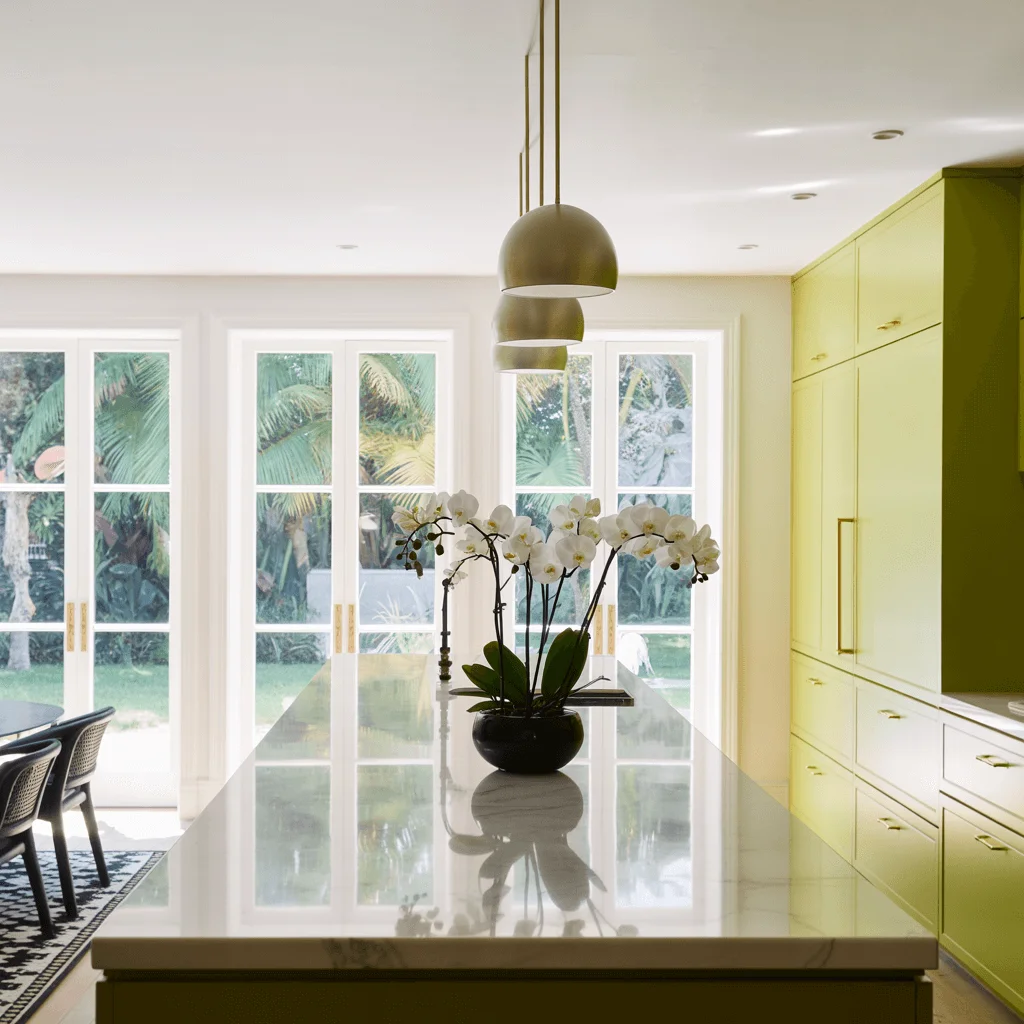
A green-tiled kitchen wall — especially as a full backsplash or behind the stove — adds texture and depth that paint simply can’t replicate. Zellige tiles in sage or forest green have an irregular, handmade quality that looks incredibly luxurious.
Subway tiles in a glossy green offer a cleaner, more structured look — great for modern kitchens. Either way, green tile is a design choice that never looks generic.
Best paired with: Warm wood cabinetry, natural stone counters, simple fixtures.
12. Sage Green Walls with Brass — Warm and Timeless
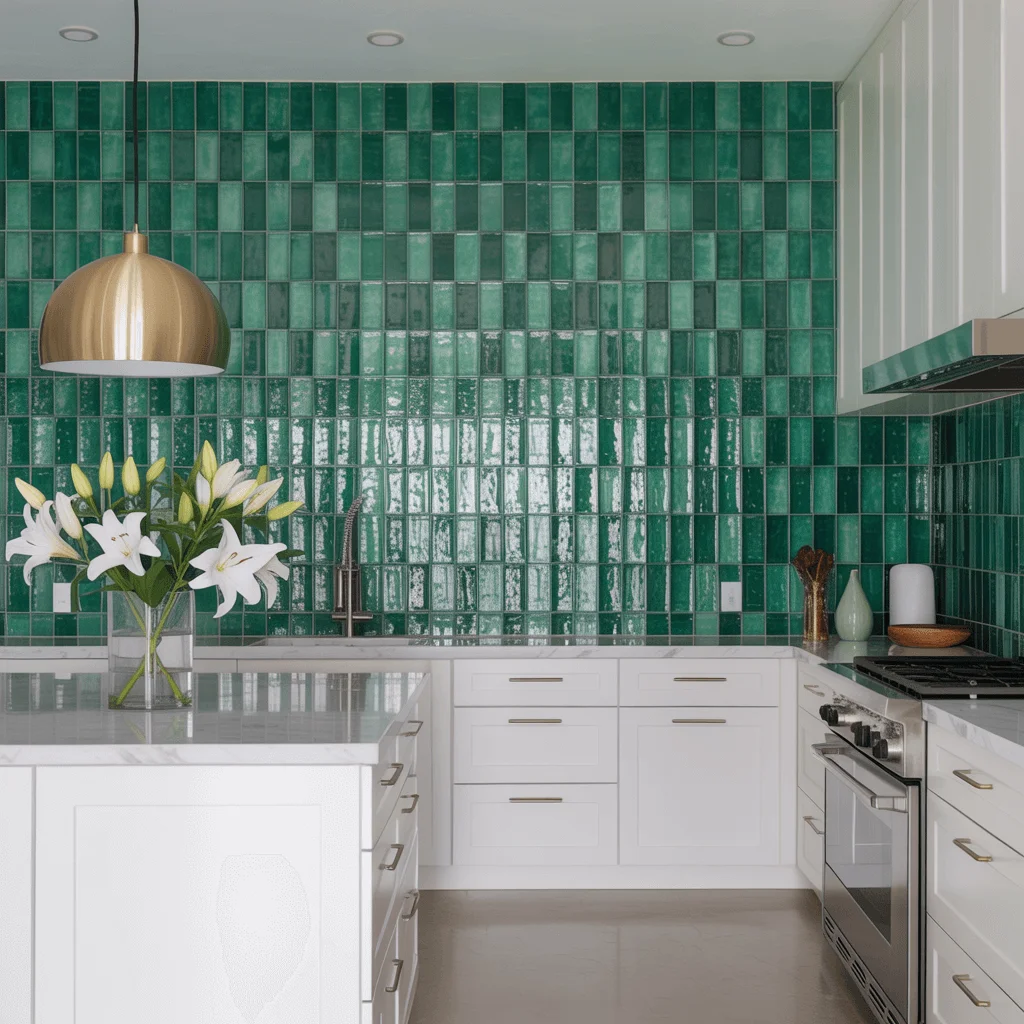
Sage green and brushed brass is one of the most consistently beautiful pairings in kitchen design. The warm gold tones of brass bring out the earthy undertones in sage, while the green makes the brass feel refined rather than showy.
You don’t need a lot — cabinet handles, a faucet, and a couple of light fixtures are enough to make the pairing sing.
Best paired with: White marble countertops, natural wood elements, linen window treatments.
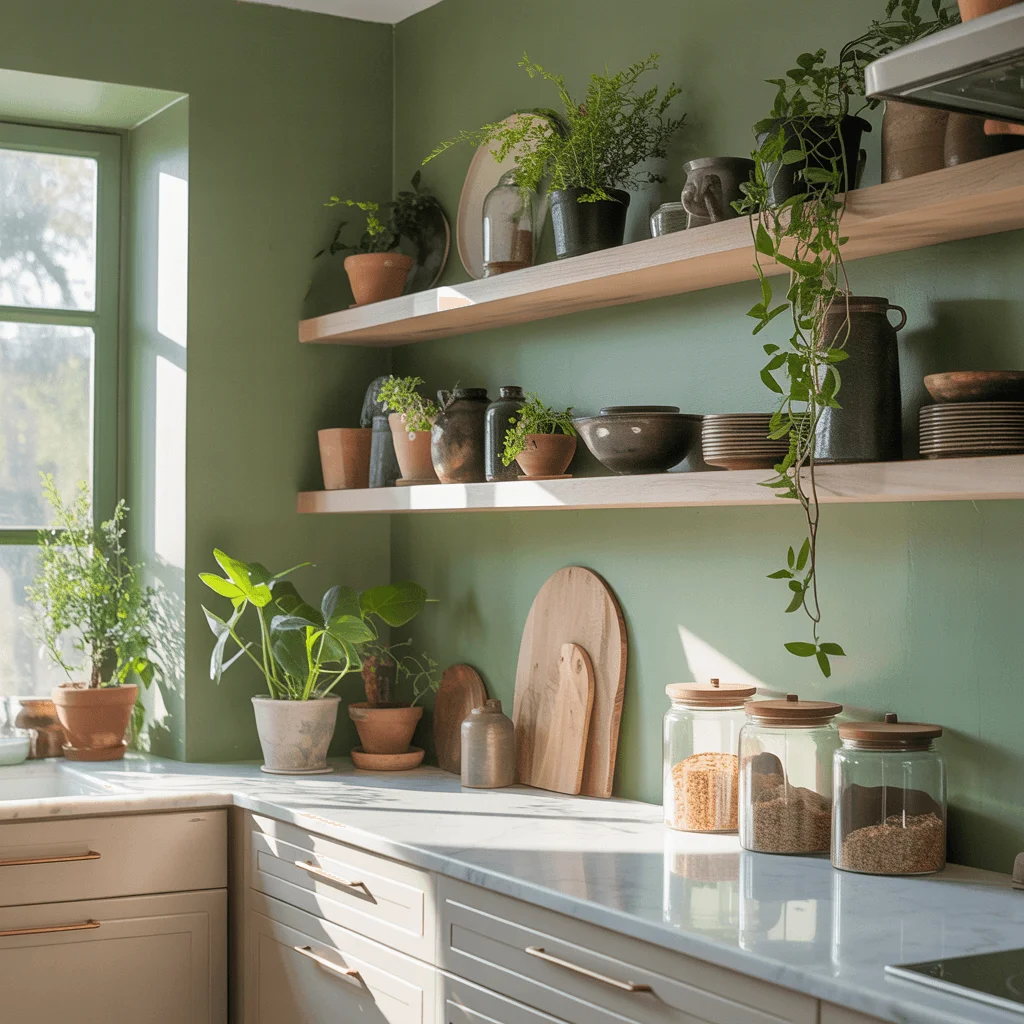
13. Deep Olive with Open Shelving — Collector’s Kitchen
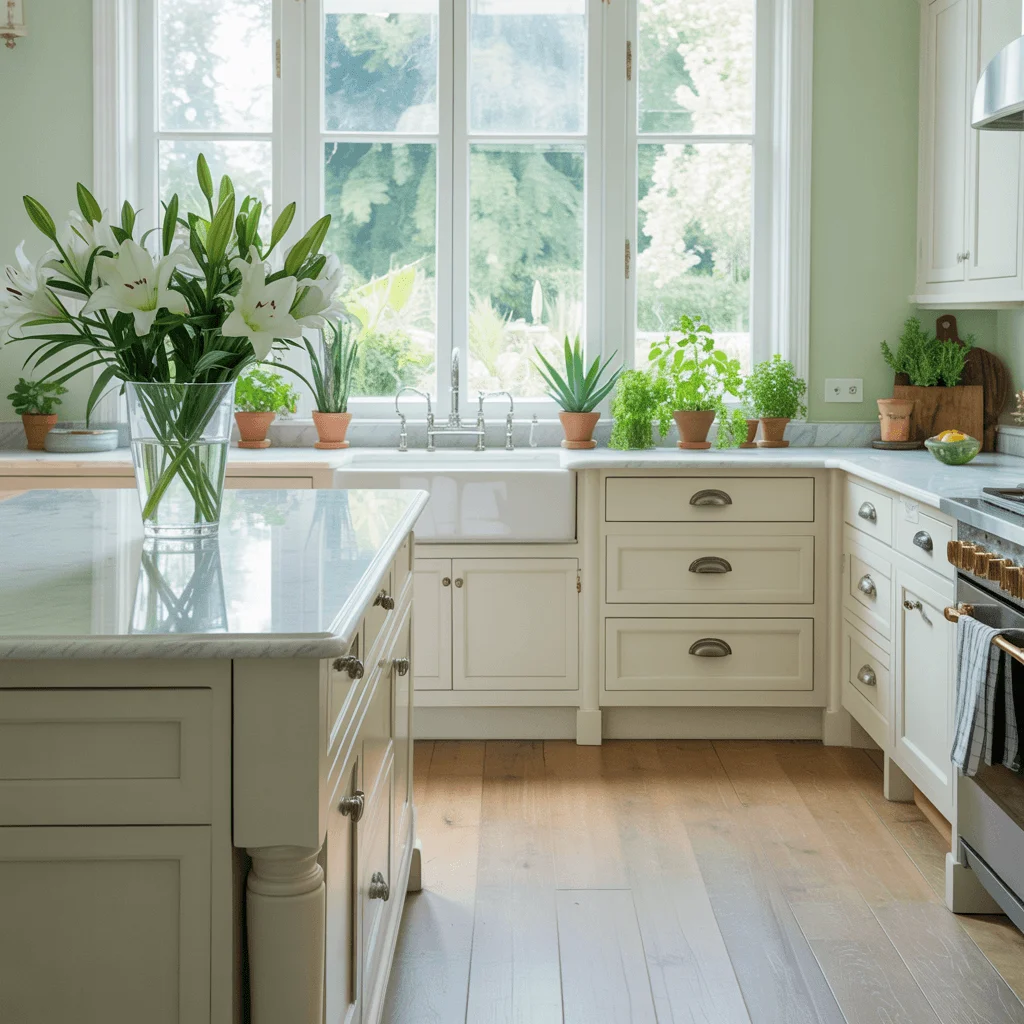
If you love displaying beautiful things — handmade pottery, vintage glassware, a collection of copper pots — a deep olive green wall behind open shelving is your backdrop.
The dark, earthy tone makes lighter-colored objects pop and gives the whole display a gallery-like quality. It’s a kitchen that tells a story.
Best paired with: Floating wooden shelves, ceramic cookware, statement lighting.
14. Chartreuse Green — For the Fearlessly Bold
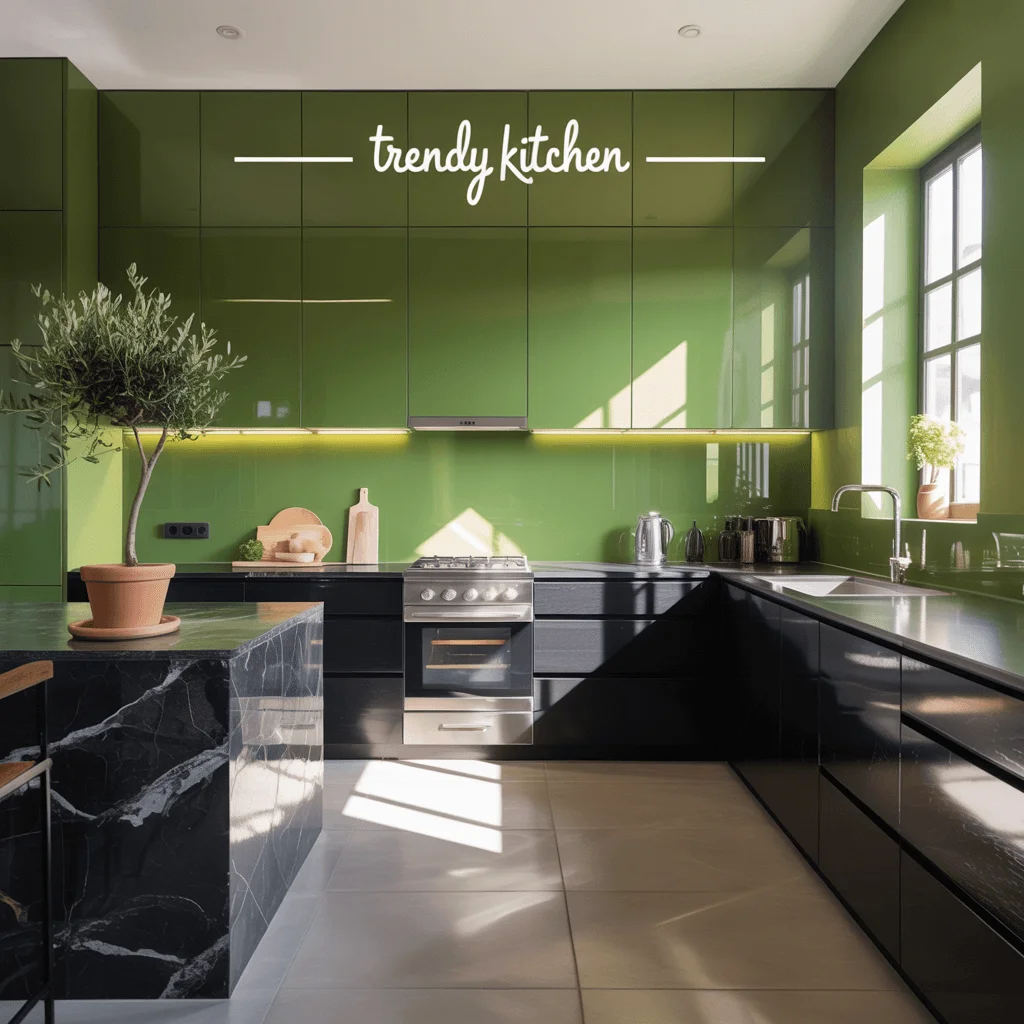
Chartreuse is not for the faint of heart. It’s bright, electric, and utterly unforgettable. If you have a kitchen with incredible natural light — especially a view of greenery outside — chartreuse walls can create a jaw-dropping connection between inside and outside.
Pair it with a dark, contrasting backsplash to keep it grounded, and let the green be the undisputed star of the show.
Best paired with: Dark backsplash tiles, simple white or black accents, tons of natural light.
15. Green Limewash Walls — Textured, Aged, and Beautiful
Limewash paint creates a soft, layered texture that gives walls an organic, aged quality — like something you’d find in a Tuscan farmhouse. In green, it’s absolutely stunning.
Each wall looks slightly different depending on the light and the natural variation in the application, which means your kitchen genuinely becomes one-of-a-kind. This is a painterly, artisanal look that works particularly well in older homes or kitchens with character.
Best paired with: Stone countertops, aged brass, terracotta floor tiles.
How to Choose the Right Green for Your Kitchen
With so many shades available, narrowing it down can feel overwhelming. Here’s a simple framework to help:
- Consider your light source. Natural light makes greens appear cooler and more vibrant. Warm artificial light brings out yellow and brown undertones. Always test samples in your specific lighting conditions.
- Think about your cabinetry. Light cabinets (white, cream, natural wood) work with almost any green. Dark cabinets narrow the field — usually sage, olive, or muted greens are the safest pairing.
- Know your finish. Matte finishes hide imperfections and create a cozy feel. Satin or eggshell are practical for kitchens — easy to wipe clean. Gloss adds drama and reflects light beautifully.
- Commit to your hardware. The metal you choose — brass, black, chrome, or nickel — should complement the specific green you select. When in doubt, brass and sage is almost always a winner.
- Start small if you’re unsure. An accent wall or a tiled backsplash lets you live with the color before you commit fully. Many people end up loving it so much they paint the rest of the room anyway.
Color Combinations That Work Beautifully with Green Walls
Getting the supporting colors right is just as important as choosing your green. Here are the pairings that consistently work:
- Green + White — Timeless and fresh. Works with any shade of green from mint to forest.
- Green + Warm Wood — Earthy and natural. Brings out the organic quality of olive and forest greens.
- Green + Brass or Gold — Warm and luxurious. Especially stunning with sage and emerald.
- Green + Black — Modern and bold. Perfect for hunter green or deep olive tones.
- Green + Terracotta — Warm and Mediterranean. Works especially well with sage and muted greens.
- Green + Cream or Beige — Soft and layered. Ideal for farmhouse or cottagecore kitchens.
Recommended Paint Shades to Try
If you’re not sure where to start with specific paints, here are a few tried-and-tested shades that interior designers keep coming back to:
- Ripe Olive by Sherwin-Williams — A rich, earthy olive that pairs beautifully with warm wood tones and vintage elements.
- Forest Green 2047-10 by Benjamin Moore — A classic, retro-inspired deep green. Stunning with white accents and encaustic tile floors.
- Calke Green by Farrow & Ball — A soft, muted sage with just enough depth to feel sophisticated rather than pastel.
- Studio Green by Farrow & Ball — A deep, inky blue-green with a moody, atmospheric quality. Incredible in north-facing kitchens.
- Clary Sage by Sherwin-Williams — A warm, greige-leaning sage that works in almost every kitchen style.
💡 Pro Tip: Always buy sample pots and paint large swatches (at least 12×12 inches) on your actual walls. Look at them at different times of day before making your final decision.
Practical Tips Before You Paint
A beautiful color choice deserves equally good preparation. Here’s what to keep in mind before you pick up a brush:
- Clean the walls thoroughly. Grease and steam are common in kitchens — any residue will stop paint from bonding properly. Wipe walls down with a degreaser before priming.
- Use a primer, especially over dark colors. Green is a pigment-heavy color — a good primer prevents you from needing four coats of paint.
- Choose kitchen-appropriate finishes. Satin or eggshell are ideal for kitchen walls — they’re wipeable and hold up to steam and splashes far better than matte.
- Don’t forget the ceiling. A bright white ceiling makes green walls pop and keeps the room feeling light and open. Don’t overlook this detail.
Final Thoughts: Go Green and Don’t Look Back
Green kitchen walls aren’t a passing trend — they’re a design choice that connects your home to the natural world and brings a sense of calm, life, and personality to the most-used room in your house.
Whether you go bold with emerald or take it slow with a single sage accent wall, the result will almost certainly be a kitchen you enjoy spending time in more than ever before.
The best part? You don’t need a full renovation to make a big impact. A few tins of paint, a weekend, and a clear idea of which green speaks to you is all it takes to completely change the feel of your kitchen.
So pick your shade, test your swatches, and commit. Your kitchen is about to get a whole lot greener — and a whole lot better.
Frequently Asked Questions
What shade of green is best for kitchen walls?
It depends on your style and lighting. Sage and olive greens are the most versatile — they work in almost any kitchen. For something more dramatic, emerald or forest green makes a powerful statement. Mint is ideal for small kitchens that need brightening.
Do green kitchen walls go out of style?
Green is one of those colors that consistently returns in interior design because of its connection to nature. Certain shades trend more than others — sage is very popular right now — but a well-chosen, well-executed green kitchen is a timeless choice rather than a fleeting one.
What colors go with green kitchen walls?
White, cream, warm wood tones, brass, gold, terracotta, matte black, and beige all work beautifully with green kitchen walls. The best pairing depends on the specific shade of green you choose — lighter greens tend to pair well with warm tones, while darker greens look stunning alongside white and metallics.
Is green a good color for a small kitchen?
Yes — but the shade matters. Lighter greens like mint, sage, and pistachio can actually make a small kitchen feel larger and more open by adding brightness and freshness. Darker greens like forest or hunter green work better in larger kitchens with plenty of natural light.
What finish of paint should I use for green kitchen walls?
Satin or eggshell are the most practical choices for kitchen walls. They’re durable, easy to clean, and resist moisture better than matte finishes. Gloss works well for high-impact accent walls but shows imperfections more readily.
1 thought on “15 Stunning Green Kitchen Walls Ideas for Stylish Home Decor”