
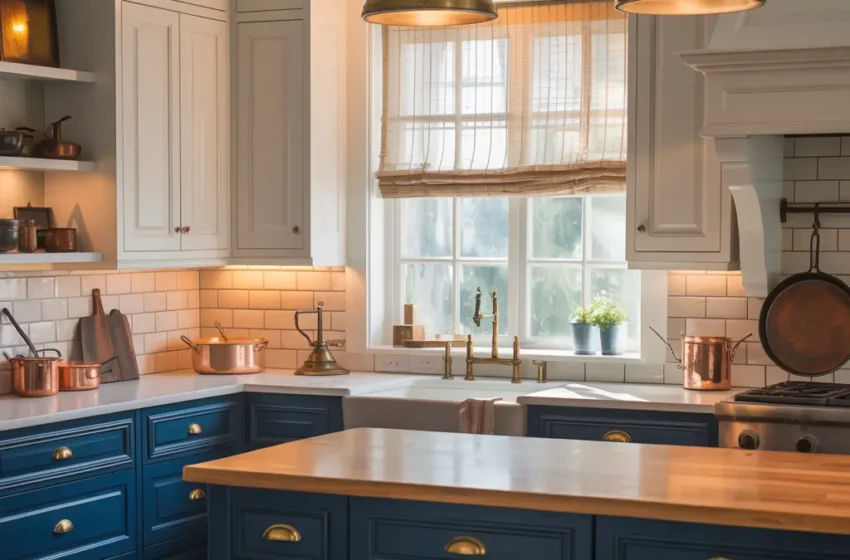
There’s something almost magical about a farmhouse kitchen table. It pulls people in — kids do homework there, neighbors linger over coffee, families argue and laugh and make up, all at the same wooden surface. It’s not just furniture. It’s the gravitational center of a home.
But finding the right one? That’s where things get tricky. Walk into any furniture store and you’ll see dozens of options labelled ‘farmhouse style,’ and most of them look alarmingly similar. So how do you find a table that actually feels authentic — one that fits your space, your budget, and the life you actually live?
That’s exactly what this guide is for. Below are 20 genuinely useful farmhouse kitchen table ideas, organized by style, size, material, and budget. Whether you’re starting from scratch or just trying to refresh what you already have, you’ll leave here with a clear direction.
1. Understanding the Farmhouse Table Aesthetic
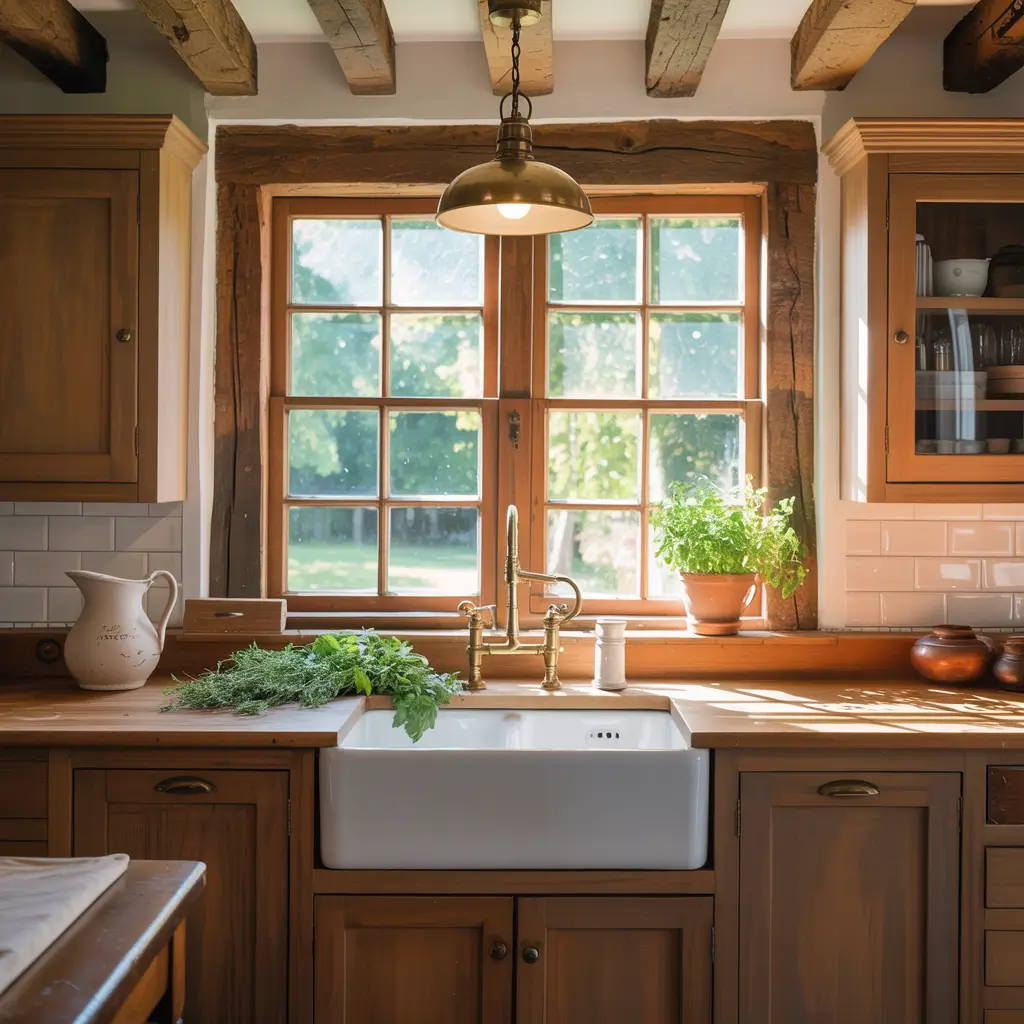
Before you start shopping or building, it helps to understand what actually makes a table ‘farmhouse.’ The term gets thrown around so loosely these days that it’s lost some meaning — but the real thing has distinct characteristics.
At its core, a farmhouse table is:
- Built to last — thick legs, solid joinery, substantial weight
- Made from natural materials — typically solid wood, sometimes with metal accents
- Unpretentious — beauty that comes from function, not ornamentation
- Communal — long, wide enough to seat a crowd
- Aged gracefully — designed to look better with use, not worse
The aesthetic spans everything from rough-hewn barn boards to refined Shaker-style craftsmanship. Both qualify. What they share is a sense of groundedness — a feeling that this table was made for real life, not a showroom.
2. Classic Rustic Farmhouse Kitchen Tables
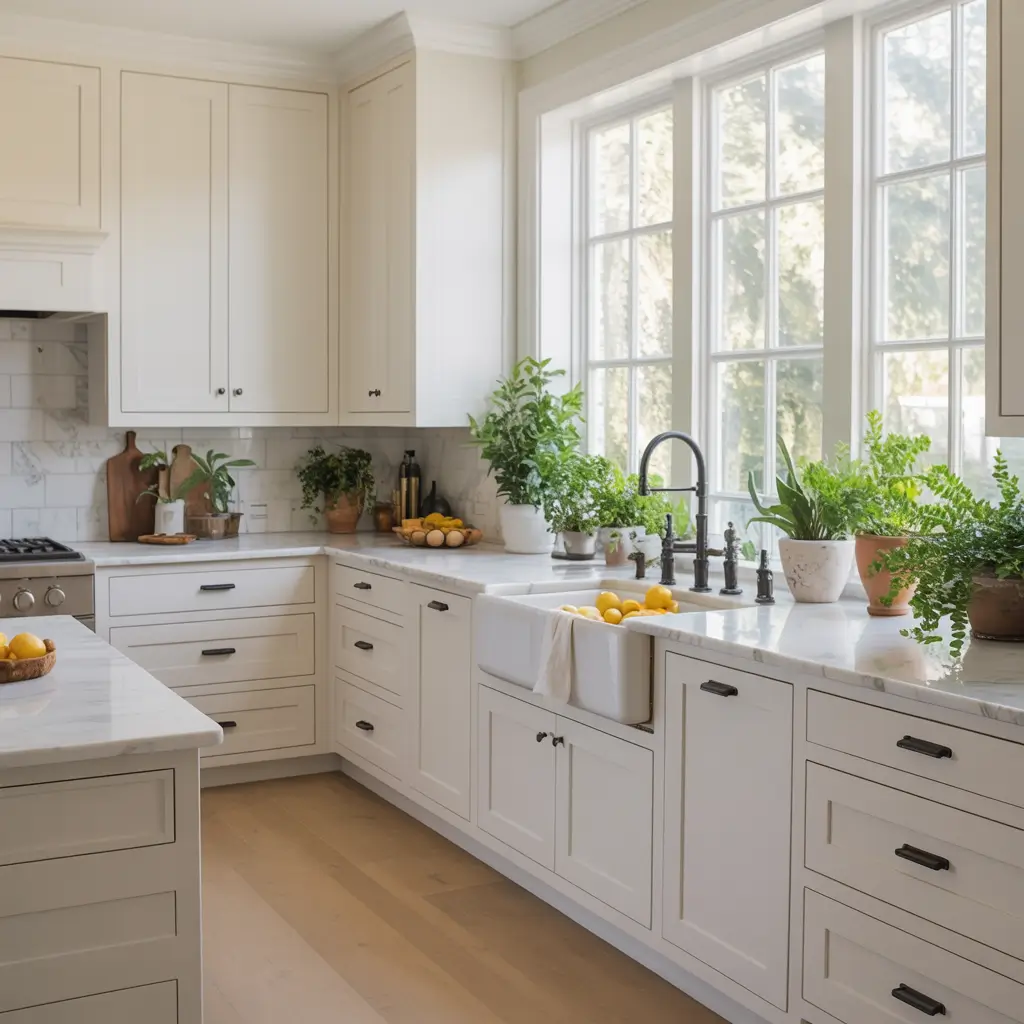
If you close your eyes and picture a farmhouse table, you’re probably picturing this style. Thick planks, visible grain, maybe some natural knots and the occasional small crack filled with resin. These tables have an honest quality that’s hard to replicate.
2.1. What to Look For
- Tabletop thickness of at least 1.75 to 2.5 inches
- Solid hardwood (oak, pine, elm, or walnut are all excellent)
- Visible wood character — grain, knots, and natural variation
- Heavy-duty legs: turned, square-tapered, or trestle-style
- A finish that feels like it protects rather than seals
2.2. Best Uses
Classic rustic tables work best in kitchens with white or off-white walls, open shelving, and natural light. They pair beautifully with mismatched chairs — Windsor backs, slipcovered parsons chairs, wooden benches. The key is not to be too precious about matching.
💡 Pro Tip: If you want that aged look without the price tag of genuinely old wood, look for tables with a hand-scraped or wire-brushed finish. They mimic decades of wear without the antique premium.
3. Modern Farmhouse Kitchen Tables
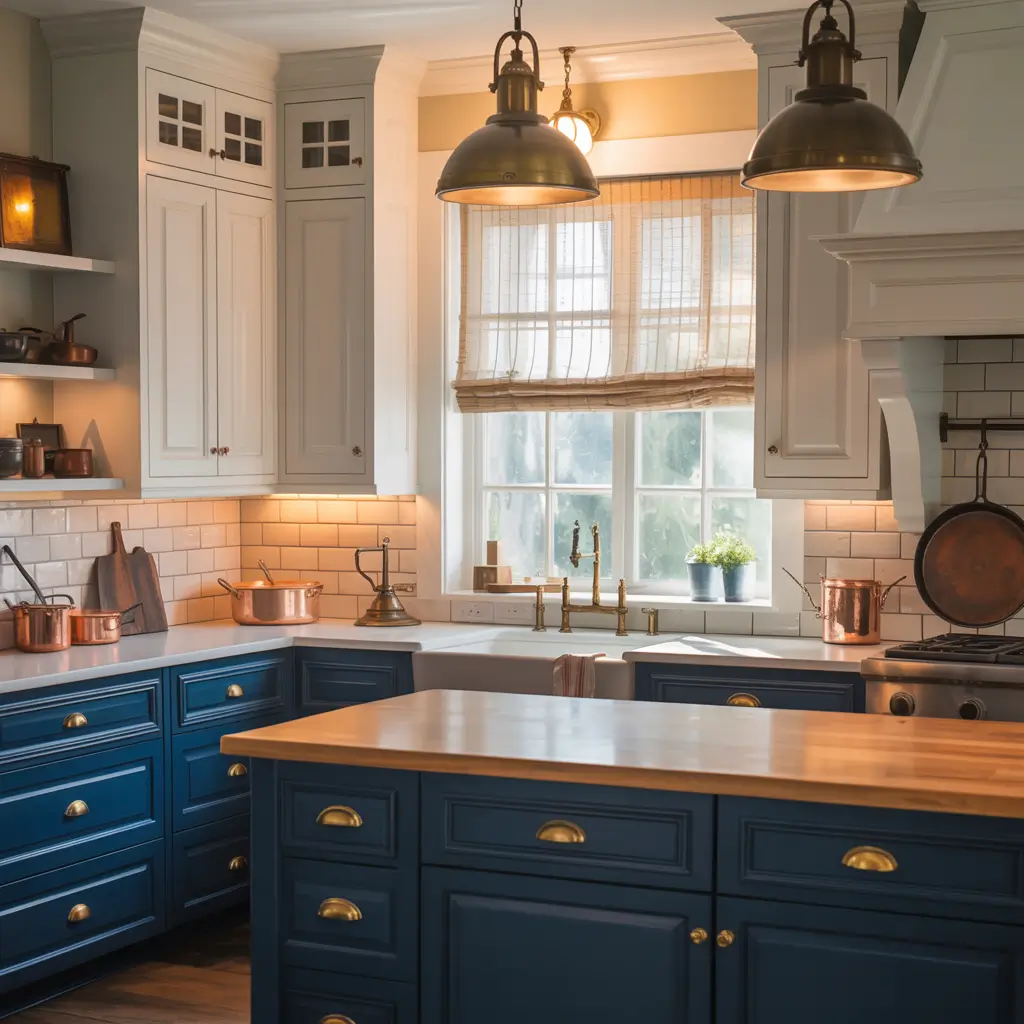
Modern farmhouse is the sweet spot between rustic warmth and contemporary clean lines. Think: a solid wood top with a beautifully simple silhouette. No fussy details, no heavy distressing. Just honest materials and proportions that feel right.
3.1. Defining Features
- Smooth, lightly textured surfaces (no heavy distressing)
- Mixed materials — wood tops with black or white metal legs are hugely popular
- Neutral finishes: natural, whitewashed, or light gray stains
- Slimmer legs than traditional farmhouse — tapered or hairpin styles
- Clean rectangular or oval shapes
3.2. Why It Works So Well
Modern farmhouse tables are incredibly versatile. They’re at home in a sleek open-plan apartment just as much as a country kitchen. Because they strip away the ornate details, the focus falls entirely on quality — and that’s usually where these tables shine.
They’re also much easier to style around. The muted, neutral palette means almost any chair, pendant light, or rug will complement the table rather than compete with it.
💡 Style Note: Pair a modern farmhouse table with a statement pendant light and clean white bentwood chairs for a look that feels current without being trendy.
4. Reclaimed Wood Farmhouse Tables
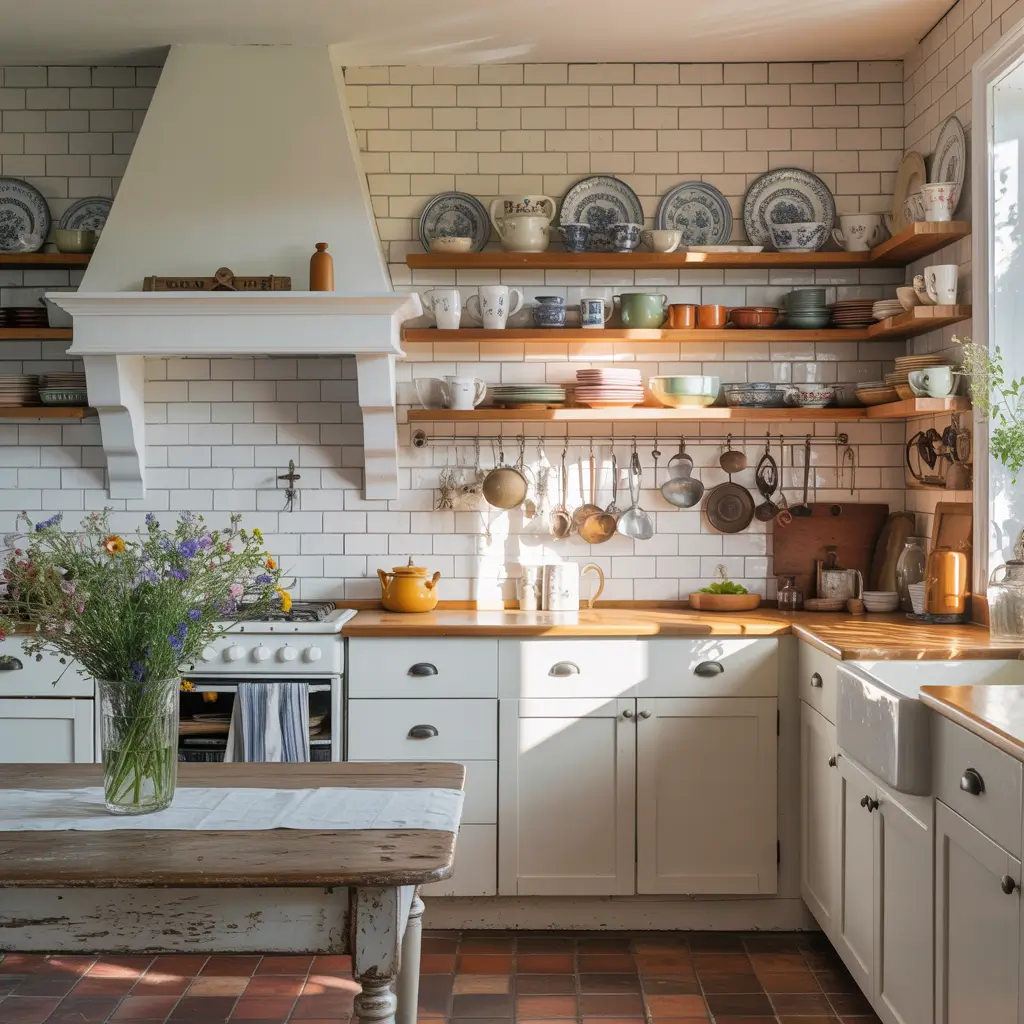
Reclaimed wood tables occupy a special category because every single one is genuinely unique. The wood has a history before it reaches your kitchen — old barns, demolished factories, retired shipping pallets, retired railway sleepers.
4.1. What Makes Reclaimed Wood Different
- Nail holes, saw marks, and old paint — all preserved intentionally
- A patina that can’t be artificially replicated convincingly
- Often denser and more stable than new-growth wood
- Each piece is a genuinely one-of-a-kind object
- Environmentally responsible — no new trees felled
4.2. How to Buy Reclaimed Wood Tables Wisely
The reclaimed wood market has a trust problem: some sellers label newly distressed wood as reclaimed. Here’s how to tell the difference:
- Ask for provenance — a legitimate seller can usually tell you where the wood came from
- Look for old nail holes (not drill holes, which are often faked)
- Examine the underside — if it’s perfectly clean, the aging may be cosmetic
- Check the weight — old-growth reclaimed wood tends to be notably heavy
💡 Buyer’s Advice: Local makers and small woodworking studios are often the best source for genuine reclaimed pieces. They tend to know their suppliers and care about authenticity more than volume retailers do.
5. Farmhouse Kitchen Tables for Small Spaces
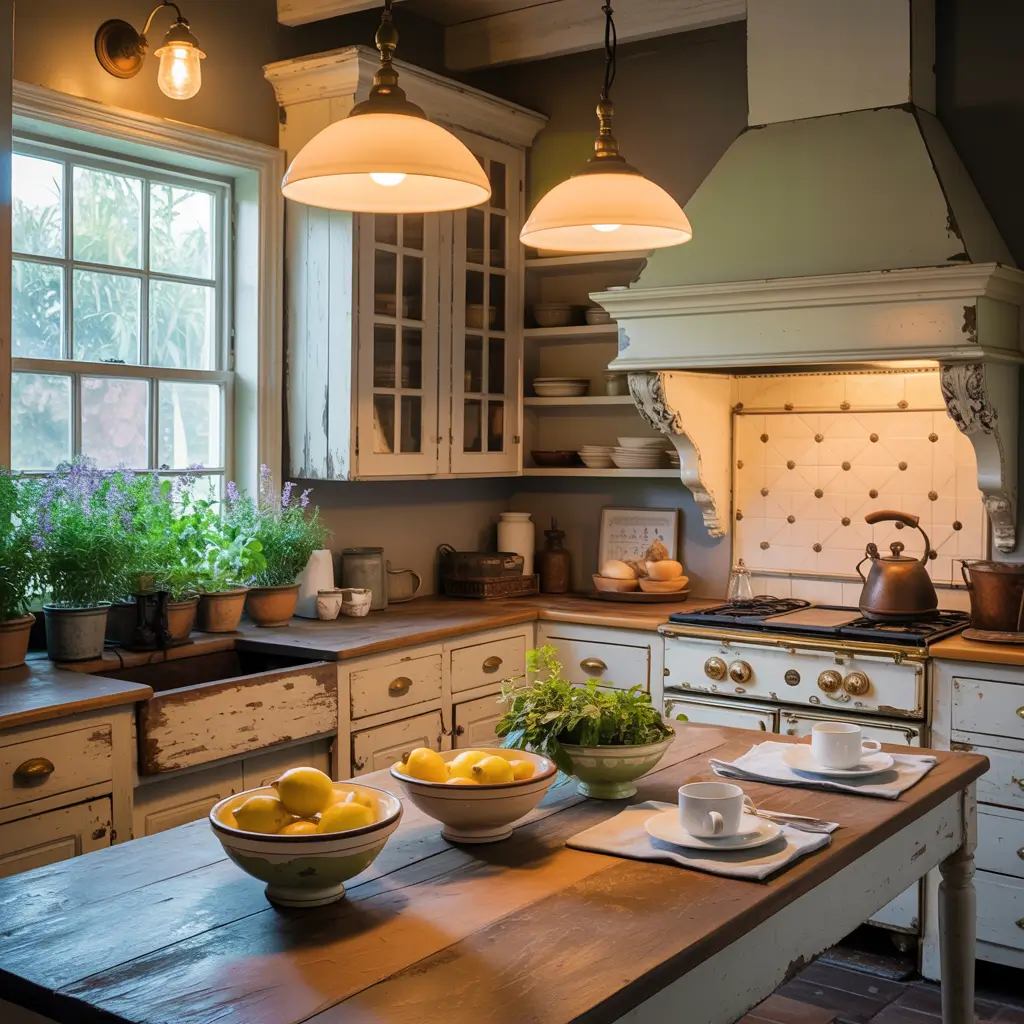
Small kitchen, big farmhouse dreams. The good news: the aesthetic translates beautifully even at compact scale. The challenge is just choosing the right format for your floor plan.
5.1. Space-Smart Farmhouse Table Formats
- Drop-leaf tables — full farmhouse styling, folds flat when not needed
- Round pedestal farmhouse tables — no corner legs to navigate, seats more per sq ft
- Wall-mounted fold-down tables — the ultimate space saver, surprisingly good-looking
- Extendable tables with hidden leaves — seats two on Tuesday, eight on Sunday
- Counter-height tables — visually lighter, can double as prep space
5.2. The Bench Trick
One of the best ways to maximize seating at a small farmhouse table is to replace chairs on one or both sides with a bench. Benches tuck fully under the table when not in use, reclaiming floor space and lending a classic farmhouse look in the process.
💡 Measurement Tip: Allow a minimum of 36 inches between your table edge and any wall or cabinetry. 42 inches is comfortable. Anything less than 30 inches and you’ll be turning sideways.
6. Round Farmhouse Kitchen Tables
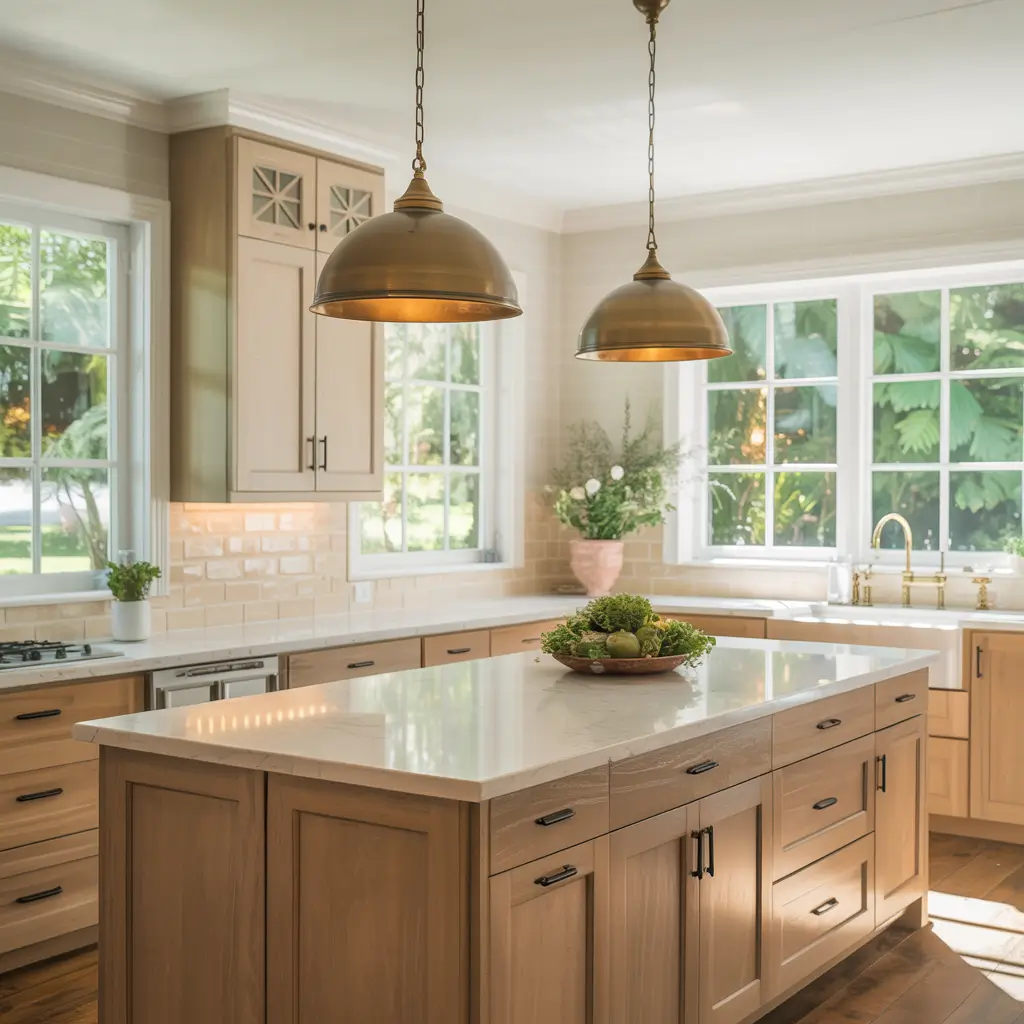
Round farmhouse tables are criminally underrated. They create a more intimate dining experience, work beautifully in square kitchens, and practically eliminate the ‘who sits at the head’ awkwardness at family dinners.
6.1. Round Farmhouse Table Styles to Consider
- Chunky pedestal base in turned wood — classic and versatile
- X-base pedestal — more visual interest, slightly more contemporary
- Four-leg round with splayed legs — traditional farmhouse look
- Lazy Susan built into a round table — practical for family meals
6.2. Size Guide
A 42-inch round table seats four comfortably. A 48-inch table seats four generously or five in a pinch. A 54-inch table seats six. Beyond 60 inches, you start losing the intimate round-table dynamic.
7. Trestle Base Farmhouse Tables
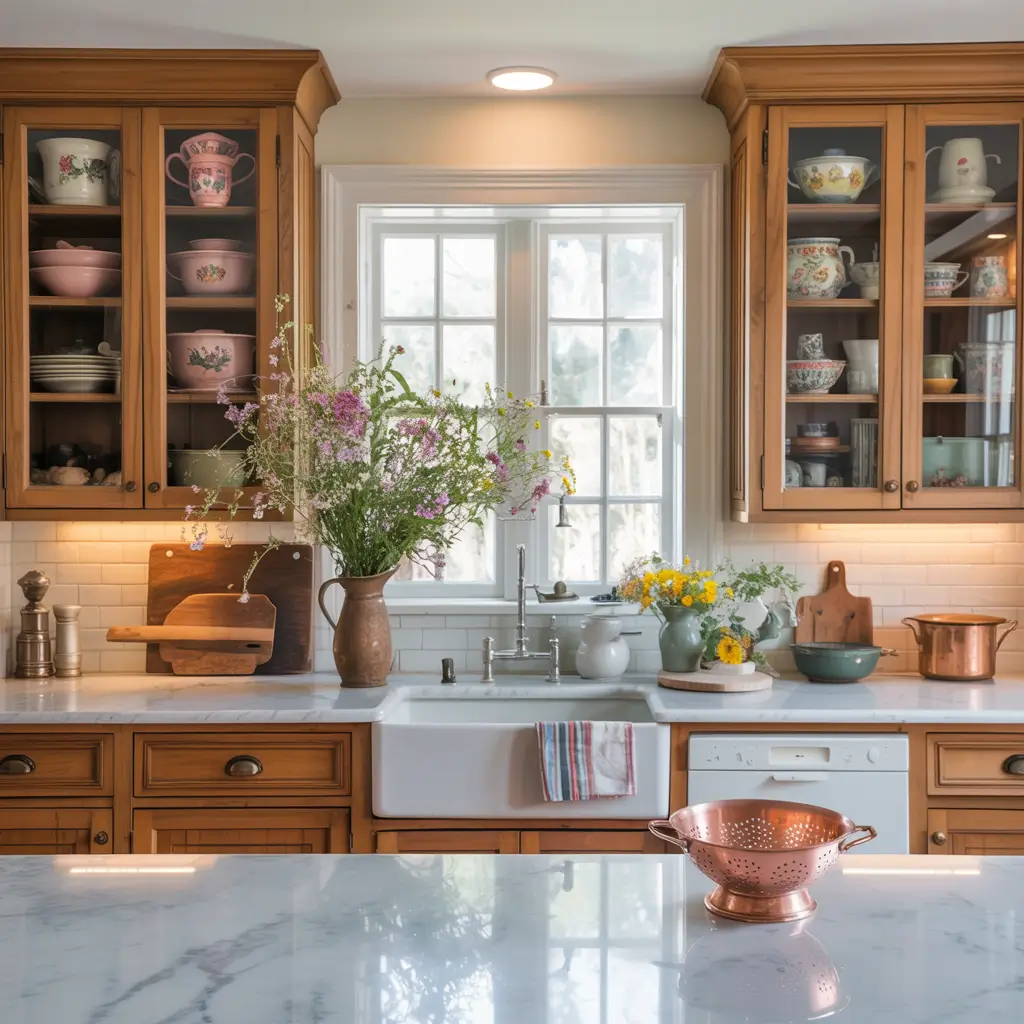
The trestle base is one of the oldest table designs in Western history — and it became a farmhouse staple for good reason. It’s strong, it looks substantial, and it allows more people to sit along the sides without fighting with a leg.
Trestle bases come in several styles:
- Classic A-frame trestle — the most traditional, cathedral-like presence
- Double-pedestal trestle — two column bases, more refined look
- Plank trestle with stretcher bar — that bar connecting the bases doubles as a footrest
- Metal trestle — an industrial-farmhouse hybrid that’s very on-trend
💡 Seating Tip: Because trestle tables have no corner legs, it’s easier to fit bench seating along both long sides — which can increase your seating capacity significantly.
8. White Farmhouse Kitchen Tables
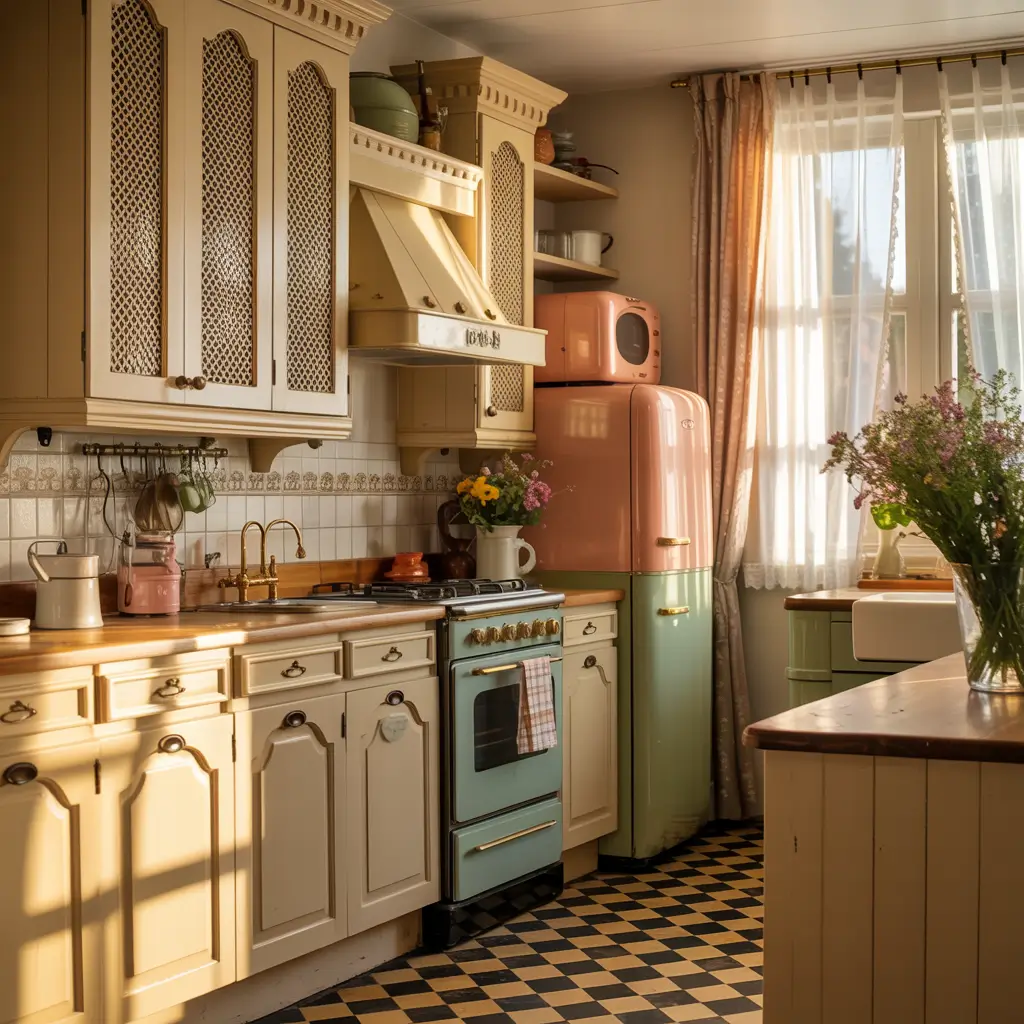
White farmhouse tables are a design staple for good reason. They brighten a kitchen, create an airy feeling, and pair with practically any color palette. The trick is choosing the right white and the right finish.
8.1. Types of White Finishes
- Painted solid wood — classic, slightly chalky, hides grain
- Whitewashed or limewashed — wood grain shows through, warmer feel
- White-stained wood — subtle color with visible grain, very current
- Distressed white — painted then sanded to reveal wood underneath at edges
8.2. Maintenance Reality Check
White tables are beautiful and demanding. They show marks, spills, and wear more visibly than dark tables. That said, they’re also easier to touch up — a quick sand and fresh coat of chalk paint can restore them. If you have young kids, a whitewashed or stained finish will be more forgiving than solid painted white.
9. Budget Farmhouse Kitchen Tables Under $500
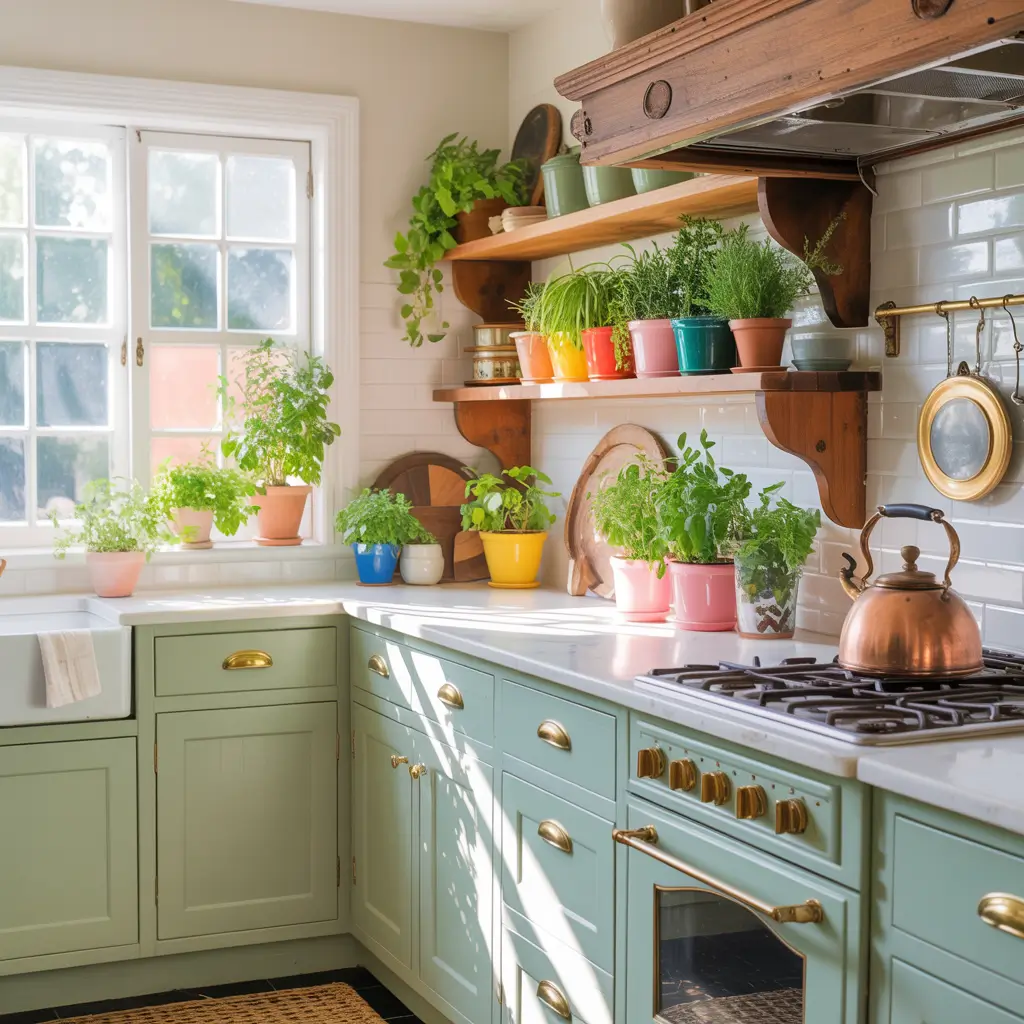
Let’s be honest about money. Some of the most beautiful farmhouse tables cost several thousand dollars. But a beautiful farmhouse table does not have to. Here’s how to get the look without the financial regret.
9.1. Best Budget Sources
- Facebook Marketplace — consistently the best source for quality used farmhouse tables
- Estate sales — often yield genuinely old pieces at low prices
- IKEA MÖRBYLÅNGA table — a legitimately good-looking option with solid oak veneer
- Wayfair’s budget lines — quality varies, but their Birch Lane and Laurel Foundry brands are reliable
- Unfinished furniture stores — buy raw, finish yourself, save significantly
9.2. The DIY Upgrade Path
Even a plain, inexpensive table can become a farmhouse statement piece with the right finish. Sand it back, apply a warm walnut or jacobean stain, add some hand-painted or burned details, seal with a matte polyurethane — and you’ve done something no big-box store can sell you.
💡 DIY Hack: Replacing the legs on an existing table is surprisingly easy and inexpensive. Swapping chunky turned legs onto a flat-pack table can transform it from forgettable to genuinely attractive for under $80.
10. Farmhouse Tables with Bench Seating
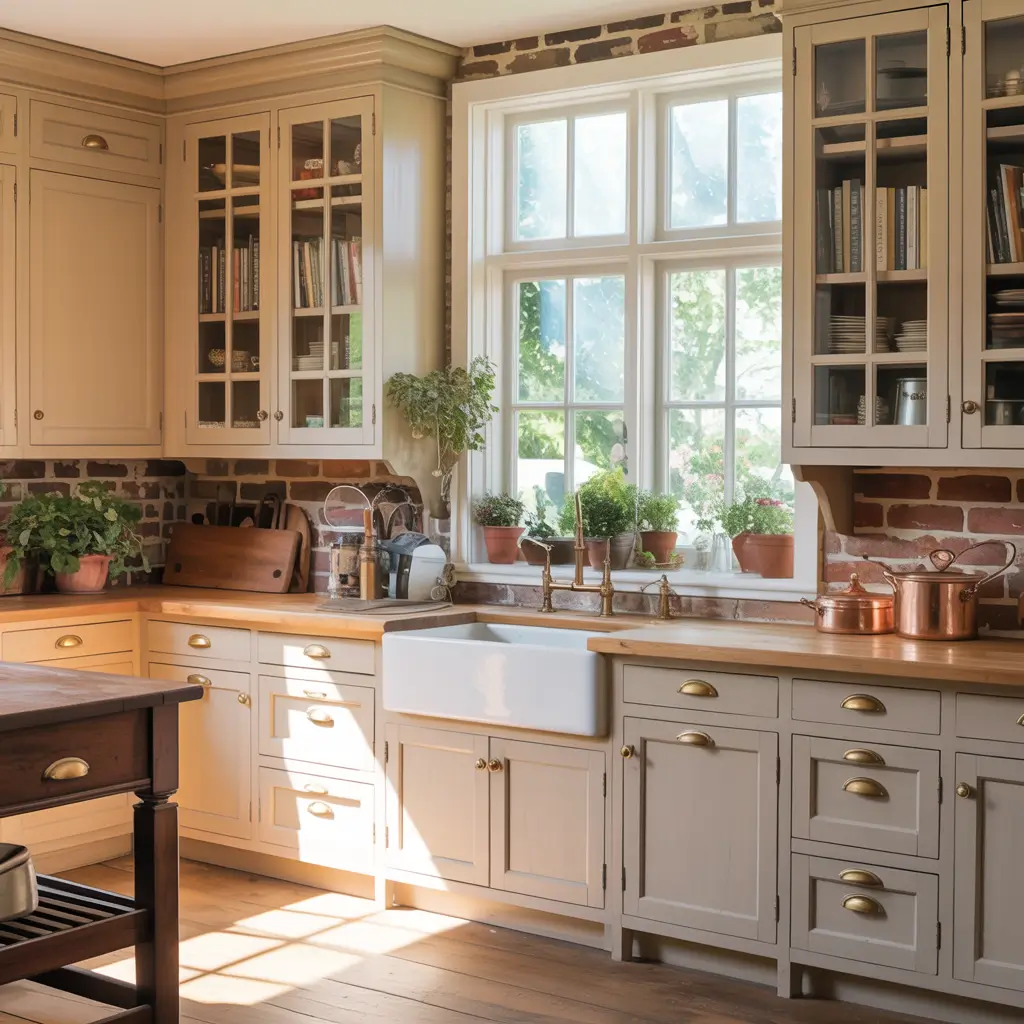
A farmhouse table without a bench is like a fireplace without logs — it works, but something’s missing. Benches are one of the most characteristically farmhouse seating choices, and they’re practical too.
10.1. Bench Styles That Work
- Matching solid wood bench — cohesive, classic, unbeatable
- Upholstered bench — adds softness and color, more comfortable for long meals
- Mismatched vintage bench — collected character, adds individuality
- Storage bench — hinged seat lifts to reveal storage inside
10.2. Bench + Chair Combos
Consider putting a bench on just one side and chairs on the other. This is the most common arrangement in real farmhouse kitchens, and for good reason: it combines the flexibility of chairs (easy to pull out individually) with the space efficiency of a bench. It also just looks excellent.
11. Farmhouse Tables That Double as Kitchen Islands
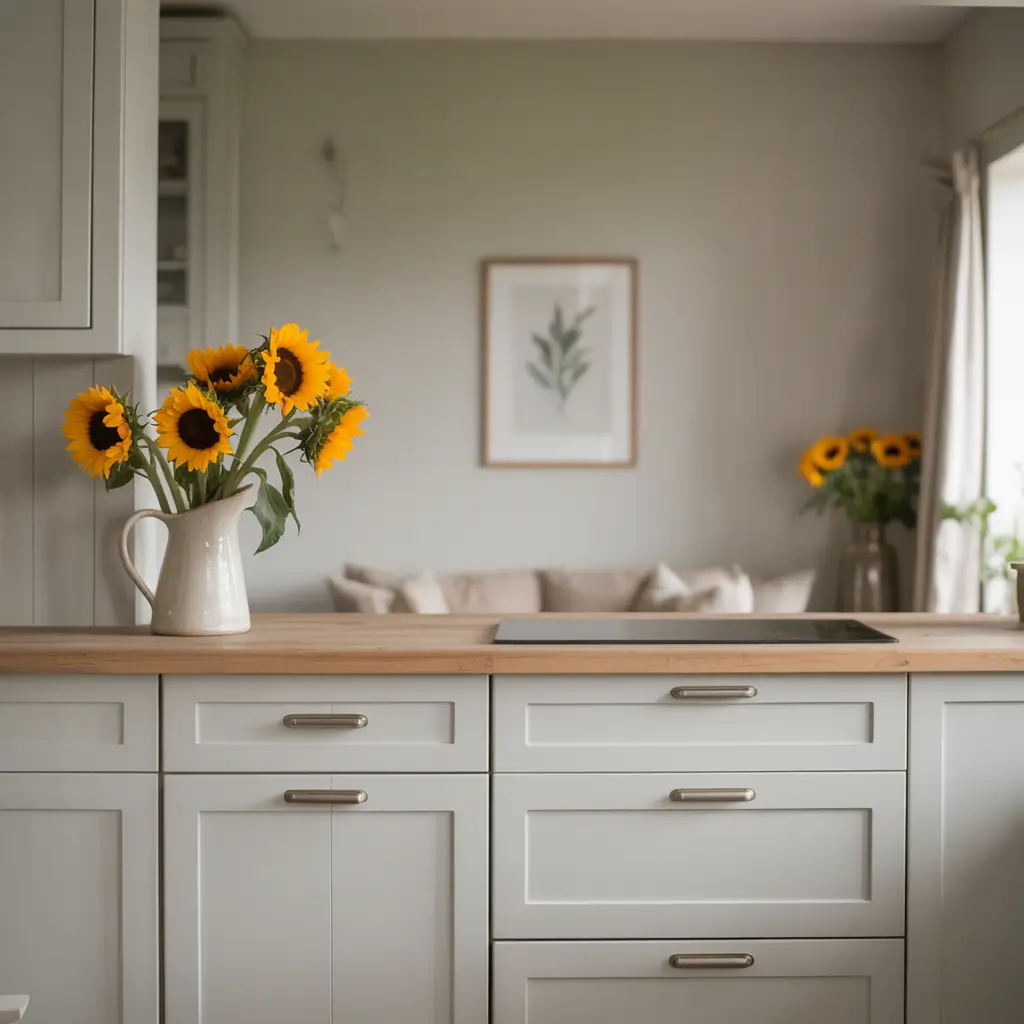
In open-plan kitchens, a farmhouse table can pull double duty as an island, prep station, and dining table all in one. The key is choosing the right height and ensuring it has some storage.
- Choose counter height (36 inches) if it will be used primarily as a prep surface
- Standard dining height (30 inches) works if dining is the primary function
- Look for models with lower shelves or drawers for hidden storage
- Ensure it’s on casters if you need to move it — even lockable casters add flexibility
- Allow at least 42 inches of clearance on all working sides
12. Styling Your Farmhouse Kitchen Table
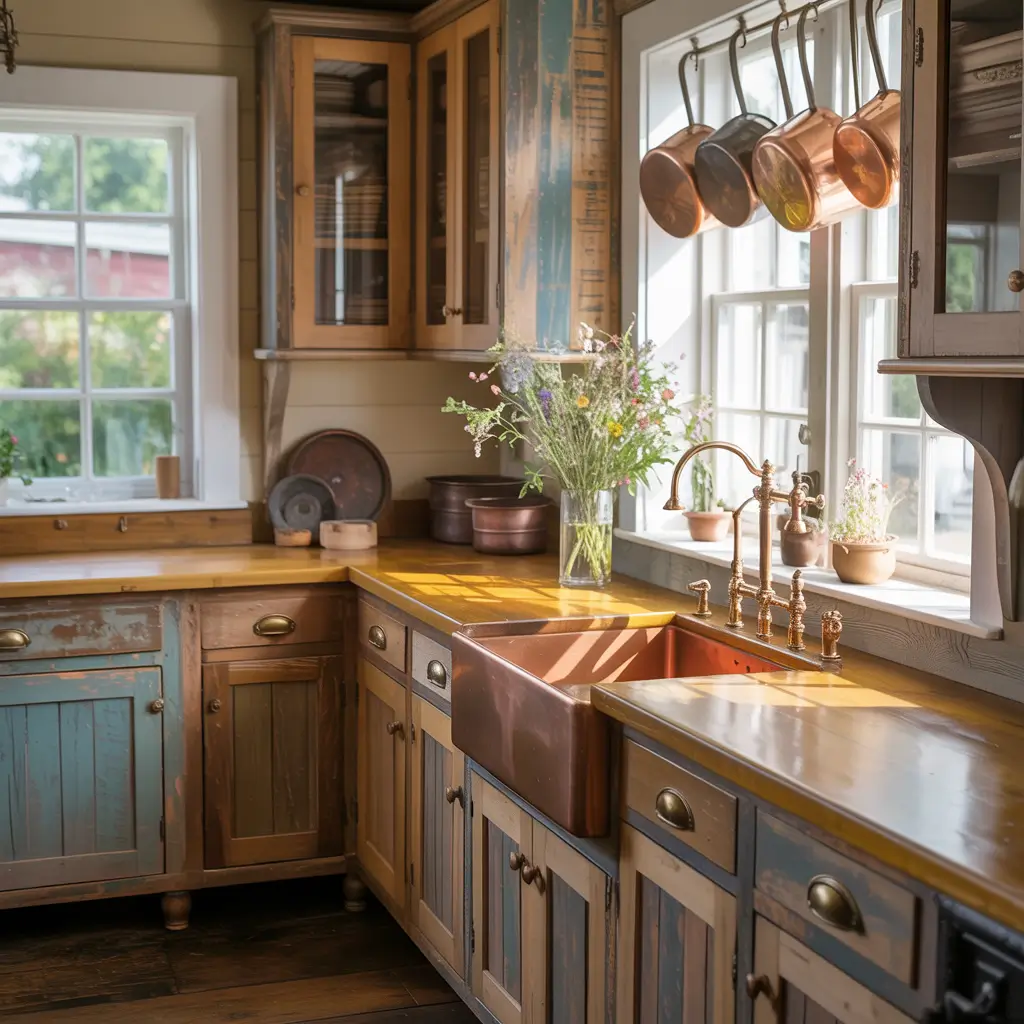
The table itself is only half the story. How you style it — and the room around it — determines whether the whole thing comes together or falls flat.
12.1. Lighting
Nothing elevates a farmhouse table faster than the right pendant light. You want something that hangs low enough to feel intimate but high enough not to block eye contact across the table. A good rule: the bottom of the pendant should sit 28 to 34 inches above the tabletop.
For farmhouse style, look for: woven rattan pendants, galvanized metal shades, Edison bulb clusters, or simple ceramic pendants in white or cream.
12.2. Centerpieces That Actually Work
- Wooden dough bowls with seasonal greenery or dried florals
- Simple glass jars with wildflowers or herbs from the garden
- A collection of wooden candlesticks at varying heights
- Linen table runners in natural, cream, or soft stripes
- Terracotta pots with trailing plants for a relaxed, lived-in look
12.3. Chair Pairings That Work
- Windsor chairs — timeless, always right with farmhouse
- Slipcovered upholstered chairs — soft and inviting, easy to launder
- Ladder-back chairs — classic Shaker farmhouse, pairs with any table
- Mixed vintage chairs — collected over time, the most personal look
💡 Style Secret: Don’t try to match your chairs perfectly. A slight mismatch — same style, different colors, or same color, different styles — looks intentional and interesting.
13. Farmhouse Kitchen Table Materials Compared
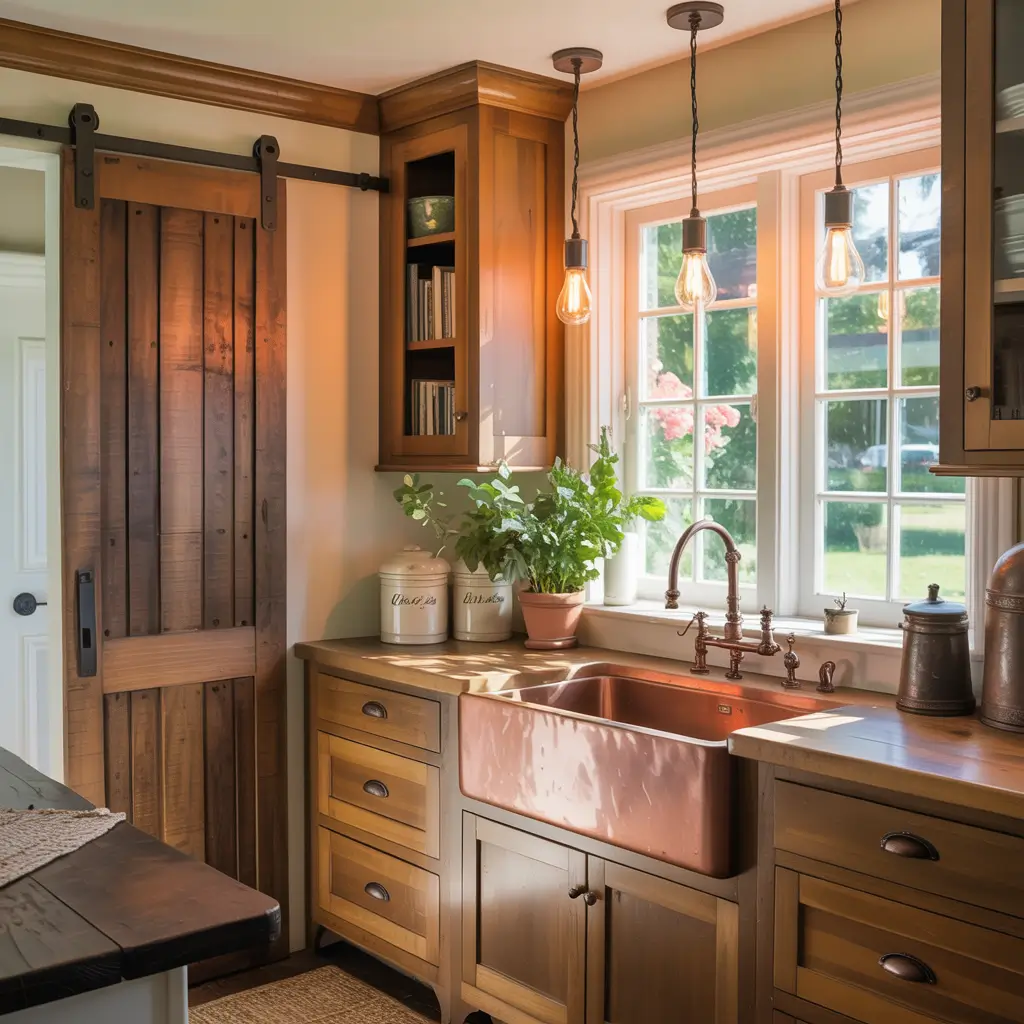
Choosing the right material affects not just how your table looks but how it lives. Here’s an honest breakdown:
- Solid hardwood (oak, maple, walnut) — Best overall. Durable, refinishable, ages beautifully. More expensive but lasts decades.
- Solid pine — Classic farmhouse choice. Softer, dents easier, but develops gorgeous character. More affordable.
- Reclaimed wood — Unique, sustainable, and full of character. Requires careful sealing to protect against moisture.
- Butcher block — Excellent for work surfaces. Requires regular oiling. Can be sanded and refinished many times.
- Wood veneer over MDF — Cheapest option. Looks good initially but cannot be refinished and can peel with heavy moisture.
- Concrete top — Industrial-farmhouse crossover. Heavy, dramatic, requires sealing. Works best in modern farmhouse contexts.
14. Caring for Your Farmhouse Kitchen Table
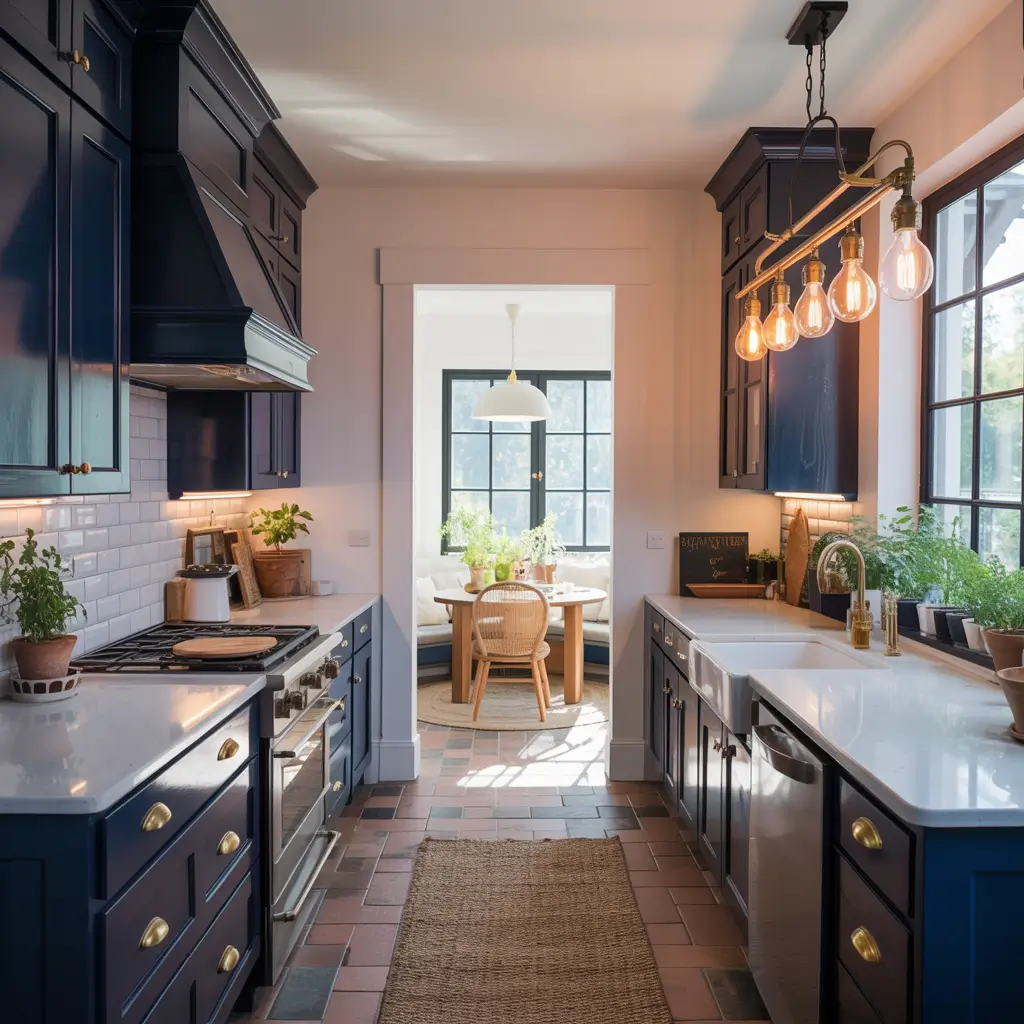
A farmhouse table is built to last, but only if you treat it right. The good news: caring for solid wood is simpler than most people think.
14.1. Daily Care
- Wipe spills immediately — don’t let liquid sit on wood
- Use a soft, damp cloth for regular cleaning — avoid harsh cleaners
- Never put hot items directly on the surface — always use trivets
- Felt pads under any decorative items that are moved regularly
14.2. Long-Term Maintenance
- Oil bare or oiled-finish tables every 6 to 12 months with food-grade oil
- For painted or stained tables, touch up with matching paint as needed
- Sand and refinish every 10 to 15 years for solid wood tables
- Tighten any loose hardware seasonally — wood movement is normal
💡 Maintenance Note: Scratches and dents on a farmhouse table are not failures — they’re history. Embrace them. A table that looks too pristine doesn’t feel like a farmhouse table anymore.
15. Buying Guide: What to Check Before You Purchase
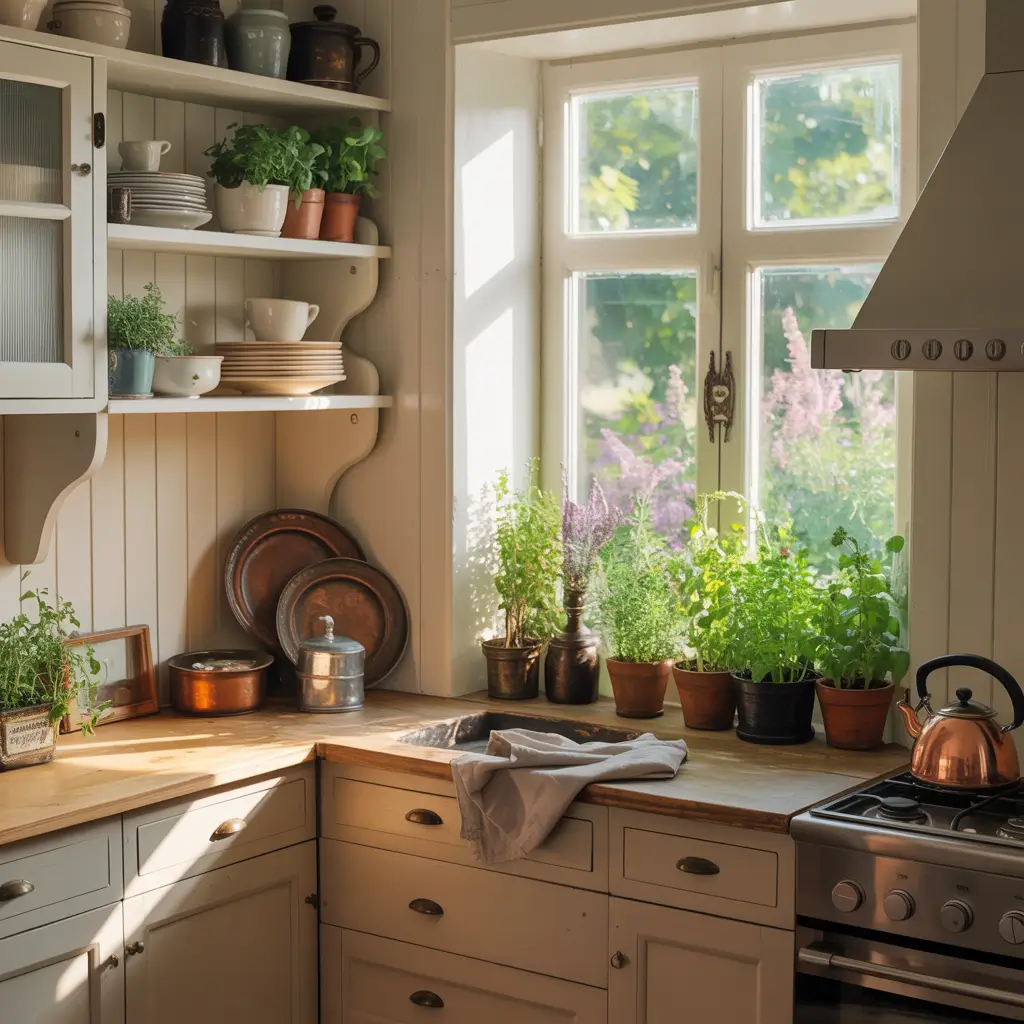
Whether you’re buying online or in a store, these are the questions and checks that separate a good buy from an expensive regret:
- Is it solid wood or veneer? Ask directly — the answer changes everything about longevity.
- What are the leg-to-top attachment points like? Look for metal corner brackets or mortise-and-tenon joinery, not just screws into end grain.
- Does it wobble? A new table should sit completely flat. Wobble means either poor construction or uneven legs — both are fixable, but both are negotiating points.
- What’s the return policy? Especially important for online purchases, where color and finish can look different in real life.
- Is there a weight limit stated? Important if you have children who will inevitably sit on it.
- Is assembly required, and how complex is it? Some flat-pack farmhouse tables are genuinely beautiful. Others are 47 pieces and a three-hour cry.
Frequently Asked Questions
What size farmhouse table do I need?
For a kitchen, 60 to 72 inches long is the most versatile range, seating six to eight. For four people, a 48-inch table is comfortable. Always measure your space first, leaving at least 36 inches on all sides for chairs to pull out freely.
What wood is best for a farmhouse kitchen table?
For durability and character, white oak is hard to beat. It’s hard enough to resist denting, beautiful enough to feature, and takes stain and oil beautifully. Pine is the traditional farmhouse choice and is more affordable — just expect it to show wear faster (which many people consider part of the charm).
How do I make a farmhouse table look less rustic?
Sand back any heavy distressing. Refinish in a clean, lightly tinted oil or a smooth satin stain. Pair with more contemporary chairs — like a simple Scandinavian design — and clean, minimal styling. You’ll keep the warmth of the wood while dialing back the ‘country barn’ aesthetic.
Can I DIY a farmhouse kitchen table?
Absolutely — and it’s one of the most satisfying furniture projects you can take on. A basic farmhouse table requires minimal woodworking skill: it’s essentially a plank top on four legs with a stretcher between them. There are hundreds of detailed plans available online, and the material cost for a solid pine table is usually between $150 and $300.
Final Thoughts
A farmhouse kitchen table is one of those rare furniture investments that genuinely gets better with age. It doesn’t demand perfection — it welcomes real life. Sticky fingers, homework, holiday dinners, long conversations over wine that run past midnight. That’s what this table is for.
Whether you choose a classic rustic plank table, a sleek modern farmhouse design, a sustainable reclaimed piece, or a budget find that you transform with your own hands — the end result should feel like yours. Not a showroom replica, not a trend statement, but a table your household grows around for years.
Use this guide to narrow your options, trust your instincts about what feels right in your space, and don’t be afraid to go your own way. The best farmhouse kitchen table is the one you actually gather around.
1 thought on “15 Stunning Farmhouse Kitchen Cabinets Ideas to Transform Your Space”