
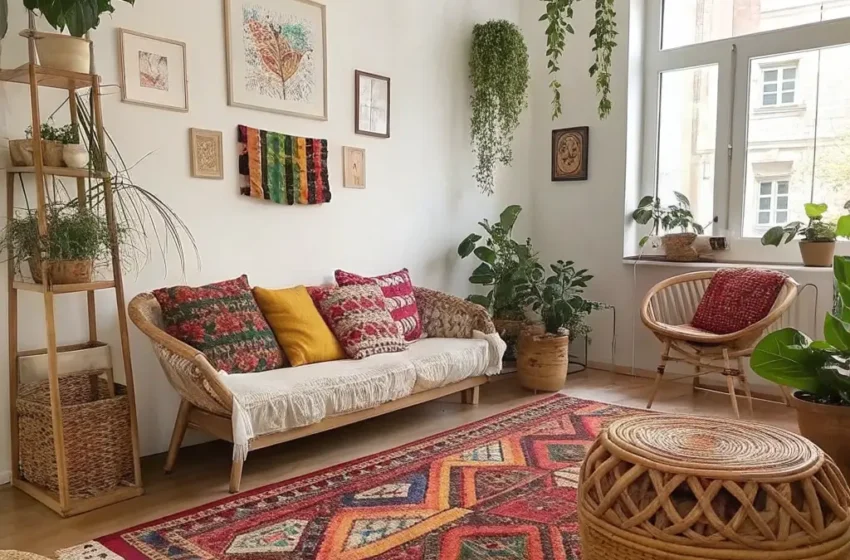
Getting the keys to your first apartment is one of those moments you never forget. There is that rush of excitement, the smell of a fresh start, and then… you step inside and realize four bare walls are staring right back at you.
Sound familiar? You are not alone. Most people spend their first few weeks sitting on a mattress on the floor wondering where to even begin. The good news is that decorating your first apartment does not have to feel overwhelming, expensive, or like you need a design degree to pull it off.
Whether you are working with a shoestring budget, a tiny studio, or a layout that makes zero sense, this guide has you covered. Below you will find 20 practical, budget-friendly first apartment decorating ideas that are easy to execute, renter-approved, and actually make a space feel like home.
1. Start With a Clear Vision Before You Buy Anything
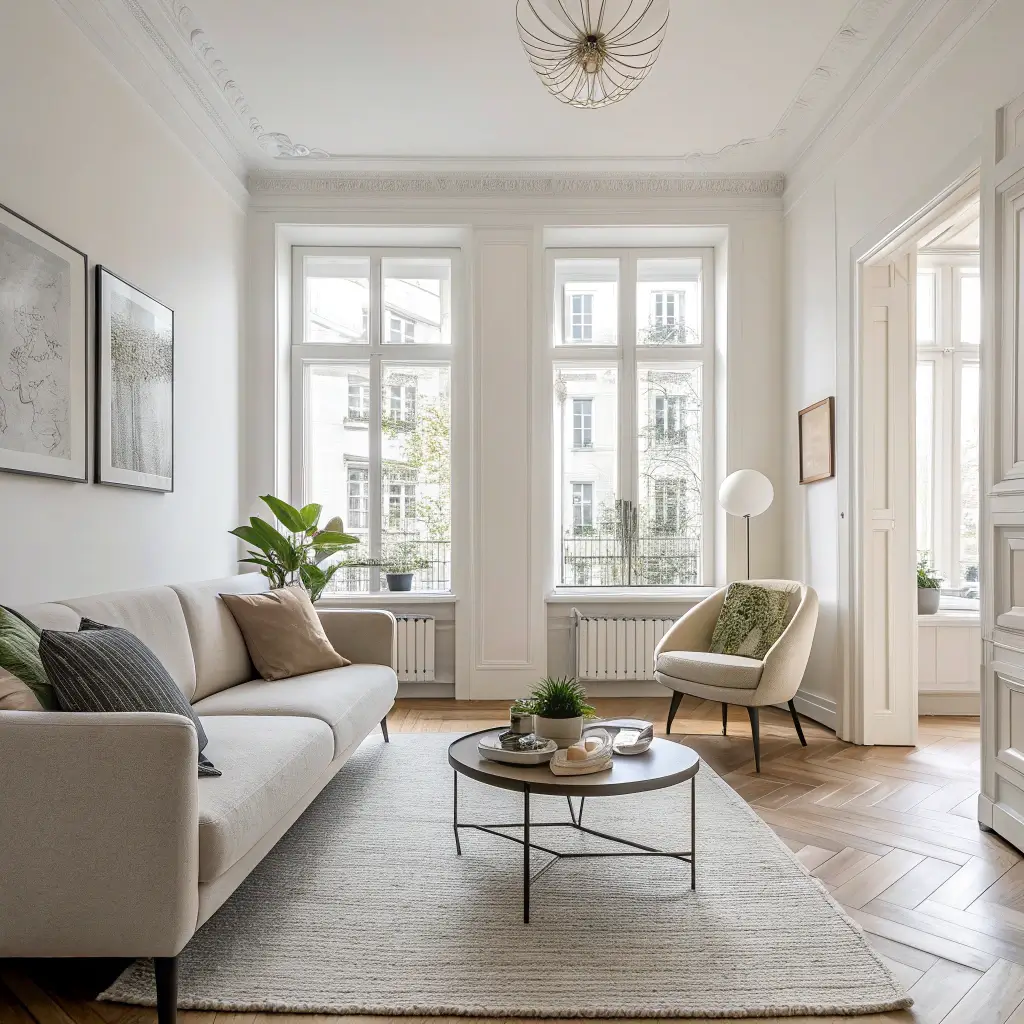
The biggest mistake new apartment renters make is rushing to IKEA the weekend they move in and buying everything on impulse. Three weeks later, nothing matches and you are stuck with furniture you do not love.
Before spending a single dollar, take photos of your empty space, measure every wall and doorway, and browse Pinterest or Instagram for 10–15 images that genuinely excite you. Pay attention to the common themes: Are the rooms bright and airy? Warm and moody? Minimal or eclectic? That recurring feeling is your style direction.
Pro Tip: Save your inspiration images in a dedicated folder and look for three things that appear in all of them — color palette, furniture style, and a mood or texture. Those three elements become your decorating compass.
2. Choose a Neutral Base and Build From There
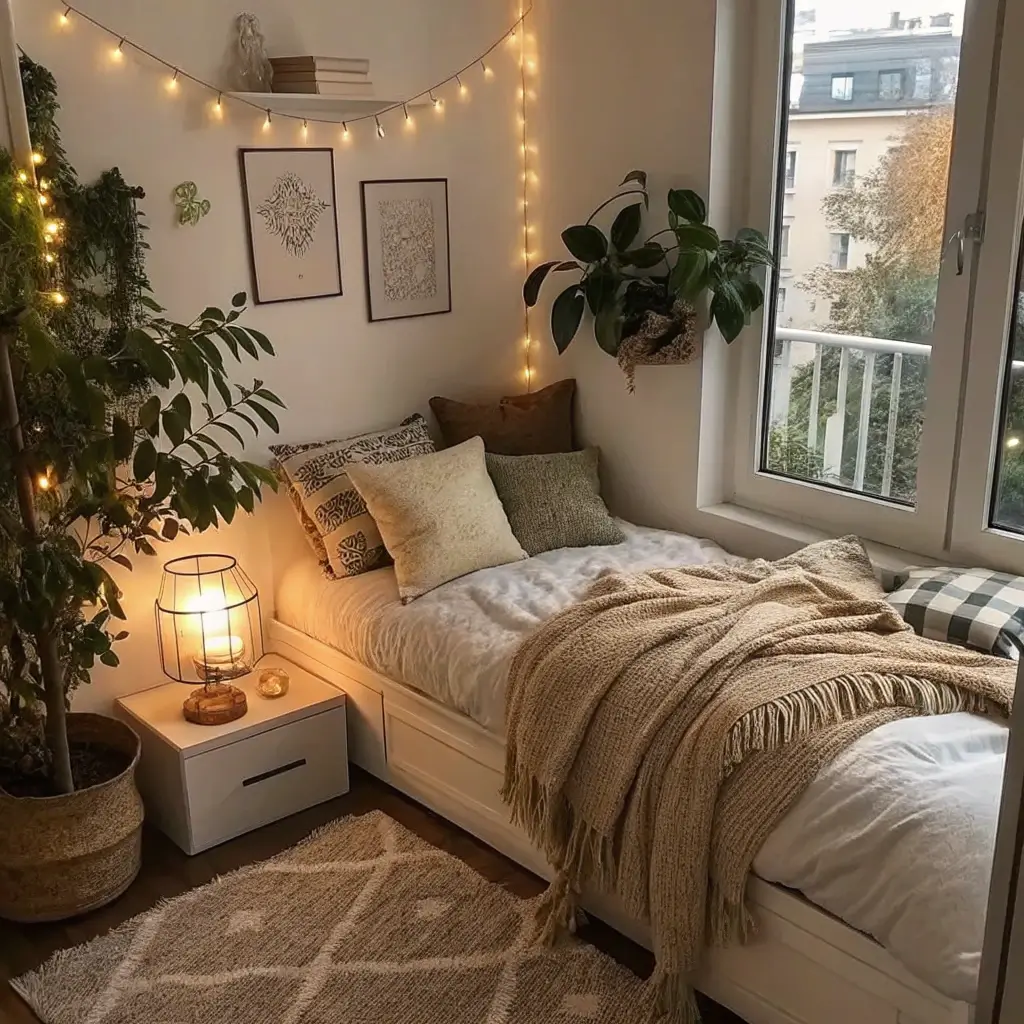
Neutrals are not boring — they are the smartest foundation you can lay in a first apartment. Whites, warm beiges, soft grays, and earthy taupes give you total freedom to swap out accents as your taste evolves without needing to repaint or buy new furniture every year.
Start with a neutral sofa, neutral-ish walls (or removable wallpaper for color), and neutral bedding. Then layer in personality through throw pillows, rugs, artwork, and plants. This approach costs less over time because the big-ticket items stay relevant season after season.
3. Invest in One Anchor Piece of Furniture Per Room
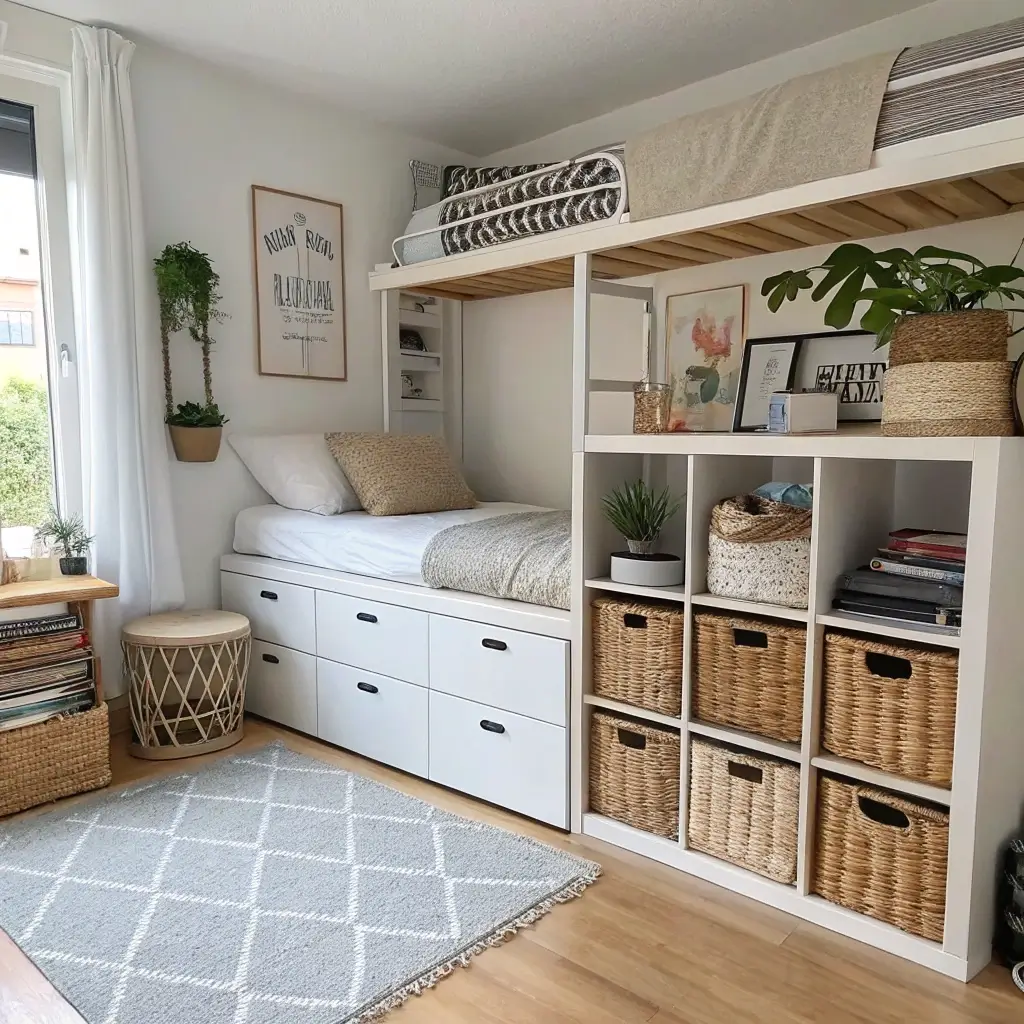
You do not need a fully furnished apartment on day one. What you do need is one statement piece per room that anchors the space and sets the tone.
In the living room, that might be a well-made sofa in a rich texture. In the bedroom, it could be a bed frame with character or a bold headboard. In the dining area, maybe it is a round table that encourages people to gather. Everything else can be built around that focal piece over time.
Budget Advice: Spend more on the anchor piece and less on fillers. A $400 quality sofa that lasts 10 years beats four $100 impulse buys that fall apart in two.
4. Use Rugs to Define Zones in Open Layouts
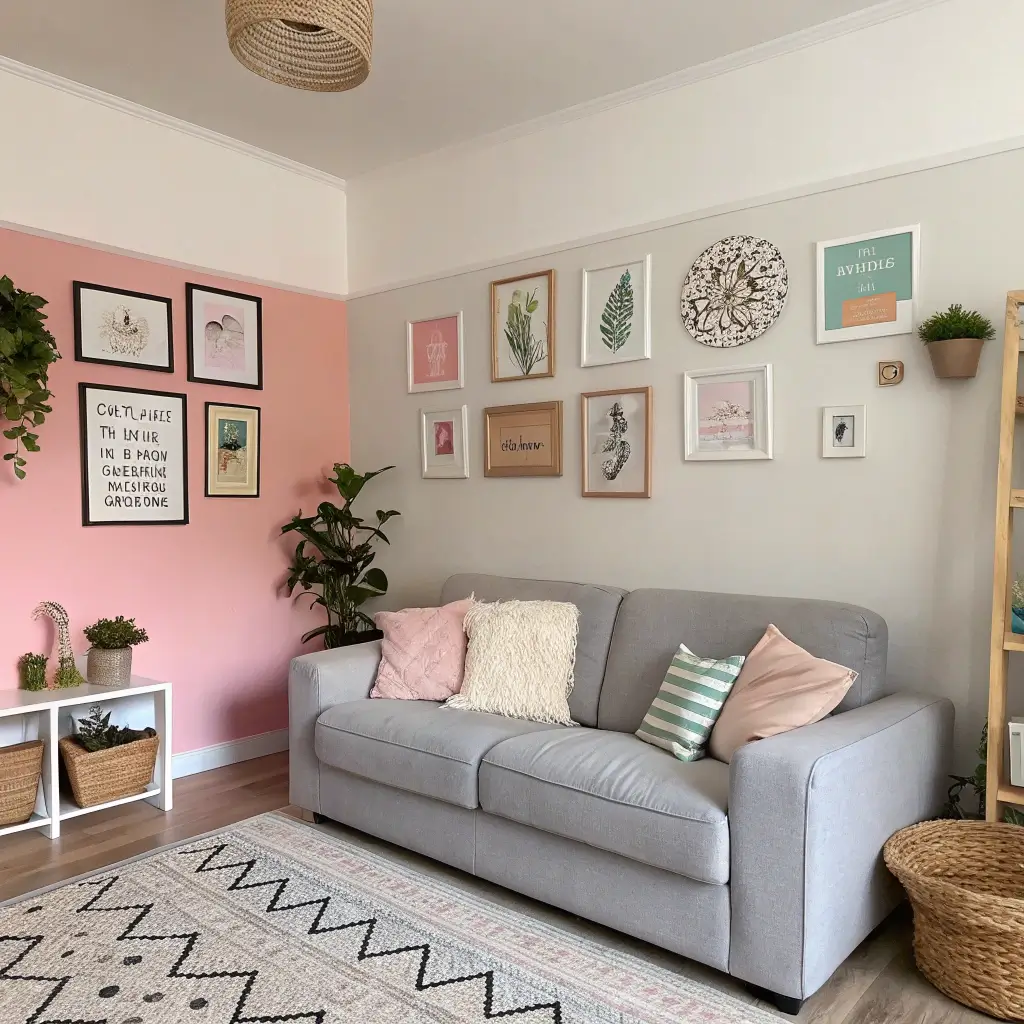
If your first apartment has an open-concept floor plan, rugs are your best friend. A well-placed rug visually separates your living area from your dining area from your workspace — no walls required.
The golden rule: always go bigger than you think you need. A rug that is too small floats awkwardly in the middle of the floor. For a sofa setup, all front legs of furniture should sit on the rug. For a dining table, the rug should extend at least 24 inches beyond each chair when pulled out.
5. Layer Your Lighting for Ambiance and Function
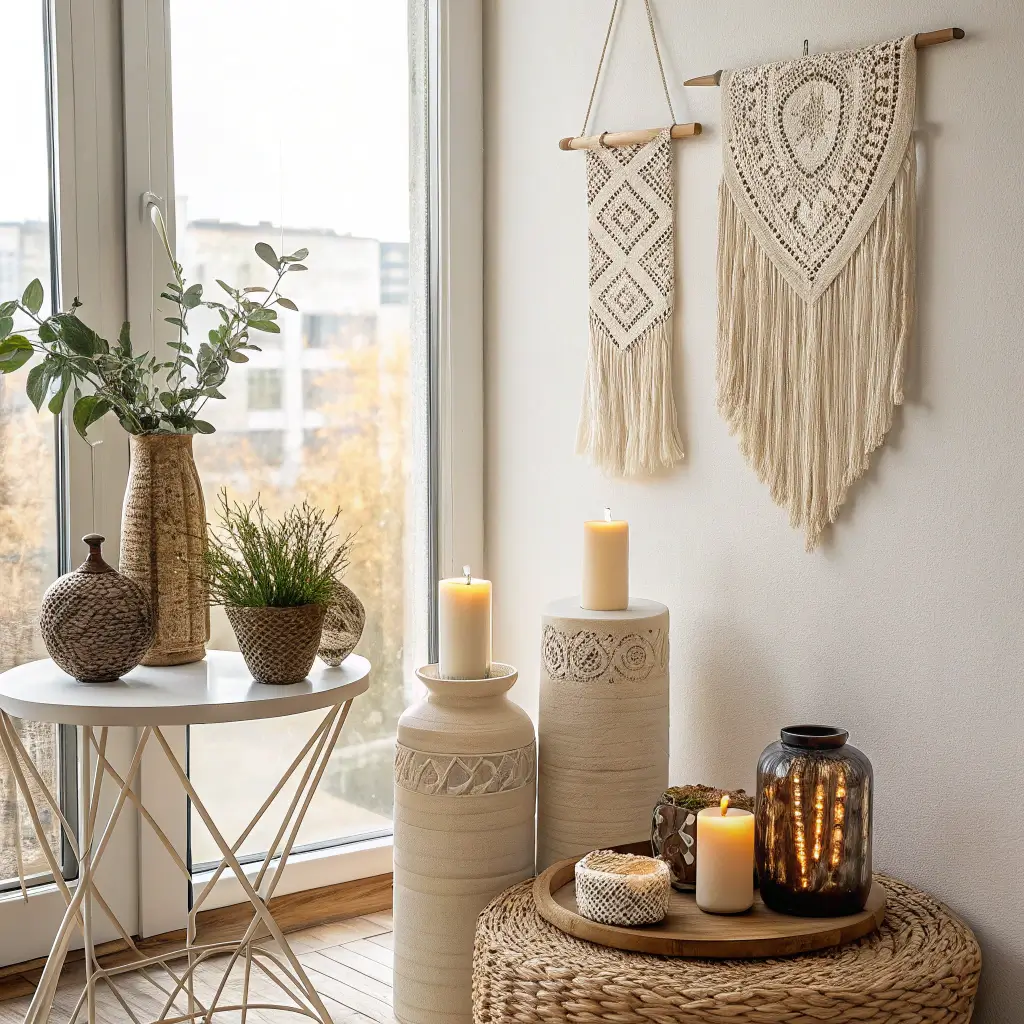
Overhead lighting in most apartments is terrible. A single ceiling fixture gives flat, harsh light that makes even beautiful spaces feel like hospital waiting rooms.
The solution is layered lighting. Think of it in three levels:
1. Ambient lighting — your overhead light or a floor lamp that lights the whole room.
2. Task lighting — a desk lamp for working, a bedside lamp for reading, under-cabinet lighting in the kitchen.
3. Accent lighting — string lights, candles, LED strips, or table lamps that create warmth and visual interest.
A floor lamp in the corner of your living room alone will transform the entire feel of the space after sunset. Warm bulbs (2700K–3000K) make a massive difference compared to cool daylight bulbs.
6. Maximize Vertical Space With Floating Shelves
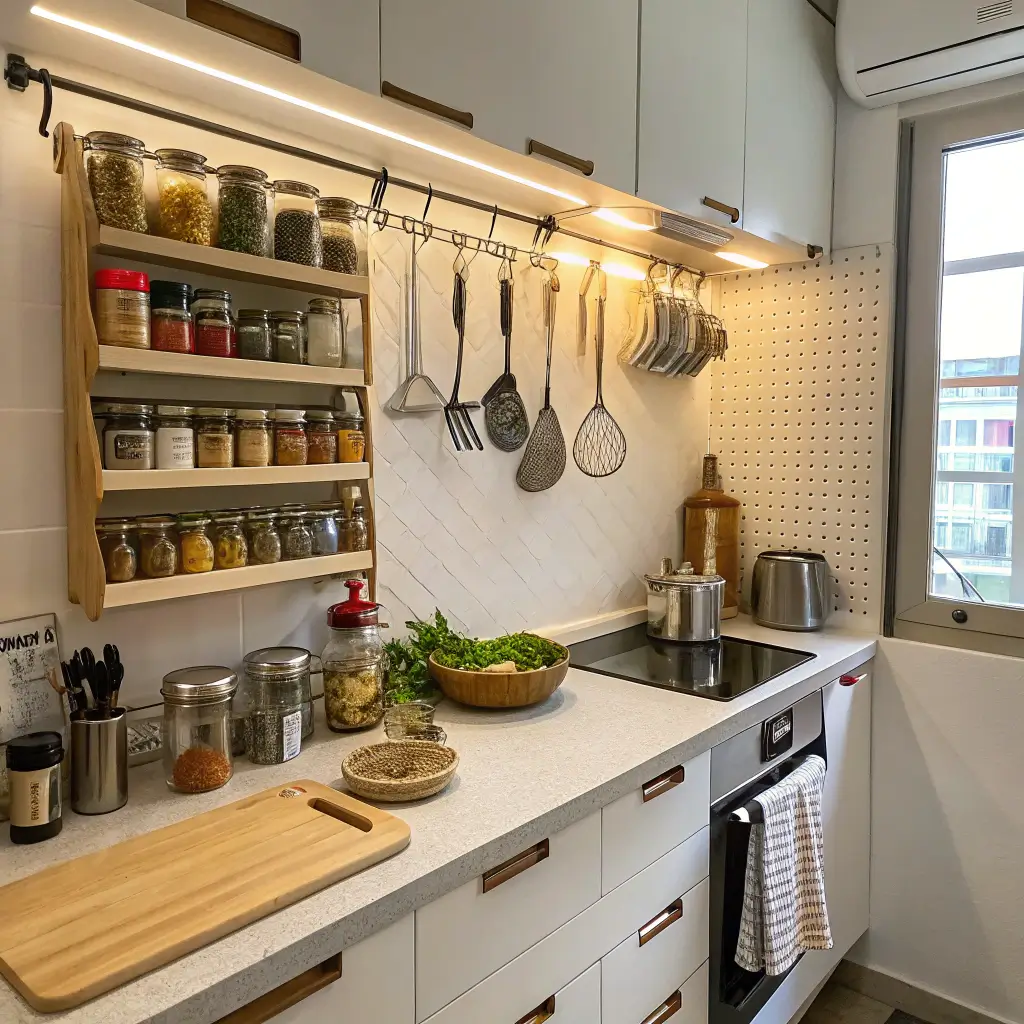
In a small apartment, your floor space is precious. Your walls, however, are mostly untapped real estate.
Floating shelves are one of the best investments you can make in a first apartment. They create storage, display space for plants and books and objects, and they draw the eye upward — making ceilings feel higher and rooms feel larger. Install them at varying heights for an intentional, gallery-wall effect rather than a storage-unit look.
Renter Tip: Use Command strips rated for shelf weight if your lease restricts wall damage, or patch nail holes with spackle and touch-up paint before moving out. A few small nail holes are almost never a security deposit issue.
7. Create a Gallery Wall That Tells Your Story
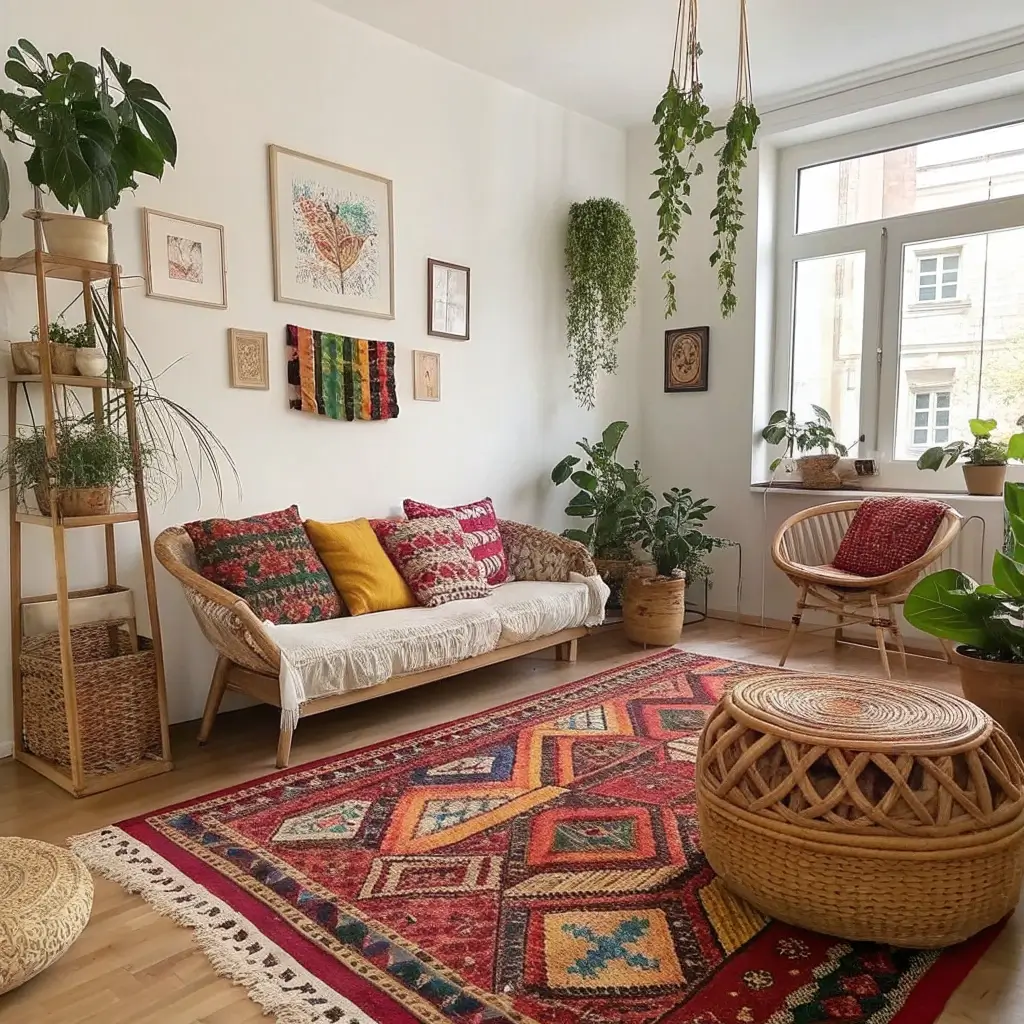
Blank walls are the number one thing that make a first apartment feel unfinished. A gallery wall fixes that fast and is surprisingly affordable to pull off.
You do not need expensive art. Combine personal photos printed at your local pharmacy, free downloadable prints from sites like Unsplash or Canva, meaningful postcards, and one or two inexpensive framed prints. Use frames in the same color family — all black, all white, or all natural wood — for cohesion even if the sizes vary.
Lay your arrangement out on the floor first before putting a single nail in the wall. Trace each frame on paper, tape the paper templates to the wall, then hang from there. It saves a lot of patching later.
8. Bring Life In With Indoor Plants
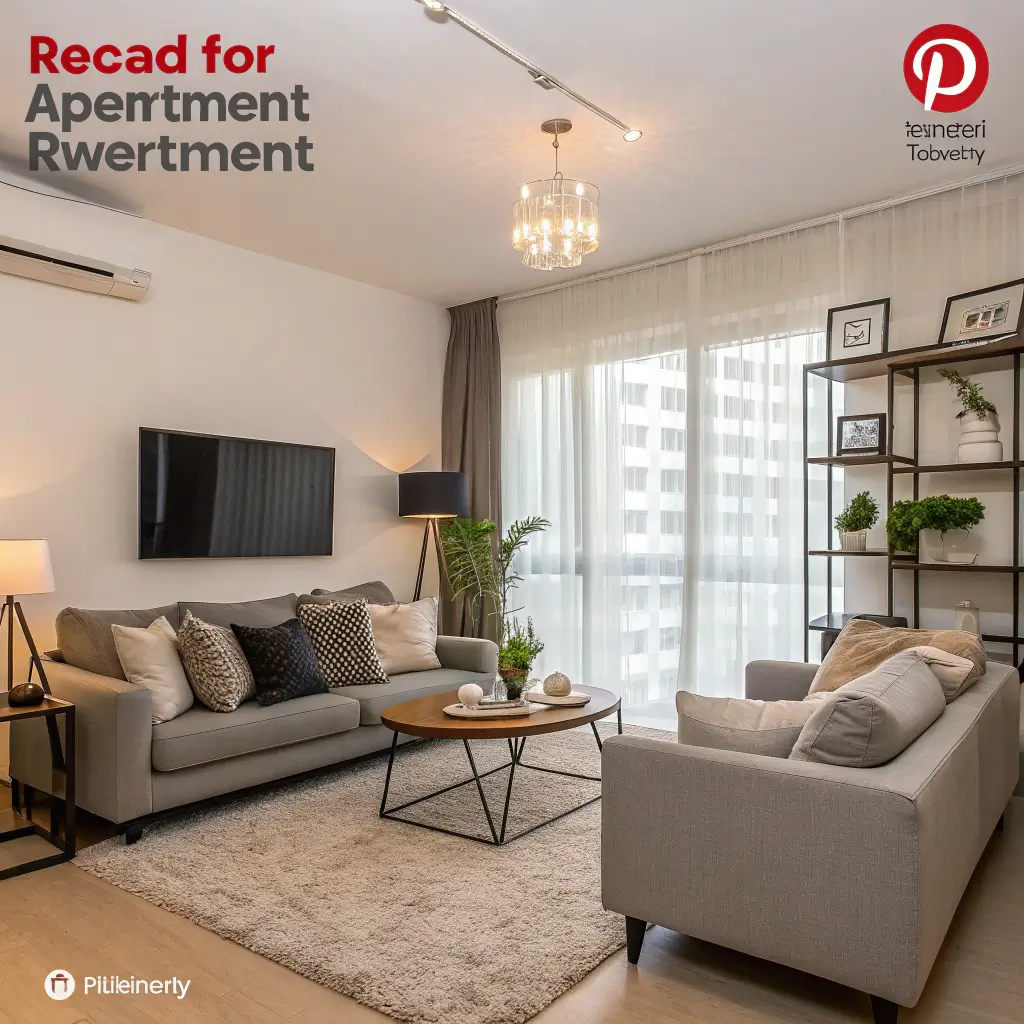
Nothing makes a space feel alive — literally — like plants do. They add color, texture, oxygen, and a sense of care to any room. And you do not have to have a green thumb to keep them alive.
Start with low-maintenance varieties:
1. Pothos — nearly impossible to kill, trails beautifully from shelves.
2. Snake plant — thrives on neglect and low light.
3. ZZ plant — perfect for rooms without much natural sunlight.
4. Peace lily — a great choice for bathrooms and bedrooms.
5. Spider plant — grows fast, looks cheerful, and produces babies you can propagate.
Vary the sizes and placement: a tall fiddle leaf fig or monstera in a living room corner, small succulents on a windowsill, trailing pothos on top of a bookshelf.
9. Use Mirrors to Open Up Small Rooms
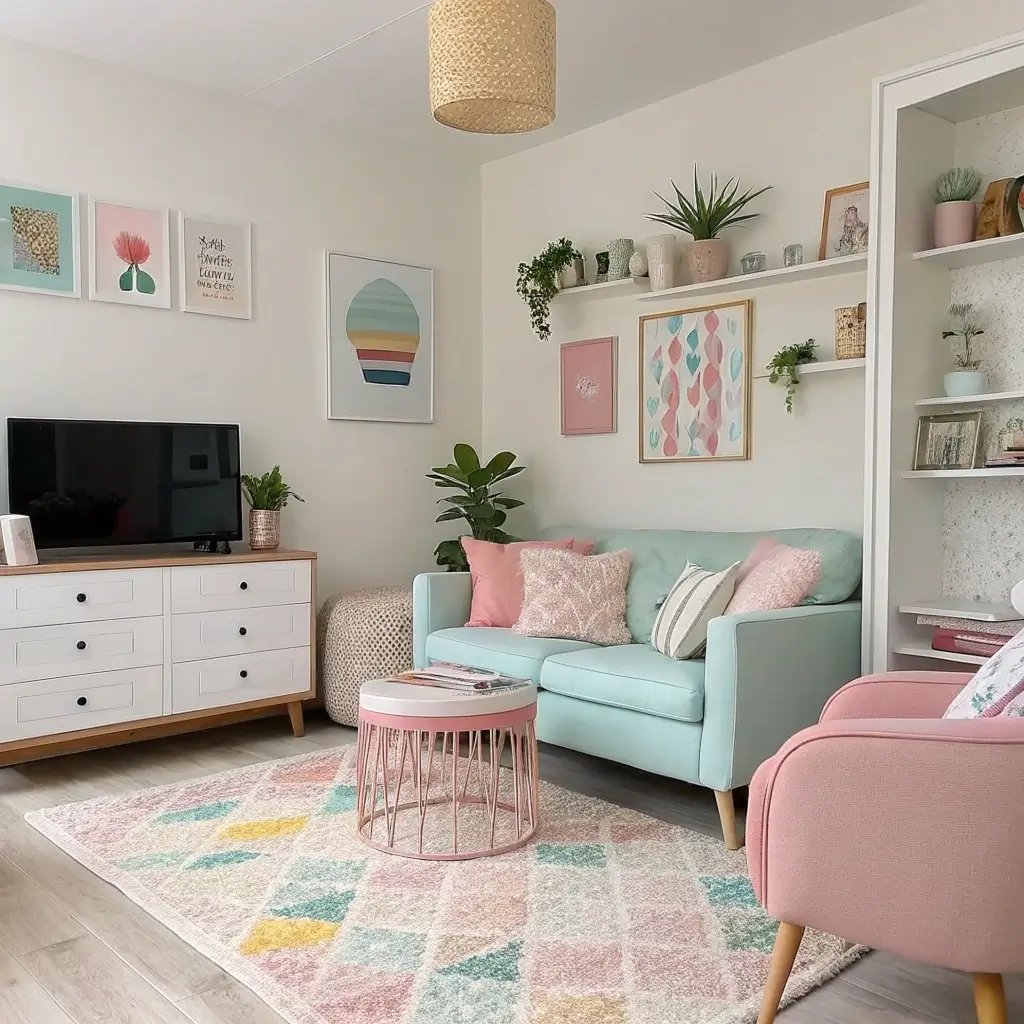
Mirrors are one of the oldest decorating tricks in the book, and they work. A large mirror on a wall opposite a window can literally double the natural light in a room and make it feel twice as spacious.
You do not need to spend a fortune. Thrift stores and secondhand apps regularly have large mirrors for $20–$50. Clean them up, spray paint the frame if needed, and lean them against a wall for a casual, lived-in look that is also very on-trend right now.
10. Hack Cheap Furniture to Look Expensive
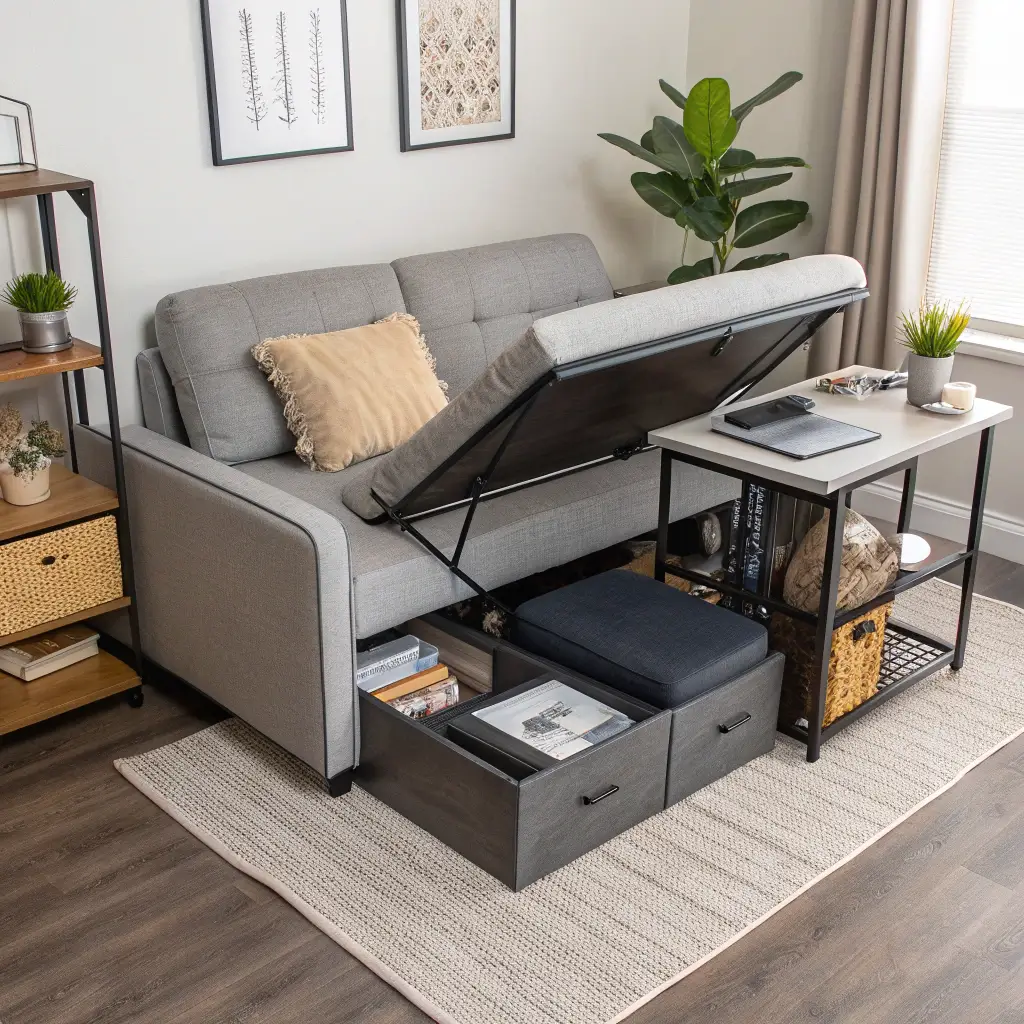
IKEA and Amazon basics furniture gets a bad reputation for looking cheap — but a little creativity changes everything. A few hacks that actually make a difference:
1. Swap hardware. Replace stock drawer pulls with brass or matte black hardware from the hardware store. Takes 10 minutes and transforms an entire dresser or cabinet.
2. Add legs. IKEA sells furniture legs separately. Adding tapered wooden legs to a basic dresser or bed frame elevates it instantly.
3. Spray paint it. A matte black spray paint on a basic bookshelf or side table makes it look like designer furniture.
4. Add molding. Peel-and-stick trim on flat-front cabinet doors mimics expensive built-ins for under $30.
11. Make Your Bedroom a Proper Sanctuary
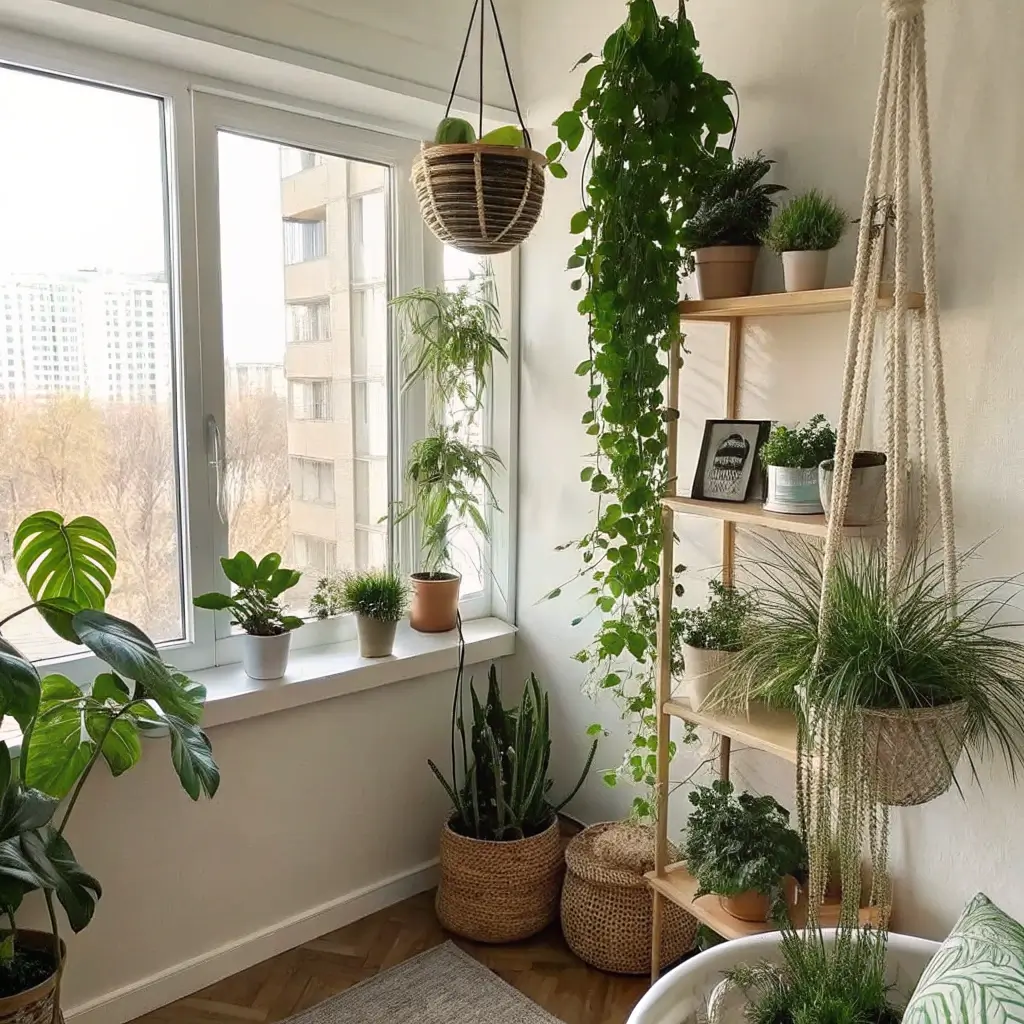
Your bedroom should be the most personal, calming room in the apartment. It is where you start and end every day, and it deserves intentional attention.
Start with quality bedding. Seriously — a good set of soft sheets and a duvet you love does more for how your bedroom feels than almost any other single purchase. Layer pillows in two or three coordinating sizes. Add a throw blanket folded at the foot of the bed.
Keep the area around your bed simple and intentional. Bedside tables do not need to match. A lamp, a small plant, and a book or journal is all you need on the surface. Clutter on the bedside table creates a cluttered mind at bedtime.
12. Designate a Workspace That Is Not Your Bed
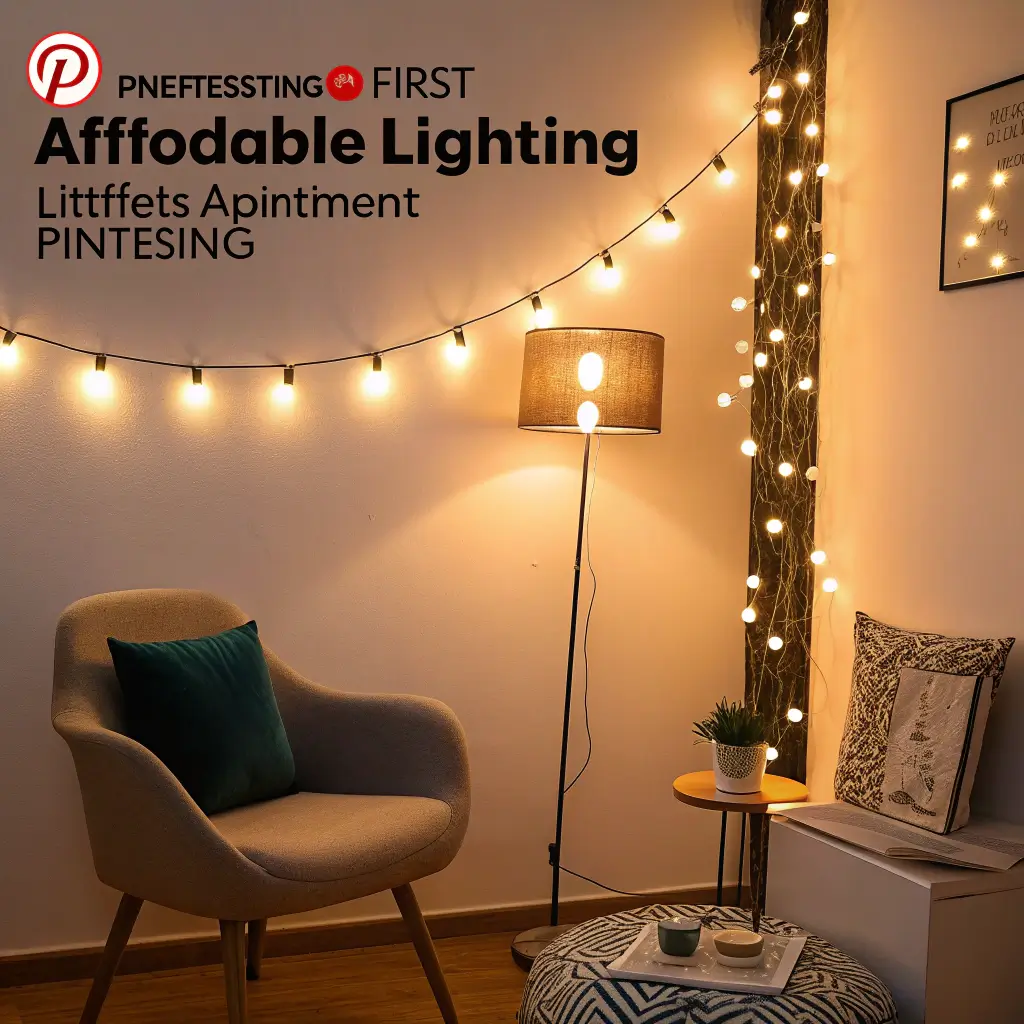
If you work from home or study frequently, having a dedicated workspace in your apartment is non-negotiable for your sanity. Working from bed or the couch sounds appealing but quietly destroys your focus and sleep quality.
Even a small corner with a desk, a proper chair, and good task lighting counts as a workspace. Add a small shelf above for books and supplies, plug in a table lamp, and set the zone with a small rug if needed to separate it visually from the rest of the room.
Productivity Tip: Face your desk toward a wall or a window, not toward the TV or main living area. Visual separation between work mode and rest mode makes a big difference in focus.
13. Organize the Kitchen Without a Renovation
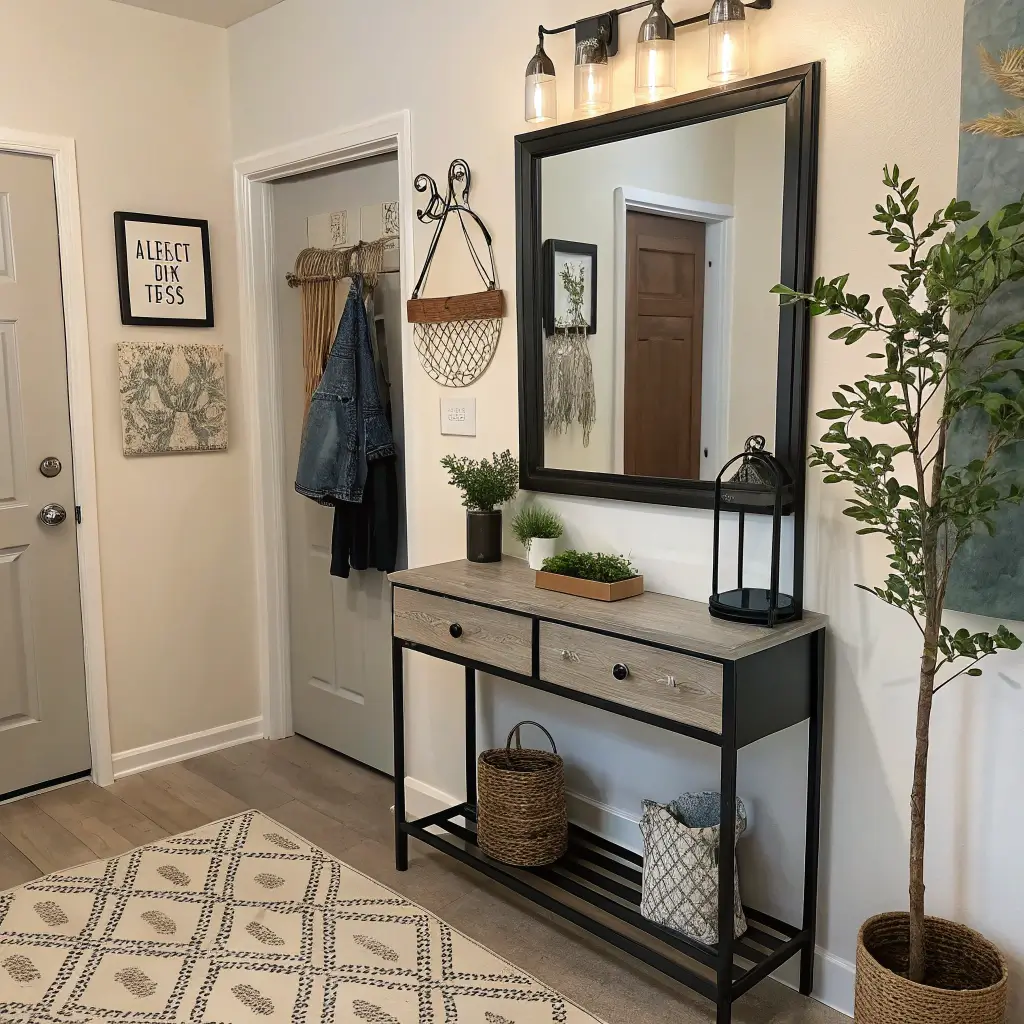
First apartment kitchens are often tiny, poorly lit, and short on storage. You cannot renovate it, but you can organize it smartly.
Use the backs of cabinet doors with small mounted organizers for spices, foil, or wrap. Add a magnetic knife strip to free up counter space. Install a tension rod under the sink to hang spray bottles. Use a tiered shelf inside cabinets to double your storage without adding anything permanent.
A matching set of canisters for coffee, sugar, and flour on the counter makes a chaotic kitchen feel tidier instantly. Decant things into uniform containers and suddenly even the most basic kitchen looks pulled together.
14. Upgrade Your Bathroom With Small Swaps
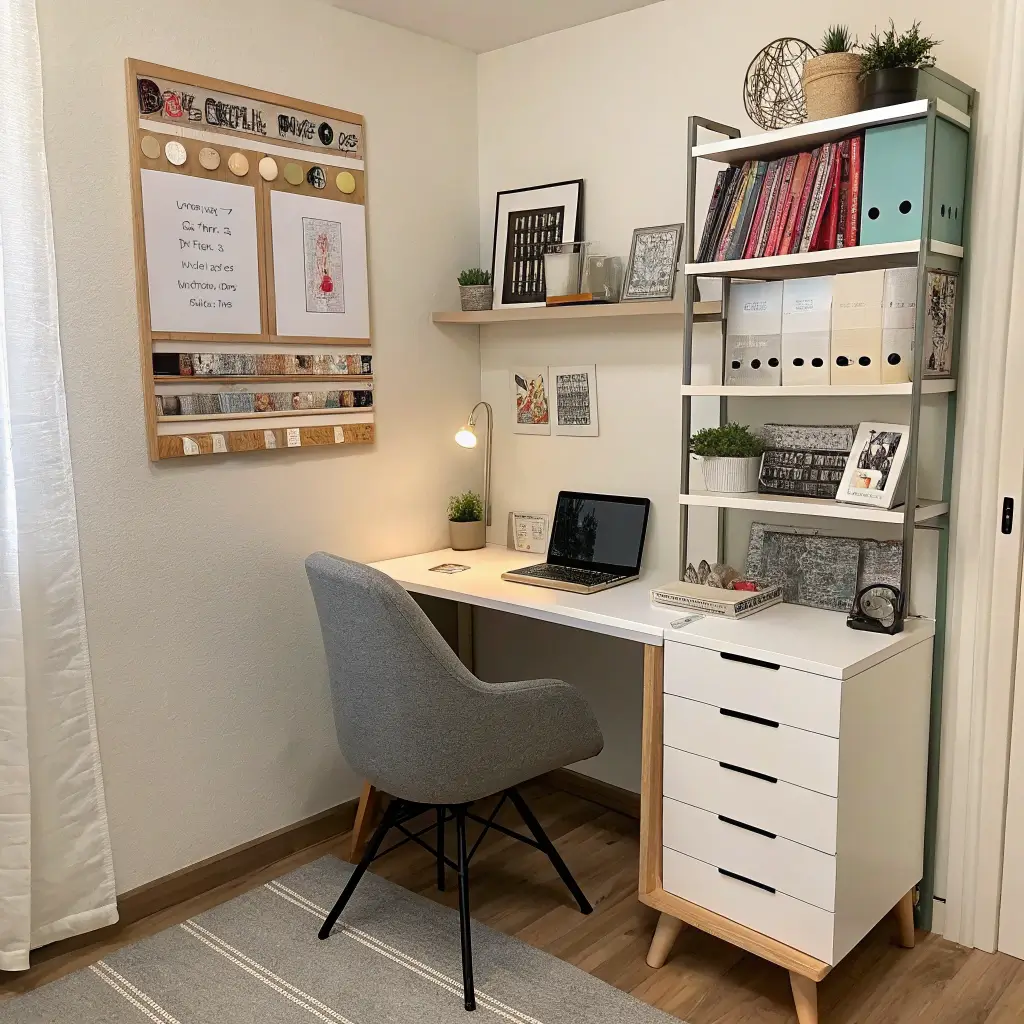
Most first apartment bathrooms are builder-grade bland. You probably cannot retile the floor or replace the vanity, but you can do this:
1. Swap the shower curtain for something with color, pattern, or texture.
2. Add a matching set of hand towels, a soap dispenser, and a small tray on the counter.
3. Hang a floating shelf or over-toilet shelving unit for storage and visual interest.
4. Place a small plant on the windowsill — pothos and peace lilies love bathroom humidity.
5. Swap the toilet paper holder and towel rings with brushed gold or matte black versions. Most unscrew easily and the originals can be reinstalled before you move out.
15. Embrace Secondhand and Thrift Store Finds
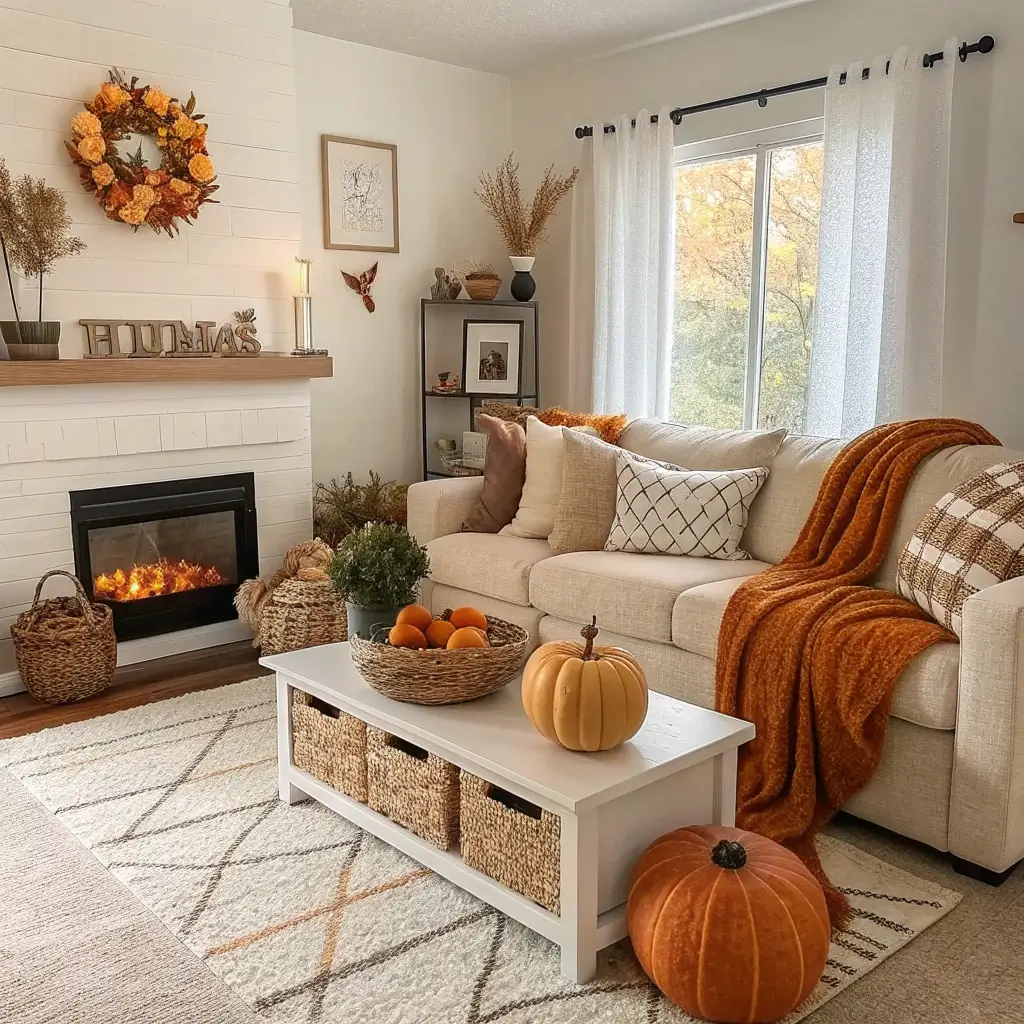
Some of the most beautiful, characterful apartments are filled with secondhand pieces. Thrift stores, Facebook Marketplace, Craigslist, OfferUp, and local estate sales are goldmines for unique furniture and decor that you will not find in everyone else’s apartment.
Look for solid wood furniture that can be sanded and refinished, vintage frames, ceramic and glass objects, and textiles like curtains, rugs, and pillows. The patina and history of older pieces adds warmth that new flat-pack furniture simply cannot replicate.
Money-Saving Tip: The best time to shop Marketplace is at the start of each month when people are moving and need to sell quickly. Prices drop fast and negotiation is always welcome.
Quick-Win First Apartment Decorating Ideas Under $50
Short on time or budget? These small changes deliver immediate visual impact:
1. Switch outlet covers and light switch plates to screwless, modern versions — they cost $2 each and make walls look cleaner.
2. Add a doormat with personality to your entryway. First impressions start at the door.
3. Replace harsh white LED bulbs with warm-tone Edison-style bulbs in exposed fixtures.
4. Place a scented candle or diffuser in your living room. Scent is an underrated part of making a space feel like home.
5. Decant pantry staples into matching glass jars. A tidy pantry shelf is oddly satisfying.
Frequently Asked Questions
How do I decorate my first apartment on a tight budget?
Start with what you already own, borrow or buy secondhand, and focus on free improvements first — rearranging furniture, deep cleaning, maximizing natural light. Then add budget-friendly high-impact items: a rug, throw pillows, plants, and a statement lamp. You do not need to spend much to make a big difference.
What should I buy first for my first apartment?
Prioritize the essentials that affect daily comfort: a bed you love, quality bedding, a sofa or seating option, basic kitchen supplies, and good lighting. Decorative items can come later. Comfort before aesthetics.
How do I make a small apartment look bigger?
Use light colors on walls and large surfaces, hang curtains high and let them pool to the floor, use mirrors to reflect light, choose furniture with visible legs, minimize clutter, and use rugs that are large enough to anchor your furniture properly.
Can I decorate a rental apartment without losing my deposit?
Absolutely. Use removable wallpaper, command strips and hooks, peel-and-stick tiles, tension rods, and furniture to define your space without permanent changes. For small nail holes, spackle and touch-up paint are easy fixes at move-out.
What decorating style works best for a first apartment?
There is no single right answer — but styles that tend to age well and work across small spaces include Scandinavian minimalism, warm maximalism with careful editing, and transitional style (a blend of modern and traditional). The best style is the one that genuinely reflects your taste.
Final Thoughts: Your First Apartment Is Your First Canvas
Your first apartment is more than just a place to sleep. It is the first space that is entirely yours — to arrange, to style, and to make feel like home in whatever way feels right to you.
Start with a vision, invest in a few quality anchor pieces, layer in texture and light, and personalize with things that actually mean something to you. Do not rush it. Do not compare it to someone else’s fully styled Instagram apartment that took three years and a styling team to create.
Every great home started as four empty walls. Yours will come together one thoughtful decision at a time.
1 thought on “15 Practical First Apartment Decorating Ideas and Easy DIY Tips”