
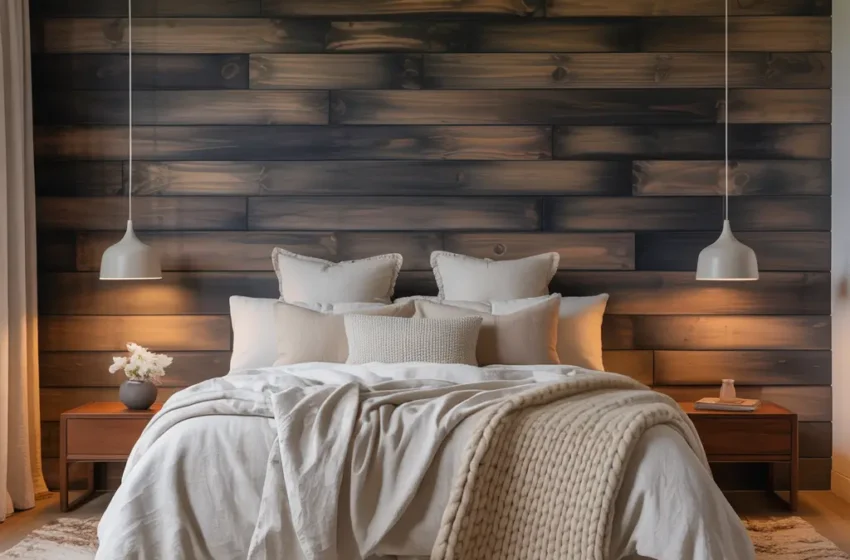
There is a reason so many interior designers reach for wood when they want to make a room feel genuinely alive. Paint has colour. Fabric has softness. But wood has something that no manufactured material can fully replicate: the warmth of something that was once living. The grain, the knots, the subtle variations in tone — each piece is unique in a way that resonates with us on a level we do not always consciously register, but absolutely feel when we walk into a room.
Wooden wall decor sits at the intersection of art, craft, and nature. Whether it is a hand-carved mandala panel, a simple floating shelf styled with intention, a full feature wall of reclaimed barn planks, or a geometric arrangement of precisely cut wood strips — the effect is always the same: the room gains character, warmth, and a quiet confidence that only natural materials deliver.
This guide covers 20 wooden wall decor ideas for every room, every budget, and every style preference — from the boldly rustic to the sleekly contemporary. For each idea we go beyond the surface to cover the practical details that actually matter: how to choose the right wood species, how to size it correctly, how to install it safely, and how to style it in a way that feels deliberate rather than random. We have also included wood-specific care tips, because beautiful wood deserves to stay beautiful.
1. Reclaimed Wood Feature Wall
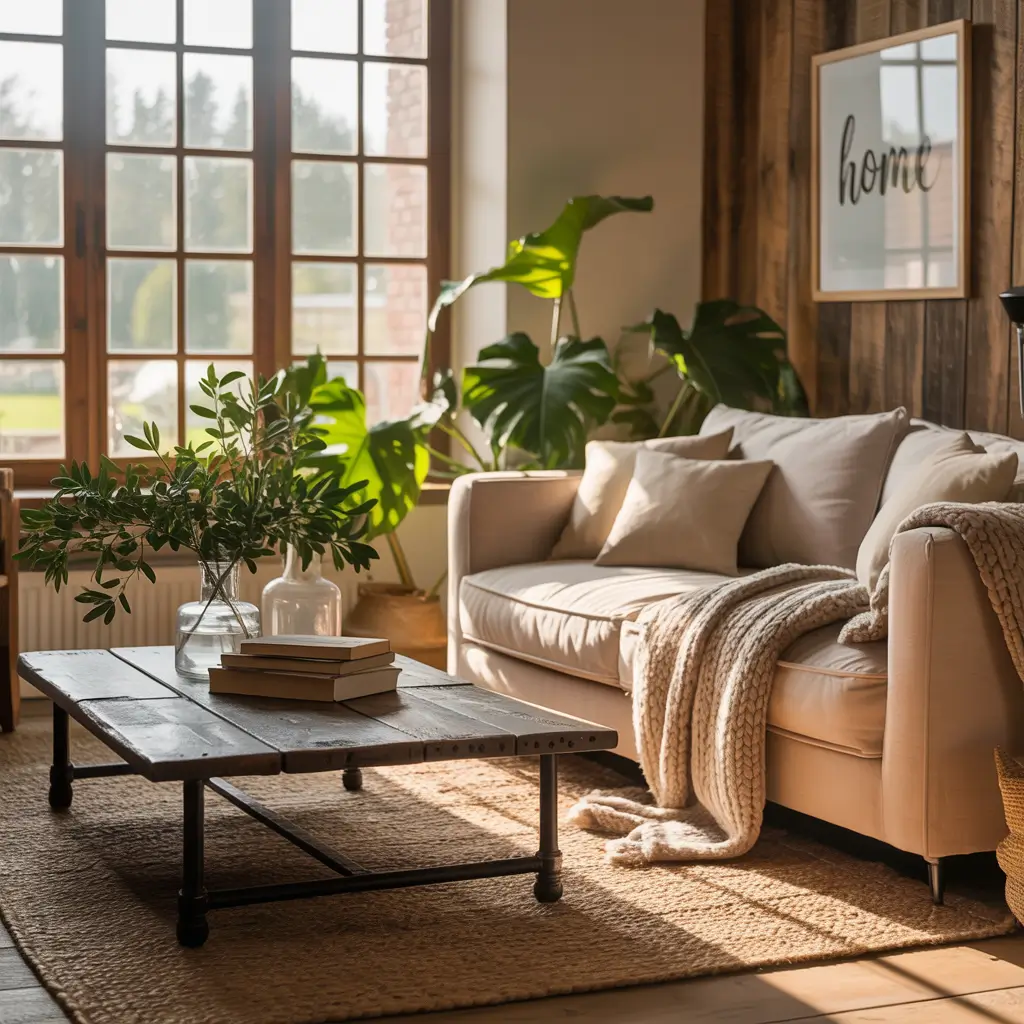
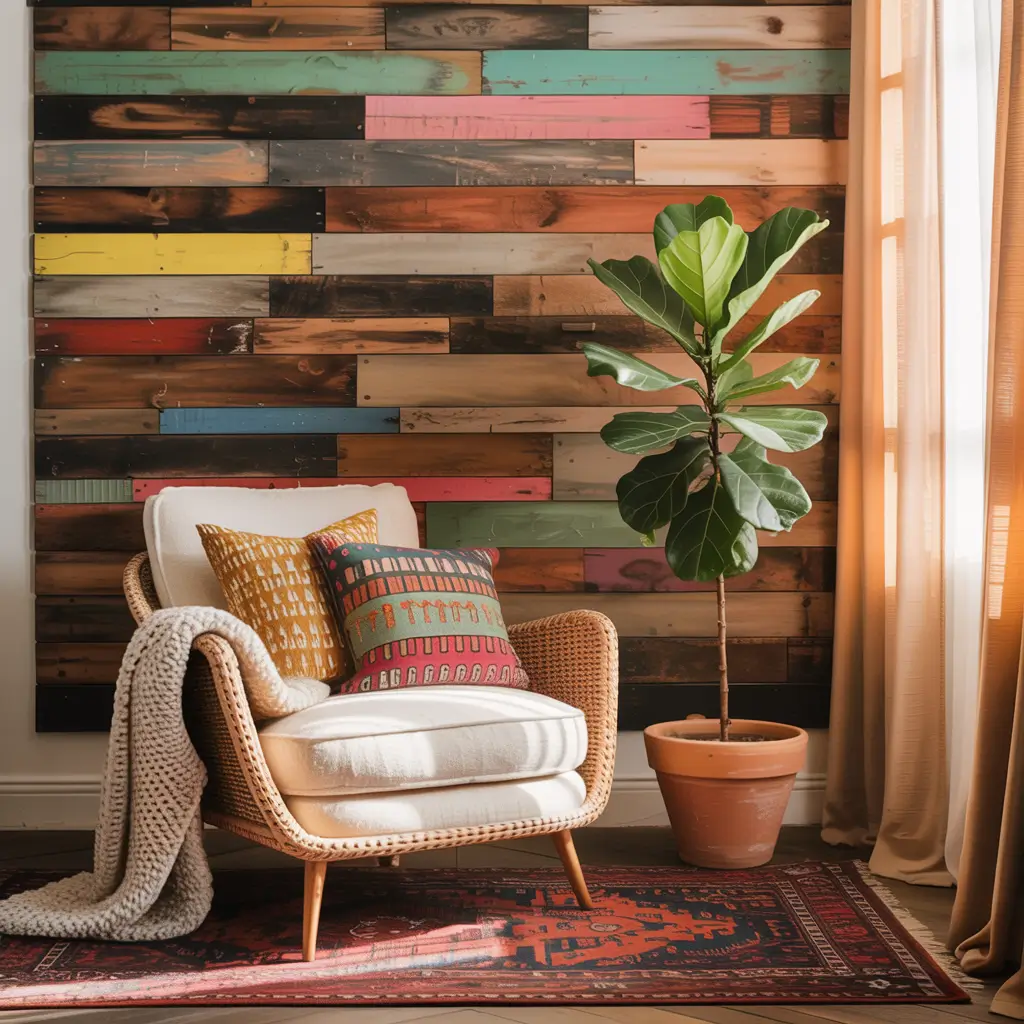
If there is one wooden wall decor idea that consistently stops people in their tracks, it is a full or partial reclaimed wood feature wall. The depth of character in salvaged timber — the saw marks, nail holes, weathered grain, and subtle variations in colour and tone — creates a visual richness that takes decades to develop naturally and cannot be manufactured or faked convincingly.
A reclaimed wood feature wall works in almost any room. In living rooms it creates a dramatic backdrop behind a sofa or media unit. In bedrooms it functions as a stunning headboard wall that makes expensive actual headboards unnecessary. In dining rooms it adds warmth and intimacy to what can otherwise be a cold, underdecorated space. Even in bathrooms — properly sealed and ventilated — reclaimed wood brings a spa-like, organic quality that tiles alone struggle to achieve.
Installation Notes for a Professional Result
1. Inspect every plank before installation: check for active insect damage, excessive moisture, or structural weakness. A single compromised plank can affect the whole wall over time.
2. Seal all pieces before installing: apply a penetrating wood sealer to all surfaces — front, back, and edges — before the planks go on the wall. This stabilises the wood and protects against moisture movement.
3. Leave small gaps between planks: solid wood moves with seasonal humidity changes. Gaps of two to three millimetres between planks allow for this movement without causing buckling or cracking.
4. Install onto furring strips, not directly onto drywall: this creates a small air gap behind the planks that prevents moisture buildup, and gives you a proper substrate to fasten into regardless of where the studs sit.
5. Vary plank lengths: a random, staggered end pattern looks far more natural and authentic than a regular block pattern.
Pro Tip: Sourcing quality reclaimed wood takes time and patience. Architectural salvage yards, old barn demolitions, heritage building renovations, and specialist reclaimed timber merchants are all worth investigating. The effort involved in finding genuinely good material is fully repaid by the character of the finished wall.
2. Vertical Slatted Wood Panel
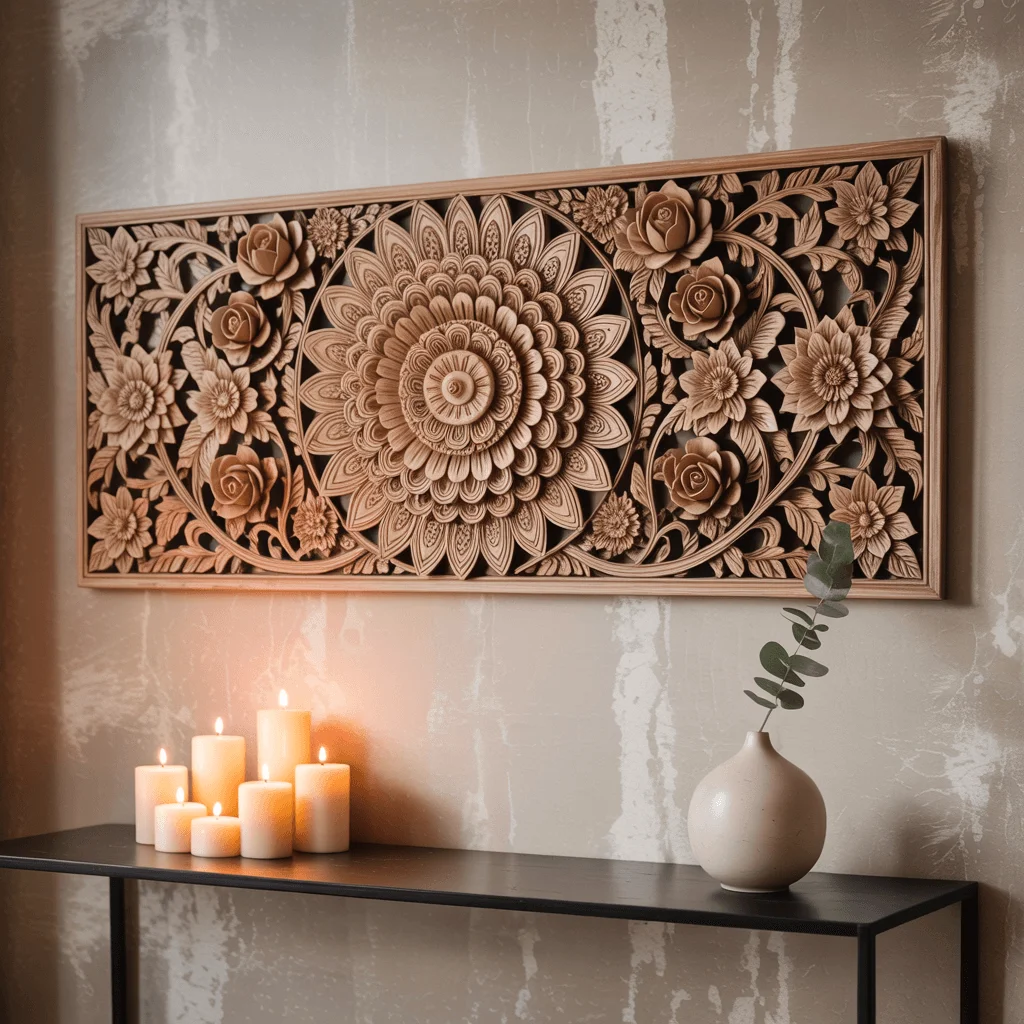
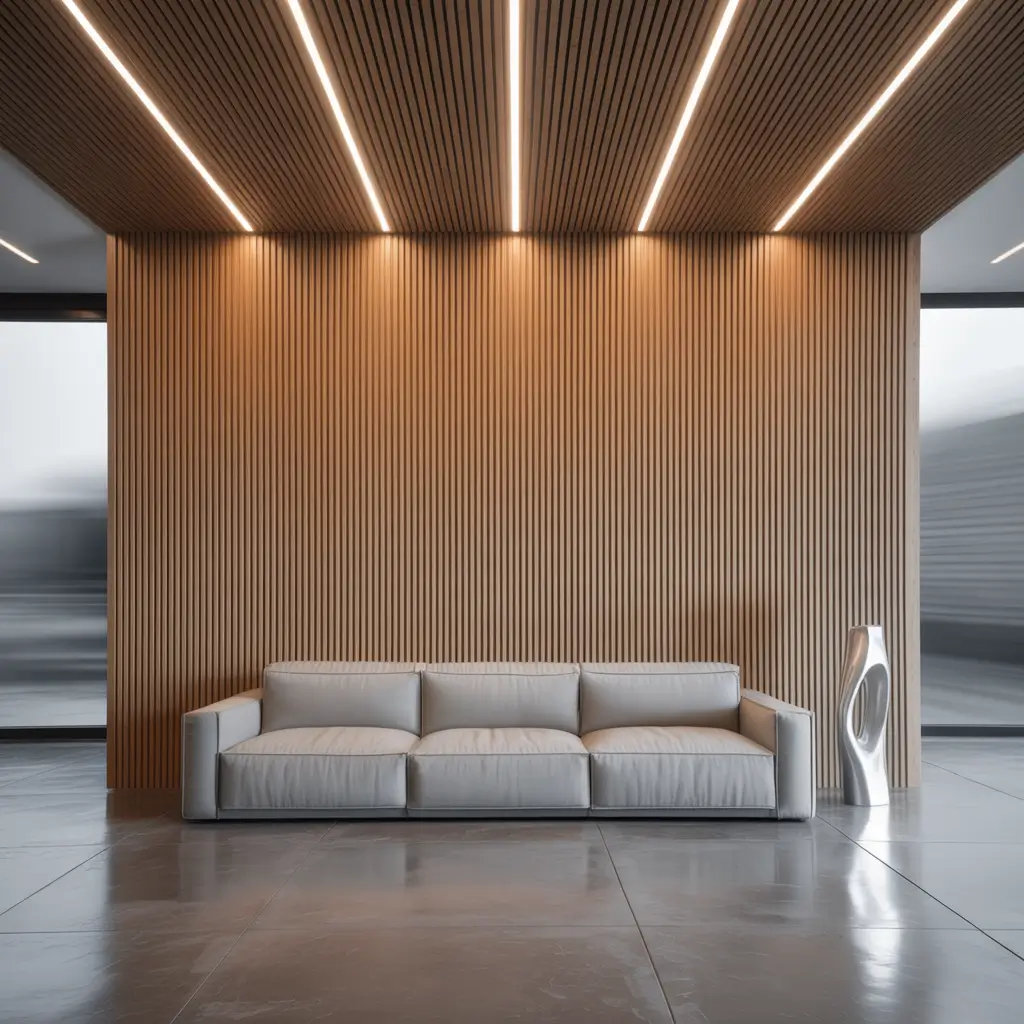
Slatted wood paneling — evenly spaced vertical strips of wood applied to a wall — is one of the most quietly sophisticated things you can do to a room. It has that rare quality of adding significant visual interest while simultaneously feeling calm and restrained. It reads as modern and considered, and it works beautifully in contemporary, Scandinavian, and mid-century interior styles.
The visual effect of vertical slats is to make a room feel taller. The lines draw the eye upward, emphasising ceiling height and giving low-ceilinged rooms a more generous feeling. For rooms where ceiling height is adequate, the effect is instead one of quiet elegance — a textured wall that catches light across its surface and changes character at different times of day.
The gap between slats is the single most important variable in the design. Narrow gaps of 10 to 15 millimetres create a dense, cosy feeling — almost like a woven surface. Wider gaps of 25 to 40 millimetres feel more open and modern, and allow the wall behind the slats to become part of the design. Painting the backing wall a contrasting colour — deep charcoal, forest green, or rich navy — before installing the slats creates a beautiful layered effect where the darker tone peeks between the lighter wood strips.
3. Geometric Wood Accent Wall
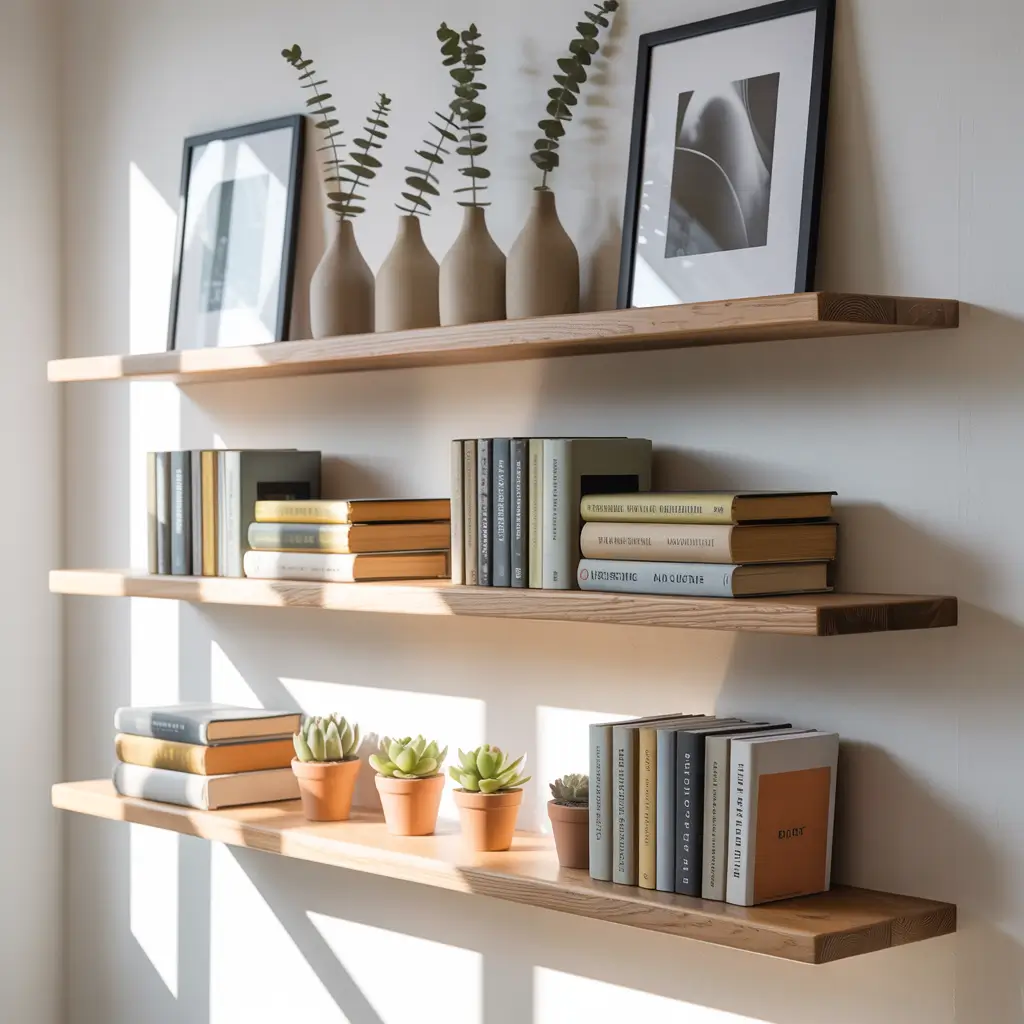
Geometric wood accent walls use precisely cut timber strips arranged in patterns — herringbone, chevron, diamond grids, parallelograms, starburst forms — to create something that functions as large-scale wall art. The combination of natural material and deliberate geometric precision produces a result that feels both organic and architectural.
This is a project that rewards careful planning. Graph paper, scaled drawings, and dry layout on the floor before anything touches the wall are all essential. The most common mistake is beginning installation without fully working out the geometry — discovering halfway up the wall that a pattern does not resolve correctly at the ceiling or corners is an extremely frustrating experience.
Wood Species and Finish Choices for Geometric Walls
1. Mixed light and dark tones: using two different wood species or stain colours within the geometric pattern creates contrast that makes the pattern visible and dramatic. Oak and walnut together is a classic pairing.
2. Single tone with sheen variation: using the same wood throughout but alternating matte and satin finish between sections creates a subtle, sophisticated pattern that reads differently in different light conditions.
3. Painted geometry: cutting MDF strips and painting them in two coordinating colours produces a crisp, graphic geometric wall that costs significantly less than solid timber versions and is equally striking.
4. Natural vs stained: leaving the wood in its natural state celebrates the grain pattern and keeps the look organic. Staining in a uniform dark or mid-tone creates a more deliberate, designed appearance.
4. Hand-Carved Wooden Wall Art
A hand-carved wooden wall piece is in a different category to everything else in this guide. It is not a material treatment or an installation project — it is a work of art in the fullest sense. Carved by a craftsperson who has spent years developing their skills, a quality carved wood panel carries a depth of intention and human labour that you can genuinely sense when you look at it.
The range of carved wooden art available is extraordinary. Traditional floral motifs from South and Southeast Asian craft traditions. Geometric interlace patterns from Islamic woodworking heritage. Abstract organic forms by contemporary craft artists. Figurative relief panels in the European tradition. Tribal and folk art carvings from cultures around the world. Whatever your interior style and personal aesthetic, there is a tradition of carved wood that speaks to it.
When buying carved wooden art, prioritise genuine handcraft over mass-produced carved-look pieces. The difference is visible once you know what to look for: genuine carving has slight variations in depth and tool marks that catch light three-dimensionally. Machine-routed or cast copies have a mechanical uniformity that lacks the same quality of light and shadow.
Pro Tip: Local craft fairs, artisan markets, and specialist galleries are the best places to find authentic carved wooden art at fair prices. Etsy is a good resource for finding individual carvers. Always ask about the wood species, tools used, and finish applied — a genuine craftsperson will answer enthusiastically.
5. Floating Wooden Shelves as Styled Display
Floating wooden shelves are the most versatile entry point into wooden wall decor. They are functional, they are beautiful, they work in every room and every style, and they are among the most achievable DIY projects available to a homeowner with basic tools and moderate confidence.
The beauty of floating shelves is not the shelf itself — it is what goes on it. A well-styled floating shelf is a small stage, a curated vignette of objects that together create a composition more interesting than any single piece could be alone. The wood provides the warm, natural backdrop; the objects styled on it do the expressive work.
The Art of Styling Wooden Shelves
1. Work in odd numbers: groups of three or five objects almost always look better than even-numbered groupings. The eye finds odd numbers more dynamic and interesting.
2. Vary heights deliberately: tall objects (a vase, a candle, a small plant), medium objects (a small framed print, a book stack), and low objects (a small stone, a folded cloth) together create visual rhythm.
3. Leave empty space: resist the urge to fill every inch. Empty space on a shelf is not wasted — it gives the eye somewhere to rest and makes each object more visible and appreciated.
4. Include something living: a small plant, a sprig of dried botanicals, or a branch of fresh eucalyptus introduces natural colour and organic form that contrasts beautifully with the geometric quality of the shelf.
5. Refresh seasonally: the strength of floating shelves as decor is that they evolve. Swap objects out every few months and the whole room feels refreshed without touching the walls.
6. Shiplap and Horizontal Plank Paneling
Shiplap — horizontal wooden planks installed with a small reveal gap between each board — has become one of the most popular wall treatments in contemporary interior design, and its appeal is entirely justified. It adds texture, depth, and a relaxed, unpretentious warmth to any wall it covers.
The classic shiplap look is white-painted pine, associated primarily with farmhouse and coastal interior styles. But shiplap in its natural wood tone — pale pine, honey oak, or warm cedar — belongs equally to rustic, cabin, and Scandinavian aesthetics. And shiplap in a dark, dramatic stain — charcoal-tinted oak or espresso-stained pine — reads as surprisingly contemporary and sophisticated.
One of the most effective approaches to shiplap is to cover only the lower half of the wall — a treatment known as board-and-batten wainscoting — and paint it a contrasting colour to the upper section. This creates a deliberate two-tone wall treatment that adds architectural structure without requiring the commitment or cost of covering the entire wall.
Pro Tip: If you are installing shiplap in a room that has a fireplace or is subject to temperature fluctuations, acclimate the boards for at least 72 hours in the room before installation. Wood that is installed without acclimation will show gaps as it adjusts to room temperature.
7. Wooden Sunburst and Starburst Wall Art
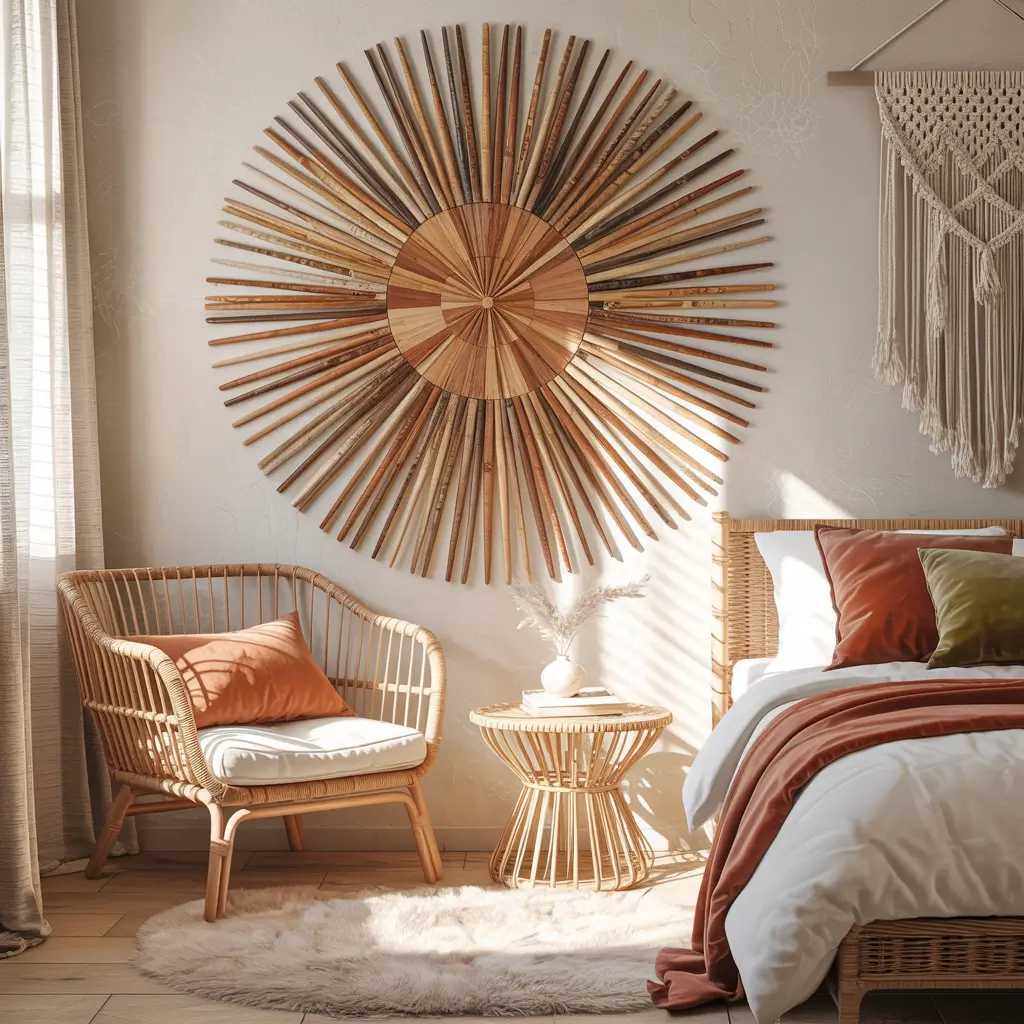
Few decorative objects have the immediate visual impact of a well-crafted wooden sunburst. Whether it is a refined piece in pale natural wood with clean architectural lines, or a more exuberant boho-inspired creation with varied widths and organic form, the sunburst carries an inherent sense of energy and optimism that transforms the feel of a room.
The sunburst works particularly well in entryways and hallways — spaces where you want an immediate impression. It also works beautifully in living rooms as the centrepiece of a gallery arrangement or as a standalone statement above a fireplace or sofa.
Size is the key variable. A sunburst that is too small for its wall simply disappears. For standard living room or bedroom walls, a piece between 24 and 36 inches in diameter has genuine presence. For double-height or particularly generous walls, pieces of 48 inches or larger can carry the scale magnificently. When in doubt, err larger — a sunburst at the right scale is commanding; one at the wrong scale is just a wall accessory.
8. Wooden Molding and Panel Detailing
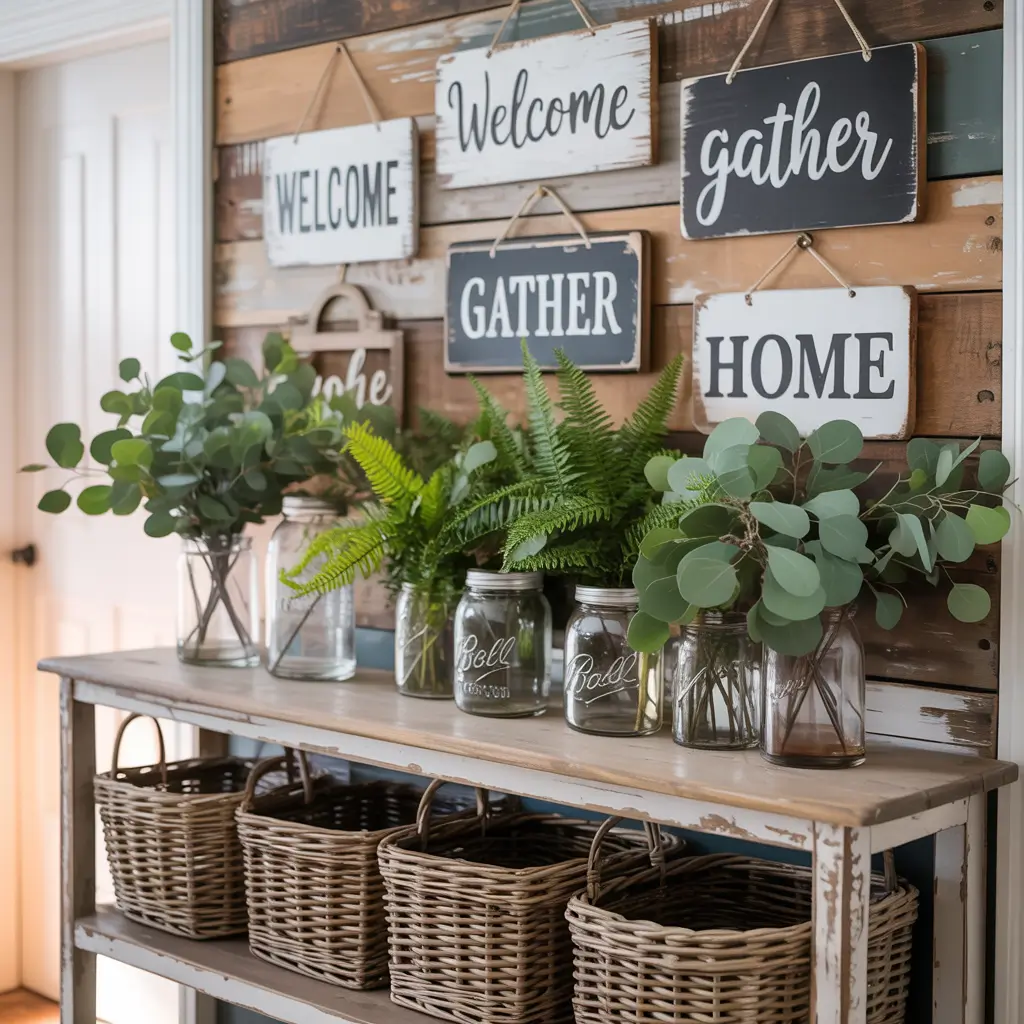
Applied wooden molding — picture rail frames, chair rails, coffered panel patterns, and wainscoting — is the interior designer’s most reliable tool for making an ordinary room feel architecturally distinctive. It creates the impression of a space that was built with care and attention, rather than simply painted and furnished.
The most accessible version of this idea is a simple grid of rectangular frames applied directly to the wall using flat MDF molding strips. Each frame creates a “panel” that visually subdivides the wall, adding depth, shadow, and geometry without any three-dimensional structure. Painted the same colour as the wall for a tonal, textural effect, or in a contrasting shade for crisp definition.
More elaborate versions extend this principle into proper wainscoting — paneled lower wall sections with molded cap rails and fielded panels — that is indistinguishable from bespoke millwork once painted. A skilled DIYer with good measuring and cutting ability can achieve this result in a weekend; the perceived value it adds to a room is far greater than the materials cost.
9. Driftwood and Natural Branch Wall Installations
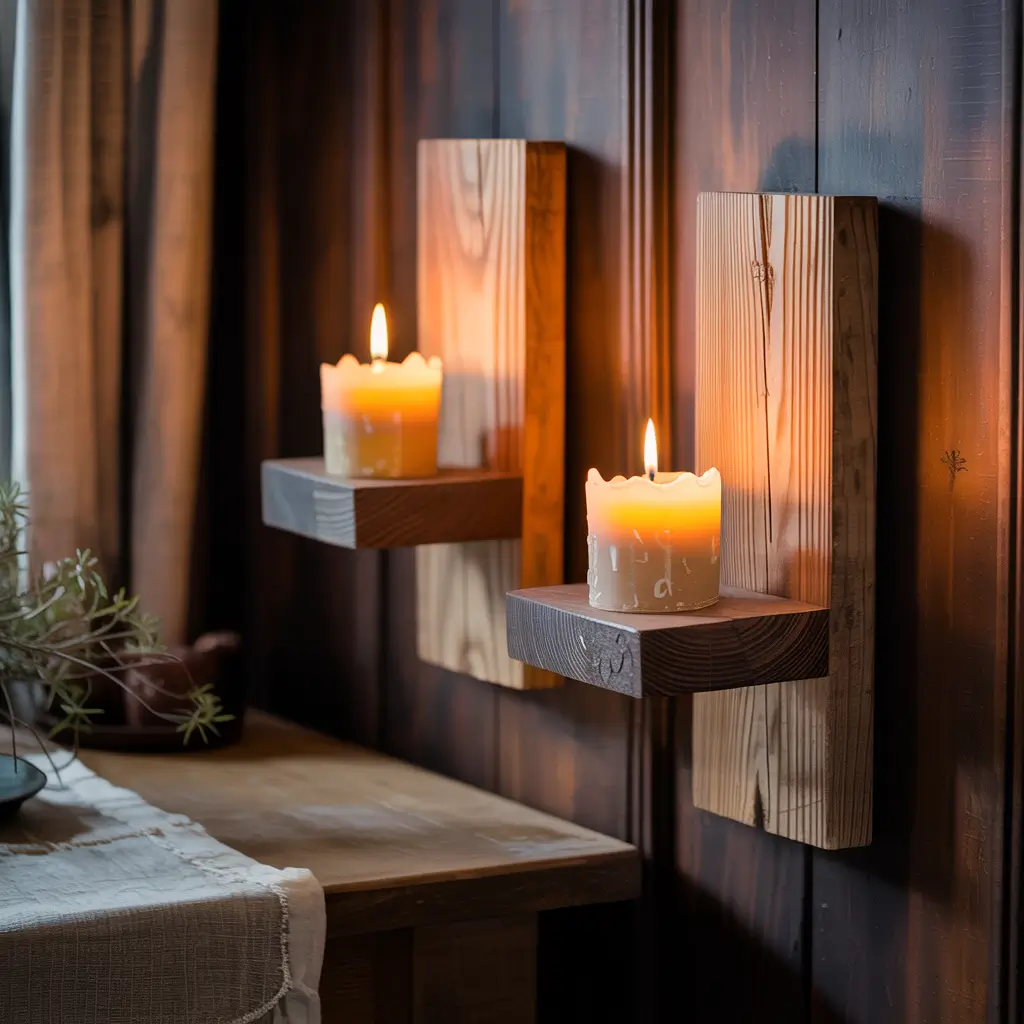
Driftwood and natural branch installations bring the most literal expression of the outdoors inside. A collection of driftwood pieces arranged on the wall, a section of sculptural branching wood mounted as a centrepiece, or an abstract arrangement of weathered timber fragments — each creates a raw, elemental quality that manufactured decor simply cannot achieve.
The appeal of driftwood is in its complete unpredictability. No two pieces are the same shape, colour, or texture. The process of searching for, selecting, and arranging pieces is itself part of the value — you end up with something that exists nowhere else in the world and carries the memory of where it came from.
For more structured installations, lengths of birch branch or stripped willow can be used to create deliberate arrangements — a horizontal branch mounted above a mantelpiece with smaller branches hanging from it, or a vertical arrangement of ascending branch lengths creating an abstract tree form on the wall. These hover between nature and art in a way that is uniquely compelling.
Pro Tip: Before installing any natural wood or driftwood found outdoors, treat it thoroughly. Scrub with a stiff brush to remove debris, dry completely, then treat with a borax solution to eliminate any insects or larvae. Seal with a clear matte varnish once fully dry. Never install untreated found wood — the consequences for your home’s structure and other timber can be serious.
10. Wooden Picture Ledges and Display Rails
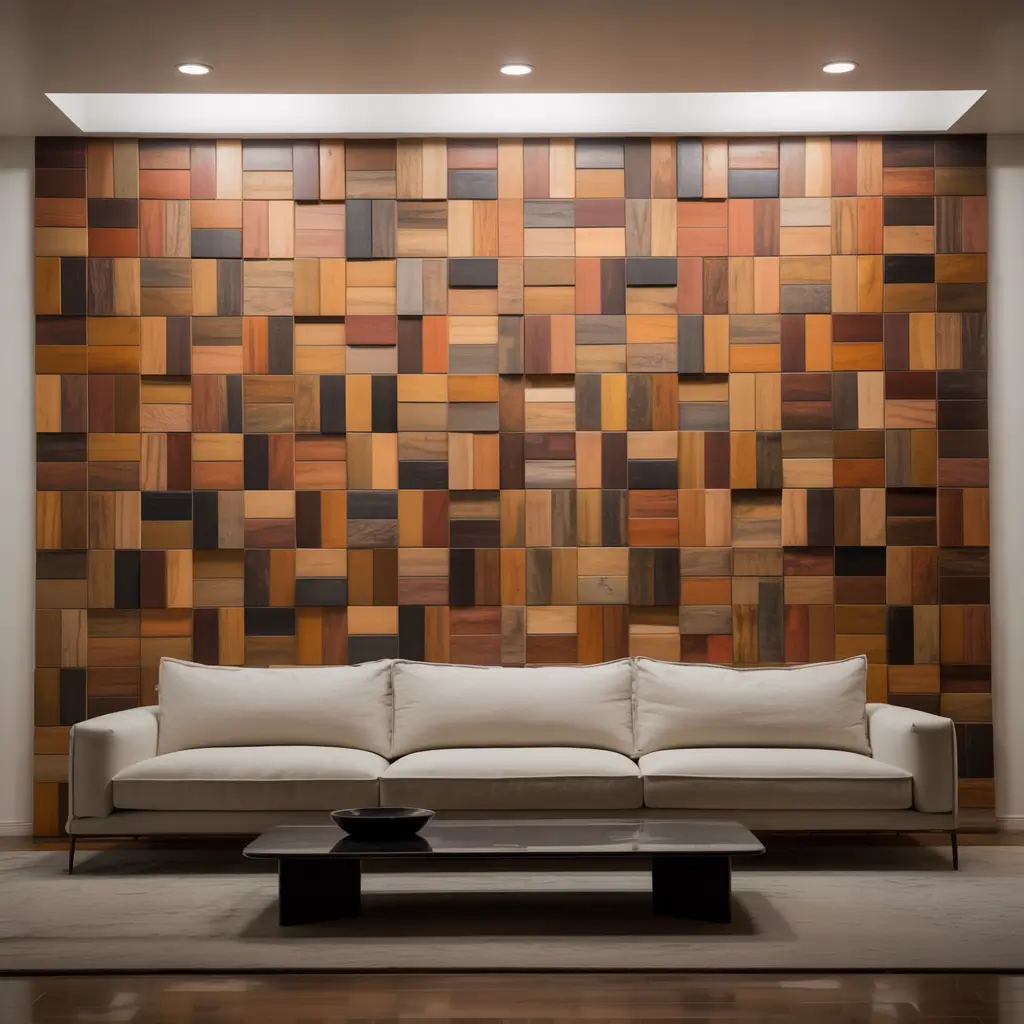
Wooden picture ledges — thin, narrow shelves specifically designed for leaning framed art — are one of the most renter-friendly and stylistically flexible approaches to displaying art and objects on walls. They require just two small fixings per shelf, they can be repositioned easily, and they allow you to change what is displayed as often as you like without any additional wall damage.
A single long picture ledge spanning most of a wall’s width can hold an evolving collection of framed art, mirrors, small plants, books, and objects in a deliberately casual, layered arrangement that looks both effortless and thoughtfully curated. Multiple ledges stacked at different heights create a gallery system that rivals a proper gallery installation.
The wood species and finish of the ledge itself matters to the overall look. A pale natural oak ledge reads clean and Scandinavian. A rich walnut ledge brings contemporary warmth. A painted white ledge disappears into white walls and lets the displayed objects do all the talking. A darker painted ledge — charcoal or forest green — becomes a deliberate design element in its own right.
11. Wooden Frames with Textile and Fabric Inserts
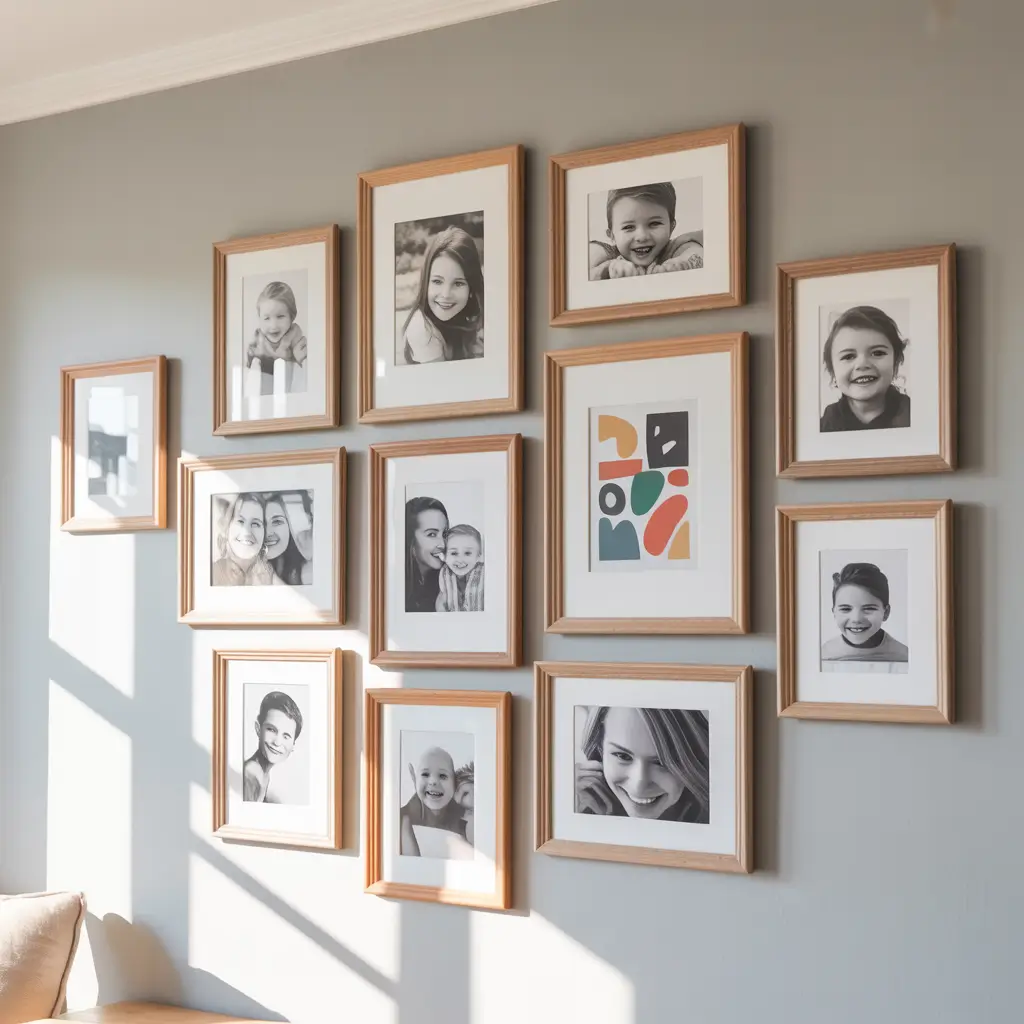
A wooden frame does not have to hold glass and a print. Frames as structural objects in their own right — filled with stretched fabric, woven textile, embroidered cloth, leather, or even plain linen — create wall pieces with a warmth and tactile quality that conventional framed art cannot match.
This approach is particularly effective for creating large-format wall pieces without the cost of large-format art. A generous wooden frame — 30 x 40 inches or larger — filled with a piece of beautifully textured linen, a printed fabric with a pattern that ties to the room’s colour palette, or a hand-woven textile from a craftsperson you admire, becomes a statement piece with genuine presence.
The wood frame and the textile insert create a productive visual tension — the hard, geometric precision of the frame against the soft, organic quality of the cloth. This contrast gives the piece depth that single-material objects lack. Pairing natural wood with natural fibres — oak frame with linen insert, walnut frame with wool tapestry — produces a result that feels grounded and coherent.
12. Wooden Wall-Mounted Planter Systems
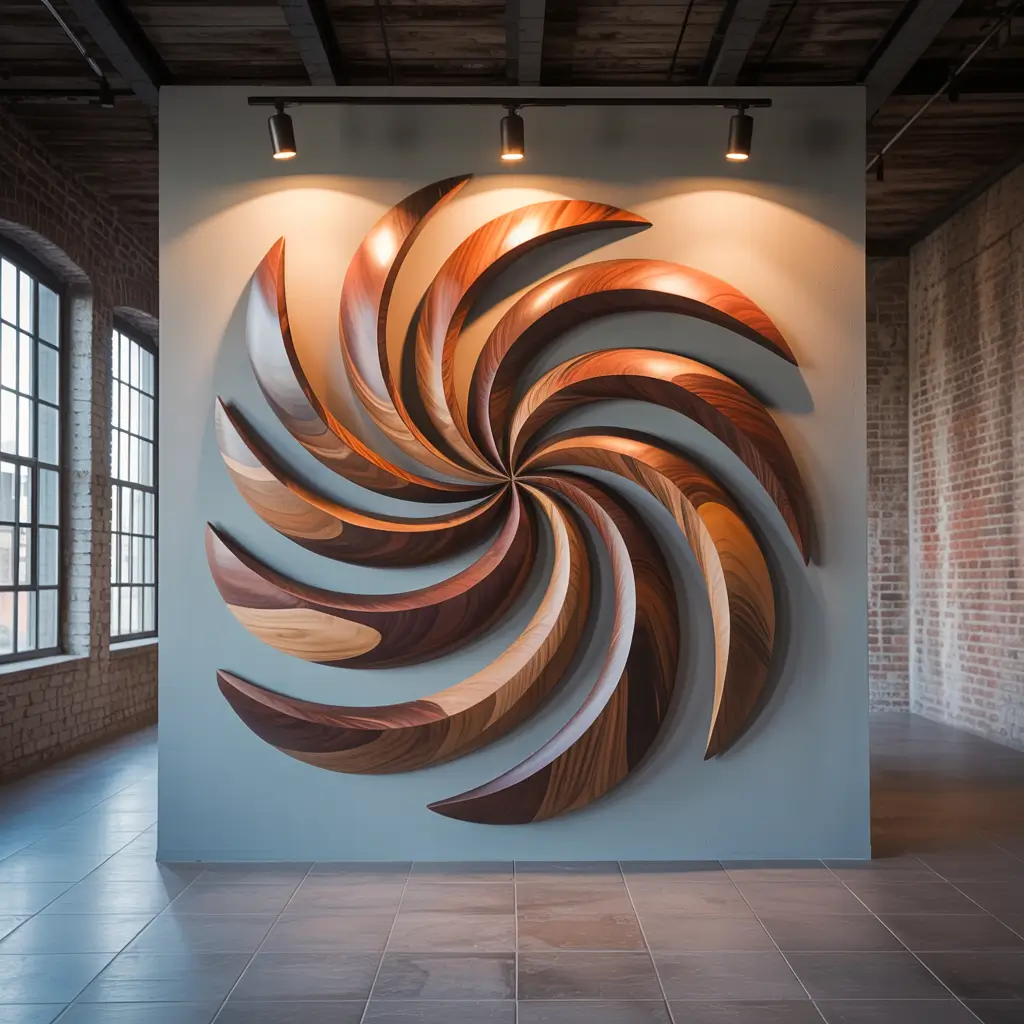
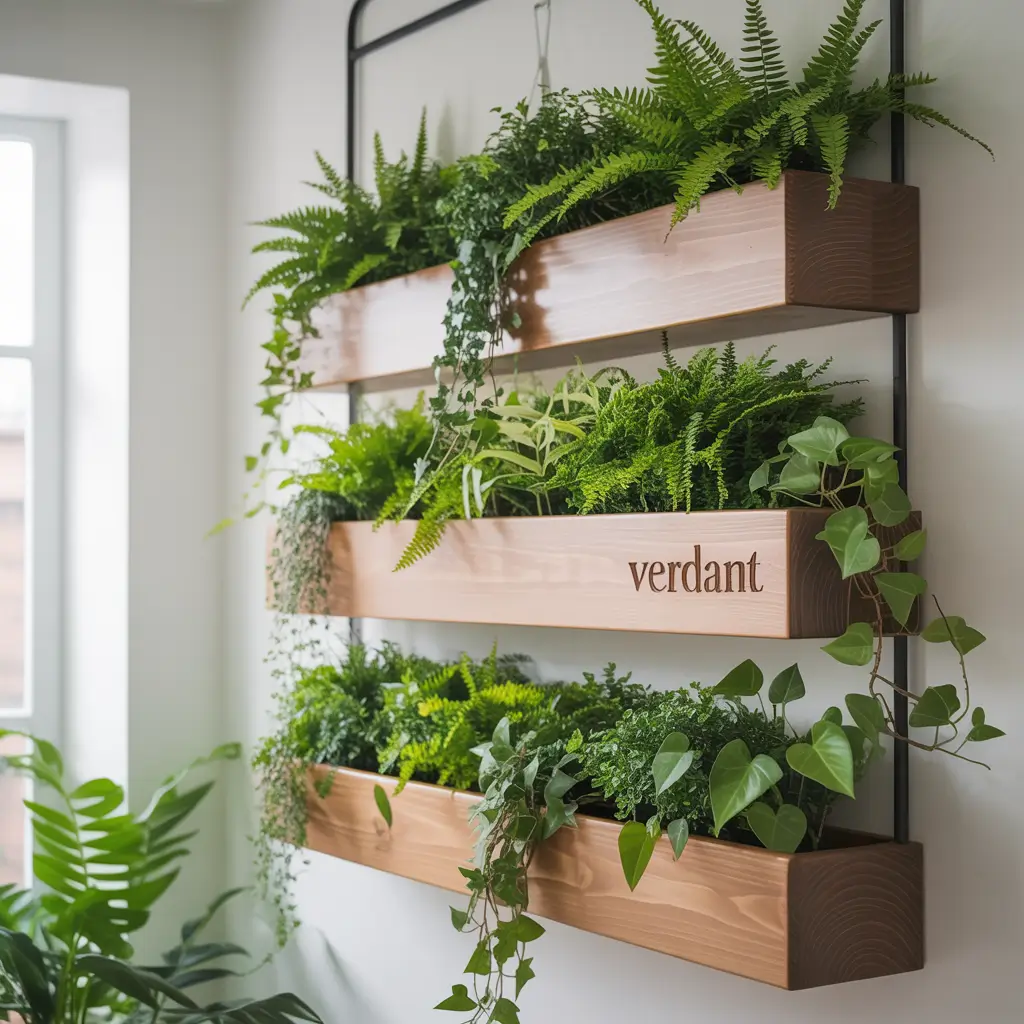
Combining wood and living plants on a wall is one of those design moves that feels more ambitious than it actually is, and rewards the effort with a result that brings genuine life to a room — literally and visually. Wooden wall planter systems range from simple individual wall-mounted boxes to elaborate modular grid systems that can cover a significant section of wall.
The most practical approach for most homes is a collection of individual wall-mounted wooden boxes or U-shaped holders, each holding a single plant, arranged in an intentional pattern on the wall. This keeps watering and maintenance manageable, allows individual plants to be swapped out as needed, and creates a flexible display that can be reconfigured over time.
Plant selection for wall mounting should prioritise species that genuinely thrive in the conditions available — light levels, humidity, and temperature all matter. Pothos, heartleaf philodendron, and trailing scindapsus are virtually indestructible and look beautiful as they cascade from elevated planters. Air plants need no soil and work in any wooden holder. Small ferns thrive in humid bathroom conditions. Hardy succulents suit bright, dry rooms.
13. A Wooden Pegboard Wall System
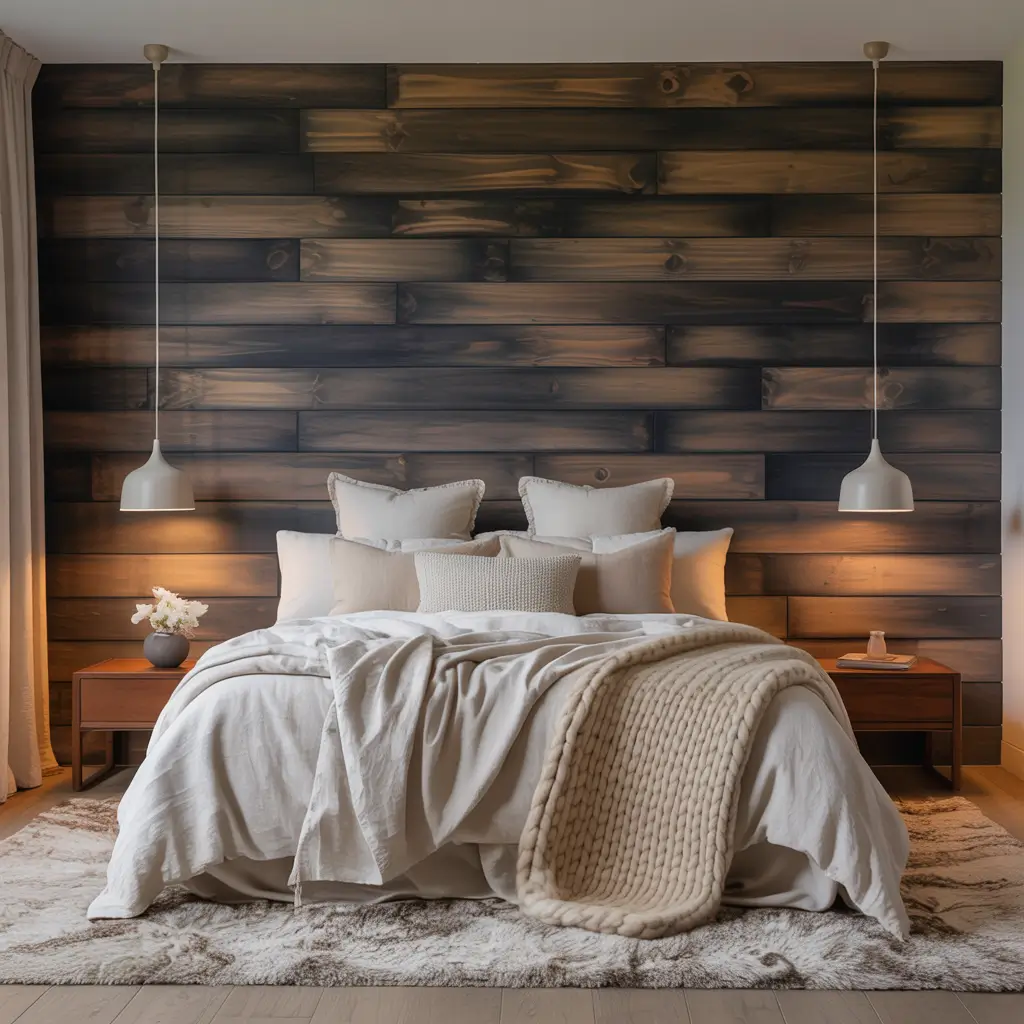
Pegboard has moved well beyond garages and workshops. Properly designed and installed, a wooden pegboard wall system is a beautiful, functional, and endlessly adaptable piece of wall decor — one that combines the warmth of natural wood with a modular flexibility that no fixed piece of art or shelving can match.
Solid birch or plywood pegboard panels are available from specialist suppliers and represent a significant visual upgrade from the painted hardboard versions sold at hardware stores. Paired with solid brass, copper, or natural wood peg accessories, a wooden pegboard panel in a bedroom, home office, kitchen, or entryway becomes a genuine design feature.
The functional appeal is real too — keys, bags, tools, kitchen utensils, craft supplies, cables, headphones, plants, frames, and mirrors can all be accommodated on a pegboard with the right accessories. The ability to rearrange the entire system without making a single additional hole in the wall makes it ideal for renters and for people whose needs and aesthetics evolve frequently.
14. Pyrography and Burnt Wood Wall Art
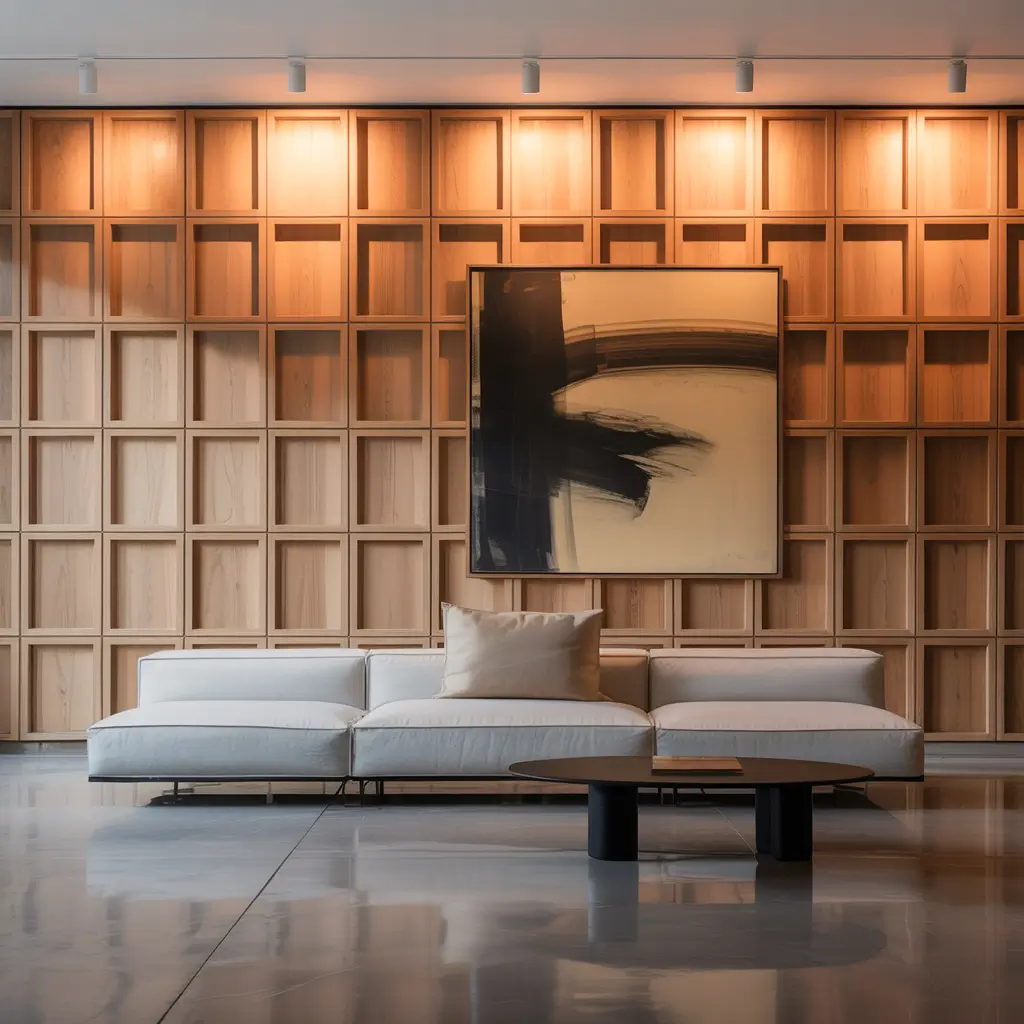
Pyrography — the art of burning decorative designs into wood — produces some of the most intensely detailed and characterful wooden wall art available. Intricate botanical illustrations, wildlife portraits, abstract patterns, topographic maps, architectural drawings, and typographic pieces can all be rendered in pyrography with a depth of detail that printing and carving cannot easily replicate.
The contrast between the rich dark burn marks and the pale natural wood creates a visual quality that is both graphic and deeply warm — entirely unlike any other medium. A large pyrography piece on a bedroom or study wall becomes an object you discover new details in over time, noticing different elements as the light changes throughout the day.
Commissioning a pyrography artist for a bespoke piece — a map of a meaningful place, a botanical study of a flower with personal significance, a portrait of a beloved animal — produces something genuinely irreplaceable. The combination of the craft, the wood, and the personal meaning creates a piece you will want to keep and pass on.
15. Wooden Wall Mirrors with Statement Frames
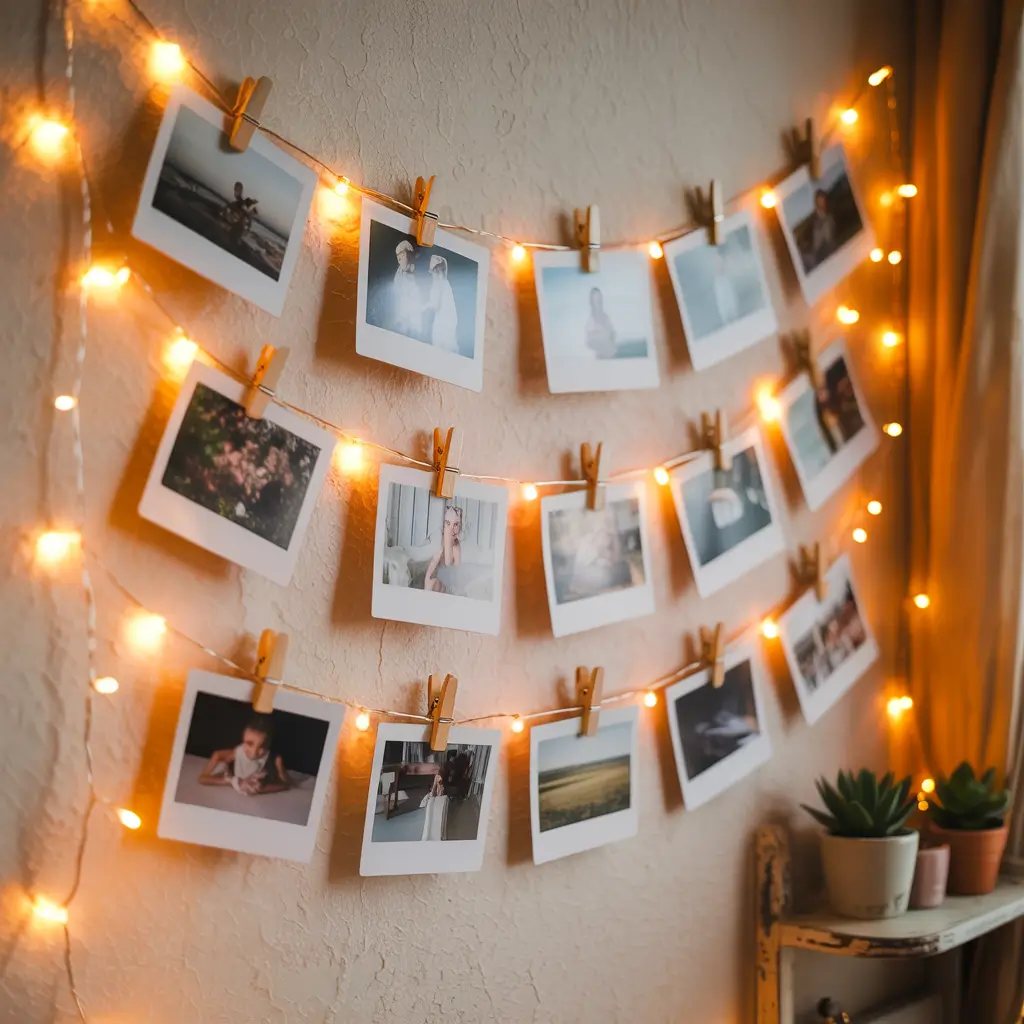
A mirror in a beautiful wooden frame is a functional object that earns its place on a wall through design quality alone. The frame is the decor element; the mirror amplifies light and space as a useful side effect.
Wooden mirror frames span an extraordinary range of styles. A turned and gilded baroque frame is all drama and grandeur. A simple, clean-edged solid walnut frame is quietly contemporary luxury. A rough-hewn rustic frame made from irregular wood pieces is farmhouse and earthy. A geometric frame made from precisely mitred wood strips is architectural and modern. An asymmetric organic frame following the natural outline of a wood slab is sculptural and singular.
For maximum impact, choose a mirror frame that contrasts in style or scale with the rest of the room’s furnishings. A very simple, minimal room benefits from a mirror with a more ornate or characterful frame. A room with busy pattern and varied texture benefits from a clean, architectural wooden frame that provides visual order.
Pro Tip: Position wall mirrors thoughtfully. The reflection they capture becomes as much a part of the decor as the frame itself. A mirror that reflects a window brings light; one that reflects an interesting architectural feature doubles its impact; one that reflects a blank opposing wall simply makes the emptiness larger.
Caring for Wooden Wall Decor: Keeping It Beautiful for Decades
Wood is a durable material that rewards appropriate care with genuine longevity. These principles apply to virtually all wooden wall decor, from paneled walls to individual art pieces.
1. Dust regularly with a soft, dry cloth: dust accumulation in wood grain dulls the surface over time. A gentle weekly wipe with a microfibre cloth is all most wooden wall pieces need.
2. Avoid direct sunlight: prolonged direct sun exposure bleaches and dries wood, causing colour change and surface cracking. Where possible, position wooden pieces out of direct sun paths or use UV-filtering window treatments.
3. Maintain consistent humidity: wood moves with humidity changes. Extreme dryness causes cracking and shrinkage; excessive moisture causes swelling and potential mould. Aim for relative humidity between 40 and 60 percent in rooms containing significant wooden pieces.
4. Re-oil or re-wax oil-finished pieces periodically: pieces finished with penetrating oils or hard wax oils benefit from a fresh coat every one to three years depending on exposure. Apply with a cloth, leave to penetrate, then buff off the excess.
5. Address scratches and minor damage promptly: small scratches in wood can often be disguised with a matching wax fill stick or a small amount of the original finishing oil. Left unattended, minor surface damage can become entry points for moisture.
Matching Wooden Wall Decor to Your Interior Style
Wood is genuinely versatile but different species, finishes, and forms carry distinct stylistic associations. Matching your wooden wall decor choices to the broader aesthetic of your home produces the most coherent result.
1. Farmhouse and rustic: reclaimed wood, shiplap, distressed finishes, board-and-batten wainscoting, wooden signs, and barn-wood feature walls. Warm medium tones — honey pine, weathered oak, aged cedar.
2. Scandinavian and minimalist: pale natural wood, slatted panels in bleached or light-stained timber, simple floating shelves, clean-lined wooden frames, and restrained geometric work. Species: birch, ash, pale oak.
3. Contemporary and modern: dark-stained wood, walnut or blackened oak, geometric patterns, live edge slabs used as singular statement pieces, and slatted panels with wide gaps and dramatic backdrops. High contrast between wood and background.
4. Bohemian and eclectic: varied wood species and tones together, driftwood, natural branch installations, sunbursts, carved art from global craft traditions, wooden planter systems, and pegboards styled with an abundance of plants.
5. Traditional and classic: mahogany or cherry wood tones, applied molding and panel detailing, turned wooden frames, carved relief panels, and wooden clocks with traditional face designs. Symmetry and formality in placement.
Frequently Asked Questions
What is the best wood species for wall decor?
There is no single best species — it depends on the aesthetic you want and the budget available. Oak is the most versatile and durable choice for most applications, available in a wide range of finishes and tones. Walnut is the premium choice for contemporary and luxury interiors. Pine is the most affordable and widely available option, and it stains and paints beautifully. For reclaimed and rustic applications, the species matters less than the character and condition of the individual pieces.
Can wooden wall decor be used in bathrooms and kitchens?
Yes, with appropriate preparation. Wood used in high-humidity environments must be sealed thoroughly on all surfaces — not just the face — with a moisture-resistant finish such as a marine-grade varnish or an epoxy sealer. Ensure the bathroom or kitchen is well ventilated. Solid hardwoods handle moisture better than softwoods; engineered wood products should generally be avoided in very wet environments. Teak and cedar have natural oils that make them particularly resistant to moisture and are excellent choices for bathroom applications.
How do I hang heavy wooden wall art safely?
The answer depends on the weight. Pieces under 5 kilograms can be hung on quality picture hooks or adhesive strips rated for the weight. Pieces between 5 and 15 kilograms should be hung on hooks or mirror plates screwed into wall studs or proper masonry anchors. Pieces over 15 kilograms should always be hung into studs or masonry — never into drywall alone — and ideally on two separate fixing points for redundancy. When in doubt, have a professional installer assess the situation. The cost of professional installation is trivial compared to the cost and heartbreak of a heavy piece falling off a wall.
Is wooden wall decor suitable for rented homes?
Absolutely. Picture ledge shelves require only two small fixing points per shelf. Canvas and framed pieces can be hung on a single nail. Peel-and-stick wood-effect panels have improved enormously and many leave no residue. Lightweight carved pieces, sunbursts, and small sculptures can be hung on adhesive hooks rated for their weight. And entirely freestanding options — a large leaning mirror, a tall wooden frame structure that sits on the floor — require no wall fixings at all.
Conclusion: Wood Belongs on Your Walls
Wooden wall decor is not a trend. Trees have been used to make human spaces warmer, more beautiful, and more meaningful since the first shelter was built, and that instinct has not changed. What has changed is the extraordinary range of ways wood can now be worked, finished, and presented — from hand-carved masterpieces to precision laser-cut geometric systems, from raw reclaimed slabs to refined contemporary molding.
The 20 ideas in this guide span everything from the affordable and achievable to the genuinely ambitious. You do not need to start with a full feature wall or a commissioned installation. You can start with a single floating shelf, styled with intention. A carved piece sourced at a local market. A picture ledge that lets your art collection breathe and evolve. One well-chosen wooden element, placed with thought, will do more for a room than a dozen random accessories.
Your walls have been waiting. Wood is the warmest, most natural, most enduring thing you can put on them. Start somewhere — start anywhere — and see how quickly a blank wall becomes something worth coming home to