
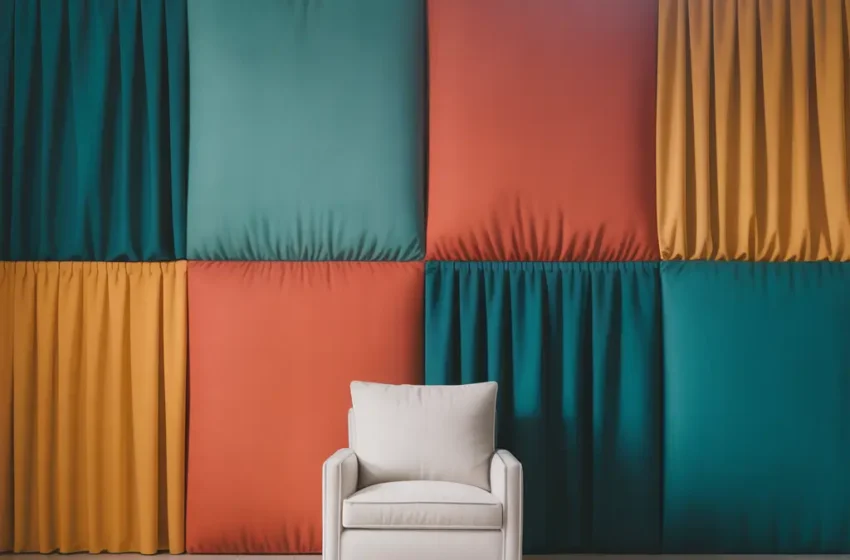
There is something deeply satisfying about walking into a room and immediately feeling like it has a soul. Fabric wall decor has a rare ability to do exactly that — it adds warmth, texture, personality, and color without the permanence of paint or the expense of custom artwork. Whether you are starting from scratch with a bare wall or simply tired of the same old framed prints, fabric offers a world of creative possibilities that most people never even consider.
This guide walks you through 20 genuinely beautiful and practical fabric wall decor ideas. Each one is designed to suit real homes, real budgets, and real people — no design degree required. From bohemian macramé hangings to sleek color-blocked panels, there is something here for every taste, style, and skill level.
1. Macramé Wall Hangings
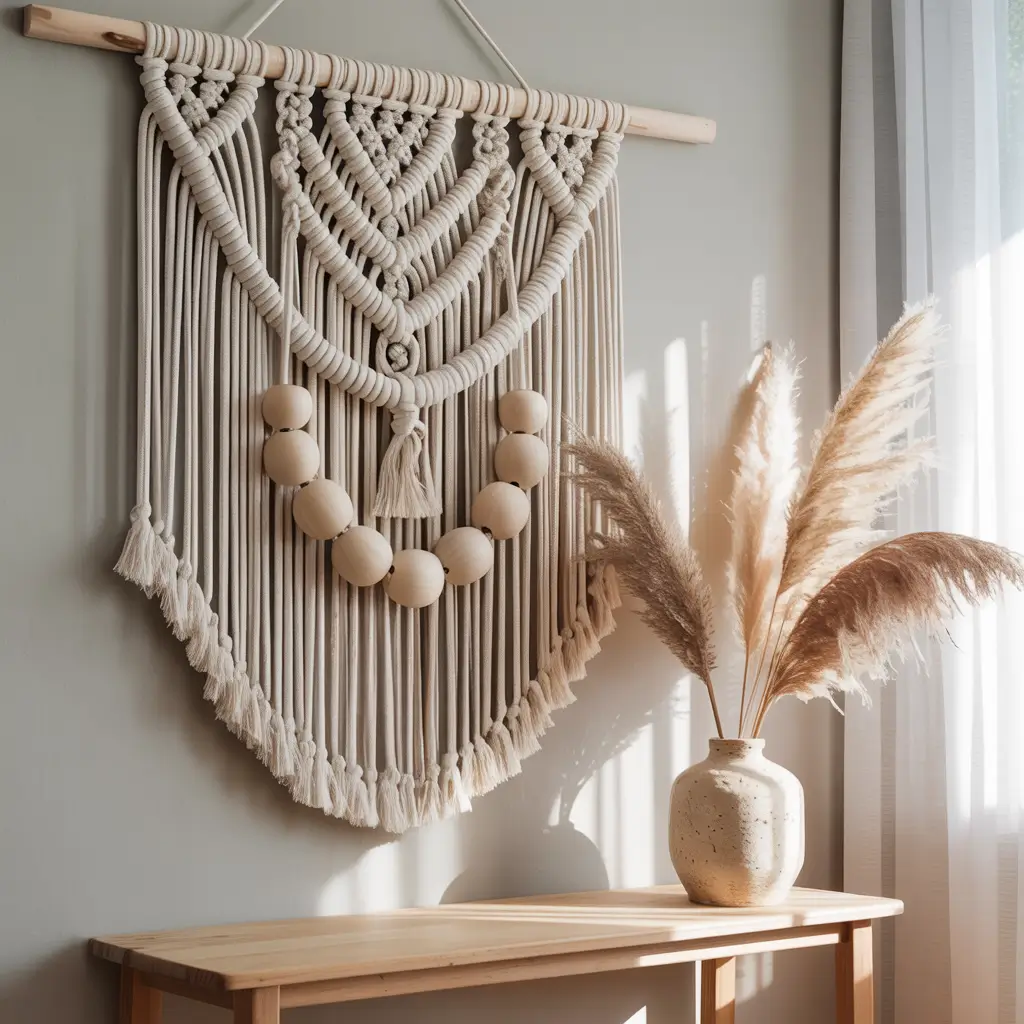
Macramé has earned its popularity for good reason. Using knotted rope or cord — usually cotton — it produces intricate, textured pieces that feel simultaneously rustic and modern. A large macramé hanging above a sofa or bed can anchor a room the same way a piece of statement art would, but with far more warmth and handmade character.
The beginner-friendly version involves just a few basic knots repeated across a wooden dowel. You can find tutorials for simple designs in under an hour, and the materials cost very little. If you prefer a ready-made piece, artisan shops offer gorgeous options at a range of price points. Either way, the effect on a wall is dramatic.
Pro Tip: Natural cotton rope in cream or off-white suits almost any interior palette and pairs beautifully with wood tones, terracotta, and greenery.
2. Quilted Patchwork Wall Art
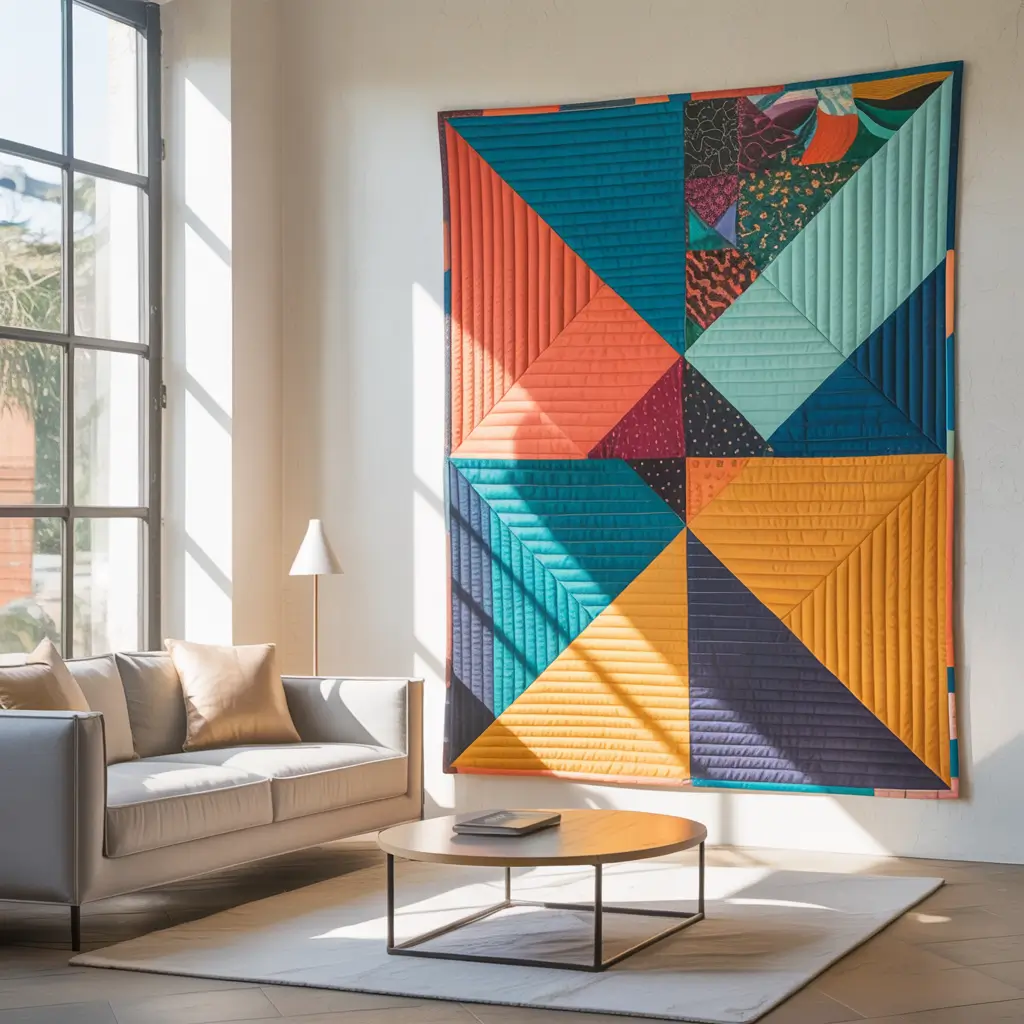
Quilted patchwork is not just for beds and blankets. When hung on a wall, a patchwork piece becomes a rich tapestry of pattern, color, and history — especially if the fabrics carry personal meaning, like old clothing or vintage finds. The visual complexity of mixed patterns and textures draws the eye and creates a conversation-starting focal point in any room.
You do not need expert sewing skills for a basic patchwork wall piece. Simple squares or rectangles sewn together on a backing fabric can look stunning when the colors are chosen thoughtfully. Iron-on fusible webbing can eliminate the need for a sewing machine entirely for smaller pieces.
Design Note: Try combining fabrics with a common color family — different patterns in shades of blue and green, for example — to create cohesion without uniformity.
3. Hanging Tapestries
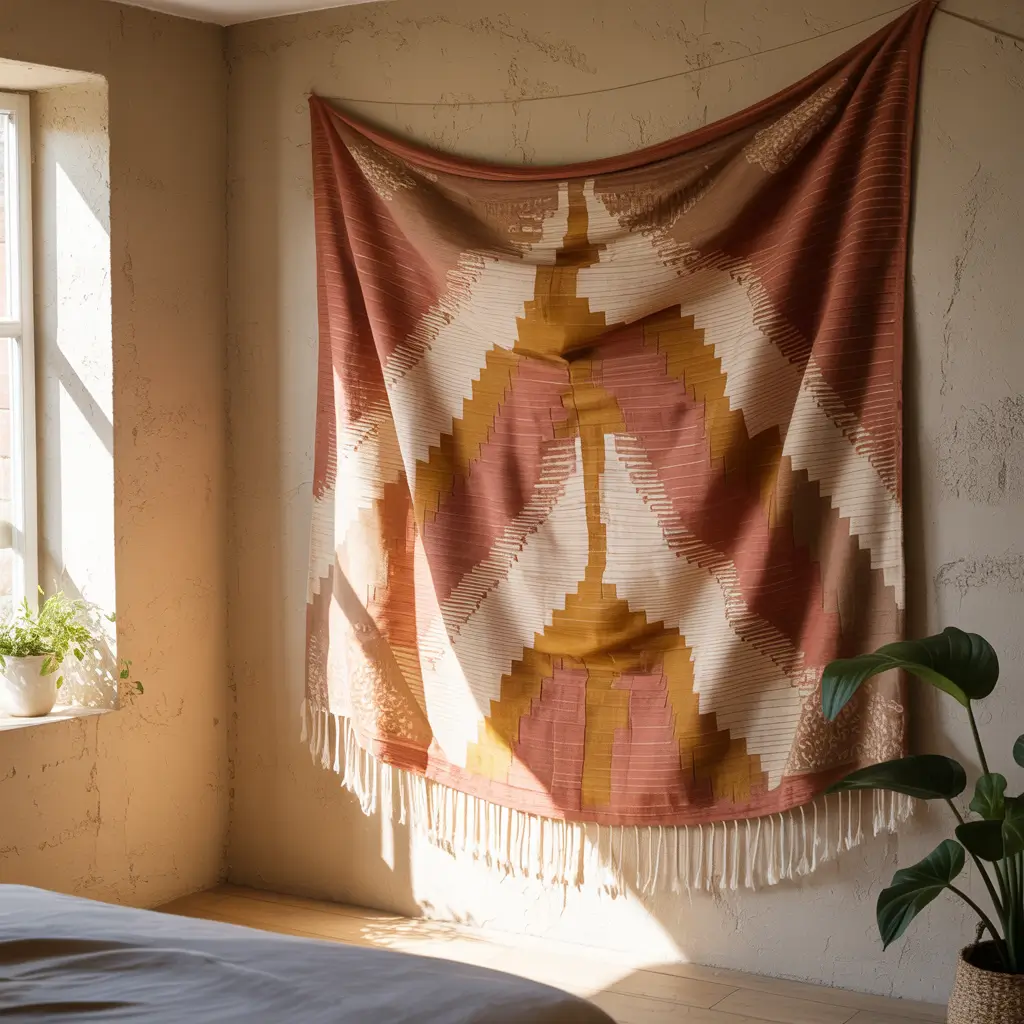
Tapestries are one of the fastest and most affordable ways to completely change the feel of a room. A single large tapestry on a bedroom wall can shift the mood from plain and forgettable to layered and atmospheric. They are especially popular for creating a bohemian, global, or maximalist aesthetic.
The key to making a tapestry look intentional rather than like a dorm-room afterthought is in how you hang it. Clip rings on a curtain rod, a wooden dowel suspended by rope, or a decorative rod bracket all elevate the look considerably. Steaming out wrinkles before hanging is essential — creases catch light and draw attention to themselves.
Styling Tip: Layer a smaller tapestry over a larger neutral one to add depth and a layered gallery feel without covering the full wall.
4. Boho Fringe Wall Panels
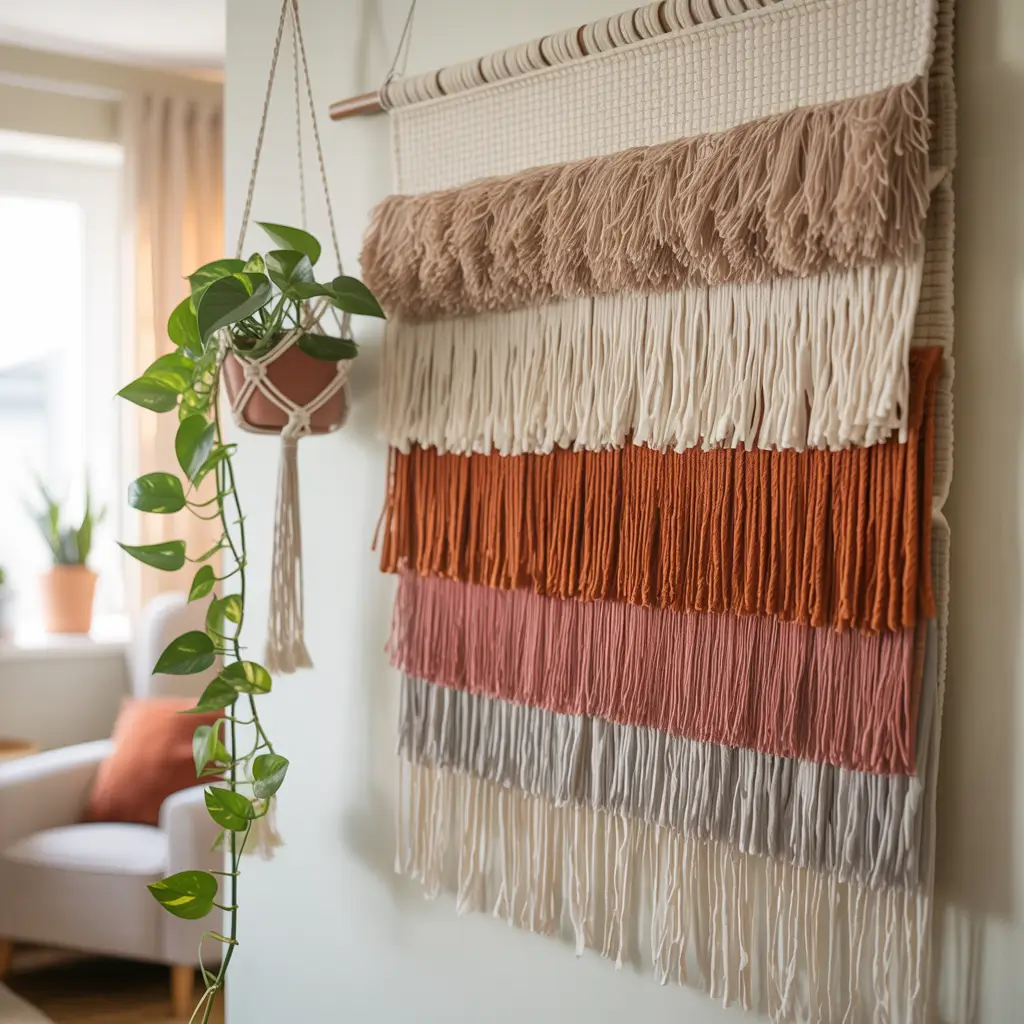
If macramé is the structured sibling, fringe panels are the free-spirited one. Made by attaching strips of fabric, yarn, or ribbon to a rod or branch, fringe panels move gently with air currents and catch light in an endlessly dynamic way. They suit bedrooms, living rooms, and even outdoor patios beautifully.
The secret to an eye-catching fringe panel is variety — mix lengths, textures, and materials rather than keeping everything uniform. A blend of cotton yarn, velvet ribbon, and linen strips creates far more interest than a single material repeated. Graduating colors from light to dark or vice versa adds another layer of visual sophistication.
Quick Win: Old t-shirts cut into strips make excellent fringe material and give a second life to clothes that would otherwise be discarded.
5. Fabric-Wrapped Canvas Frames
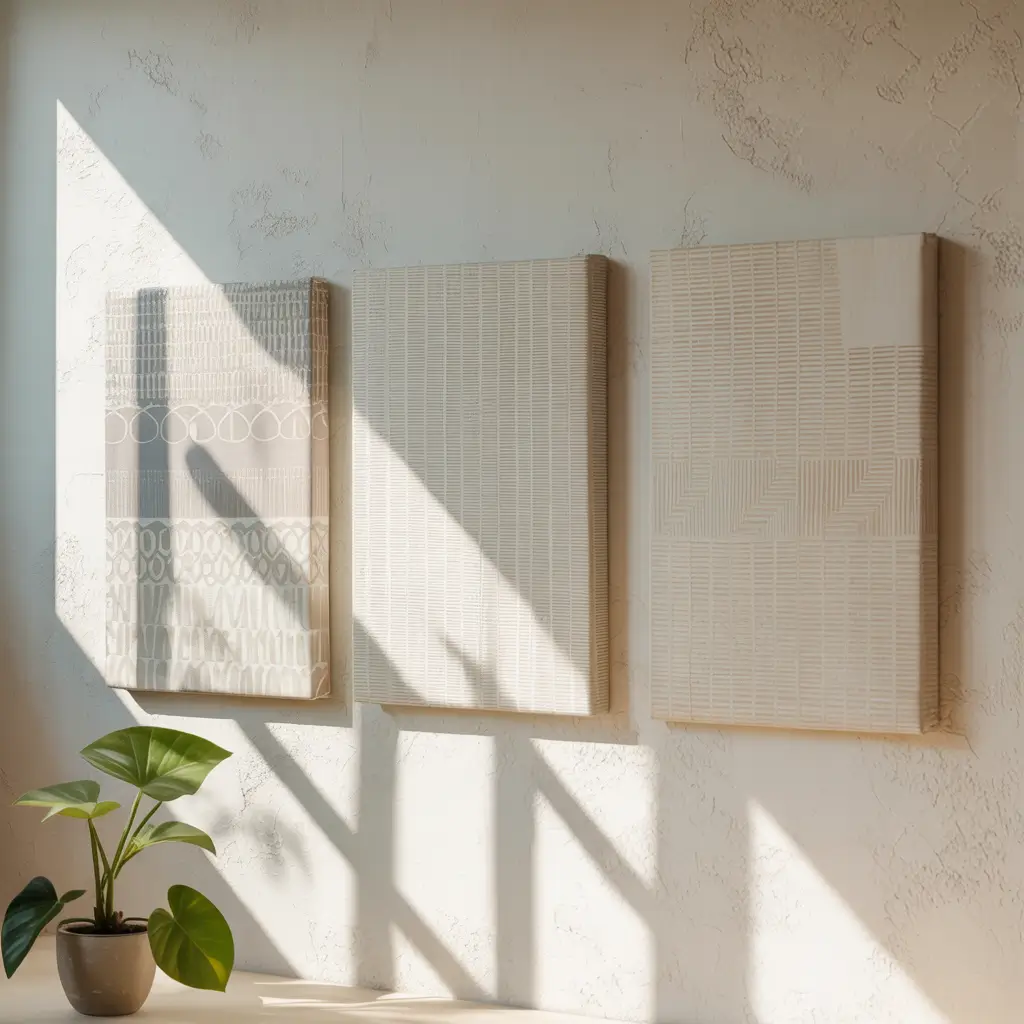
This is one of the most underrated fabric wall decor techniques available. Blank canvas frames — the kind used for painting — become completely customizable art pieces when wrapped in fabric. Stretch the fabric taut over the frame, secure it at the back with a staple gun, and hang. The result looks polished, intentional, and surprisingly expensive.
What makes this technique particularly valuable is how easily it can be changed. When you want a new look, simply remove the staples, rewrap with new fabric, and rehang. A gallery wall made up of fabric-wrapped frames in varying sizes can be updated seasonally or whenever the mood strikes, for almost no cost.
Best Fabrics: Bold geometric prints, textured linen, and vintage scarves all translate beautifully onto canvas frames. Avoid very thin or loosely woven fabrics that may show the frame edges through the front.
6. Layered Textile Wall Collages
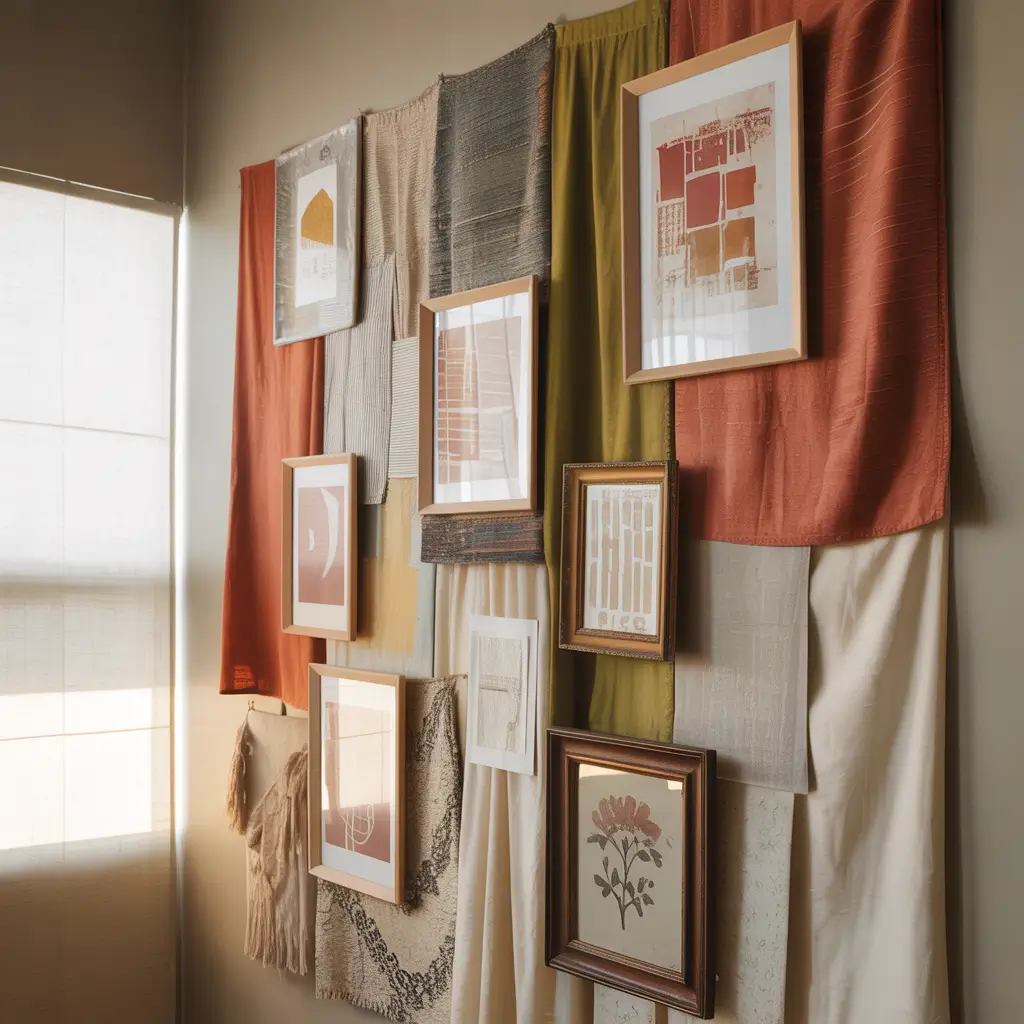
A layered textile collage takes fabric wall decor into true art-making territory. Rather than hanging a single piece, you build a composition directly on the wall by layering fabrics of different sizes, shapes, and textures. Start with a large background piece, then add medium-scale textiles, and finish with small accents — ribbons, embroidered patches, woven squares, and so on.
The result is a deeply personal installation that cannot be purchased from any shop. It reflects your taste, your history, and your eye for composition. Removable adhesive strips make this technique renter-friendly, and the collage can be rearranged or added to over time.
7. Oversized Fabric Flower Installations
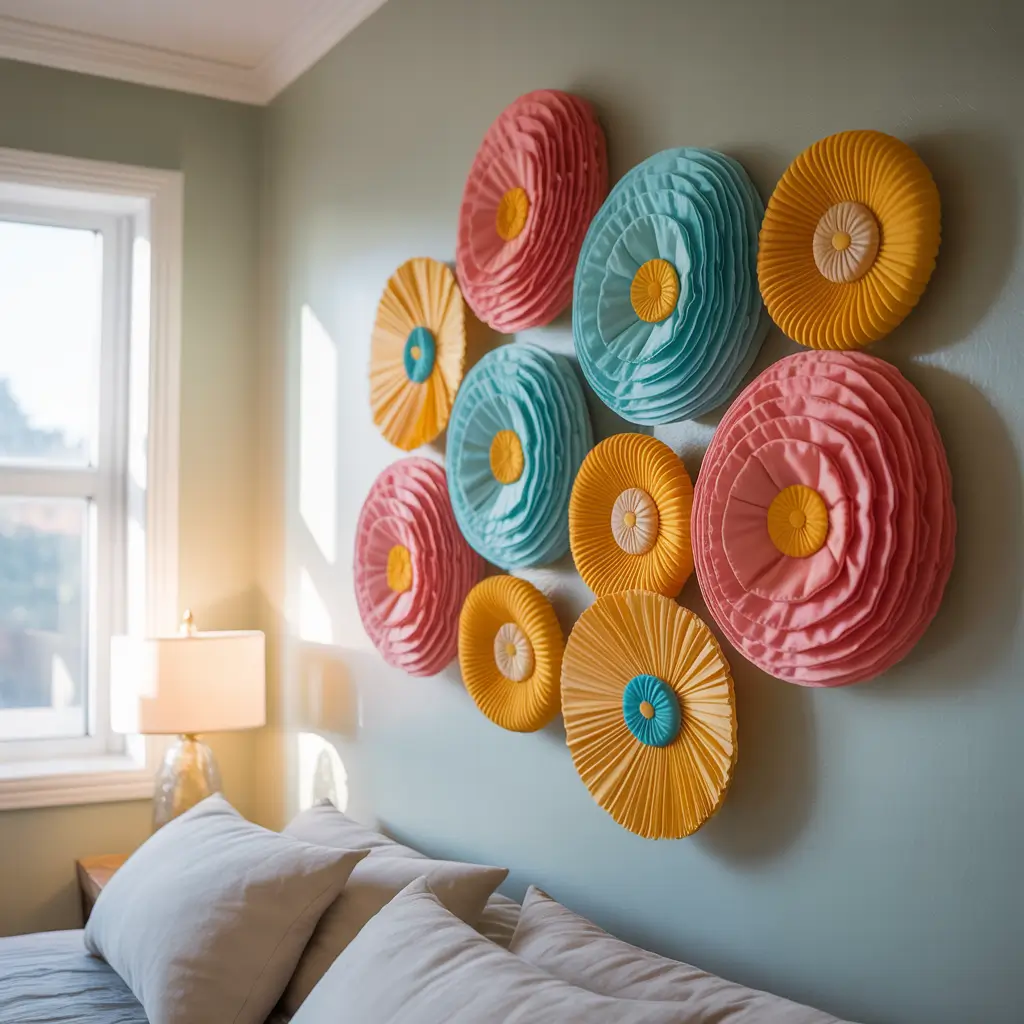
Large fabric flowers have transcended their wedding-backdrop origins and become legitimate home decor statements. Made from fabric with a stiffener applied, oversized blooms in sizes ranging from dinner-plate to coffee-table diameter can be arranged in clusters on a wall to create a dramatic floral installation that never wilts and never needs watering.
The most sophisticated versions mix different flower types — poppies, dahlias, peonies — in a tonal color palette. Painting or spraying the background wall a deep, contrasting color before mounting the flowers amplifies the visual impact significantly.
8. Geometric Fabric Shapes
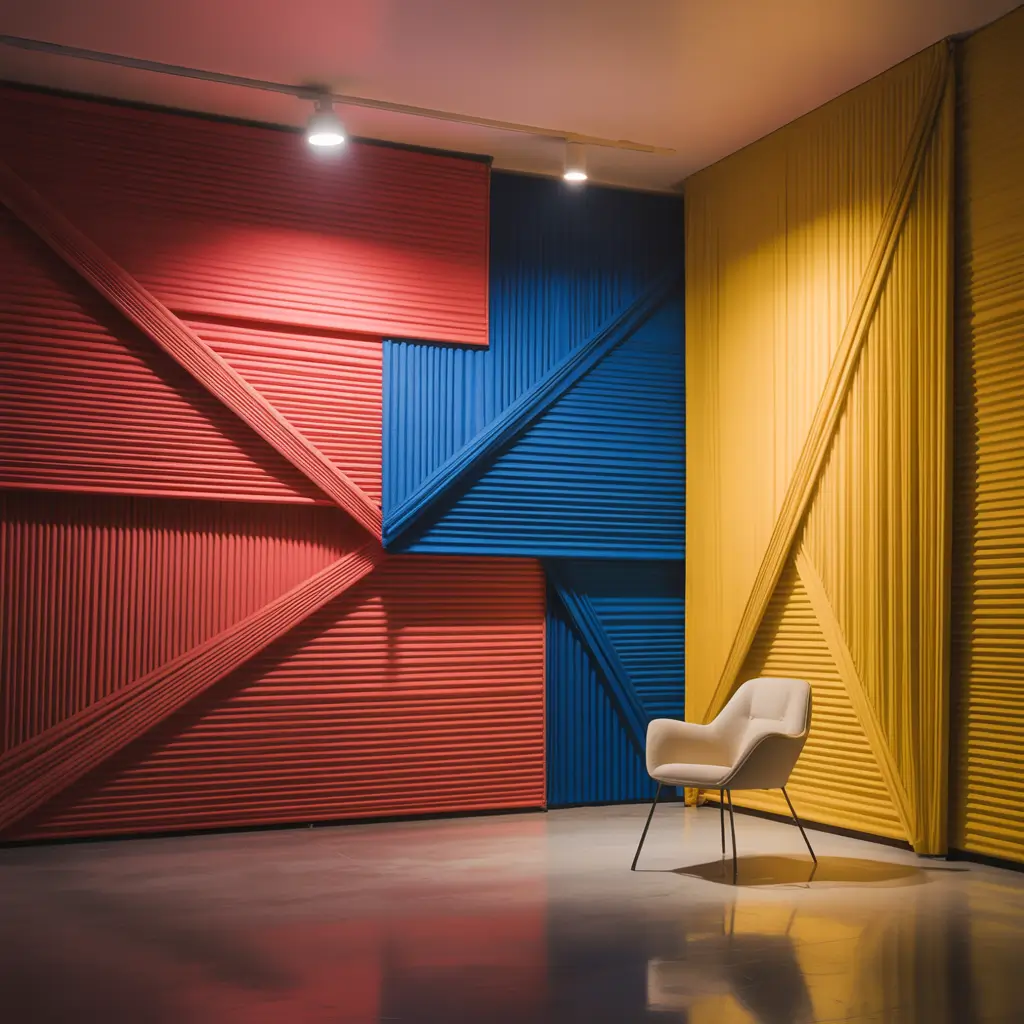
For those who prefer a cleaner, more contemporary aesthetic, geometric fabric shapes offer the warmth of textile with a modern sensibility. Cut felt, wool, or canvas into triangles, hexagons, diamonds, or other forms, then arrange them on the wall in a pattern or gradient composition. The shapes can be pinned, adhered, or suspended, depending on the desired effect.
Felt is particularly well-suited to this technique because it does not fray when cut, holds its shape, and comes in an enormous range of colors. A gradient arrangement — moving from dark to light across a wall — has the look of a designer installation while costing very little.
9. Embroidered Hoop Art
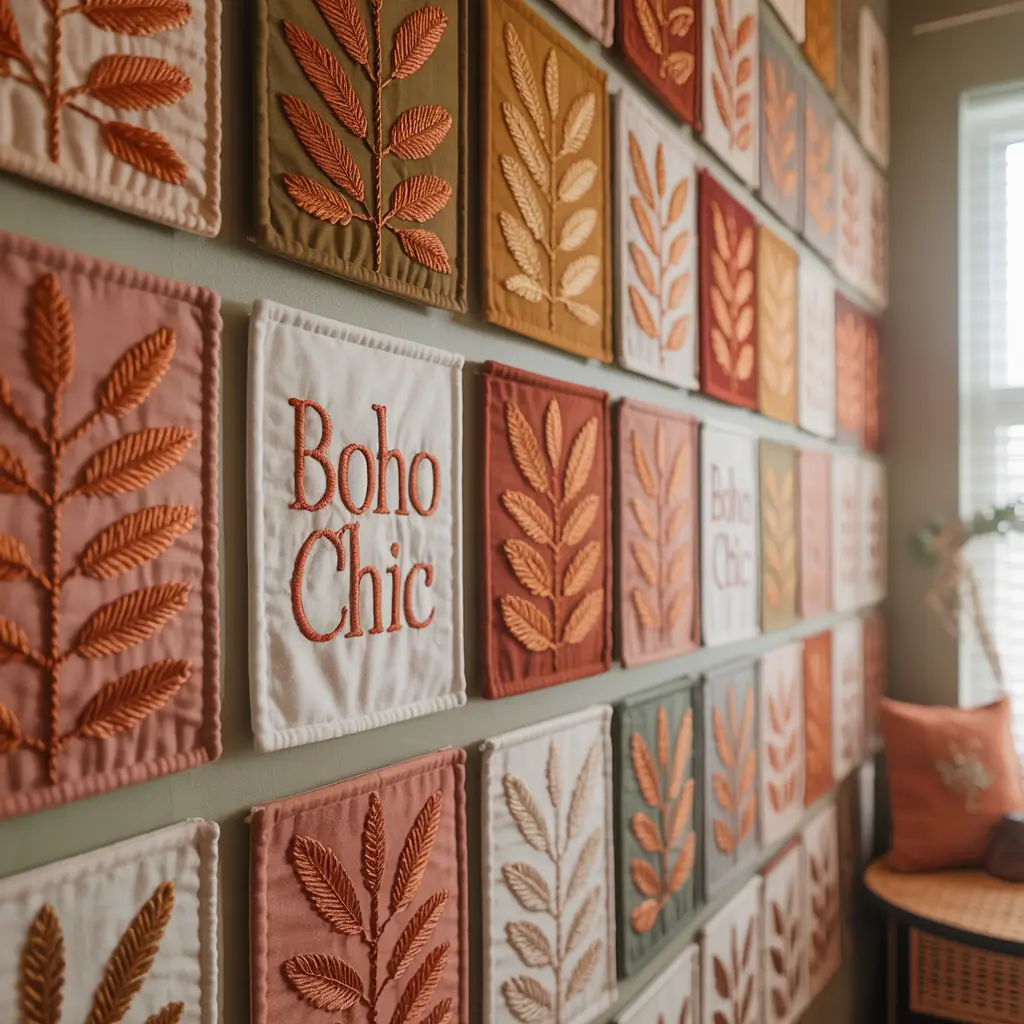
Embroidery hoops have become one of the most popular formats for small-scale fabric wall art, and the creativity possible within that simple wooden circle is genuinely surprising. Floral designs, abstract patterns, typography, landscapes, and portraits are all achievable with embroidery thread on stretched fabric.
Groupings of different-sized hoops create gallery walls with a handmade, artisanal quality that mass-produced prints simply cannot match. Mixing hoops with different backing fabrics — linen, cotton, velvet — adds texture variety even before the embroidery begins. This is also an ideal ongoing project: a hoop can be worked on over days or weeks, making it a relaxing creative practice as well as a decorating strategy.
10. Fabric String Art
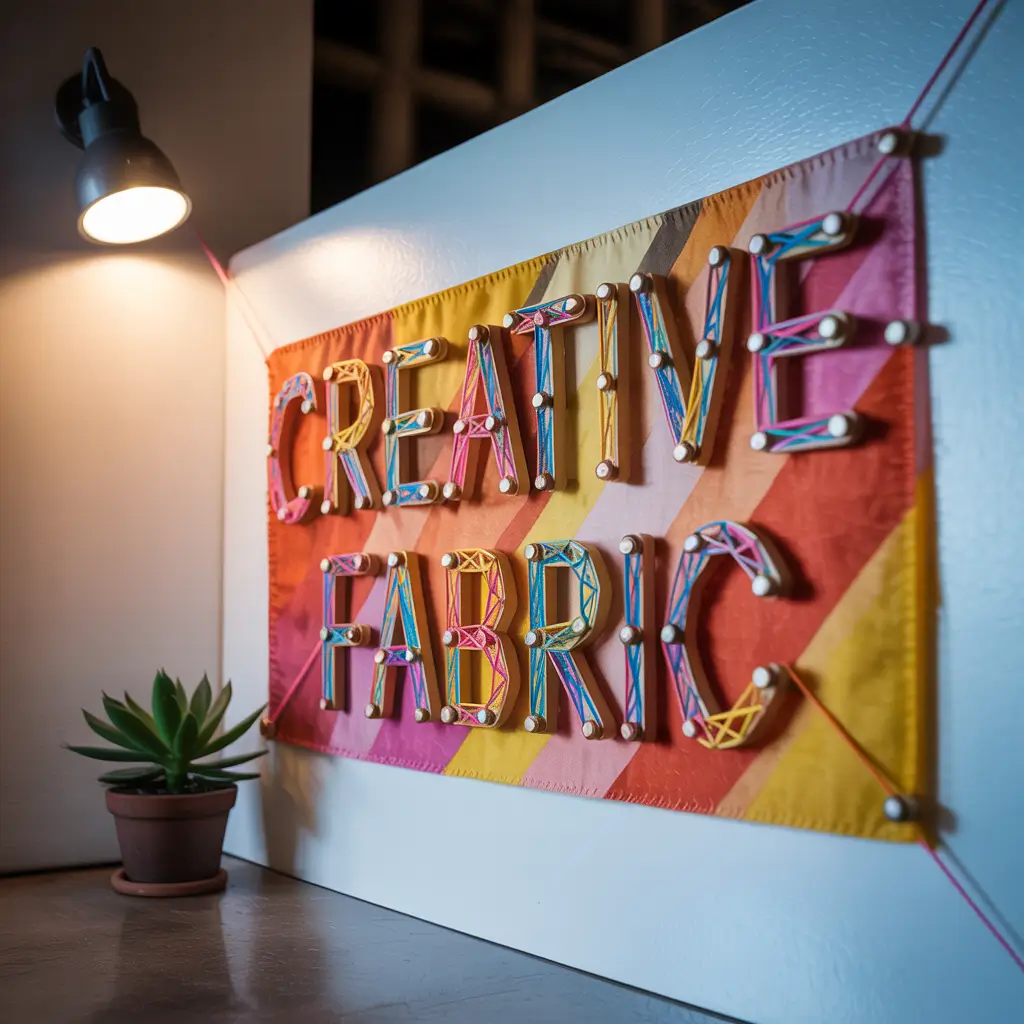
String art traditionally involves hammering nails into a wooden board and winding thread between them. The fabric variation on this technique uses strips of fabric wound around the nails rather than thread, producing a bolder, more three-dimensional result. The strips can be woven, layered, or wound in patterns to create shapes, letters, or abstract compositions.
This works especially well in entryways and hallways, where a personalized piece — spelling out a family name, a meaningful word, or depicting a simple shape — creates a welcoming first impression.
11. Draped Fabric Canopy Walls
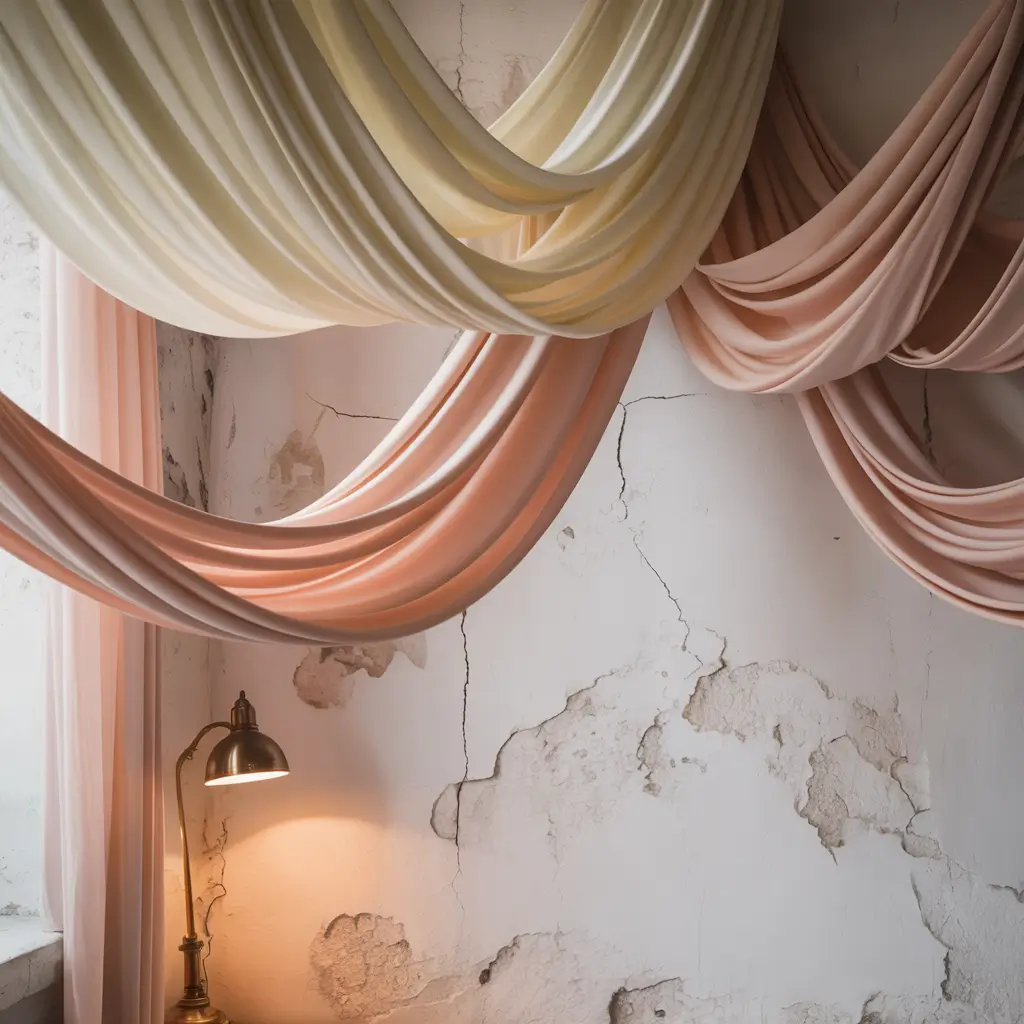
A draped fabric canopy wall involves suspending flowing fabric from ceiling hooks or a curtain rod and allowing it to fall in soft swoops behind a bed, sofa, or reading nook. The effect is romantically theatrical — it suggests luxury and intentionality without requiring expensive materials.
Sheer, lightweight fabrics work best for this technique, as they create the most graceful draping. Fairy lights woven into the fabric behind the drape add a particularly beautiful evening atmosphere. This approach is especially effective in bedrooms, where it creates the feel of a canopied four-poster bed at a fraction of the cost.
12. Color-Blocked Fabric Panels
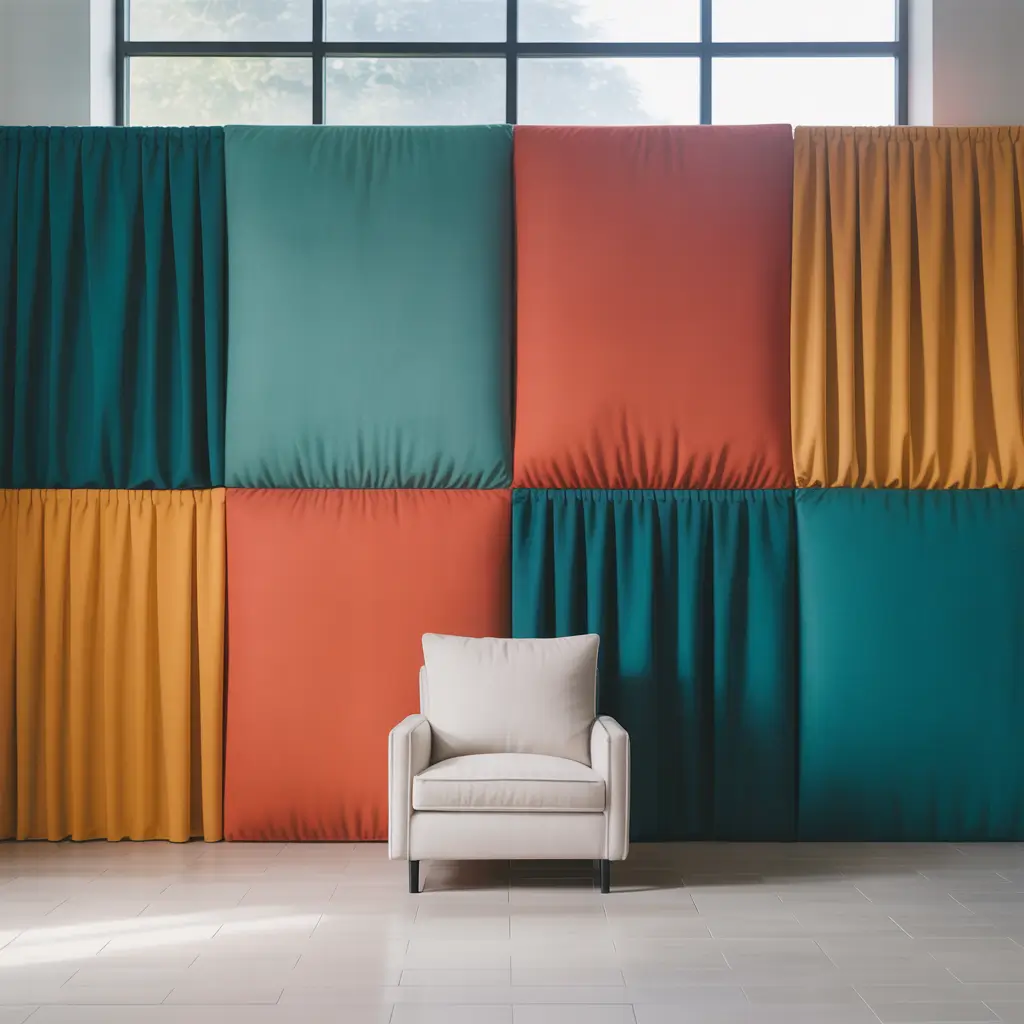
Color-blocking — the use of bold, solid blocks of contrasting color — is a classic design principle that translates beautifully into fabric wall panels. By creating or purchasing fabric panels in two to four complementary colors and arranging them in a clean, geometric composition, you can achieve a look that references modern art without the modern art price tag.
The panels can be displayed as a series of individually hung rectangles, assembled into a larger composition, or overlapped slightly for a layered effect. Keeping the colors consistent with other elements in the room — cushions, throws, rugs — ties the whole space together visually.
13. Fabric Pocket Organizer Walls
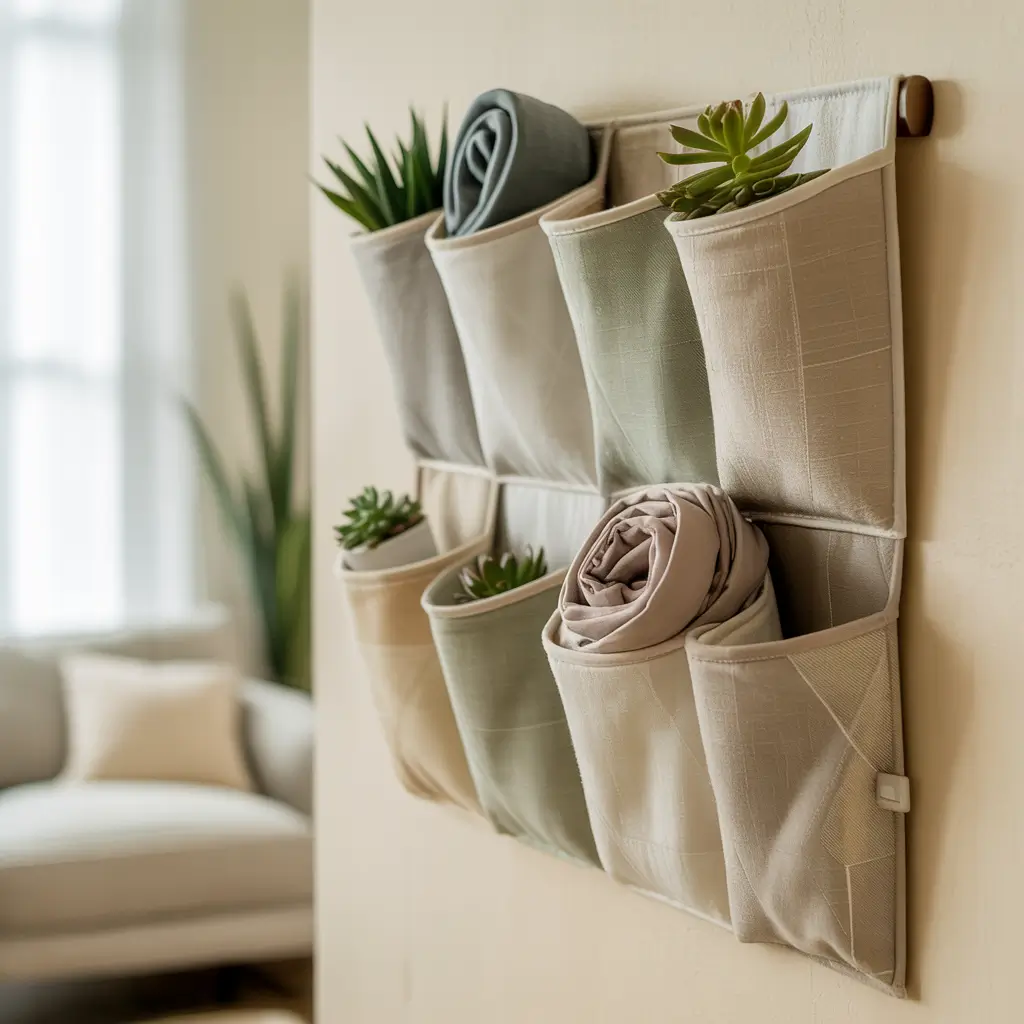
Practicality and beauty are not mutually exclusive. A fabric pocket organizer wall is a functional storage solution that also happens to look considered and intentional when made from quality materials. Canvas, leather, linen, or waxed cotton can all be fashioned into wall-mounted pocket systems that hold everything from mail and keys to art supplies and books.
The design of the pockets themselves — their size, spacing, color, and arrangement — determines whether the piece reads as storage or as decor. Leather labels, brass hardware, and thoughtful proportions elevate the functional into the decorative.
14. Woven Fabric Wall Mats
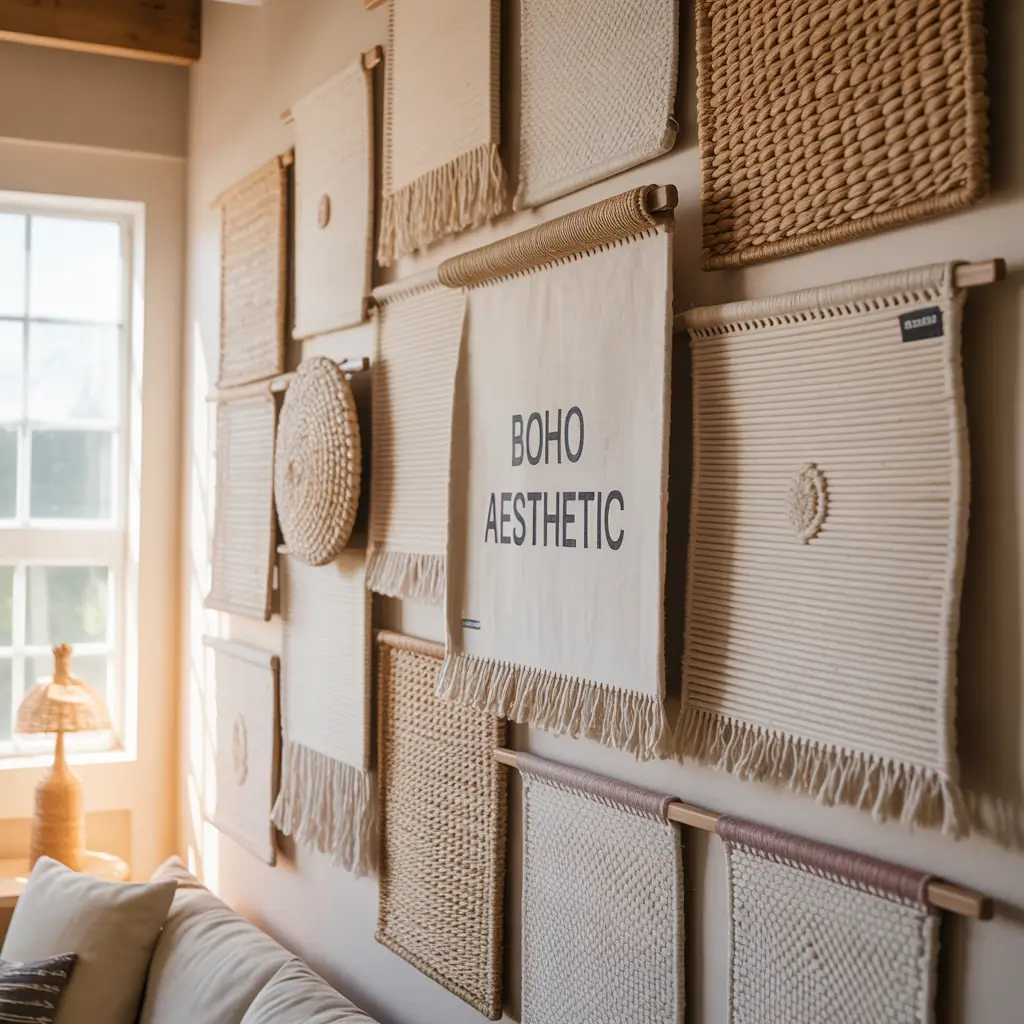
Woven wall mats are a step up from tapestries in terms of handmade complexity and visual depth. Using a simple loom — which can be constructed from a wooden frame and nails — strips of fabric are woven horizontally through vertical warp threads to create a dense, tactile textile. Hung on the wall, these pieces have a richness and weight that other fabric art forms cannot replicate.
The beauty of this technique is that almost any fabric can be repurposed as weaving material. Old clothing, blankets, scarves, and curtains all become possible ingredients, giving the finished piece both material and personal depth.
15. Floating Ribbon Installations
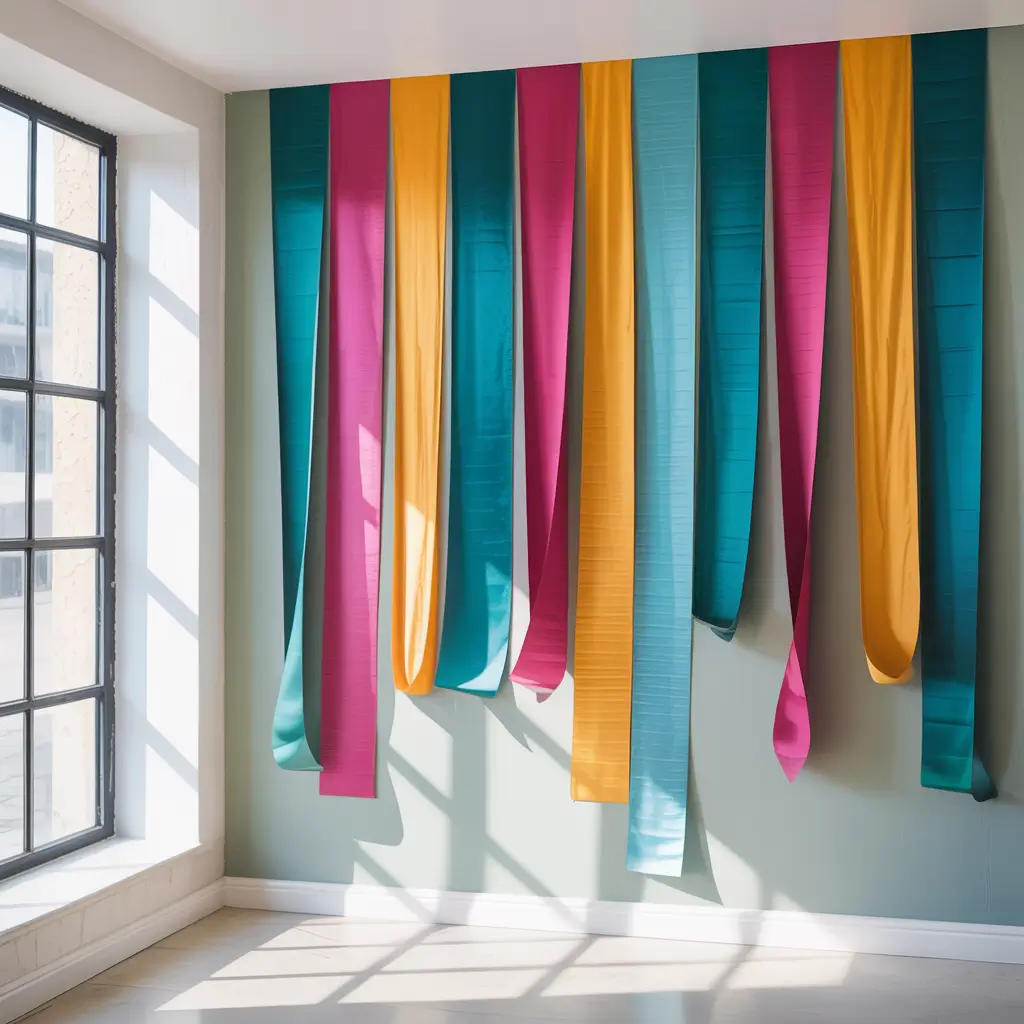
Ribbons may seem like a minor craft supply, but when used at scale and with intention, they create genuinely striking wall installations. Varying lengths of ribbon in coordinated or contrasting colors, suspended from a rod or branch, fall in flowing vertical lines that bring movement and color to a wall.
Satin ribbons catch light beautifully; grosgrain offers a matte, graphic quality; sheer organza creates the impression of floating color. Mixing textures within a single installation produces the most visually interesting results. Seasonal swaps are easy and inexpensive — change the color palette for autumn, winter, or spring without replacing the entire installation.
How to Choose the Right Fabric Wall Decor for Your Space
With so many options available, choosing where to start can feel overwhelming. A few simple questions will help narrow things down quickly.
Consider the room’s existing aesthetic first. A minimalist, Scandinavian-influenced room will respond best to clean-lined geometric panels or simple linen hangings. A bohemian, layered space can absorb more complex pieces like macramé or textile collages. A formal room may call for framed vintage textiles or sophisticated color-blocked panels.
Think about the wall itself. A large, blank wall above a sofa or bed calls for a single statement piece — a wide tapestry, a large macramé hanging, or a substantial woven mat. A narrow hallway wall works better with a vertical series of embroidery hoops or a fabric banner. A gallery wall above a console table benefits from a mixed-format grouping of smaller pieces.
Consider your comfort with DIY. Some of these ideas — like fabric-wrapped canvas frames or hanging ribbon installations — require very little skill and can be completed in an afternoon. Others, like woven wall mats or complex macramé, involve a learning curve but reward the time invested. There is no shame in purchasing artisan-made pieces for techniques that feel beyond your current skills.
Finally, think about longevity and flexibility. If you love refreshing your space frequently, choose techniques that allow easy swapping — fabric-wrapped frames, tapestries on clip rings, or modular pocket organizers. If you prefer a more permanent installation, woven pieces or framed textiles will serve you better.
Practical Tips for Hanging and Caring for Fabric Wall Decor
Hanging Methods
The method you use to hang fabric wall decor significantly affects both its appearance and longevity. Here are the most reliable approaches for different piece types:
- Wooden dowels with rope: ideal for tapestries, macramé, and woven pieces. Creates a clean, deliberate look and distributes weight evenly.
- Curtain rods with rings or clips: excellent for draped pieces, tapestries, and ribbon installations. Easy to remove and replace.
- Adhesive strips (Command Strips): suitable for lighter pieces like fabric-wrapped frames and hoop art. Renter-friendly and wall-safe.
- Picture hooks and wire: the most secure option for heavier framed textile pieces. Use two hooks per piece for stability.
- Tension rods: useful for installations in alcoves or between walls where you want to avoid wall fixings entirely.
Caring for Fabric Wall Art
Fabric wall decor accumulates dust more readily than hard-surface art. Regular, gentle maintenance keeps pieces looking their best:
- Use a soft brush attachment on a vacuum at the lowest suction setting to remove surface dust from woven and macramé pieces monthly.
- For embroidered pieces in frames, a soft, dry cloth is sufficient for removing dust from the glass front.
- Keep fabric wall art away from direct sunlight where possible, as UV exposure fades colors over time. UV-filtering glass in frames protects particularly valuable pieces.
- Store seasonal fabric pieces folded with acid-free tissue paper to prevent creasing and color transfer.
- If a tapestry or hanging develops wrinkles, hang it in a steamy bathroom for an hour rather than applying direct heat with an iron, which can damage delicate fibers.
Frequently Asked Questions About Fabric Wall Decor
What type of fabric works best for wall hangings?
Natural fibers — cotton, linen, wool, and jute — tend to hang and drape most beautifully and hold their shape well over time. Cotton macramé cord is the most beginner-friendly material for knotted hangings. Linen and canvas work excellently for flat panels and wrapped frames. Delicate fabrics like silk and organza are best displayed in frames where they are protected.
How do I hang fabric on a wall without damaging it?
Removable adhesive strips are the safest option for walls you want to preserve, such as in rental properties. These hold pieces up to a few kilograms securely and remove cleanly. For heavier pieces, a single small hook or two picture hooks cause minimal wall damage while offering much greater holding strength.
Can fabric wall decor work in kitchens and bathrooms?
Yes, with some considerations. Kitchens and bathrooms have higher humidity and grease levels than other rooms, which can degrade fabric over time. Choose synthetic or tightly woven natural fabrics in these spaces, and avoid anything highly textured that would trap moisture or cooking residue. Framed textiles with glass fronts are the most practical option for these environments.
How do I choose colors for fabric wall decor?
The most reliable approach is to pull colors from something already in the room — a rug, a throw cushion, curtain fabric — and either match them closely or choose complementary tones from the same color family. If the room already has a lot of color, a neutral fabric piece in cream, white, or natural jute will add texture without visual competition. If the room is mostly neutral, fabric wall decor is an excellent opportunity to introduce a bold color accent.
Is fabric wall decor suitable for children’s rooms?
Absolutely — it is actually ideal. Fabric is soft, non-hazardous if it falls, and easy to change as children grow and their tastes evolve. Avoid pieces with very long fringe or loose threads in rooms for very young children. Tapestries, embroidery hoop art, and fabric bunting all work beautifully in children’s spaces and can be updated inexpensively as the child grows.
Final Thoughts
Fabric wall decor is one of the most rewarding ways to personalize a home. It is warm where metal and glass are cold, forgiving where paint is permanent, and human where mass-produced prints are generic. Whether you spend an afternoon making a simple fringe panel or invest weeks into a woven wall mat, the result is a piece that carries your touch and tells your story in a way that nothing purchased from a chain store ever quite can.
Start with one wall, one technique, and one set of fabrics that genuinely excites you. The rest tends to follow naturally. Blank walls have enormous potential — fabric is one of the most joyful, accessible, and creative ways to realize it.
1 thought on “15 Charming Fabric Wall Decor Ideas for Every Room”