
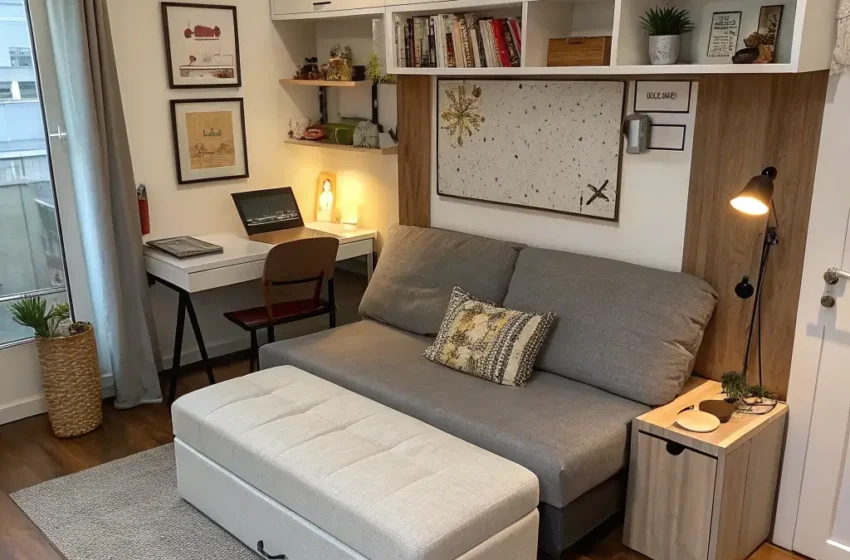
There is something both exciting and quietly stressful about decorating an apartment. You want it to feel like home — warm, personal, genuinely yours — but you are working with a landlord’s bland walls, a floor plan that was clearly designed by someone who has never tried to fit a couch and a dining table into the same room, and a budget that keeps reminding you it has limits.
The good news? Great apartment decor is far less about money than most people think. It is about knowing a few clever tricks, understanding what actually makes a space feel good, and being willing to think creatively about the walls, corners, and awkward nooks you have been ignoring since you moved in.
This guide covers 25 practical, stylish apartment decorating ideas — from bold statement moves to small, affordable tweaks that quietly transform how a room feels. Whether you are furnishing a studio for the first time, refreshing a place you have lived in for years, or working around frustrating rental restrictions, there is something in here that will work for your space and your life.
1. Create a Feature Wall Without Painting
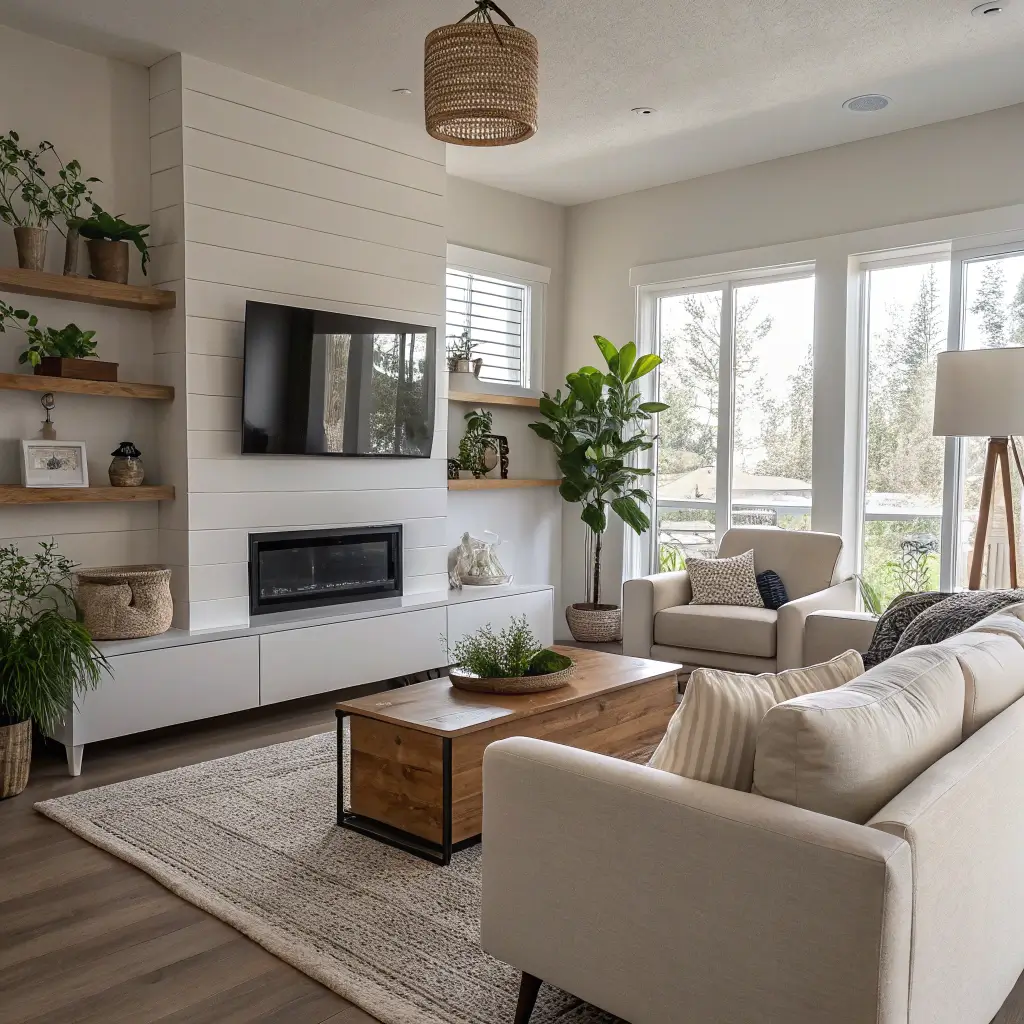
A blank wall is the most underused canvas in any apartment. You do not need a landlord’s permission or a paintbrush to make it interesting. Removable wallpaper has improved dramatically in quality and range — there are now hundreds of beautiful patterns available that go on cleanly, look exactly like real wallpaper, and come off without a trace when you move.
Alternatively, a large gallery arrangement of framed art and prints transforms a bare wall into a genuine focal point. Start by laying your arrangement on the floor to find the composition you like before a single nail goes in. Mix frame sizes, include at least one mirror to bounce light, and leave breathing room between pieces. The wall does not need to be full — negative space is part of the design.
2. Anchor the Room With a Good Rug
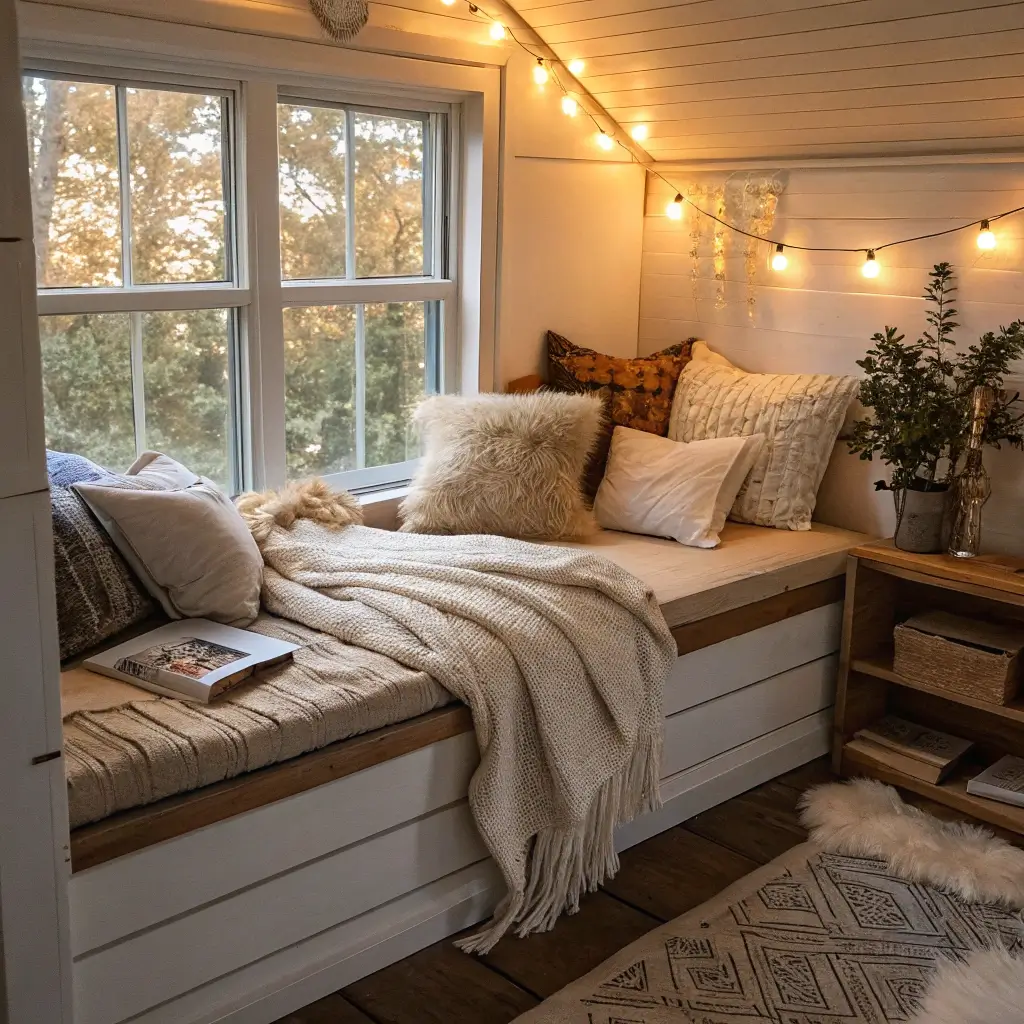
In small apartments, the rug is the most powerful single piece you can invest in. It defines the seating area, visually grounds the furniture, adds warmth and texture, and — if you choose well — ties the entire room together with color. The most common mistake? Buying a rug that is too small. Go bigger than feels obvious. All front legs of your main furniture should sit on it.
Layering rugs is one of the best tricks in apartment decorating — a smaller patterned rug over a larger natural jute base adds depth and makes the floor look intentionally designed rather than an afterthought.
3. Use Mirrors to Make the Space Feel Larger
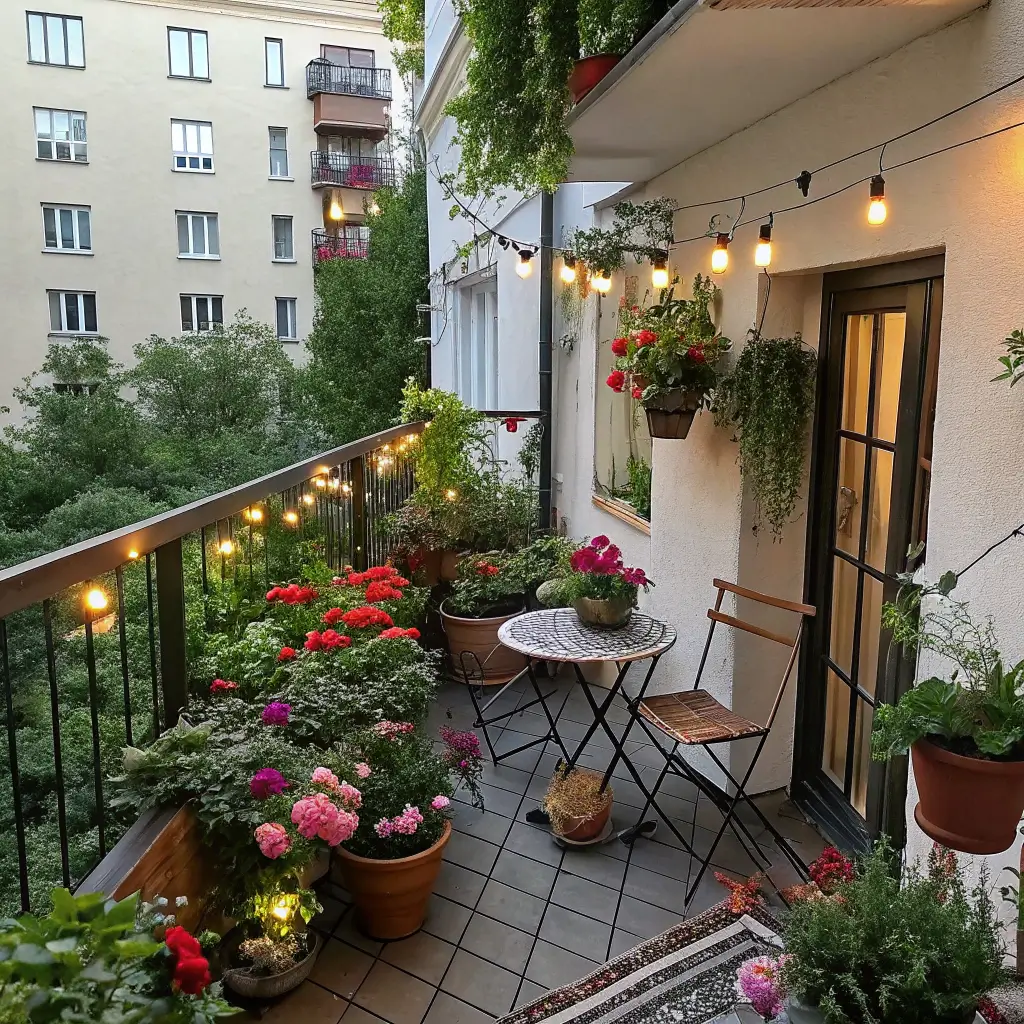
Mirrors do two essential jobs in a small apartment: they reflect light and they create the illusion of depth. A large floor mirror leaned casually against a wall in a living room or bedroom can make a room feel almost twice the size. A round mirror above a console table or sideboard adds architectural interest while bouncing natural light back into darker corners.
The trick is placement — position mirrors so they reflect something beautiful, like a window, a plant, or an arrangement of art. A mirror reflecting a cluttered corner just doubles the problem.
4. Upgrade Your Lighting Immediately
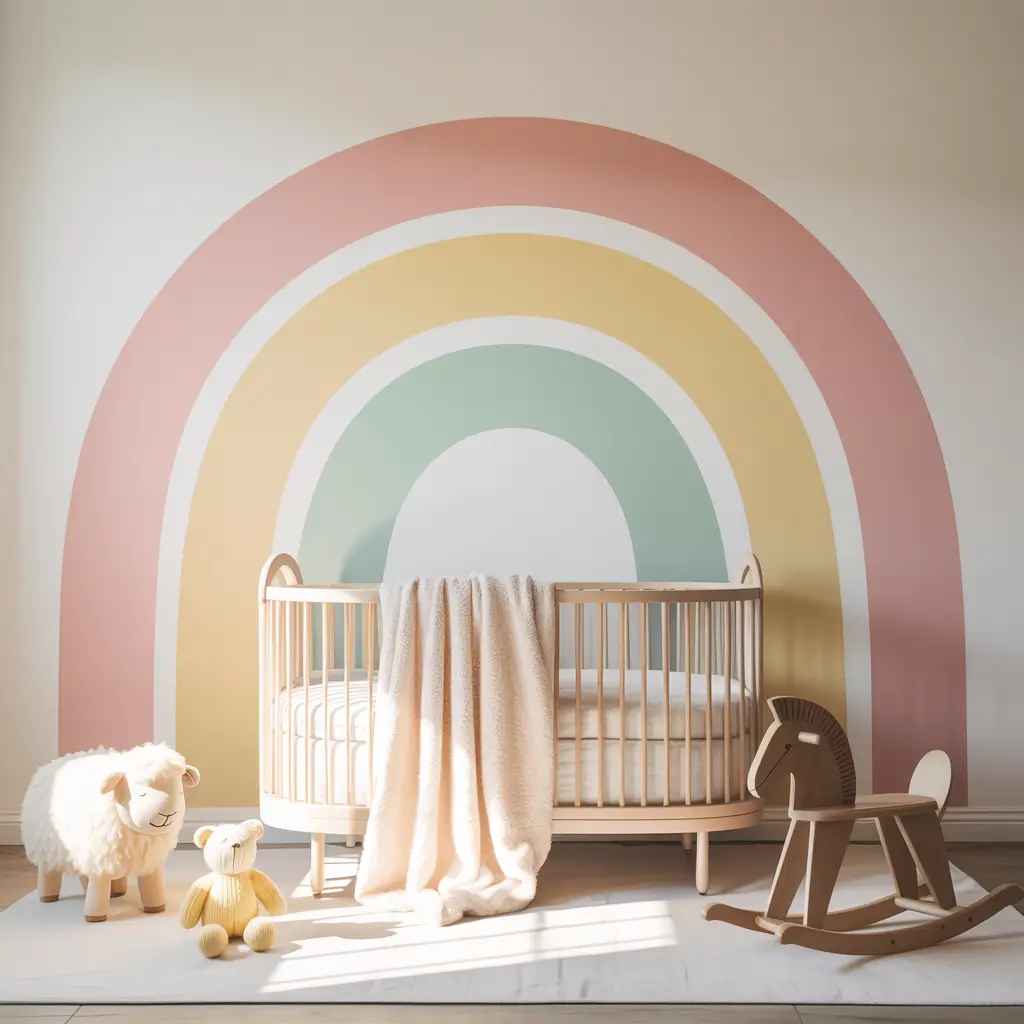
This is the single most underrated apartment decorating move, and it costs almost nothing relative to the impact. The overhead light in most apartments is functional at best and soul-crushing at worst. Turn it off. Then layer three types of lighting instead.
Ambient light from floor lamps set to warm bulbs (2700K is the sweet spot) instantly makes a room feel inviting. Task lighting — a reading lamp beside the sofa, a desk lamp in the office corner — makes spaces feel considered. And accent lighting — LED strips behind a TV, fairy lights woven through a bookshelf, a candle grouping on a coffee table — adds atmosphere that no overhead bulb ever will.
5. Choose Multi-Functional Furniture That Earns Its Place
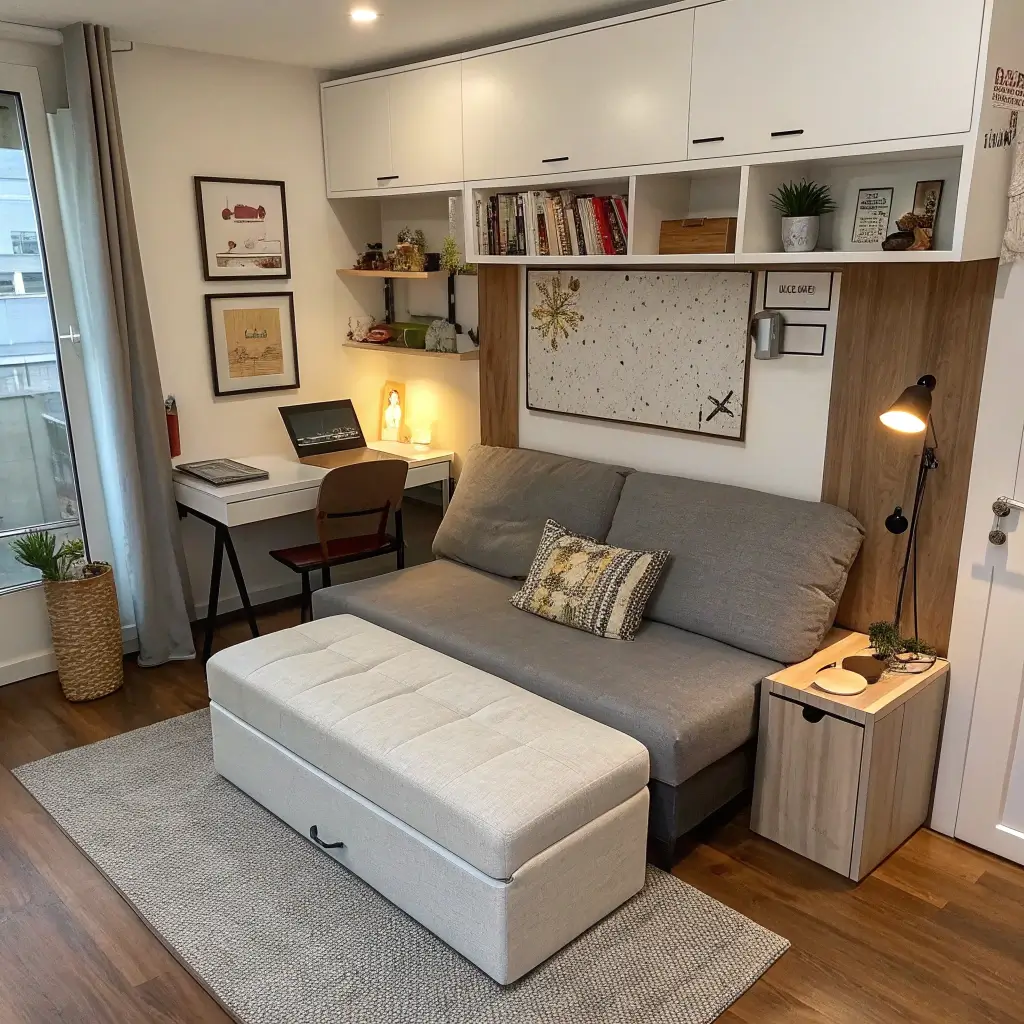
Every piece of furniture in a small apartment needs to do more than one thing. A storage ottoman replaces both a coffee table and a storage unit. A sofa bed keeps a guest room option alive in a one-bedroom. A console table behind the sofa acts as a drinks table during evenings and a standing desk during the day. Nesting side tables tuck away when not in use and expand for company.
Before buying anything new, ask: what else could this do? The answer shapes smarter purchasing decisions.
6. Add Plants — and Then Add More
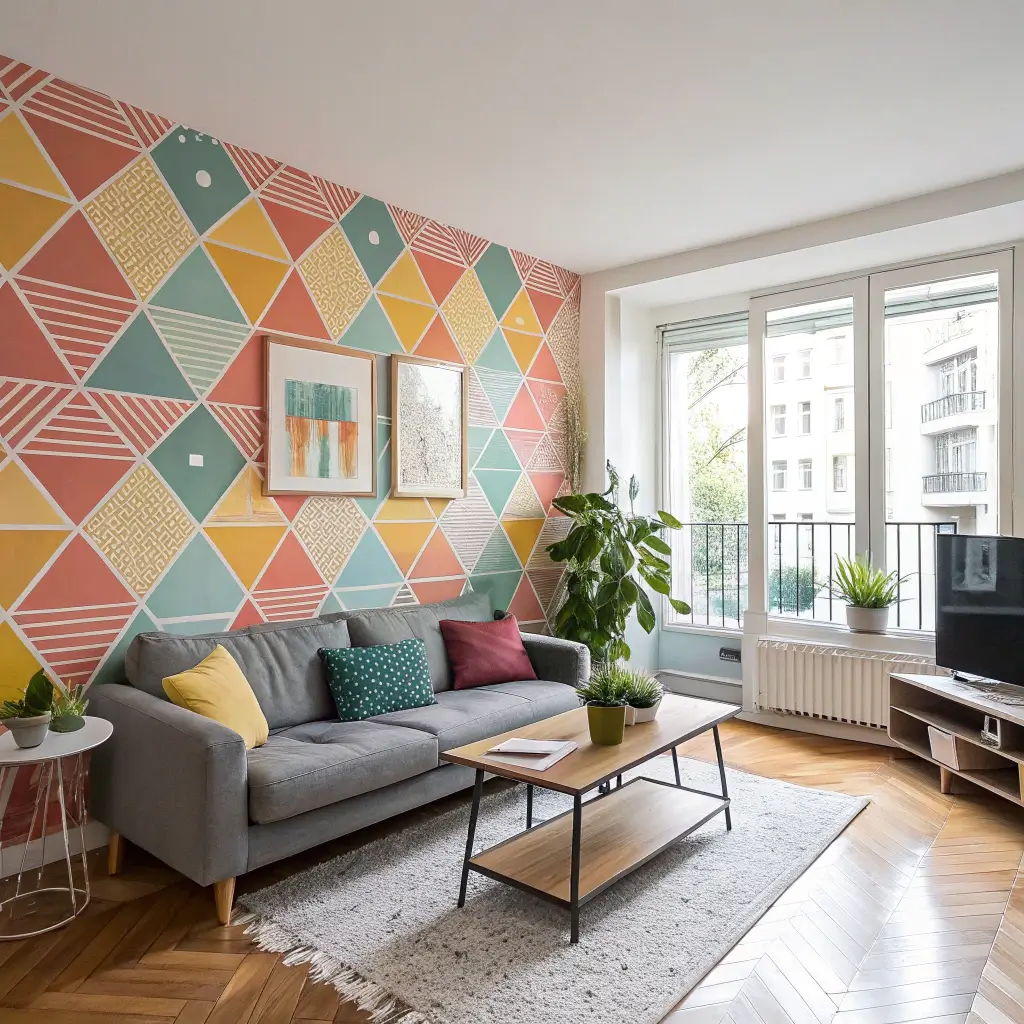
Plants do more for a room than almost any decorative object. They add color, filter air, create organic shapes that soften hard-edged furniture, and signal a sense of life and care that instantly makes a space feel like someone genuinely lives there.
For low-maintenance options, pothos and snake plants survive nearly anything. Fiddle leaf figs and monstera plants make dramatic statements in living rooms with good light. Trailing vines on bookshelves and trailing from wall-mounted pots add layers of greenery at different heights. A cluster of plants in different pot sizes and textures in a corner turns dead space into a living vignette.
7. Build a Gallery Wall That Tells Your Story
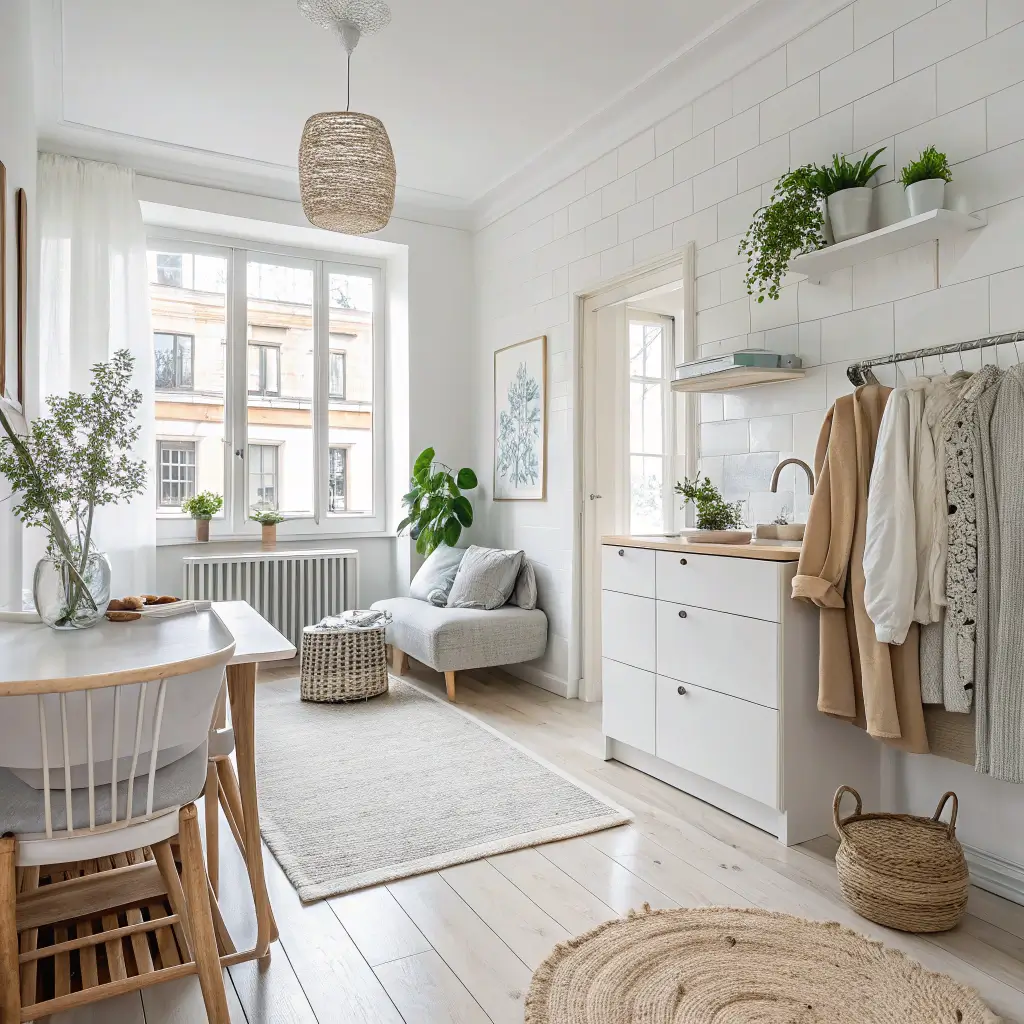
A gallery wall is one of the most personal decorating statements you can make. Done well, it is essentially a curated edit of what matters to you — travel photographs, art prints, handwritten notes, mirrors, postcards, small framed objects. Done badly, it looks like a random collection of things.
The key is cohesion. Choose a color palette that ties pieces together, even if the frames are all different. Start with one anchor piece — the largest item — and build outward. Create your layout on the floor before committing to nails. And remember: a gallery wall does not need to be large to be powerful. Five well-chosen pieces arranged thoughtfully can beat twenty random ones.
8. Make Your Bed the Focal Point It Should Be
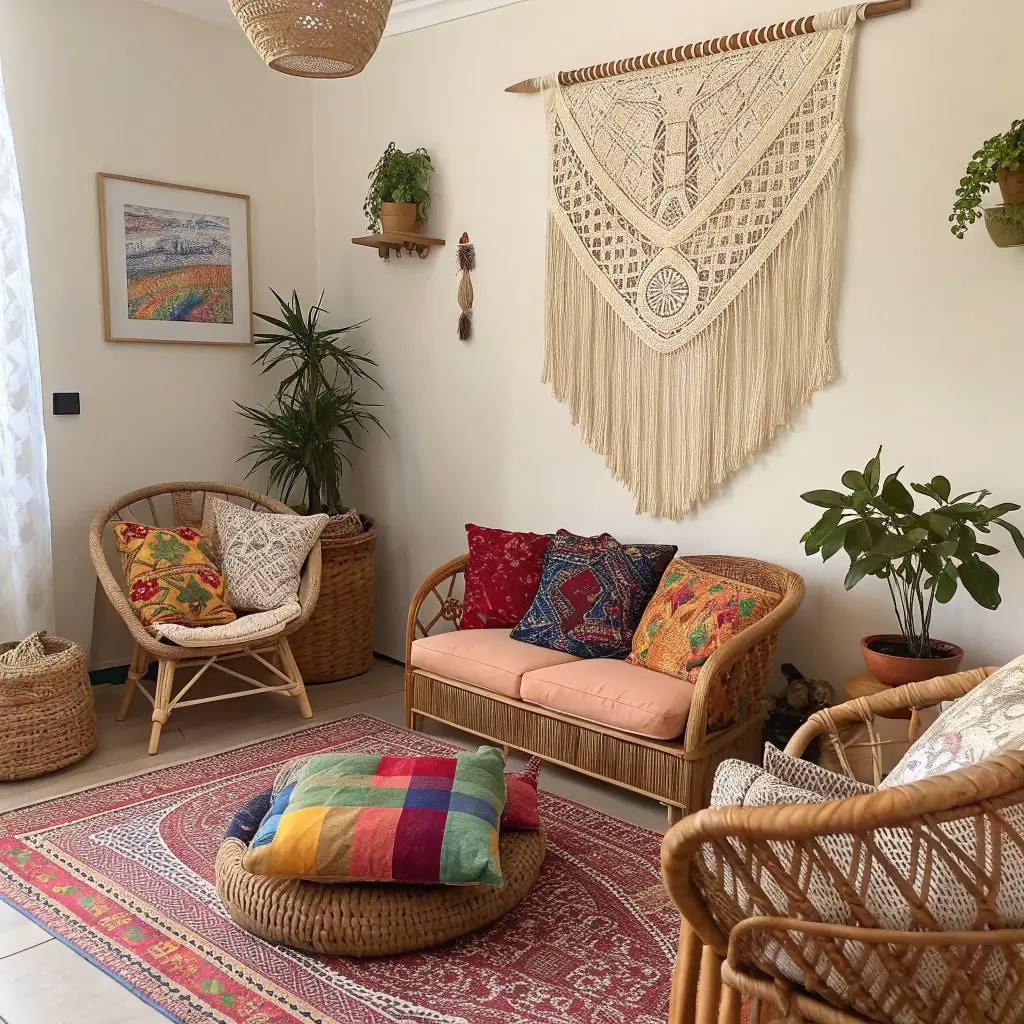
In most bedrooms, the bed is the largest piece of furniture and the first thing you see when you walk in — yet most people treat it as purely functional. A beautiful bed arrangement, by contrast, sets the entire tone for the room. Start with quality bedding in colors that complement your walls and flooring. Layer a duvet with a folded throw at the foot. Add three or four pillows in coordinating but not identical covers.
If your bed has a plain or dated headboard, consider an upholstered one if you own your furniture, or simply hang a large piece of art or a fabric panel above the bed to create the visual effect of a headboard without replacing anything.
9. Create a Reading or Relaxation Nook
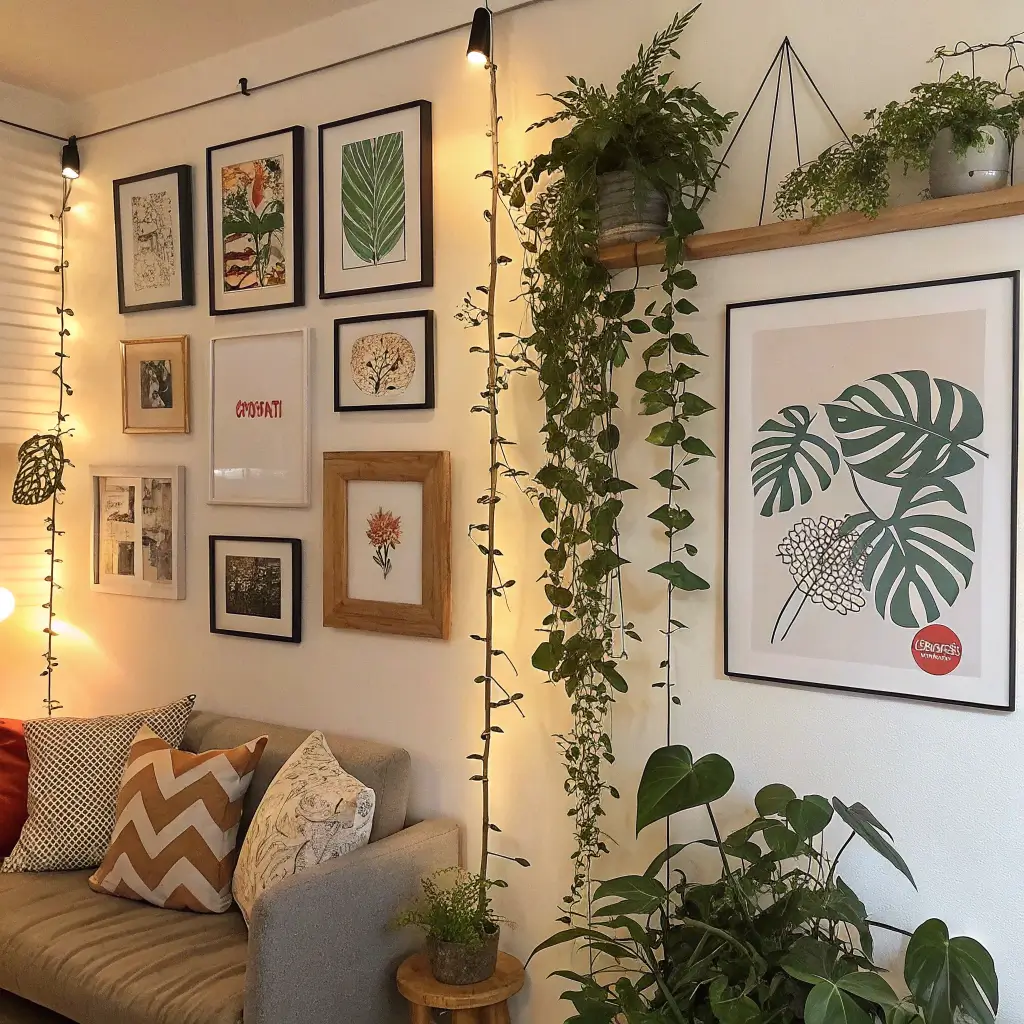
Even in a small bedroom, carving out a dedicated corner for rest and reading transforms how the room feels to use. A comfortable chair or a large floor cushion, a floor lamp positioned for reading light, a small side table for a drink and a book, and a throw blanket are all you need. Add a floating shelf above for books or plants.
The psychological value of having a designated spot for quiet — separate from where you sleep and separate from where you work — is enormous. It makes the whole apartment feel larger by giving different activities different homes.
10. Use Your Closet Space More Creatively
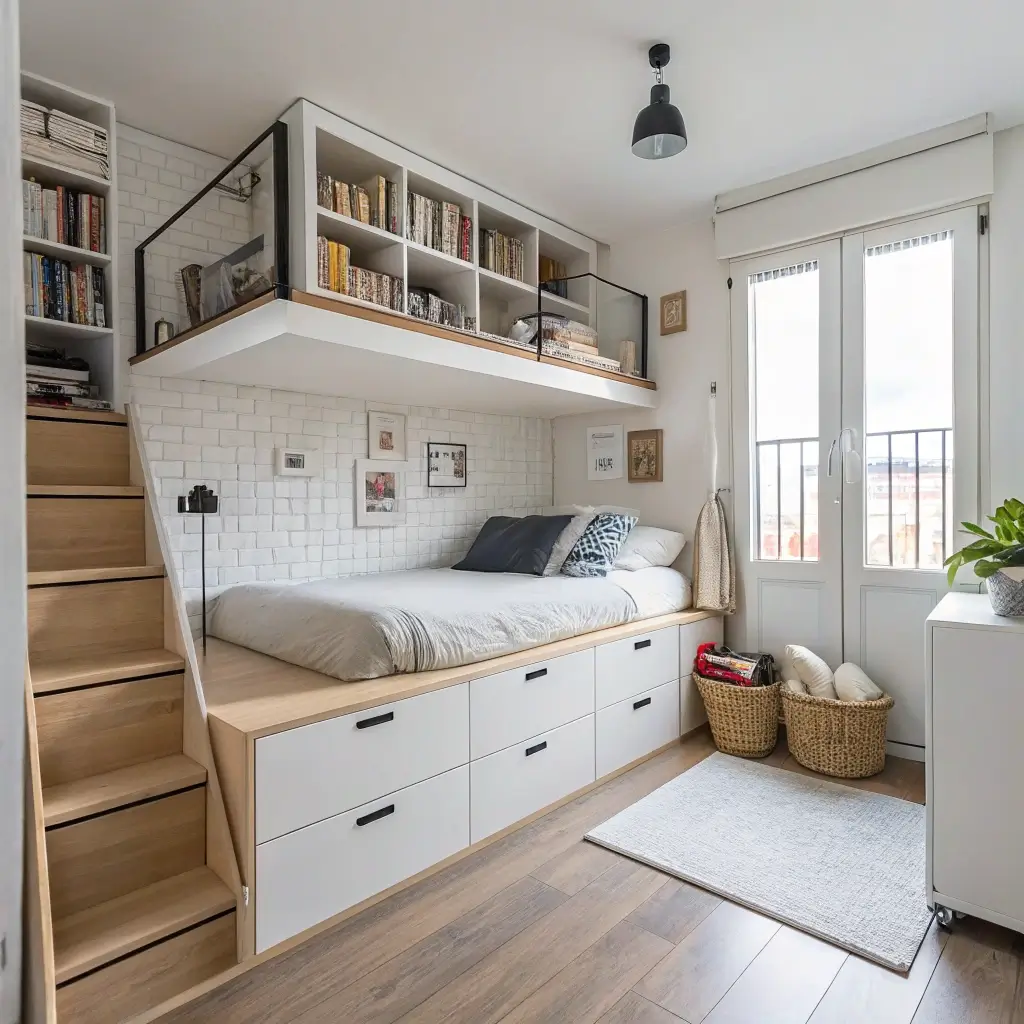
If your bedroom closet is functioning purely as a space where things go to be forgotten, you are leaving usable room on the table. Closet organizer systems — even inexpensive ones from big-box stores — double or triple the storage efficiency of a standard apartment closet. Consider removing the doors entirely on a small wardrobe and turning it into an open display of organized clothing and accessories. Add interior lighting and suddenly it feels curated rather than hidden.
11. Hang Curtains Correctly
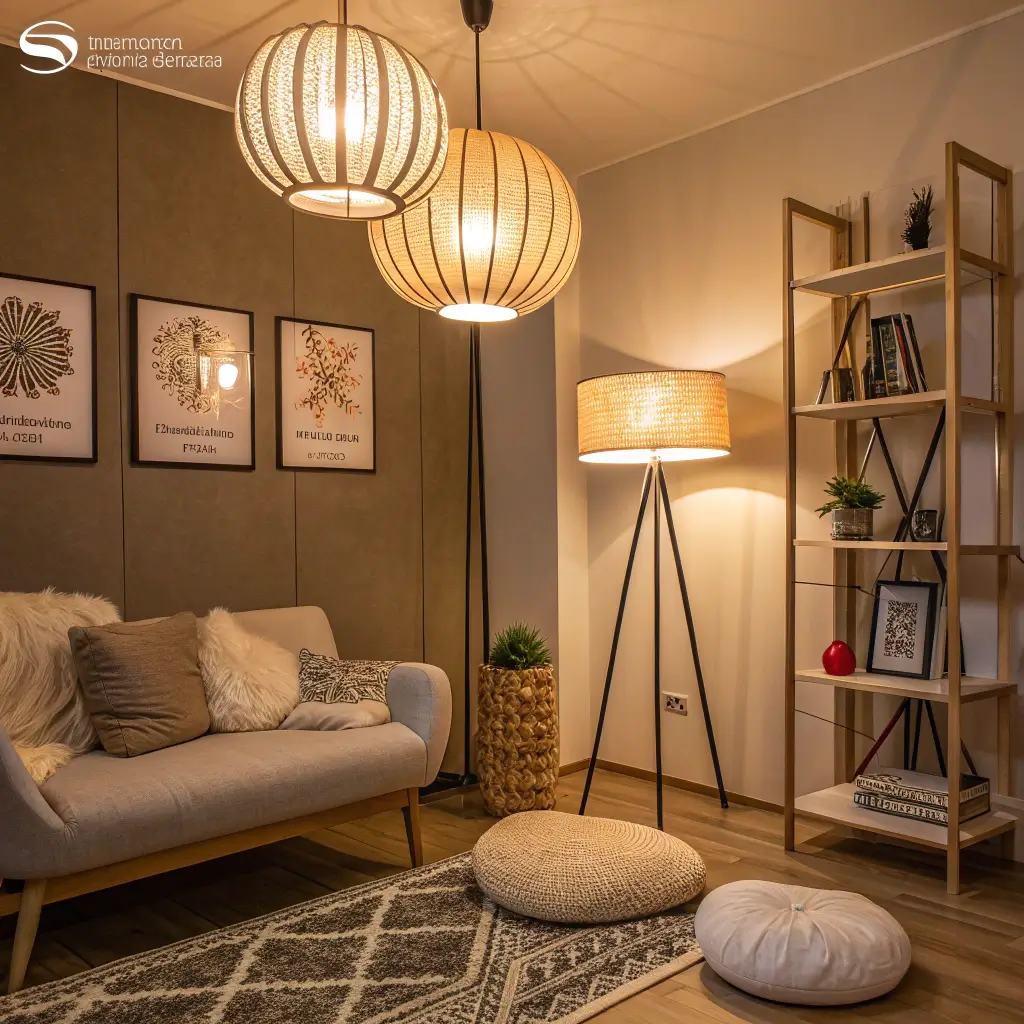
This is one of the most common small decorating mistakes that costs people the feeling of height and airiness they are trying to achieve. Mount curtain rods as high as possible — ideally at ceiling level or close to it — and choose curtains long enough to puddle slightly on the floor. Wide curtains that extend well beyond the window frame on each side make the window look larger, maximize light when open, and add a luxurious, tailored quality that short curtains hung close to the frame simply cannot achieve.
Sheer linen or cotton curtains in off-white or cream filter light beautifully without blocking it. For bedrooms that need darkness, layer blackout curtains behind sheers for maximum flexibility.
12. Add a Statement Scent to Your Bedroom
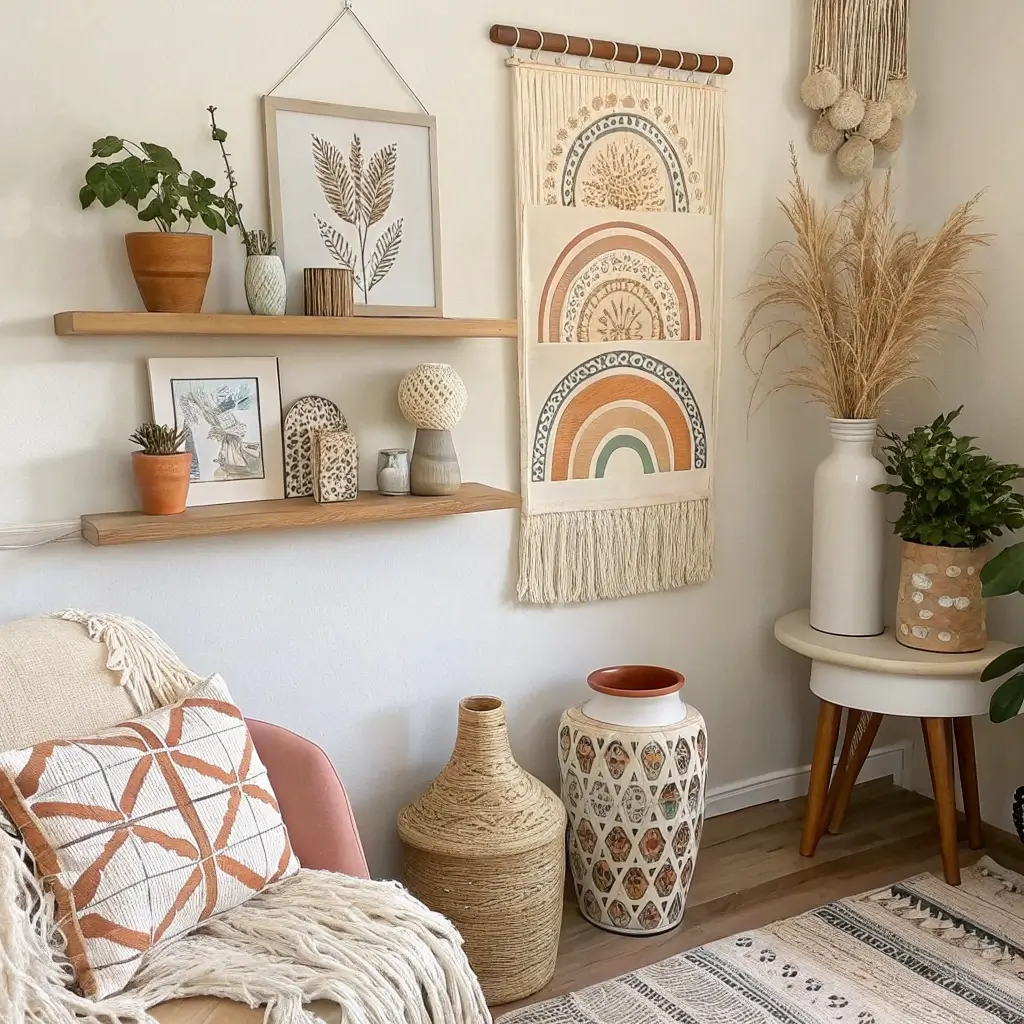
Scent is the most underused element in apartment decorating, and it is one of the most powerful. The right scent can make a room feel clean, calm, welcoming, or energizing before a guest has even looked around. Diffusers with cedarwood or lavender essential oils for bedrooms, linen sprays on pillows, or a good quality candle — choose one signature scent per room and use it consistently. It becomes part of how your home feels.
13. Transform Cabinet Fronts Without Permanent Changes
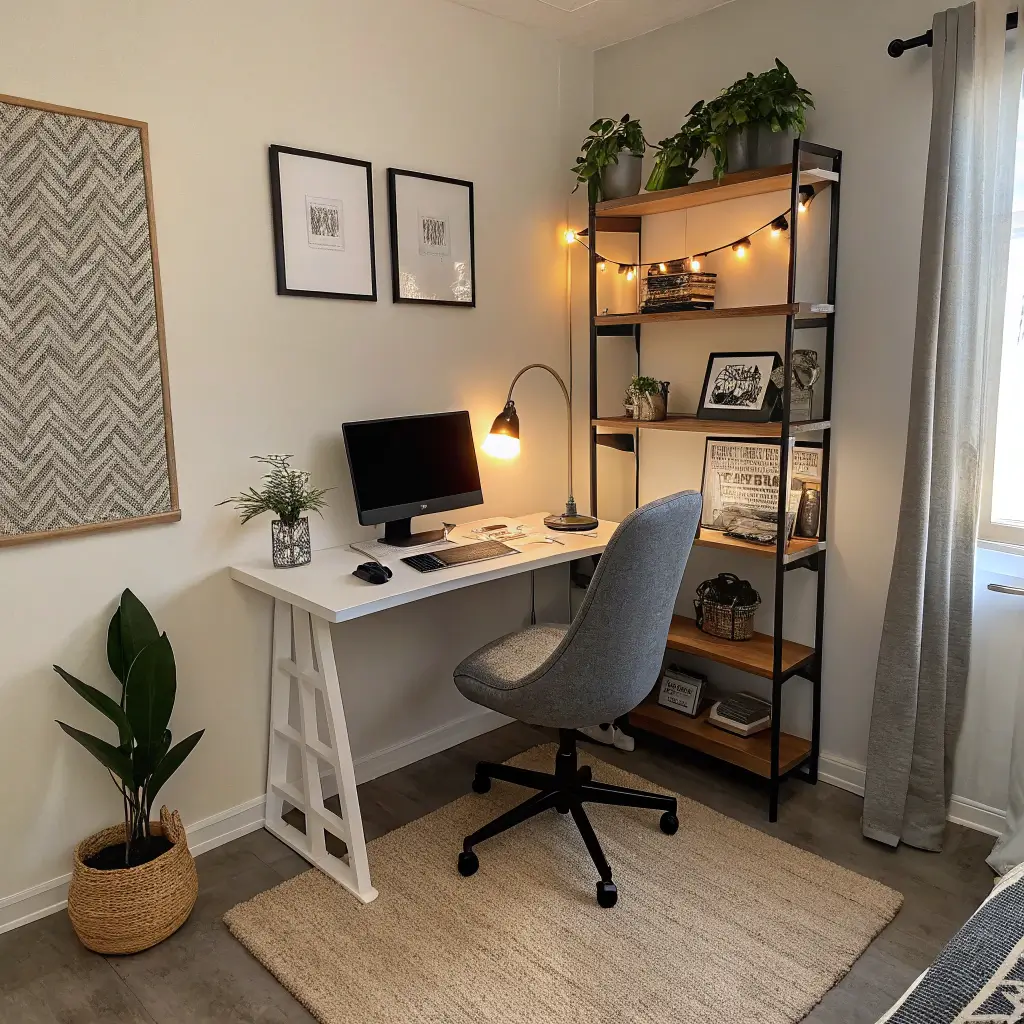
Cabinet hardware is the jewelry of a kitchen — and swapping out dated knobs and pulls for something modern takes under an hour and costs less than thirty dollars. Choose brushed brass, matte black, or ceramic handles depending on the aesthetic you are aiming for. The difference is remarkable out of proportion to the effort and cost involved.
For a bigger transformation without painting, removable wallpaper on cabinet door panels gives a high-end, designed look. Geometric patterns, botanical prints, and cane-weave textures are all popular and convincing options that come off cleanly when you are ready to move.
14. Use Open Shelving to Create a Feature
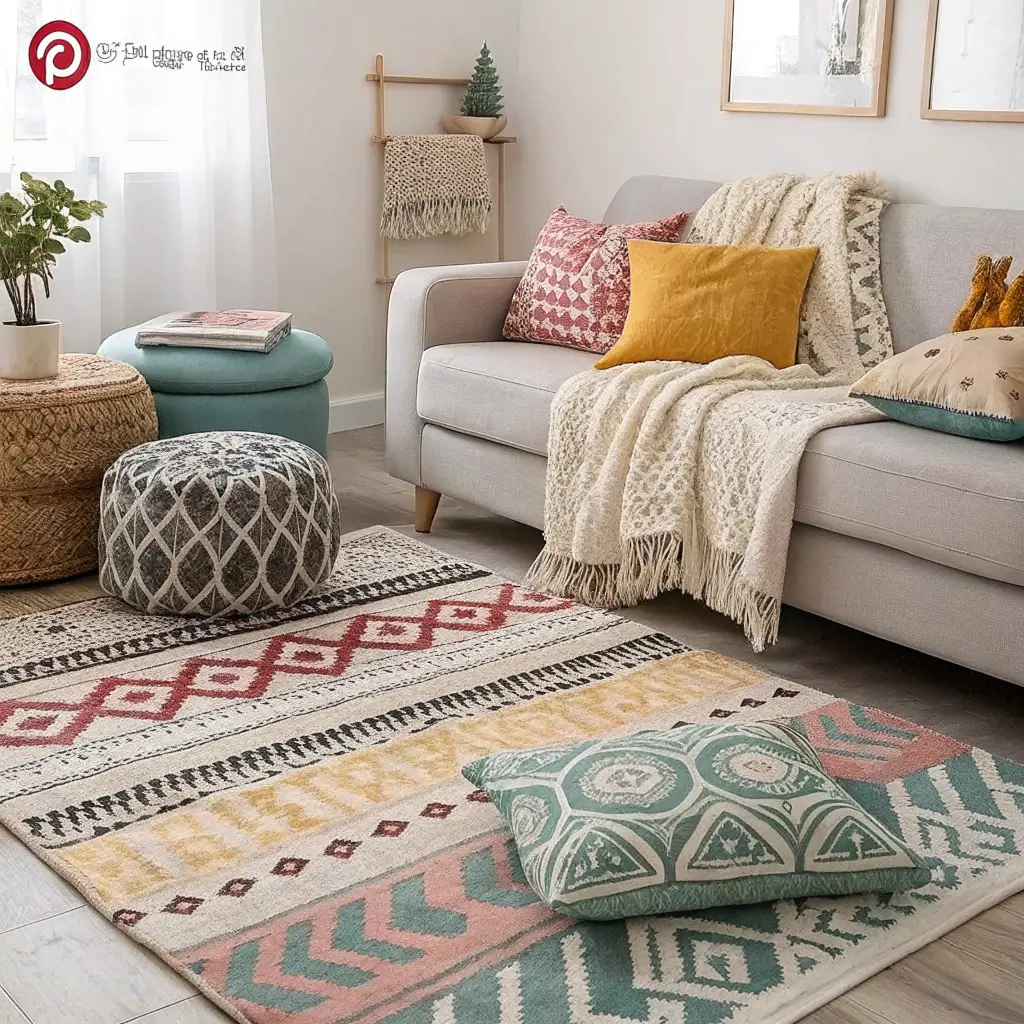
A row of floating shelves in the kitchen, styled with a mix of everyday items and carefully chosen decorative pieces, turns a blank wall into both practical storage and visual interest. Display your nicest plates alongside cookbooks, a potted herb, a small vase, and glass jars of dried goods. The rule here is to style, not just store — each shelf should look intentional from across the room.
15. Upgrade Your Dining Area Lighting
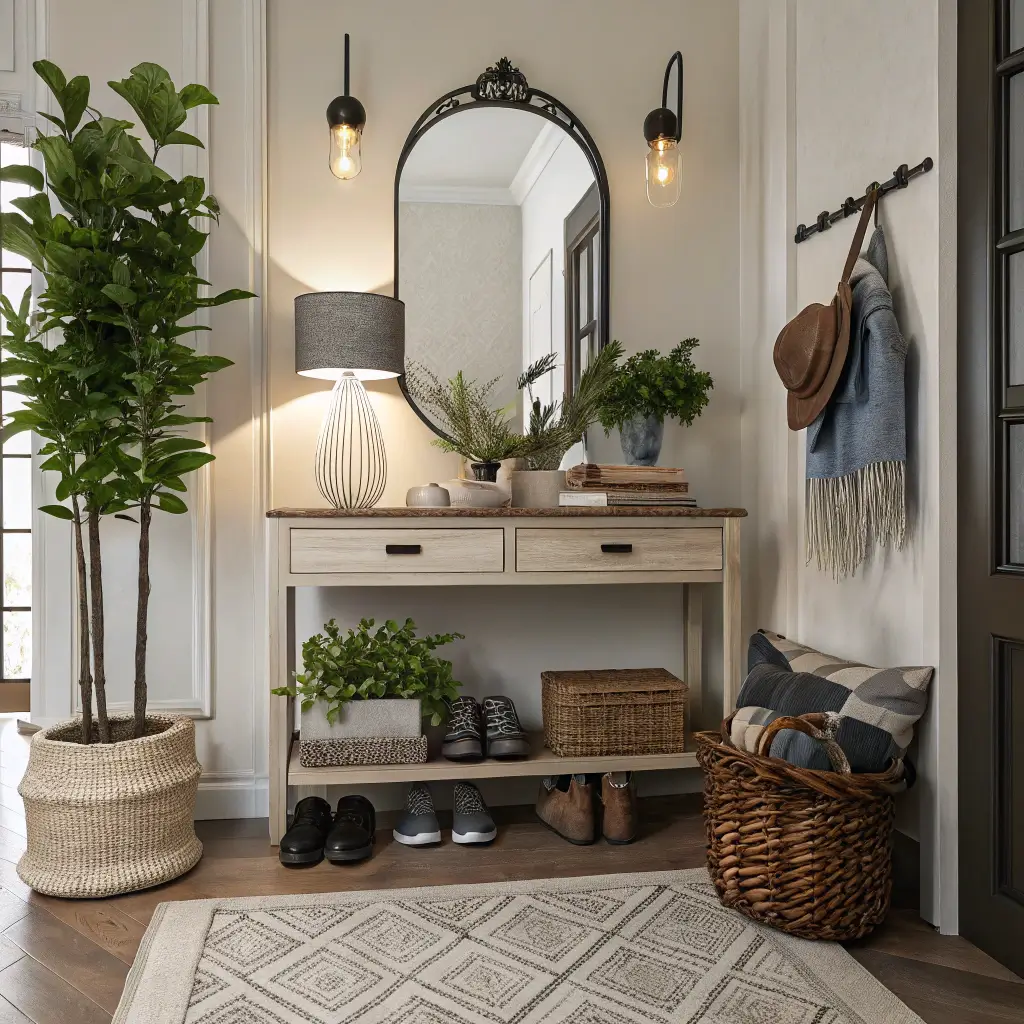
A pendant light over a dining table is one of the most impactful small changes in an apartment. It immediately defines the dining zone as its own space, adds character, and creates atmosphere for evening meals that an overhead bulb simply cannot. Plug-in pendant lights require no electrical work and no landlord permission — they plug into a regular outlet with the cable managed up the wall. A single rattan, metal, or linen pendant over a modest dining table looks genuinely designed.
Renter-Friendly Decorating Rules Worth Knowing
Renting should not mean living in a space you never feel settled in. Here are the ground rules for decorating without risking your deposit.
- Command strips and hooks are your best friends. They hold substantial weight when used correctly and come off without leaving marks on most painted walls.
- Removable wallpaper and peel-and-stick tiles have transformed what renters can do without permission. Test a small section first to make sure they come off cleanly on your specific wall surface.
- Furniture and lighting are entirely yours to choose and require no permission. Most of the biggest impact changes you can make in any apartment happen at furniture and lighting level.
- Rugs, curtains, and textiles are fully temporary and have an outsized effect on how a room feels. Invest here without any concerns.
- Ask before painting, but ask — many landlords will say yes, especially if you offer to return walls to the original color before leaving. A simple conversation can unlock the single most transformative tool in apartment decorating.
Finding Your Apartment Decorating Style
Before buying anything, it helps to have a rough sense of the direction you are heading. You do not need to commit to a single aesthetic — most well-decorated apartments are actually a mix of several — but having a filter helps you avoid the common trap of accumulating things you individually like that do not work together.
Minimalist modern: Clean lines, neutral colors, quality materials, maximum breathing room. The goal is a space that feels serene and deliberate, where every item is there for a reason.
Scandinavian: Similar to minimalist but warmer — natural wood, cozy textiles, soft neutrals, plants everywhere, and a deep commitment to comfort. Think hygge: the art of cozy.
Boho eclectic: Layered rugs, mixed patterns, warm earthy tones, handmade objects, trailing plants, macrame, and the general feeling that things have been collected over a lifetime rather than purchased in an afternoon.
Industrial: Raw materials — exposed concrete, metal, leather, reclaimed wood. Minimal color, maximum texture. Works especially well in loft-style apartments with high ceilings.
Maximalist: More of everything, done deliberately. Bold colors, rich patterns, layered art, books everywhere, meaningful objects on every surface. The aim is abundance, not clutter — though the difference requires editorial confidence.
Whatever your natural direction, the most important thing is consistency. Mixing elements from three or four completely different aesthetics without a unifying thread is what makes apartments feel chaotic. Even one consistent element — a color palette, a material, a mood — ties diverse pieces together.
How to Prioritize When You Have a Limited Budget
If you cannot do everything at once — and most people cannot — here is a rough order of priority based on impact per dollar spent.
- Lighting first. Swapping overhead lights for floor lamps with warm bulbs transforms atmosphere immediately and costs very little.
- A large rug in the main living area. The single piece of furniture with the most impact relative to cost.
- Curtains, hung high and wide. Instant height, instant softness, instant warmth.
- Plants. Cheap, alive, and endlessly effective at making a space feel like someone cares about it.
- One quality piece of art or a gallery wall. Personalizes the space immediately.
- Hardware and small upgrades in kitchen and bathroom. High impact, very low cost.
Final Thoughts
Decorating an apartment is not about achieving a magazine-perfect result or spending money you do not have. It is about creating a space that genuinely feels like yours — somewhere that welcomes you at the end of a long day and supports the life you actually live.
The best apartments are not the ones with the most expensive furniture or the most carefully curated collections. They are the ones that feel like someone real lives there: warm, a little layered, with things on the walls that mean something and light that is soft in the evenings.
Start with one room. Pick one idea from this list that feels achievable this week. Make that change, notice the difference it makes, and then move to the next. Good spaces are built gradually, with intention — and that is entirely within reach, whatever your apartment and whatever your budget.
1 thought on “15 Fun Apartment Decorating Ideas and Colorful Room Inspirations”