
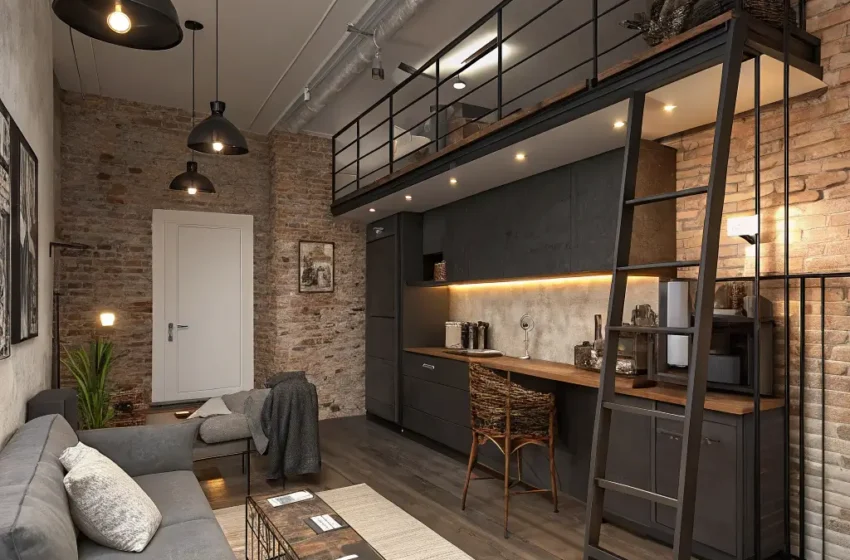
Studio apartments have a reputation for being difficult to live in. One room that has to be your bedroom, living room, dining room, and sometimes your office — all at once. Limited closet space. A kitchen that might technically qualify as a corridor. No room for error when it comes to furniture placement.
But here is what nobody tells you: studio apartments are not difficult to decorate. They are just different. The rules that work in a three-bedroom house do not apply here, and once you stop trying to force them, everything becomes surprisingly manageable — and even genuinely enjoyable.
The best small studio apartments are not just functional. They are thoughtful. They use every inch with intention, make smart choices about what to keep and what to leave out, and create the illusion of space through light, color, and layout decisions that cost very little but change everything about how the room feels.
1. Use a Bookshelf as a Room Divider
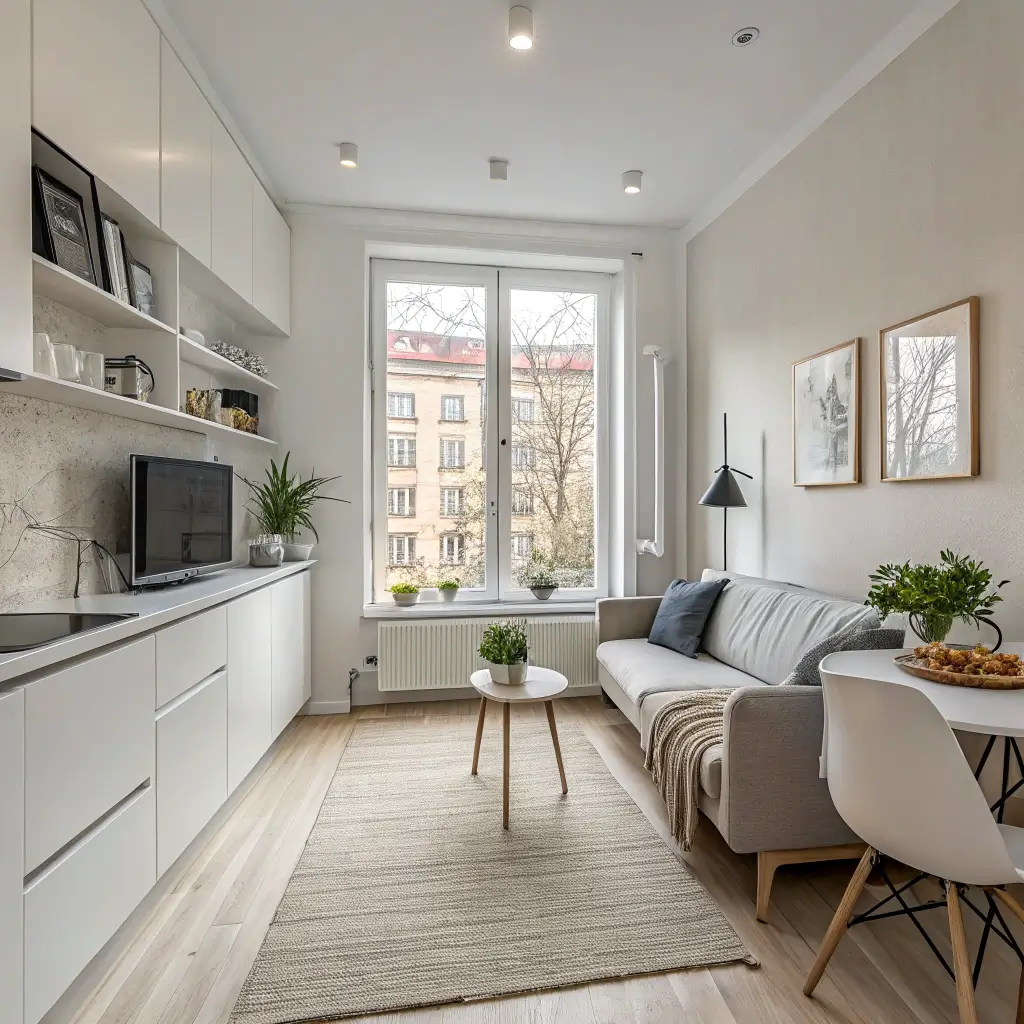
A tall, open bookshelf placed perpendicular to the wall is one of the oldest studio tricks in the book — and it still works better than almost anything else. It creates a visual separation between the sleeping area and the living area without closing off light or making the space feel smaller. Both sides of the shelf become usable storage, and the whole thing doubles as display space for books, plants, and objects.
Choose a shelf that is open on both sides so light still flows through. The KALLAX and BILLY systems are popular options because they are modular and can be configured to exactly the height and width you need.
2. Define Zones With Area Rugs
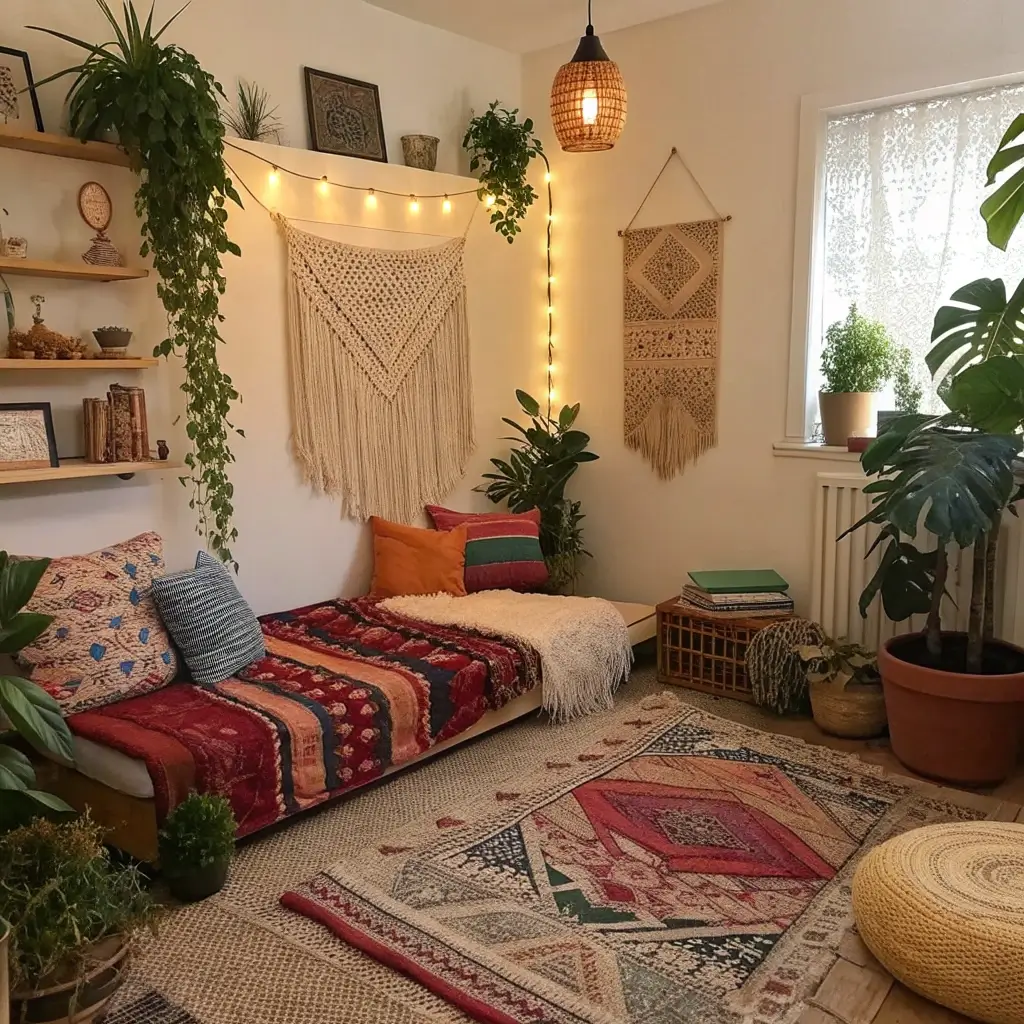
Different rugs for different activity zones is one of the most powerful layout tricks available in a studio apartment. A rug under the sofa and coffee table defines the living area. A smaller rug under the bed anchors the sleeping zone. These visual boundaries make the space read as multiple rooms even though there are no walls separating them.
Choose rugs in complementary but not identical patterns or textures so the zones feel distinct while still belonging to the same visual language. Natural fiber rugs for the living area and a softer, more plush rug beside the bed is a combination that almost always works well.
3. Create a Bedroom Corner With Curtains
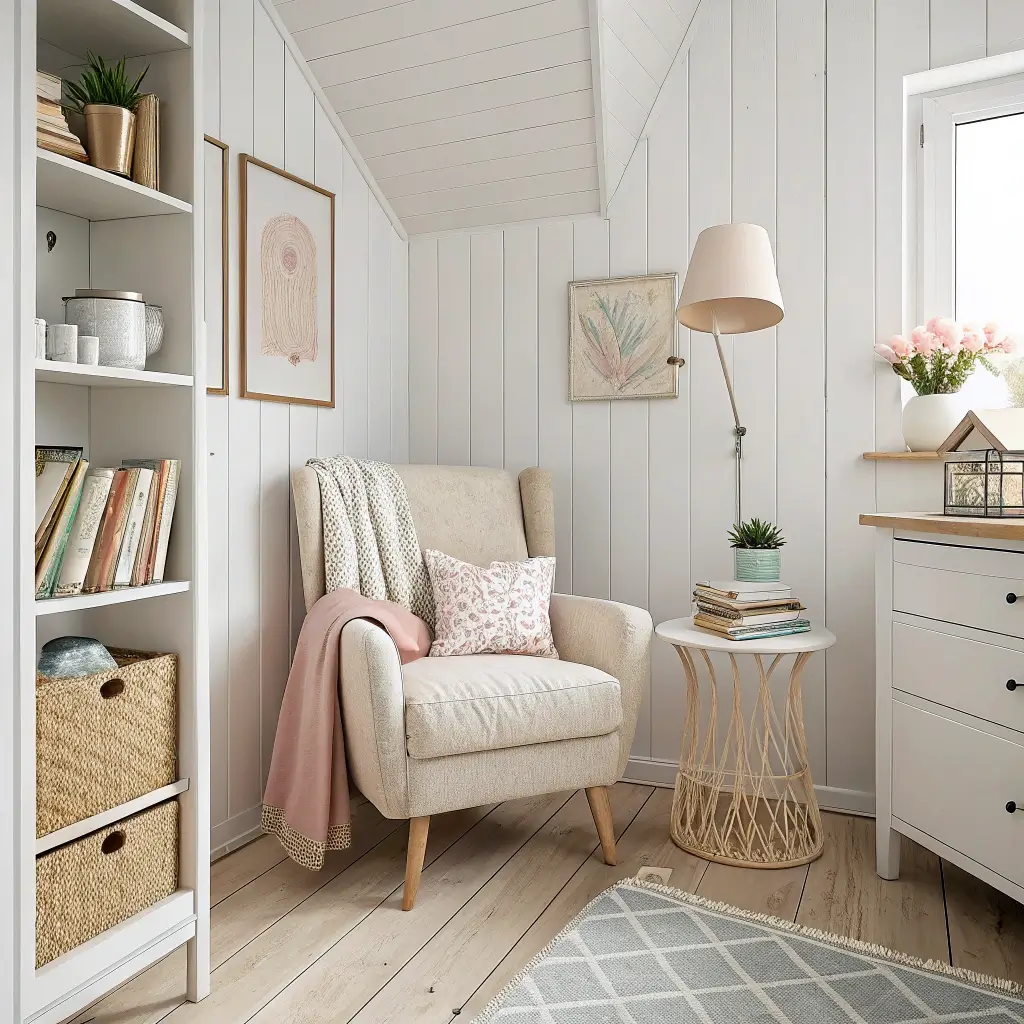
Hanging a curtain rod from the ceiling and drawing curtain panels around the bed area creates an incredibly cozy and private sleeping zone without the permanence or cost of actual construction. Floor-to-ceiling curtains in a linen or velvet fabric look genuinely luxurious, add texture to the room, and give the sleeping area a sense of enclosure that makes it feel more restful.
During the day, tie the curtains back and the space opens up completely. In the evening, draw them closed and suddenly you have something that feels much more like a real bedroom than a bed sitting in the corner of a living room.
4. Place the Sofa With Its Back to the Bedroom Zone
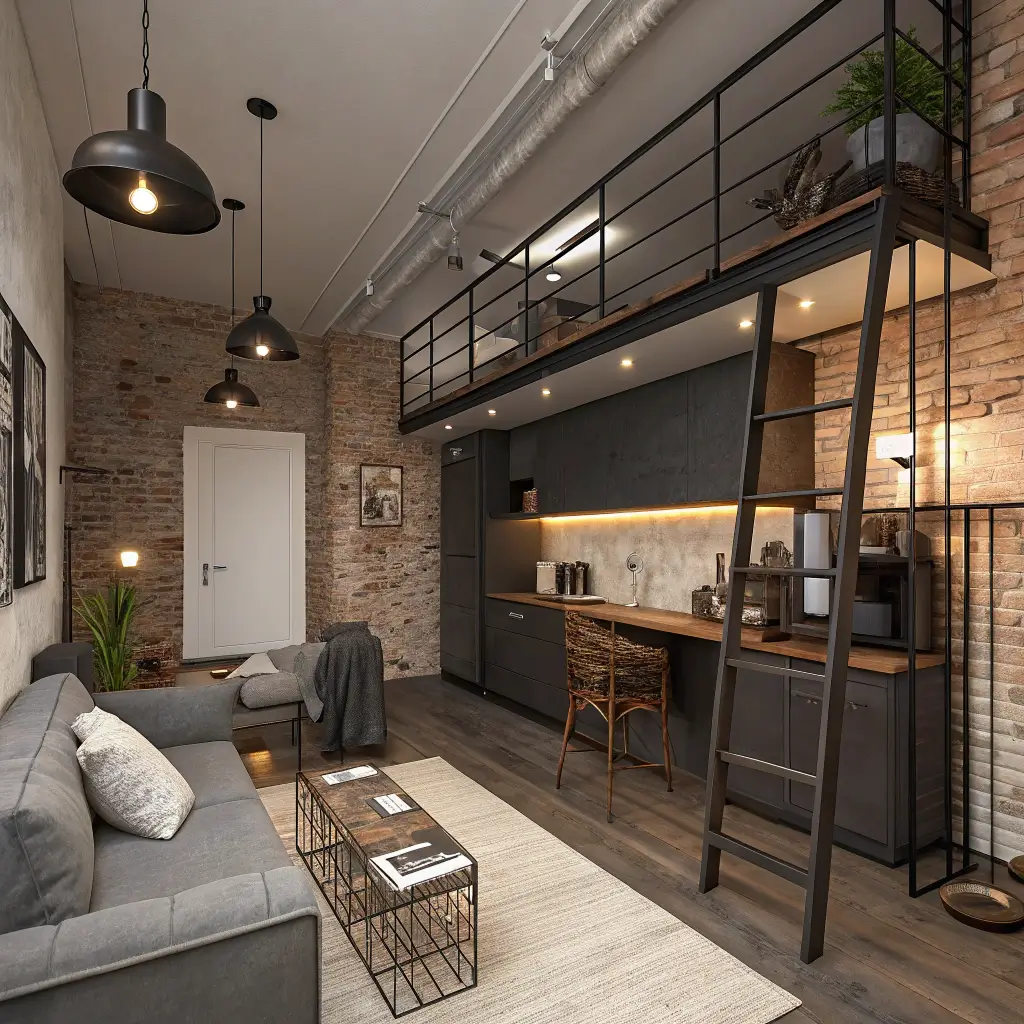
Rather than pushing all furniture against walls — which actually tends to make rooms feel smaller and more disconnected — float your sofa toward the center of the room with its back facing the sleeping area. This creates a natural, furniture-defined boundary between spaces without any physical divider. It also makes the living area feel more purposeful and the bedroom area more private.
A console table or narrow shelf unit placed behind the sofa doubles as both a design feature and a boundary marker, and gives you an extra surface for lamps, plants, or decorative items.
5. Build a Loft Bed to Reclaim Floor Space
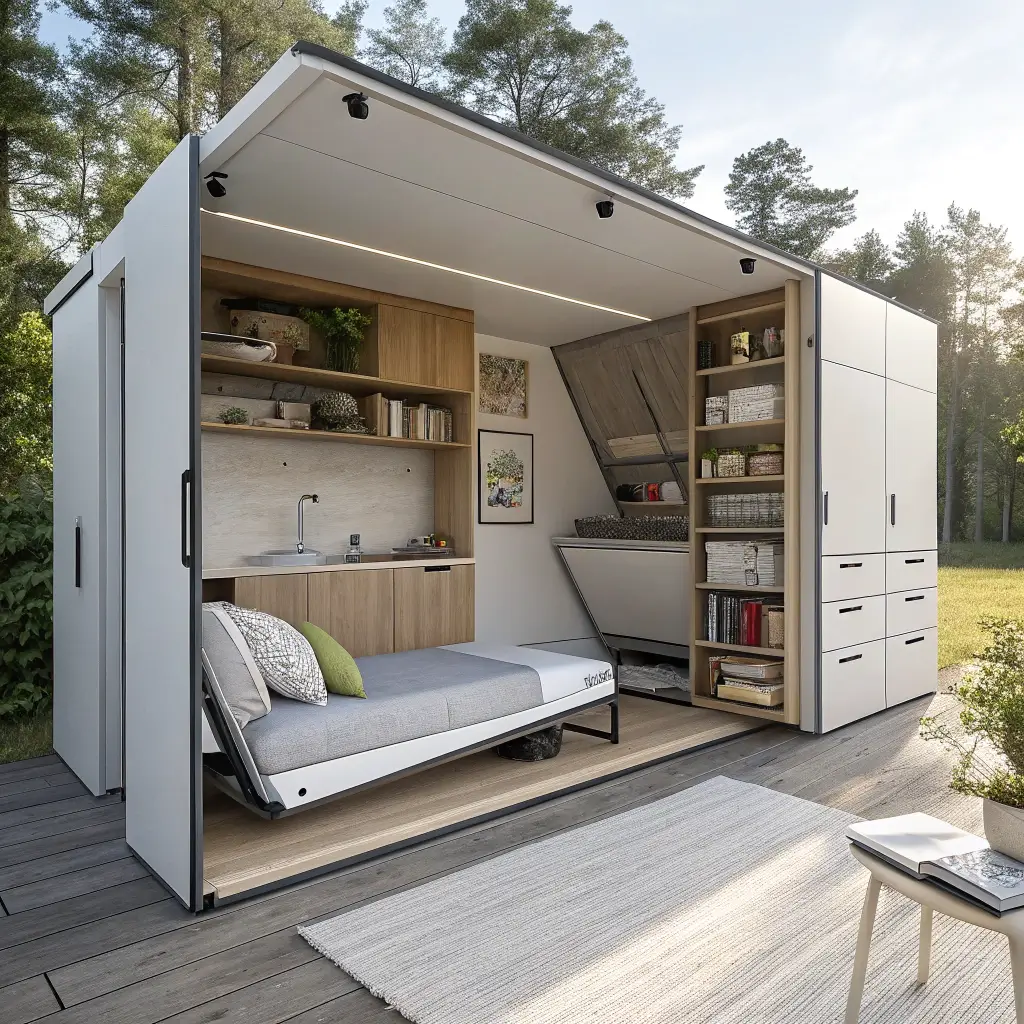
If your ceilings are high enough — ideally at least eight feet — a loft bed is one of the most transformative things you can do in a studio apartment. Elevating the sleeping area frees up the entire floor space beneath for a sofa, a desk, or a small dining area. The loft itself becomes its own private world with just a mattress and a reading light, while the space below becomes genuinely functional living space.
This is a bigger commitment than most ideas on this list, but the return on floor space is unmatched. Freestanding loft beds require no installation and come in a wide range of styles from industrial to minimal.
Smart Furniture Ideas for Small Studios
Furniture selection is where studio apartments are won or lost. The wrong pieces make a small space feel chaotic and cramped. The right ones feel like they were designed for exactly this purpose. The principle is simple: everything must do more than one job.
6. Choose a Sofa Bed That Does Not Look Like One
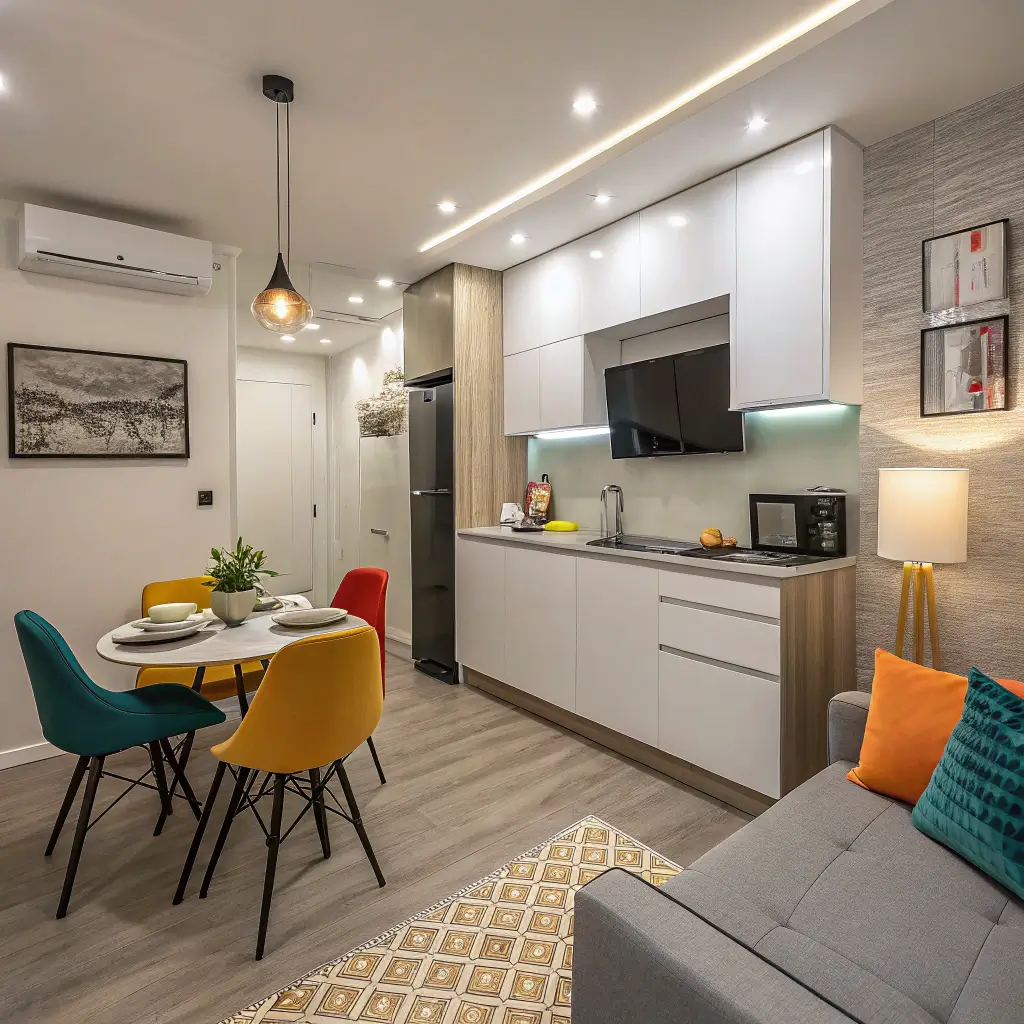
The sofa bed has a reputation problem. Most people picture a pull-out mechanism with a lumpy mattress and a visible metal bar. But modern sofa beds have improved dramatically. Clean-lined sofa beds in neutral upholstery look like regular sofas during the day and open into genuinely comfortable sleeping surfaces at night. For studio dwellers who regularly have overnight guests — or for those who want a sleeping option other than a dedicated bedroom corner — a quality sofa bed gives enormous flexibility.
Look for designs with a visible frame and clean proportions rather than bulky armrests and excessive cushioning, which tend to make these pieces look and feel heavier than they are.
7. Invest in a Storage Bed
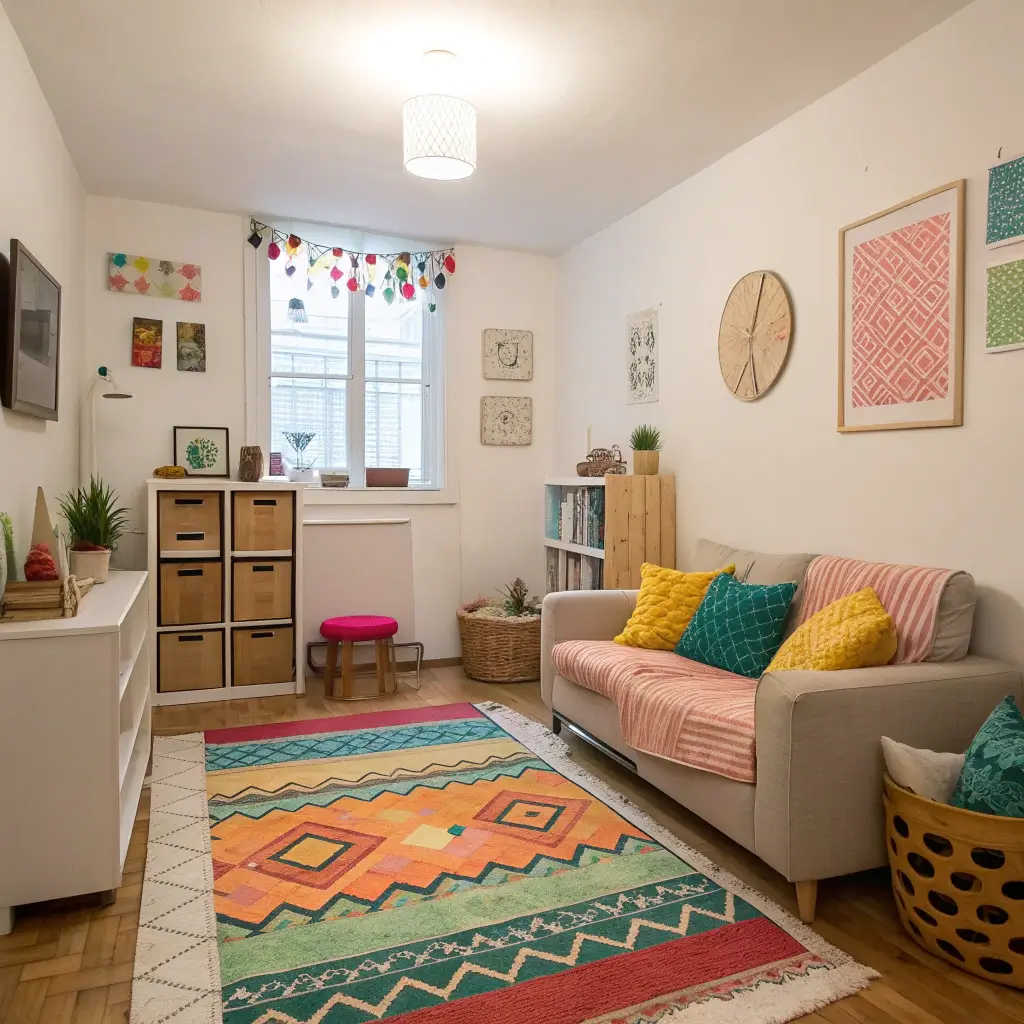
The space under a bed is some of the most valuable storage real estate in any studio apartment, and most people leave it entirely empty or use it as a dumping ground for things they have forgotten about. A platform bed with built-in drawers organizes that space properly, turning it into accessible, hidden storage for extra bedding, seasonal clothing, shoes, or anything else that needs a home.
Ottoman storage beds — where the entire mattress lifts on a gas mechanism to reveal a large storage cavity — offer even more capacity and are particularly useful for bulky items like duvets and luggage.
8. Use a Lift-Top Coffee Table
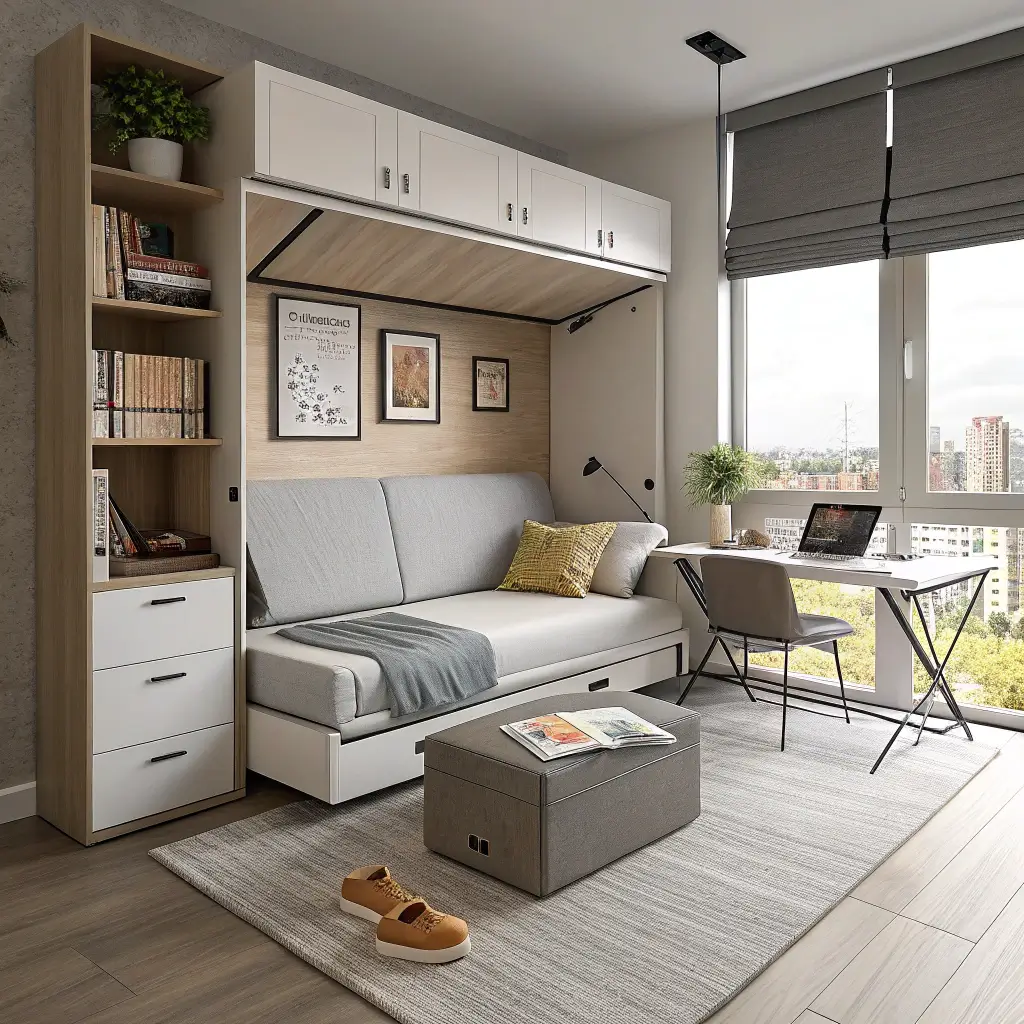
A lift-top coffee table is exactly what it sounds like: a coffee table whose surface hinges upward to create a working or dining height surface. During normal hours it sits at coffee table level, holds drinks and books, and looks like any other piece of furniture. When you need to work from the sofa or eat without the awkwardness of a low table, the top lifts to a comfortable height. Many also include hidden storage inside.
In a studio where a dedicated dining table and a dedicated desk are both more furniture than the space can comfortably hold, this kind of dual-function piece is genuinely valuable.
9. Mount a Fold-Down Desk on the Wall
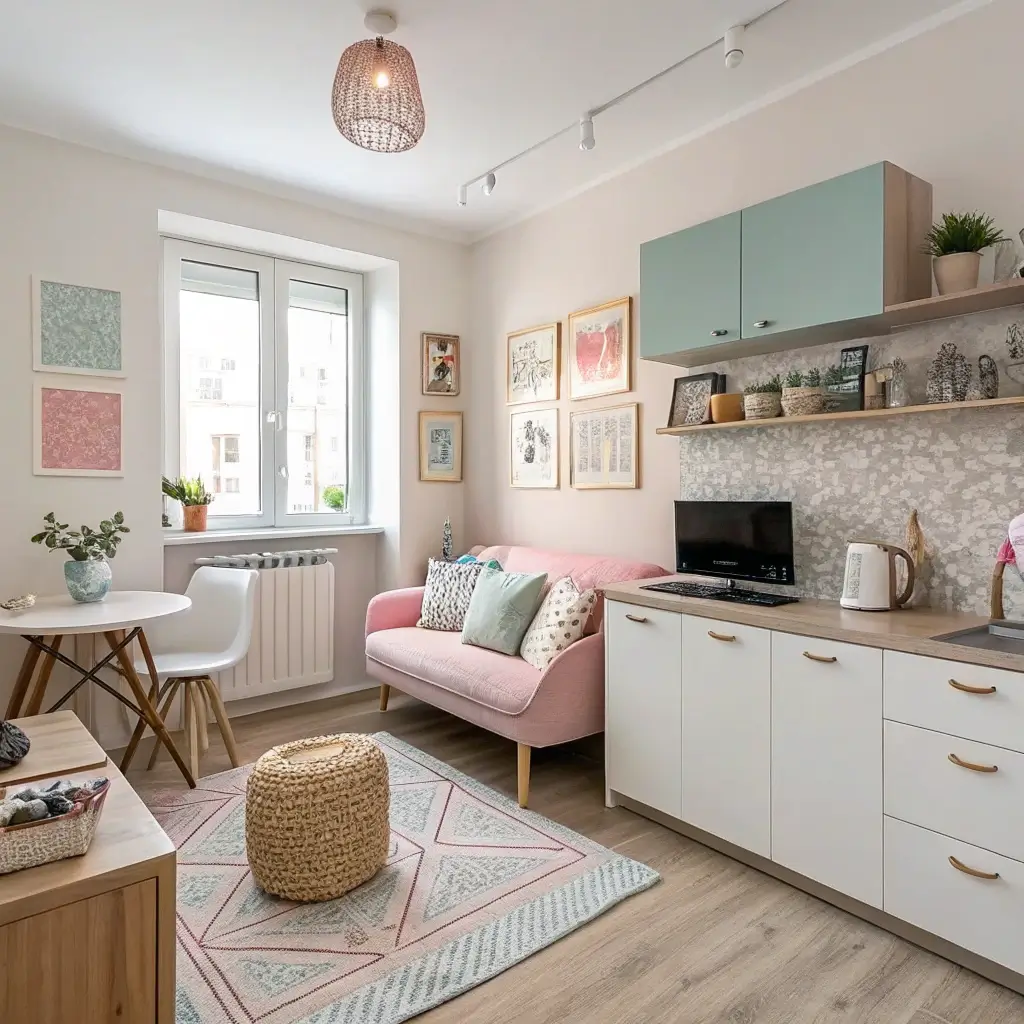
A wall-mounted fold-down desk is a brilliant solution for studio apartment working from home. Folded up against the wall, it takes zero floor space and can be styled attractively with a small plant and a framed piece of art beside it. Folded down, it provides a proper working surface. When the workday ends, fold it back up and the wall is yours again — the mental separation this creates between work and home is a real benefit in a one-room living situation.
Pair it with a stool that slides neatly underneath a nearby console or tucks into a corner, and the whole setup disappears from view when not in use.
10. Choose Nesting Tables Instead of a Sofa Side Table
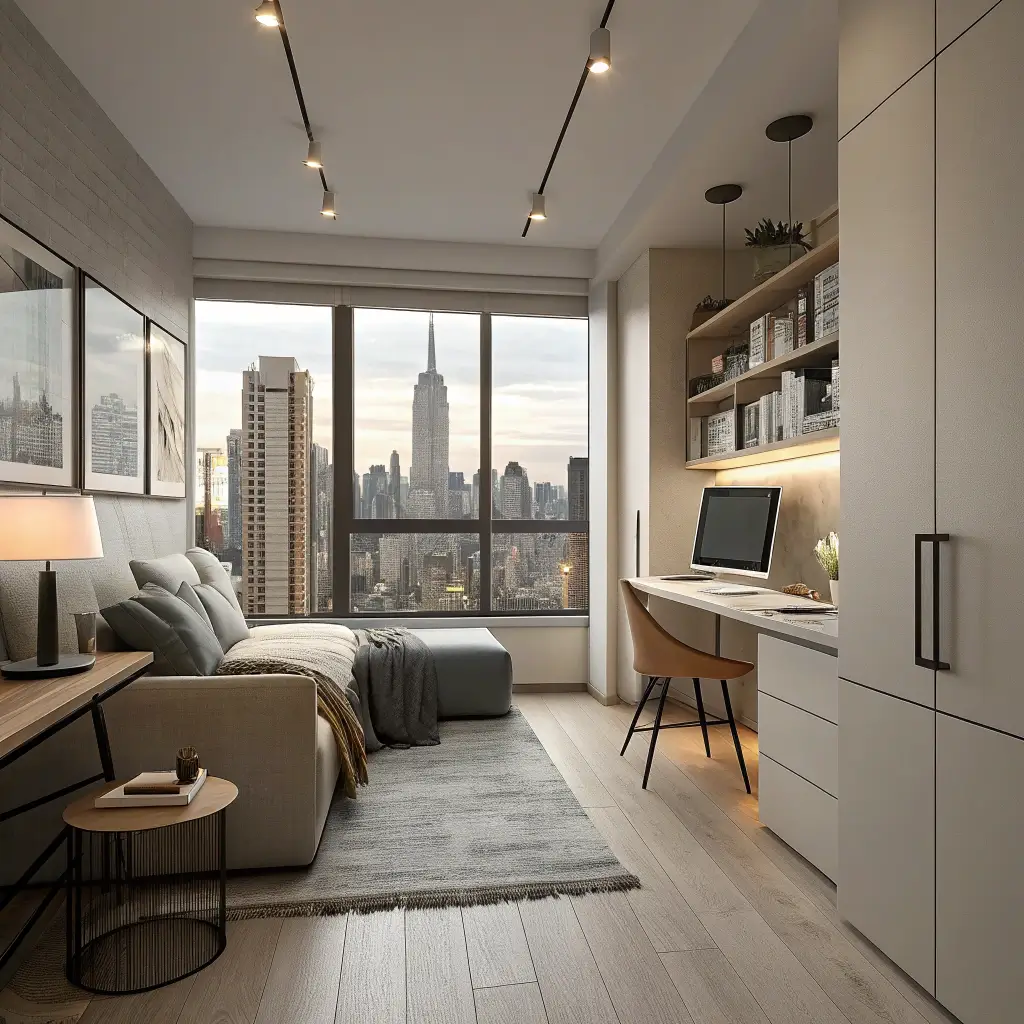
A set of two or three nesting tables takes the footprint of one small table but gives you the flexibility of several. Use all three when entertaining and guests need somewhere to put a drink. Push two back under when it is just you. The smallest table can travel anywhere in the apartment as needed. In a studio, adaptable furniture that can serve different configurations depending on the occasion is invaluable.
11. Use Benches Instead of Dining Chairs
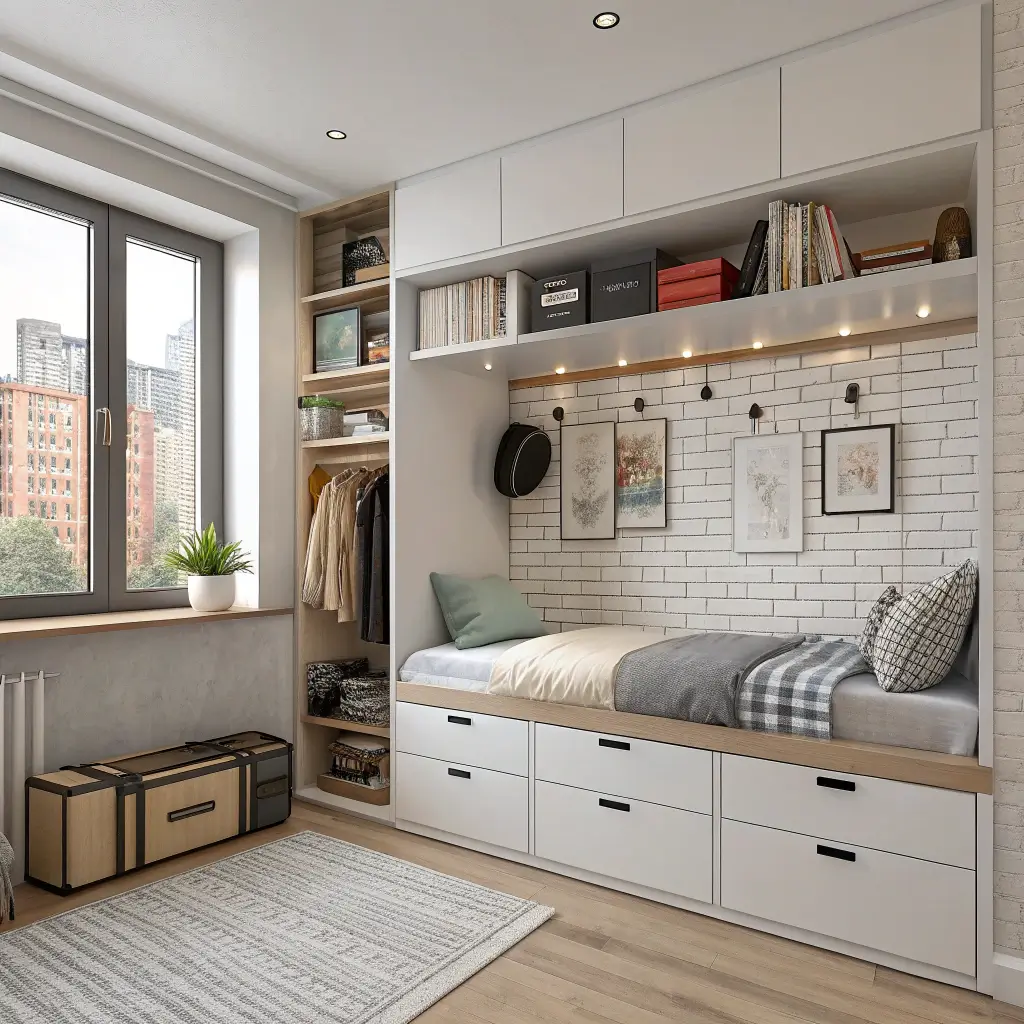
If your studio includes a small dining table, benches rather than chairs save significant space. A bench can slide completely under the table when not in use, reducing the visual and physical footprint of the dining area dramatically. It also works as a seat elsewhere in the apartment and can double as storage if you choose a design with a hinged seat. Two chairs pulled out from a table take up roughly four times the floor space of a bench tucked underneath one.
12. Go Vertical With Floor-to-Ceiling Shelving
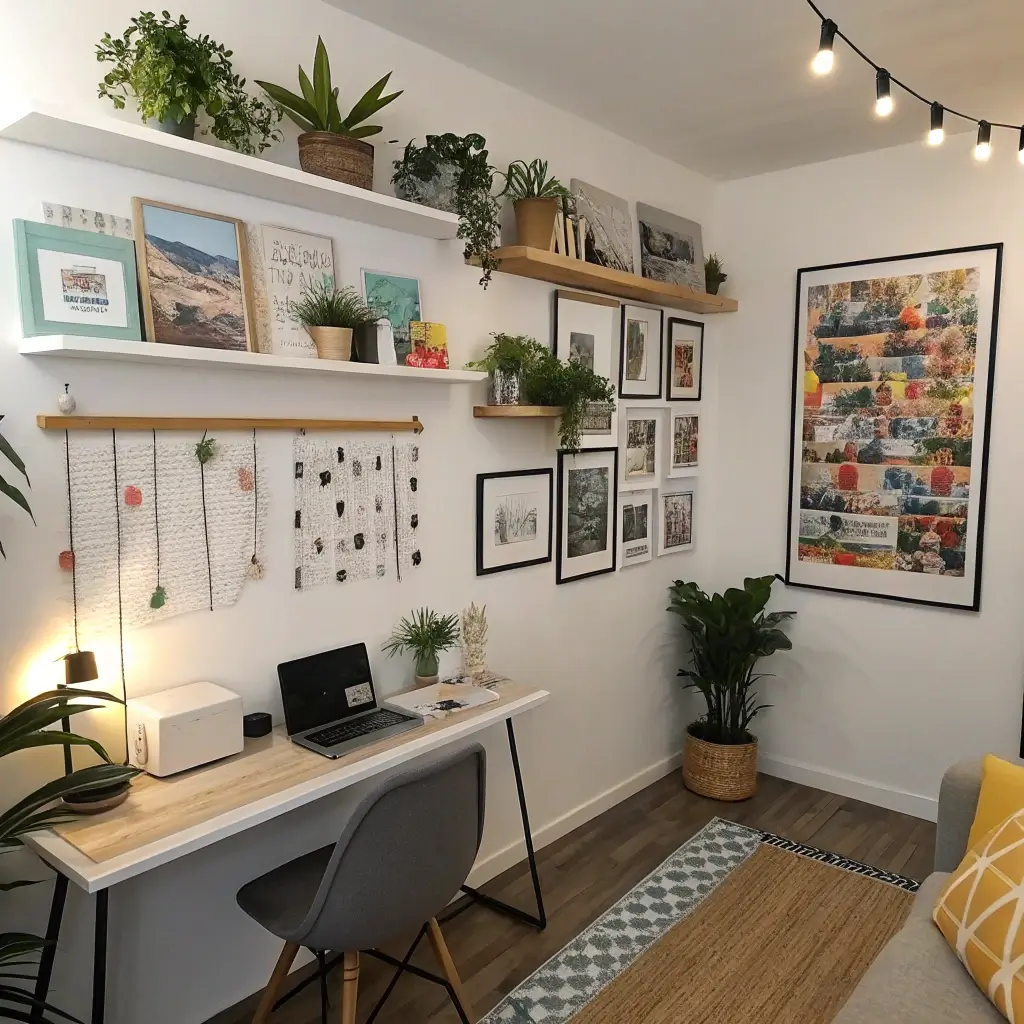
In a small apartment, vertical space is the great underused resource. Most people decorate and store things at eye level and below, leaving everything above it completely empty. Floor-to-ceiling shelving draws the eye upward, makes the room feel taller, and provides an enormous amount of storage that does not compete with floor space at all.
Use lower shelves for accessible everyday items and style them attractively. Use upper shelves for seasonal or less frequently needed items in coordinating baskets or boxes. The visual uniformity of matching containers keeps the arrangement looking composed rather than overwhelming.
13. Install Floating Shelves in Unexpected Places
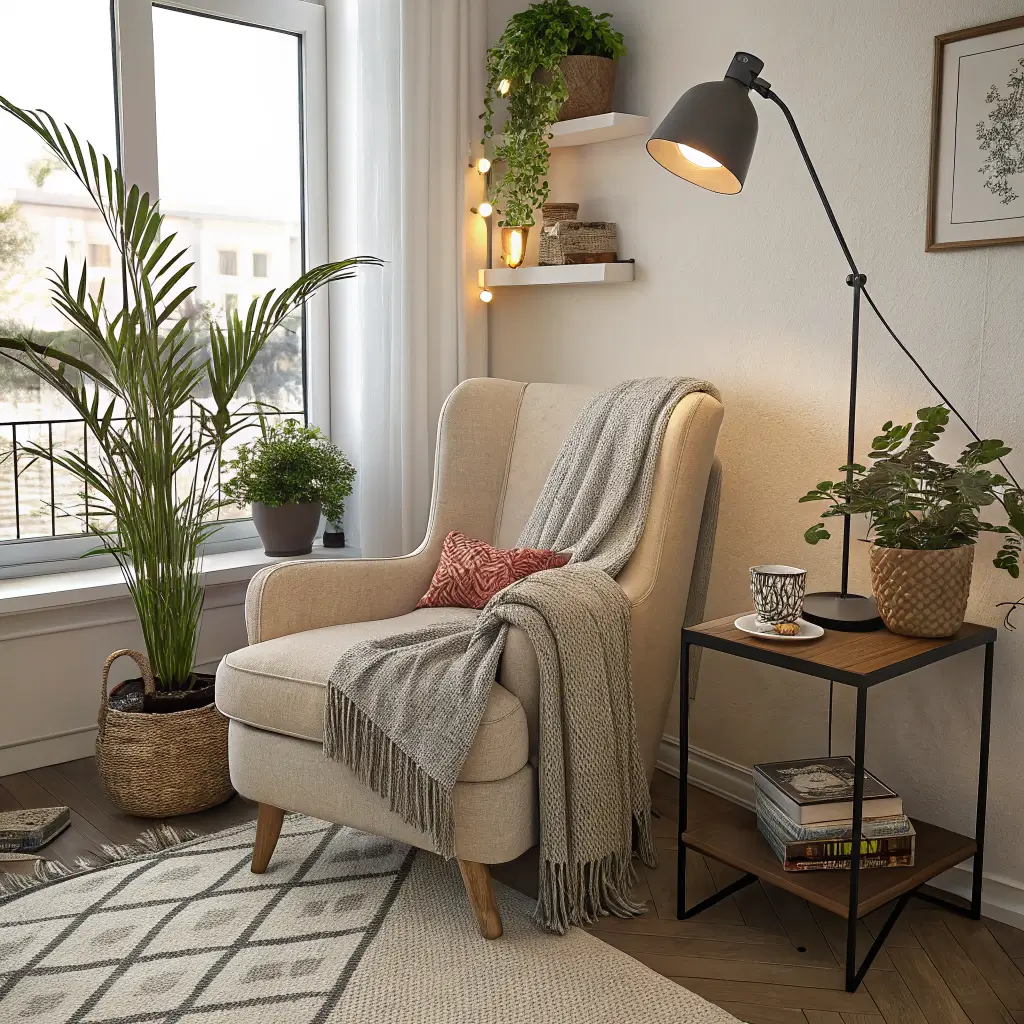
Floating shelves can go almost anywhere there is a blank wall: above a doorway, in the corner where two walls meet, above the kitchen worktop, beside the bathroom mirror, above the bed. Each one adds storage without taking up floor space and can be styled to look like a deliberate design decision rather than a storage solution.
Corner floating shelves are particularly useful in studios because corners are often dead space that nothing else fits into. A corner shelf unit at multiple heights turns a wasted corner into a proper display area.
14. Use the Space Above Kitchen Cabinets
The gap between the tops of kitchen cabinets and the ceiling is almost always wasted. It is often dusty and forgotten. But with some attractive large baskets or matching boxes placed up there, it becomes functional storage for things you do not need regularly — large serving platters, seasonal items, extra kitchen equipment. The key to making it look intentional rather than chaotic is consistency: all the same container type, all lined up neatly.
15. Make the Most of Door Backs and Wall Niches
The backs of doors are some of the most overlooked storage surfaces in any apartment. Over-door organizers in the bathroom store toiletries and cleaning products with no visible footprint. A narrow over-door rack in the bedroom holds shoes, accessories, or folded items. In a studio where every inch matters, ten doors worth of storage adds up to a significant amount of hidden capacity.
Wall niches — if your apartment has them, even shallow ones — deserve to be used deliberately. A small shelf in a niche, a few objects displayed thoughtfully, a small plant: these details make a space feel like someone considered every corner rather than just the obvious areas.
The risk in a small studio is decorating in a way that adds visual noise without adding anything meaningful. Every decorative choice should earn its place — not just fill space, but actually make the room more personal, more interesting, or more pleasantly livable.
Renter-Friendly Changes That Make the Biggest Difference
Living in a studio you are renting adds an extra layer of constraint — you cannot change the floors, cannot paint without permission in most cases, and cannot install anything permanent without risking your deposit. But the impact of renter-friendly choices is often underestimated. Here is what genuinely moves the needle without touching the walls.
- Removable wallpaper: Applied to a single feature wall, removable wallpaper transforms the room completely. Modern options are pattern-rich and convincing, and they come off cleanly when you leave.
- Lighting upgrades: Replacing existing ceiling light bulbs with smart bulbs lets you control warmth and brightness without any installation. Adding floor lamps and table lamps changes the entire atmosphere of the room without a single hole in the wall.
- Large rugs: Entirely temporary, hugely impactful. The right rug can make a studio look completely different from how it looks without one.
- Curtains hung with tension rods: No drilling required. Tension rod curtains in the right fabric still frame windows beautifully and add softness to the room.
- Command hooks and strips: When used correctly and within their weight limits, these hold art, mirrors, shelves, and organizers securely. Learn the proper removal technique before leaving.
- Furniture choices: Everything you buy goes with you. Investing in quality furniture that works well in your current studio and will work in future homes is the single most powerful renter-friendly decorating decision you can make.
The Most Overlooked Studio Apartment Decorating Idea
This is not the sexiest idea on the list, but it is probably the most important one. The single biggest obstacle to a well-decorated studio apartment is having too much stuff. Not the wrong furniture, not the wrong color palette, not the wrong rug size — just too much stuff.
Every month or two, walk through your apartment and ask honestly what is earning its place. What do you actually use? What do you genuinely love to look at? What is just sitting there because moving it somewhere requires a decision you have not made yet? Remove anything that falls into that last category. Give it away, sell it, store it elsewhere, or throw it away.
A studio apartment with forty carefully chosen things in it will always feel better than one with eighty random things. Decoration is editing as much as it is adding, and the most important design decision you can make in a small space is to be ruthless about what gets to stay.
Quick Wins: Changes You Can Make This Weekend
If you want to start improving your studio apartment right now without a big project, here are six changes that cost very little and make an immediate difference.
- Swap every bulb in the apartment to a warm white (2700K) and add one floor lamp. Your evenings will feel completely different.
- Pull furniture away from the walls by two to six inches. Counterintuitive, but it makes rooms feel more spacious and considered.
- Clear every surface of anything that does not belong there. Leave only what you genuinely want to see every day.
- Hang one large piece of art or a mirror at proper picture-hanging height (eye level, approximately 57–60 inches from the floor to the center of the piece).
- Add one plant. Put it somewhere prominent. Notice how much warmer the room immediately feels.
- Hang your curtains higher and wider than the window frame. Even if you have to buy a new rod and longer curtains, this single change transforms the perceived height and scale of the room.
Conclusion: Your Studio Can Feel Like a Real Home
Small studio apartments are not a decorating problem to be solved. They are a design challenge to be embraced — and when you work with the constraints rather than against them, the results can be genuinely beautiful.
The ideas in this guide are not theoretical. They are the same principles that designers use to make small spaces feel larger, more functional, and more personal than their square footage suggests. They work in 250-square-foot studios and 550-square-foot ones. They work with tight budgets and generous ones. And they work whether you have been living somewhere for three weeks or three years.
Start with the one idea that resonates most with what your space needs right now. Make that change. See how it feels. Then come back to the list and do the next one. Good spaces are built deliberately, one considered decision at a time — and there is genuinely no studio apartment that cannot be transformed with enough of them.
1 thought on “15 Clever Small Studio Apartment Decorating Ideas for Smart Storage”